Your cutting board is one of the most used tools in your kitchen, but it needs care to stay in great shape. Applying mineral oil is a simple step that can protect your board from cracks, stains, and bacteria.
If you want your cutting board to last longer and look better, this guide will show you exactly how to do it. Keep reading, and you’ll learn the easy way to keep your board clean, safe, and ready for every meal.

Credit: www.amazon.com
Choosing The Right Mineral Oil
Choosing mineral oil that is food-safe and odorless keeps your cutting board safe and fresh. Applying it regularly helps protect the wood from drying and cracking. Use a clean cloth to spread the oil evenly for best results.
Choosing the right mineral oil is crucial for maintaining your cutting board. Mineral oil helps protect the wood and keeps it in good condition. You must select an oil that is safe and effective.
Food-grade Vs. Non-toxic Options
Food-grade mineral oil is the safest choice. It's specifically designed for items that come into contact with food. This type of oil does not contain any harmful chemicals. It ensures that your cutting board remains safe for food preparation. Non-toxic mineral oil is another option. These oils are also safe for use on cutting boards. They do not include harmful substances and are often more affordable. Always check the label to ensure it's suitable for kitchen use.
Where To Buy Quality Mineral Oil
You can find mineral oil in many places. Most grocery stores stock food-grade mineral oil. Look in the cooking or kitchen supplies section. Online retailers offer a wide selection. Websites like Amazon have many brands and options. Read reviews to find a reliable product. Hardware stores sometimes carry mineral oil. It's usually in the wood care or cleaning aisle. Ensure it's labeled safe for kitchen use.

Credit: matheson.shop
Preparing Your Cutting Board
Preparing your cutting board properly ensures the mineral oil soaks in well. A clean, dry board absorbs oil better and lasts longer. This preparation protects the wood and keeps it safe for food use. Follow these steps before applying mineral oil.
Cleaning Before Application
Remove all food particles and stains from the board’s surface. Use warm water and mild dish soap to scrub gently. Avoid soaking the board in water to prevent warping. Rinse thoroughly to remove soap residue. For tough stains, sprinkle salt and rub with a lemon half. This natural scrub helps lift grime without harsh chemicals.
Drying And Inspecting The Surface
Dry the board completely with a clean towel. Let it air dry for at least an hour to ensure no moisture remains. Check for cracks, deep cuts, or rough spots. Sand any rough areas lightly with fine-grit sandpaper. A smooth surface helps the oil penetrate evenly. Your board is now ready for mineral oil application.
Applying Mineral Oil
Applying mineral oil to your cutting board keeps it strong and safe. The oil protects the wood from water and stains. It also prevents cracks and warping over time. Proper oiling extends the life of your board. The process is simple and quick. Using the right tools and following easy steps helps you do it well.
Tools Needed For Application
- Food-grade mineral oil (safe for kitchen use)
- Clean, soft cloth or paper towels
- Small bowl or container for oil
- Optional: fine-grit sandpaper (for rough boards)
- Gloves (to keep hands clean)
Step-by-step Application Process
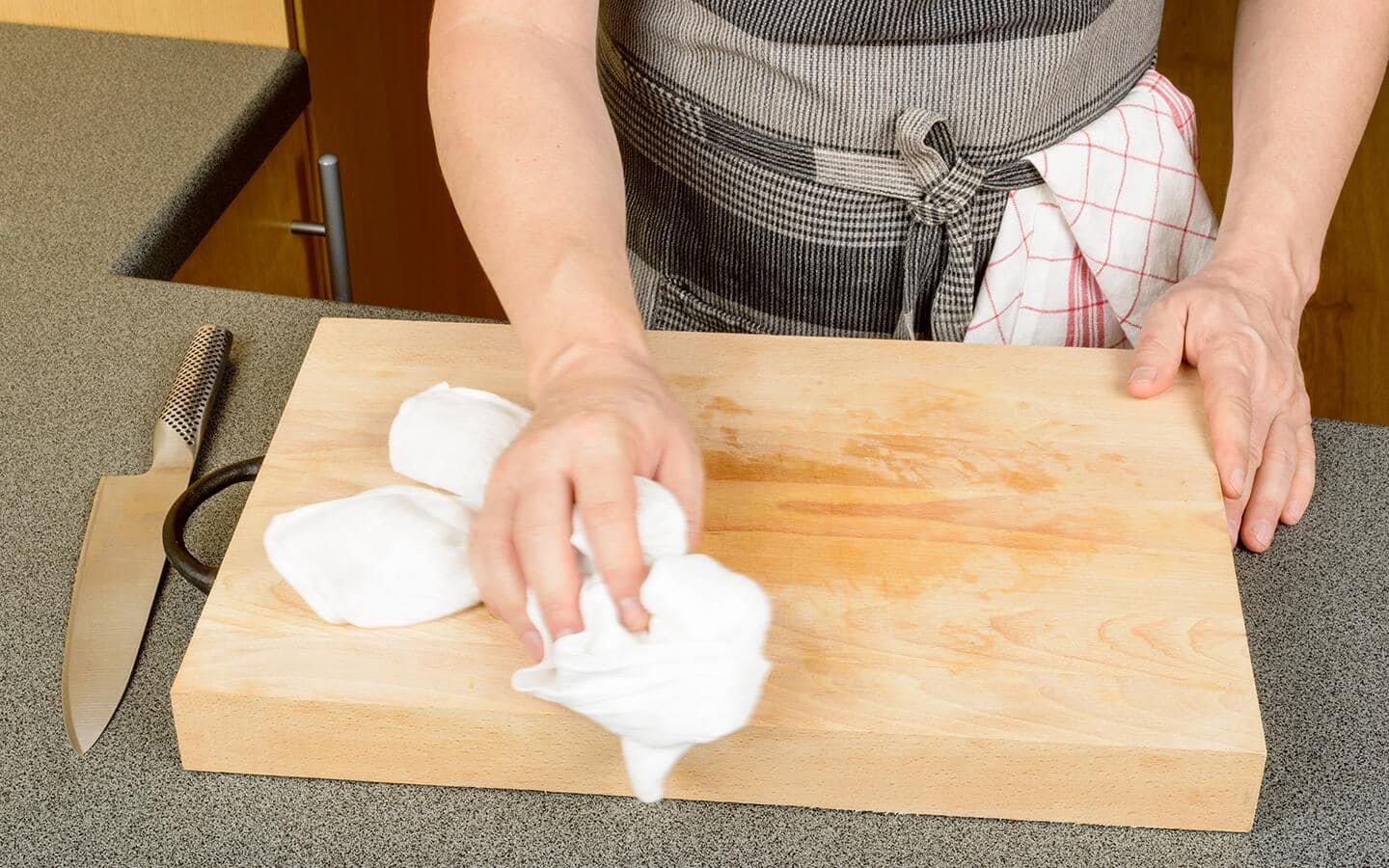
Start with a clean, dry cutting board. Remove any dirt or food particles. Use a dry cloth to wipe the surface well.
Pour a small amount of mineral oil into the bowl. Dip the cloth or paper towel into the oil. Rub the oil gently on the board's surface. Cover all sides, including edges and ends.
Let the oil soak in for at least 20 minutes. If the board looks dry, apply more oil. Wipe off any extra oil with a clean cloth. Avoid leaving the surface sticky or wet.
Allow the board to dry completely before use. For best results, oil your cutting board once a month or more. Regular care keeps the wood healthy and beautiful.

Credit: food52.com
Drying And Absorbing Time
After applying mineral oil to your cutting board, the drying and absorbing time is crucial. This time lets the oil penetrate deep into the wood. It nourishes and protects the board from cracking and drying out. Patience during this process ensures the best results and longer board life.
How Long To Let The Oil Soak
Let the mineral oil soak into the cutting board for at least two hours. For thicker or older boards, allow up to 24 hours. Avoid rushing this step. The oil needs time to reach the wood fibers properly. Some people prefer to apply oil before bedtime and let it soak overnight.
Signs Your Board Is Ready
The cutting board feels dry to touch but not sticky. Oil will no longer pool on the surface. The wood looks richer and has a slight shine. No dark wet spots remain. These signs show the oil has absorbed fully, and your board is ready for use or another oiling session.
Maintaining Your Cutting Board
Maintaining your cutting board is essential to keep it looking fresh and functioning well over time. Proper care helps prevent cracks, warping, and bacterial buildup. Applying mineral oil regularly is a simple step that can extend your board’s life significantly.
Frequency Of Oil Application
How often should you oil your cutting board? The answer depends on how frequently you use it. If you chop daily, oil your board once a week to keep the wood hydrated and protected.
For occasional use, applying oil once a month is usually enough. Watch for signs like dryness, dullness, or water not beading on the surface—these signal it’s time to reapply. Your board should always have a slight sheen after oiling, not look wet or sticky.
Additional Tips For Longevity
Besides regular oiling, a few other habits can help your cutting board last longer. Always dry the board thoroughly after washing to prevent moisture damage. Avoid soaking it in water or putting it in the dishwasher.
Use a gentle scrub with coarse salt and lemon occasionally to remove odors and stains naturally. Rotate your board so different areas get used evenly, reducing uneven wear. Have you noticed one side of your board looking more worn? Flipping it can give you more life out of your investment.
Common Mistakes To Avoid
Applying mineral oil to your cutting board might seem straightforward, but there are common mistakes that can reduce its effectiveness or even damage your board. Avoiding these errors will help you maintain a durable, beautiful surface that lasts. Understanding what to watch out for can save you time and frustration in the long run.
Over-oiling Issues
It’s tempting to slather on a lot of mineral oil, thinking more is better. But too much oil can leave your cutting board sticky and soft, making it prone to damage and bacterial growth.
Instead, apply a thin, even layer and let it soak in fully before adding more. Wait until your board stops absorbing oil to avoid oversaturation. Have you noticed your board feels tacky after oiling? That’s a sign you’ve overdone it.
Using The Wrong Products
Not all oils are safe for your cutting board. Some oils, like vegetable or olive oil, can turn rancid and create unpleasant odors.
Only use food-grade mineral oil designed for cutting boards. Avoid furniture oils or products with additives—they can be toxic or damage the wood. Double-check the label before applying anything to your board to protect your health and investment.
Frequently Asked Questions
How Often Should I Apply Mineral Oil To A Cutting Board?
Apply mineral oil every 3 to 4 weeks for regular use. This prevents drying and cracking. For new boards, apply more frequently during the first month.
Can I Use Mineral Oil On Any Wood Cutting Board?
Yes, mineral oil is safe for all wooden cutting boards. It protects wood fibers and repels moisture, extending the board's life.
How Much Mineral Oil Is Needed Per Application?
Use enough mineral oil to coat the entire surface evenly. Usually, 1 to 2 tablespoons are enough for a standard cutting board.
Should I Clean The Cutting Board Before Applying Mineral Oil?
Always clean and dry your cutting board before oiling. This removes dirt and bacteria, allowing the oil to penetrate better.
Conclusion
Applying mineral oil keeps your cutting board strong and safe. It stops the wood from drying and cracking. Regular oiling also helps to keep bacteria away. Clean the board first, then apply oil evenly. Let it soak in for best results.
Wipe off any extra oil after a few hours. Doing this often extends your board’s life. A well-oiled cutting board looks nice and works well. Simple steps make a big difference in care. Keep your kitchen tools ready for every meal.