If you love a perfect cup of espresso, keeping your machine in top shape is key. But how often should you descale your espresso machine?
Skipping this step can lead to bitter coffee, slower brewing, and even damage to your device. You’ll discover the simple signs that tell you it’s time to descale, how often you really need to do it, and easy tips to keep your machine running smoothly.
Read on to unlock the secret to consistently delicious espresso and extend the life of your machine.

Why Descaling Matters
Descaling your espresso machine is more than just a routine task; it's essential for maintaining the quality of your coffee and the health of your machine. Ignoring this step can lead to subtle but noticeable changes in taste and even costly repairs. Understanding why descaling matters can motivate you to keep up with this important maintenance habit.
Impact On Flavor
Have you ever noticed a bitter or off taste in your espresso? Scale buildup affects how water flows through the machine, causing uneven extraction. This leads to a weaker or overly strong flavor, ruining your perfect cup.
Removing scale ensures consistent water temperature and pressure, which are critical for capturing the rich aroma and taste of your coffee beans. If your espresso starts tasting flat or metallic, it’s a clear sign your machine needs descaling.
Machine Longevity
Scale deposits act like a barrier inside your machine, forcing it to work harder. This extra strain can cause pumps and heating elements to fail prematurely. Descaling keeps these parts running smoothly and reduces the chance of expensive breakdowns.
Think of descaling as an investment in your espresso machine’s future. Regular maintenance can extend its life by years, saving you money and frustration in the long run.
Common Scale Sources
Scale mainly comes from minerals like calcium and magnesium found in hard water. If you live in an area with hard water, your machine is more likely to develop scale quickly.
Other sources include leftover coffee oils and residues that mix with mineral deposits. Using filtered water and cleaning your machine regularly can slow down scale buildup and improve your coffee’s taste.
Signs You Need To Descale
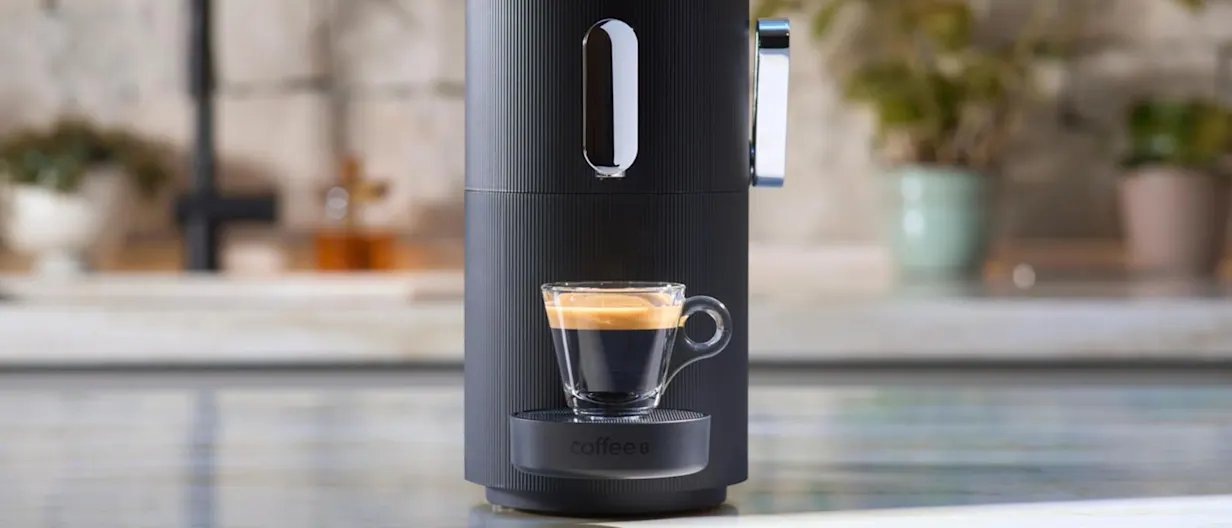
Descaling an espresso machine keeps it working well and protects its parts. Over time, minerals from water build up inside. This buildup can cause problems that affect your coffee's taste and the machine’s performance. Recognizing signs that need descaling helps you avoid bigger issues. Watch for changes in brewing speed, sounds, and taste. These clues tell you when it's time to clean your machine.
Slower Brewing Time
Your espresso may take longer to brew than usual. Water flows slower because mineral deposits block pipes. The machine works harder to push water through. Expect delays in brewing that weren't there before. This slowdown means your machine needs descaling soon.
Unusual Noises
Strange sounds during brewing can signal a problem. You might hear grinding, gurgling, or hissing noises. These noises happen when scale builds up inside. It affects the water flow and machine parts. Pay attention to new or louder sounds to know when to descale.
Bitter Or Off Taste
The taste of your espresso changes when scale builds up. Coffee may taste bitter, sour, or just off. Minerals affect the water temperature and extraction process. This changes the flavor you expect from your coffee. A bad taste is a clear sign to descale your machine.
Descaling Frequency Factors
Descaling an espresso machine depends on several key factors. These influence how often the process should occur to keep your machine in top shape. Understanding these factors helps you maintain flavor and extend the machine’s life.
Water Hardness Levels
Water hardness is a major factor in scaling buildup. Hard water contains more minerals that create deposits inside the machine. Soft water has fewer minerals, so scaling happens slower. Testing your water hardness helps decide descaling frequency. Use a water hardness test strip for quick results.
Machine Usage
How often you use the espresso machine affects scale buildup. Frequent use means water flows more, increasing mineral deposits. Machines used daily may need descaling every 1 to 3 months. Machines used less often can wait longer between cleanings.
Espresso Machine Type
Different machines handle scale buildup differently. Manual and semi-automatic machines often need more regular descaling. Fully automatic machines may have built-in alerts for descaling needs. Capsule machines vary; some require less frequent cleaning due to water flow design.
Descaling Methods
Descale your espresso machine every 1 to 3 months to keep it working well. Hard water and frequent use need more often cleaning. Regular descaling removes mineral build-up and keeps coffee tasting fresh.
Descaling your espresso machine is a task that often gets overlooked, yet it's crucial for maintaining the quality of your coffee and the longevity of your machine. Understanding the right methods can make this process much simpler and more effective. Let’s explore some practical descaling methods that will keep your espresso machine in top condition.
Using Commercial Descalers
Commercial descalers are specifically designed to tackle the mineral buildup in espresso machines. They are easy to use and often come with clear instructions. These products are formulated to effectively remove limescale without damaging the machine's internal components. Many manufacturers recommend their own branded descalers to ensure the best results. Using these products can be a safe bet, as they are tested to work efficiently with your specific machine. Always make sure to follow the instructions provided to avoid any mishaps.
Natural Alternatives
If you're looking for a more eco-friendly approach, natural alternatives can be an excellent option. White vinegar is a popular choice due to its acidic properties, which help dissolve limescale. However, some users find that it can leave a lingering taste if not rinsed thoroughly. Another effective natural solution is citric acid, which is both powerful and gentle on your machine. It’s a great option for those who prefer a less pungent scent. Simply mix a small amount of citric acid with water and run it through your machine just like a commercial descaler.
Step-by-step Process
Here’s a straightforward process to descale your machine: 1. Prepare Your Solution: - Whether using a commercial descaler or a natural alternative, start by preparing the solution according to the package instructions or recipe. 2. Empty the Machine: - Remove any coffee grounds and water from the machine. This ensures the descaling solution can work its magic without interference. 3. Run the Solution: - Pour the descaling solution into the water reservoir. Run the machine as if you’re making a cup of espresso, allowing the solution to pass through the system. 4. Rinse Thoroughly: - Once the solution has run through, rinse the machine by running clean water through it several times. This step is vital to ensure no residue or taste lingers in your next brew. 5. Wipe Down: - Finish up by wiping down the exterior of the machine. This not only cleans any spills but also gives you a sparkling finish. Descaling doesn’t have to be a daunting task. By choosing the right method and following these simple steps, you can easily maintain your espresso machine’s performance and enjoy a perfect cup of coffee every time. How often do you descale your machine, and have you tried any of these methods before?
Maintenance Tips Between Descaling
Maintaining your espresso machine between descaling sessions keeps it working well. Small habits improve performance and extend the machine’s life. These simple steps help avoid build-up and ensure great coffee every time.
Regular Cleaning Routine
Clean the portafilter and basket after each use. Rinse the steam wand immediately to avoid milk residue. Wipe the machine’s exterior daily with a damp cloth. Empty and rinse the drip tray and water reservoir regularly. Use a brush to clear coffee grounds from the group head weekly.
Water Filtration Benefits
Use filtered water to reduce mineral build-up inside the machine. It lowers the need for frequent descaling. Filtered water also improves coffee taste by removing impurities. Replace water filters as recommended by the manufacturer. This simple step protects internal parts and saves money.
Proper Machine Storage
Turn off the machine after use to prevent damage. Leave the water reservoir empty if unused for several days. Store the machine in a dry place away from dust. Cover it with a cloth or a machine cover to keep it clean. Proper storage keeps parts in good shape and ready to brew.
Troubleshooting Common Issues
Descaling an espresso machine is vital for smooth operation. Sometimes issues arise even after descaling. Recognizing common problems helps maintain your machine well. Troubleshooting these issues saves time and improves coffee quality.
Incomplete Descaling
Incomplete descaling happens when mineral deposits remain inside the machine. This can block water flow and reduce pressure. Use the right descaling solution and follow instructions carefully. Run multiple cycles if needed to ensure all buildup dissolves.
Residue Build-up
Residue from coffee oils and old descaling agents can build up. This affects taste and can clog parts. Clean the portafilter, group head, and steam wand regularly. Rinse the machine thoroughly after descaling to remove any leftover chemicals.
Machine Malfunctions
Descaling might cause machine malfunctions if done incorrectly. Overuse of descaling solution can damage seals or sensors. Check the machine manual for proper descaling frequency. Avoid using harsh chemicals not made for espresso machines.

Frequently Asked Questions
How Often Should I Descale My Espresso Machine?
You should descale your espresso machine every 1 to 3 months. Frequency depends on water hardness and usage. Regular descaling prevents mineral buildup, ensuring better coffee taste and longer machine life.
What Happens If I Don’t Descale My Espresso Machine?
Not descaling leads to mineral buildup inside the machine. This clogs water flow and damages internal parts. It reduces coffee quality and can cause costly repairs or machine failure over time.
Can I Use Vinegar To Descale My Espresso Machine?
Yes, vinegar can descale your espresso machine. However, it may leave a strong smell and taste. Use diluted vinegar and rinse thoroughly to avoid affecting coffee flavor.
How Do I Know My Espresso Machine Needs Descaling?
Signs include slow water flow, unusual noises, or bitter coffee taste. A visible white or crusty buildup inside also indicates descaling is needed. Regular maintenance helps avoid these issues.
Conclusion
Regular descaling keeps your espresso machine working well. It stops mineral build-up that can damage parts. Most machines need descaling every one to three months. Using clean water helps slow down scale growth. Remember, a clean machine makes better coffee.
Don’t wait for problems to appear before cleaning. Keep a schedule and enjoy fresh, tasty espresso every time. Simple care saves money and extends your machine’s life. Your coffee routine will stay smooth and satisfying.