How often do you change your refrigerator water filter? It’s a question many people overlook, but the answer can make a big difference in the taste and safety of the water you drink every day.
If you’re unsure when to replace your filter, you might be letting harmful impurities sneak into your glass. Don’t worry—this article will help you understand exactly when and why you need to change that filter. Keep reading to protect your health and enjoy fresh, clean water straight from your fridge.
Credit: www.whirlpool.com
Signs To Replace Water Filter
Knowing when to replace your refrigerator water filter keeps your water clean and fresh. Some signs clearly show it’s time for a new filter. These signs help you avoid bad taste, poor water flow, and potential health risks.
Taste And Odor Changes
Water may start tasting strange or have an odd smell. These changes often mean the filter is clogged or no longer effective. Fresh water should taste clean and odor-free. If you notice a chemical or stale taste, replace the filter.
Reduced Water Flow
A slow water flow from the dispenser signals a dirty filter. The filter may be blocked with particles and minerals. When water flow decreases, your filter cannot work properly. Changing the filter restores normal flow and water quality.
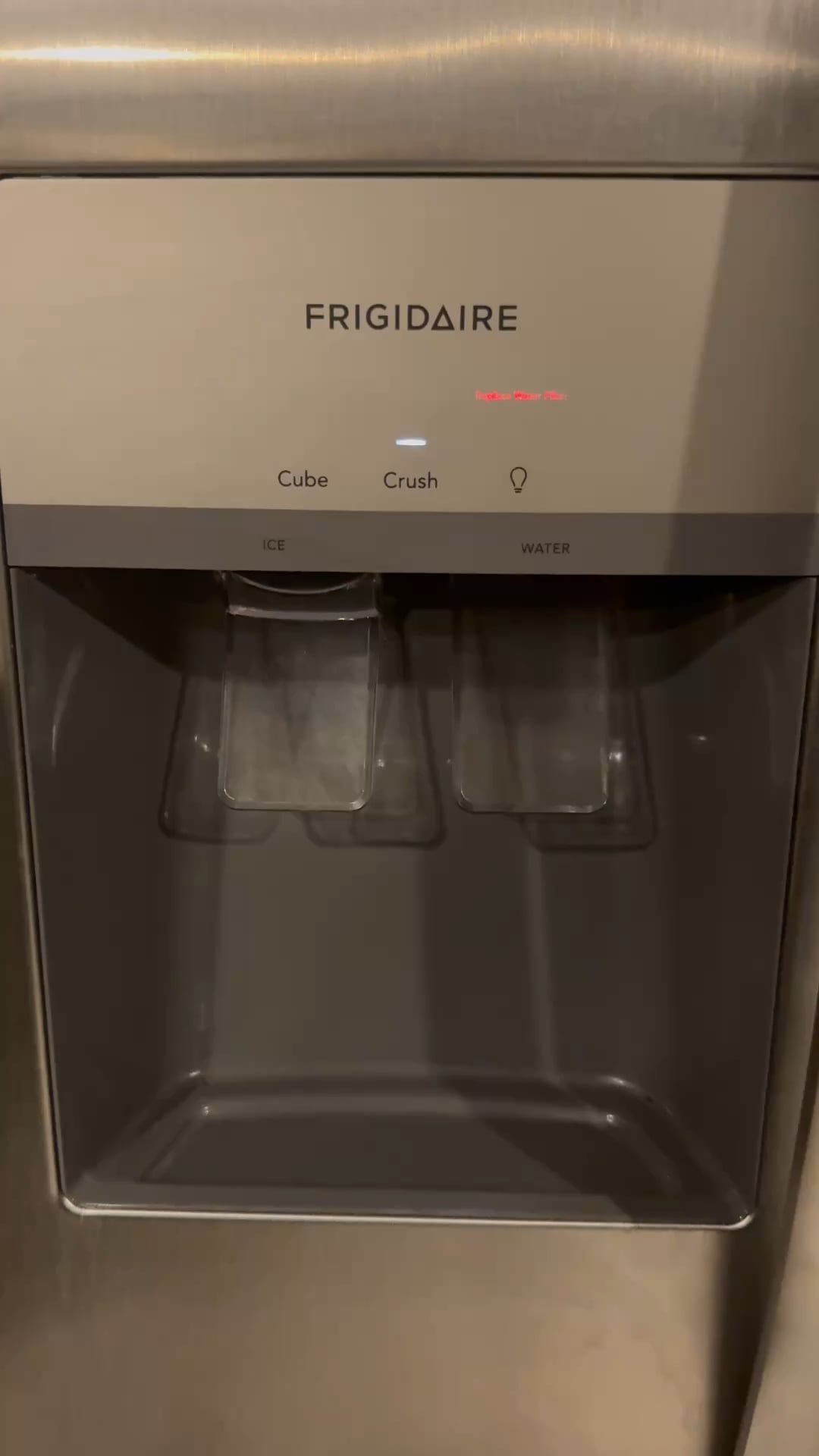
Filter Indicator Lights
Many refrigerators have filter indicator lights. These lights turn on or change color to warn you. The indicator helps track filter life and signals when replacement is needed. Always check your refrigerator’s manual for light meanings.
Recommended Replacement Frequency
Replacing your refrigerator water filter on time keeps your water clean and fresh. The recommended replacement frequency depends on several factors. Following guidelines helps maintain water quality and appliance performance.
Manufacturer Guidelines
Most manufacturers suggest changing the water filter every six months. This timeline ensures the filter works efficiently. Check your refrigerator’s manual for specific instructions. Some models may require replacement more often. Using the correct filter type is important for best results.
Usage And Water Quality Factors
Water usage affects how fast the filter clogs. A household using more water needs more frequent changes. Water quality also plays a big role. Hard water or water with many impurities can shorten filter life. Watch for taste or odor changes as signs to replace the filter sooner.
Health And Safety Considerations
Changing your refrigerator water filter regularly is crucial for health and safety. The filter removes impurities from your drinking water. Over time, these impurities can build up and affect water quality. Ignoring filter changes can lead to health risks and unpleasant taste. Understanding the risks helps you maintain clean and safe water at home.
Contaminant Buildup Risks
Old filters trap dirt, bacteria, and other harmful particles. These contaminants multiply inside the filter. This can cause water to carry germs into your glass. Mold and bacteria growth inside filters are common problems. Drinking contaminated water can lead to stomach issues and infections. Changing the filter stops these risks and keeps water safe.
Impact On Water Quality
A clogged filter reduces water flow and filtration efficiency. The water may taste bad or smell strange. Cloudy or discolored water often means the filter is old. Minerals and chemicals can pass through a worn filter. This lowers the water’s purity and safety. Regular filter replacement ensures fresh, clear, and clean water every time.

Credit: www.sloanappliance.com
How To Change The Filter
Refrigerator water filters usually need changing every six months for clean water. Check your fridge’s manual for exact timing. Changing the filter keeps water fresh and tasting good.
Changing a refrigerator water filter is essential for clean water. It ensures you enjoy fresh-tasting water every day. Learning how to change the filter is simple and can be done quickly. This guide will help you with easy steps to get it done.
Locating The Filter
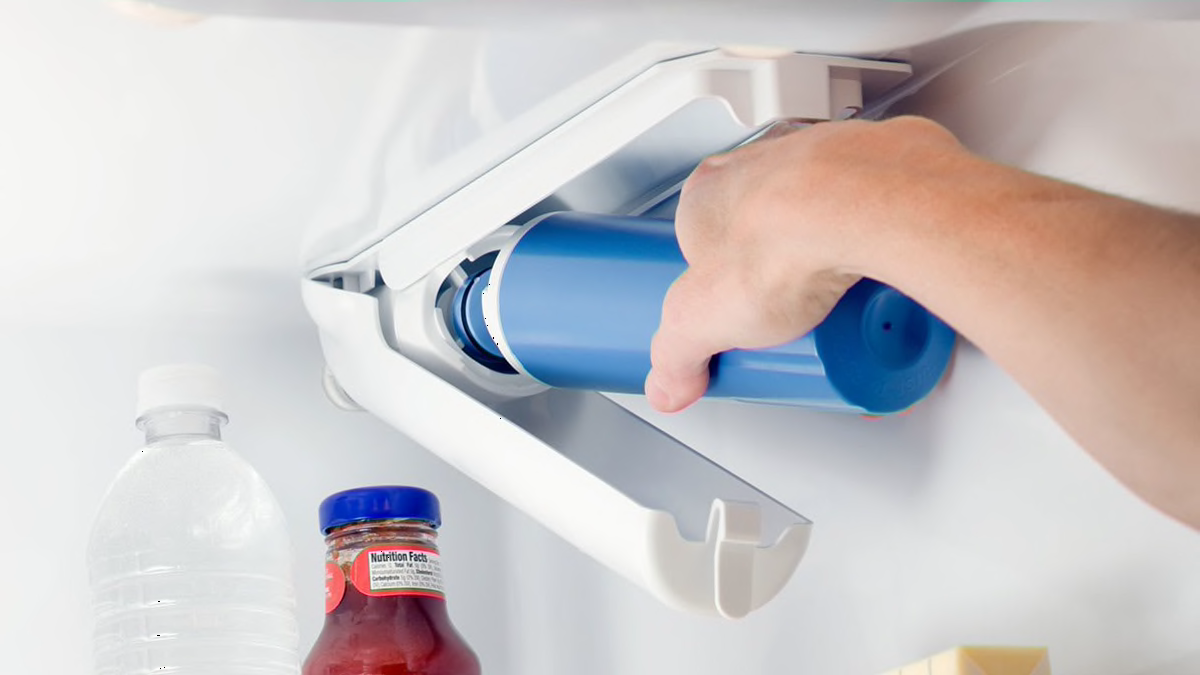
Find the filter inside the refrigerator. It is often in the upper right corner or behind the grille. Some models have it in the base grille or inside the fridge compartment. Check your refrigerator manual if unsure.
Step-by-step Replacement Process
- Turn off the water supply to the refrigerator.
- Twist or unlock the filter, pulling it out gently.
- Take the new filter and remove its protective cap.
- Align the new filter with the compartment.
- Insert the filter and twist it into place.
- Turn the water supply back on.
- Run a few gallons of water through the dispenser.
Resetting The Filter Indicator
Resetting the filter indicator is important. It reminds you when to change it next. Find the reset button on the control panel. Press and hold it for a few seconds. The indicator light should turn off. This means your filter is good to go.
Choosing The Right Replacement Filter
Choosing the right replacement filter for your refrigerator is more important than you might think. It directly impacts the quality of your drinking water and the lifespan of your fridge's filtration system. Making an informed choice ensures you get clean, fresh water without any unexpected issues.
Oem Vs. Third-party Filters
Original Equipment Manufacturer (OEM) filters are made by the same company that built your refrigerator. They usually guarantee perfect fit and compatibility, which means fewer headaches during installation. However, OEM filters often come with a higher price tag.
Third-party filters offer a budget-friendly alternative. Many of them meet or even exceed OEM standards, but quality can vary widely between brands. Have you ever bought a cheaper filter only to find it didn’t fit properly or affected water taste?
To avoid this, check customer reviews and product descriptions carefully before choosing a third-party filter. Remember, a lower price doesn’t always mean better value in the long run.
Filter Certifications And Standards
Certifications can tell you a lot about a filter’s performance and safety. Look for labels from trusted organizations like NSF International or the Water Quality Association (WQA). These certifications prove the filter has been tested for removing contaminants effectively.
Not all filters are certified, so buying one without these marks might mean risking your water quality. Ask yourself: Is saving a few dollars worth compromising your health?
Additionally, some filters target specific contaminants such as chlorine, lead, or bacteria. Knowing what’s in your local water supply helps you pick a filter that addresses your exact needs. Don’t settle for a generic filter if your water requires special treatment.
Credit: www.consumerreports.org
Maintaining Your Refrigerator Water System
Maintaining your refrigerator water system is key to ensuring clean, fresh-tasting water and prolonging the life of your appliance. It’s not just about changing the water filter regularly; paying attention to the entire system helps prevent unexpected issues. Taking a few simple steps can save you from costly repairs and keep your water flowing smoothly.
Regular Cleaning Tips
Keep the water dispenser and ice maker clean by wiping them down weekly with a mild soap solution. Avoid harsh chemicals that can damage the system or leave harmful residues. You should also clean the drip tray and water reservoir, if accessible, to prevent mold and bacterial growth.
Don’t forget to flush the water lines occasionally. Running a few cups of water through the dispenser after replacing the filter helps clear out any trapped debris or air bubbles. This small routine can make a big difference in taste and water flow.
Troubleshooting Common Issues
If you notice a strange taste, slow water flow, or leaking, check your filter first. Sometimes, a clogged or expired filter causes these problems. Replacing the filter as recommended by the manufacturer usually fixes it.
Strange noises coming from the water dispenser or ice maker can also indicate trapped air or mineral buildup. Try resetting the system by unplugging the refrigerator for a few minutes, then plugging it back in. If issues persist, inspecting the water line connections can reveal loose fittings or kinks that restrict flow.
Have you ever ignored a minor water issue only to have it turn into a major repair? Staying attentive to your refrigerator water system today can save you headaches tomorrow. What small step can you take right now to improve your fridge’s water quality?
Frequently Asked Questions
How Often Should I Replace My Refrigerator Water Filter?
Replace your refrigerator water filter every 6 months for optimal performance. This maintains water quality and appliance efficiency. Check your user manual for specific recommendations.
What Happens If I Delay Changing The Water Filter?
Delaying filter replacement reduces water flow and quality. Contaminants can build up, affecting taste and safety. It may also strain the refrigerator’s system.
How Do I Know When To Change The Filter?
Most refrigerators have indicator lights signaling filter replacement. If water tastes odd or flows slowly, it’s time to change it. Regular checks help prevent issues.
Can I Use Any Water Filter For My Refrigerator?
Use filters compatible with your refrigerator model only. Using incorrect filters can cause leaks or poor filtration. Always buy manufacturer-recommended filters for best results.
Conclusion
Changing your refrigerator water filter keeps water fresh and clean. Most filters need replacement every 6 months. Check your filter’s instructions for the best schedule. Clean filters help your fridge work well and last longer. Don’t wait until water tastes bad or flow slows down.
Regular filter changes protect your health and improve water quality. Small steps like this make a big difference at home. Keep track of your filter change dates. Stay safe and enjoy pure, great-tasting water every day.