Are you tired of ending up with soggy or undercooked rice? The secret to perfect rice every time lies in one simple question: how much water do you put in a rice cooker?
Getting this right can transform your meals and save you time in the kitchen. Keep reading, and you’ll discover easy tips that ensure your rice turns out fluffy and delicious—no guesswork needed. Let’s unlock the perfect water-to-rice ratio for your cooker and make every bite count.
Credit: www.tasteofhome.com
Choosing The Right Rice Cooker
Choosing the right rice cooker affects how well your rice cooks and how easy the process is. Different rice cookers suit different needs. Picking one that fits your cooking style and household size makes a big difference. It also helps you measure water correctly for perfect rice every time.
Types Of Rice Cookers
There are three main types of rice cookers. Each type has unique features and water measurement methods.
- Basic rice cookers:These have simple on/off buttons. They cook rice by heating until the water evaporates. Water levels follow the cooker’s markings inside the pot.
- Micom rice cookers:These use microcomputer technology. They adjust cooking time and temperature. Water amounts depend on the rice type and cooker instructions.
- Induction rice cookers:These heat rice evenly using magnetic fields. They offer precise temperature control. Water measurements are critical for best results.
Capacity Considerations
Rice cookers come in different sizes. Size affects how much rice you can cook at once. It also changes the water-to-rice ratio needed.
- Small cookers (3 cups or less) suit singles or couples. They need less water and rice.
- Medium cookers (4-6 cups) fit small families. Adjust water based on rice amount.
- Large cookers (8 cups or more) serve big families or gatherings. Water quantity increases with rice volume.
Choosing the right capacity helps avoid over- or under-cooking rice. Always check the cooker’s water line marks. These guides help you add the perfect water amount for your rice.
Rice Varieties And Water Needs
Understanding the water needs for different rice varieties is key to perfect rice every time you use your rice cooker. Each type of rice absorbs water differently, affecting texture and taste. Getting the water ratio right means avoiding mushy or undercooked rice, saving you time and effort in the kitchen.
White Rice
White rice is the most common variety and usually requires a simple 1:1.5 rice-to-water ratio. That means for every cup of white rice, add 1.5 cups of water. If you prefer firmer rice, reduce the water slightly; for softer rice, add a bit more water.
From personal experience, adjusting the water by just a quarter cup can transform your meal. Have you ever noticed how slightly less water gives you fluffier rice? This small tweak can make a big difference.
Brown Rice
Brown rice retains its bran layer, which makes it chewier and healthier but requires more water to cook. Use about 1 cup of rice to 2 cups of water. It also takes longer to cook, so patience is essential.
One tip: soak brown rice for 30 minutes before cooking to speed up the process and improve texture. Have you tried soaking your brown rice before? It might change how you view this healthy grain.
Jasmine And Basmati Rice
These fragrant rice varieties each have slightly different water needs. Jasmine rice usually cooks well with 1 cup of rice to 1.25 cups of water, producing a soft and sticky texture. Basmati, on the other hand, benefits from 1 cup of rice to 1.5 cups of water for fluffy, separate grains.
When I first cooked basmati rice, I used the jasmine ratio and ended up with clumps. Adjusting water made all the difference. Would you want your basmati rice fluffy or sticky? Your choice guides the water amount.
Sticky Rice
Sticky rice, often used in Asian dishes, requires soaking for several hours before cooking. Use about 1 cup of sticky rice with 1 cup of water, but don’t skip the soaking step—it’s crucial for the texture.
Skipping soaking will leave you with hard grains, which nobody wants. Have you ever tried sticky rice without soaking? It’s a texture lesson worth learning for better results next time.
Water-to-rice Ratios
Understanding the water-to-rice ratio is key to cooking perfect rice every time. Too much water can make your rice mushy, while too little leaves it dry and undercooked. Adjusting this ratio based on rice type and cooking conditions helps you get the texture just right.
Standard Ratios For Different Rice Types
Different kinds of rice need different amounts of water to cook properly. Here’s a simple guide to get you started:
| Rice Type | Water-to-Rice Ratio | Texture Notes |
|---|---|---|
| White Rice (long grain) | 1 cup rice : 1.5 cups water | Fluffy and separate grains |
| Basmati Rice | 1 cup rice : 1.5 cups water | Light and fragrant |
| Jasmine Rice | 1 cup rice : 1.25 cups water | Soft and slightly sticky |
| Brown Rice | 1 cup rice : 2 cups water | Chewy and nutty |
| Sticky Rice | 1 cup rice : 1 cup water | Very sticky and clumpy |
Have you ever tried cooking brown rice with the same water amount as white rice? The difference in texture is huge, proving the importance of these ratios.
Adjusting For Altitude And Humidity
Living in a high-altitude area or a humid climate changes how rice absorbs water. At higher altitudes, water boils at a lower temperature, so you might need to add a bit more water.
Humidity affects rice moisture before cooking. On humid days, rice may absorb more water, so you can reduce the water slightly to avoid sogginess.
- Above 3,000 feet altitude: add 10-15% more water
- In very dry climates: stick to standard ratios
- In very humid climates: reduce water by about 10%
Next time you cook rice, consider where you are and what the weather is like. Adjusting your water-to-rice ratio can transform your meal from disappointing to delicious.
Measuring Rice And Water Accurately
Getting the right balance of rice and water is key to perfect rice every time. Measuring accurately helps you avoid undercooked or mushy rice. It also saves you from wasting ingredients and ensures consistency, especially if you cook rice often.
Using The Rice Cooker’s Measuring Cup
Most rice cookers come with a small plastic measuring cup designed specifically for that cooker. This cup usually holds about 180 ml, which is less than a standard US cup. Using this cup helps maintain the water-to-rice ratio recommended by the cooker’s manufacturer.
Check the instructions that came with your rice cooker to see how much water to add per cup of rice using this measuring cup. If you don’t have the manual, a simple rule is to add water up to the corresponding line inside the cooker pot. This method makes measuring quick and straightforward.
Using Standard Measuring Cups
If you don’t have the rice cooker’s cup, a standard measuring cup works too. One standard cup equals 240 ml, so you’ll need to adjust the water amount accordingly. For example, if the recipe calls for 1 rice cooker cup, use about ¾ of a standard cup of rice.
Measuring water with a standard cup is easier to track, especially if you’re used to cooking with standard kitchen tools. Keep in mind to always measure the rice first, then add water based on the type of rice and your cooker’s guidelines. Different rice types absorb water differently, so you might need to experiment a little.
Leveling Rice For Consistency
Before measuring water, make sure the rice is leveled in the cup. Use the back of a spoon to gently level off the rice instead of packing it down. This ensures you’re using the same amount of rice every time.
Uneven rice measurements can lead to inconsistent cooking results. Have you ever noticed some grains are undercooked while others are mushy? That often happens because the rice wasn’t measured evenly. Leveling your rice makes your cooking more predictable and satisfying.
Tips For Perfect Rice Texture
Achieving perfect rice texture requires the right water-to-rice ratio. Generally, use one part rice to two parts water in a rice cooker. Adjust the water slightly for different types of rice for optimal results.
Cooking rice to perfection is an art, and getting the right texture is key to creating a delightful dish. Many factors contribute to this, including the amount of water, the type of rice, and the cooking method. Here are some practical tips to help you achieve that perfect fluffy or sticky rice texture every time.
Rinsing Rice Before Cooking
Rinsing rice is an essential step that can make a significant difference in texture. By rinsing your rice, you wash away excess starch that can make the grains stick together. Simply place your rice in a bowl and add water. Swirl the rice around with your fingers, then drain. Repeat this process until the water runs clear. This simple step can transform the texture of your rice from clumpy to light and separated.
Soaking Rice
Soaking rice might seem like an extra step, but it can vastly improve texture, especially for certain types of rice like basmati or jasmine. Soaking allows the grains to absorb water, reducing the cooking time and ensuring even cooking. For instance, soak your rice for about 30 minutes before cooking. This can lead to grains that are tender yet firm, providing the perfect bite. Have you ever skipped soaking and found your rice unevenly cooked? Try soaking next time and notice the difference.
Resting Time After Cooking
Letting your rice rest after cooking is a golden rule. Once the cooking cycle is complete, leave the rice in the cooker with the lid on for about 10 minutes. This resting period allows the moisture to redistribute evenly throughout the rice, enhancing its texture. You might be tempted to dig in right away, but patience pays off. The result is rice that is uniformly fluffy and delicious. Have you ever noticed how your favorite rice dishes from a restaurant have that perfect texture? Chances are, they let their rice rest too. Incorporating these tips into your rice cooking routine can elevate your meals and impress your family or guests. Which tip are you excited to try first?
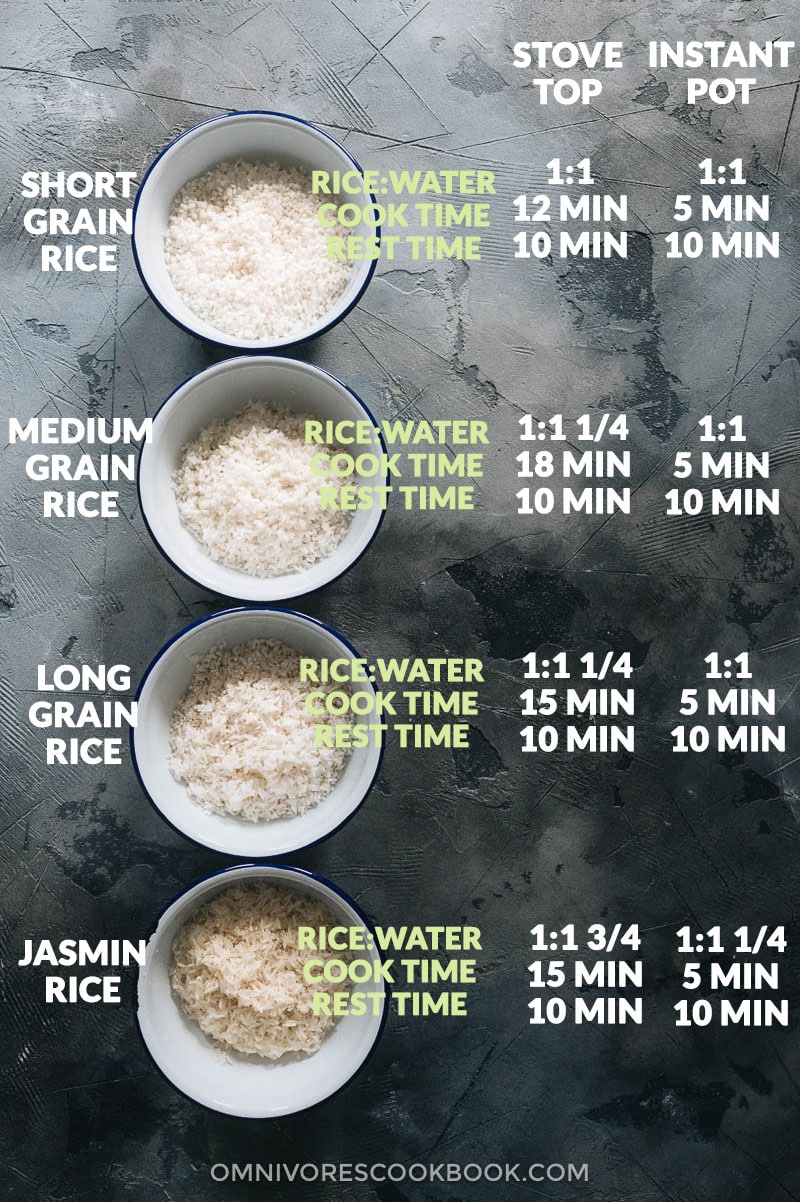
Credit: omnivorescookbook.com
Common Mistakes To Avoid
Getting the water amount right in your rice cooker is crucial for perfect rice. But even with clear instructions, some common mistakes can throw off your results. Avoiding these errors will save you from soggy or undercooked rice and improve your cooking experience.
Adding Too Much Water
It’s tempting to add extra water, thinking it’ll make the rice softer. Too much water, however, makes your rice mushy and sticky. If you’ve ever ended up with a clumpy mess instead of fluffy rice, this might be why.
Try measuring water carefully using the rice cooker’s markings or a standard measuring cup. Remember, different types of rice need different water amounts—don’t rely on one-size-fits-all rules.
Skipping The Rinse
Rinsing rice before cooking removes excess starch that causes stickiness. Skipping this step often leads to rice clumping together more than you want. You might think it’s an extra chore, but rinsing can make a noticeable difference in texture.
Rinse your rice in cold water until the water runs clear. This simple step helps your rice stay fluffy and separate after cooking.
Opening The Lid Too Soon
Waiting for the rice cooker’s cycle to finish fully is key. Opening the lid too early lets steam escape, which can affect cooking time and texture. If you’ve ever been impatient and peeked, you might’ve noticed your rice turning out dry or unevenly cooked.
Resist the urge to check until the rice cooker signals it’s done. The rice needs that sealed environment to cook evenly and absorb the water properly.
Adjusting Water For Special Recipes
Adjusting water in a rice cooker depends on the type of dish you want to make. Different recipes need different textures. Some require firmer rice, while others need softer or stickier rice. Understanding how much water to add can improve the final result of your dish.
Special recipes like sushi, fried rice, or rice in soups need specific water amounts. The right water ratio affects taste and texture. It also helps the rice cook evenly without being too wet or dry. Follow these tips for better cooking results.
Rice For Sushi
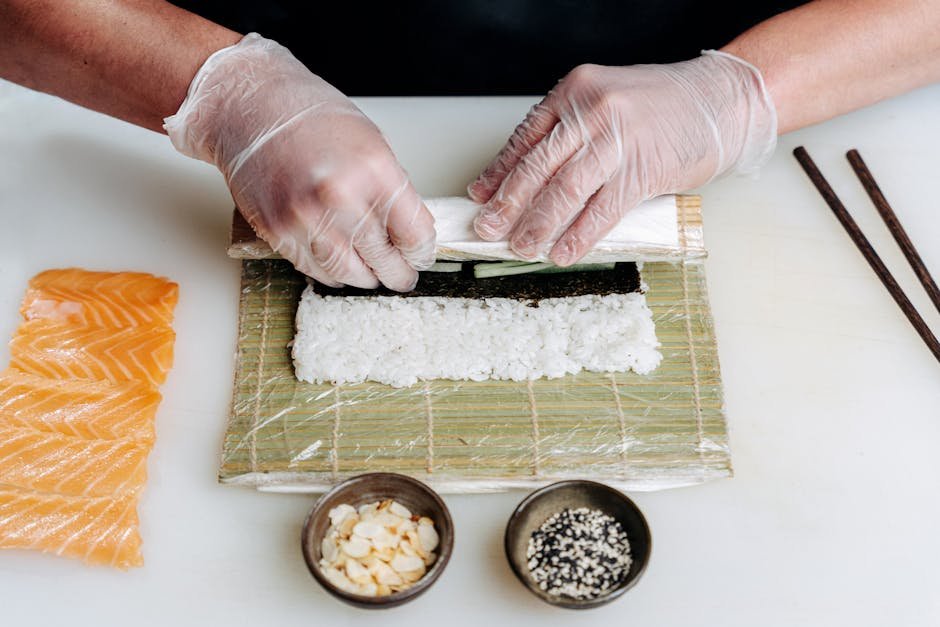
Sushi rice should be sticky but not mushy. Use slightly less water than usual to keep the grains firm. A good rule is to use 10% less water than the standard amount. For example, if you normally use 1 cup of rice with 1 cup of water, use ¾ to ⅞ cup of water instead.
Rice For Fried Rice
Fried rice works best with drier, separate grains. Use less water than usual to avoid soggy rice. Cook the rice with about 20% less water than normal. Let the rice cool before frying to improve texture. This helps the grains stay fluffy and not clump together.
Rice In Soups Or Porridge
Rice in soups or porridge needs more water. The goal is soft, almost creamy rice. Use at least double the normal water amount. For porridge, use 3 to 4 times more water. Stir occasionally during cooking to prevent sticking. This method creates a smooth, comforting texture perfect for soups and porridge.
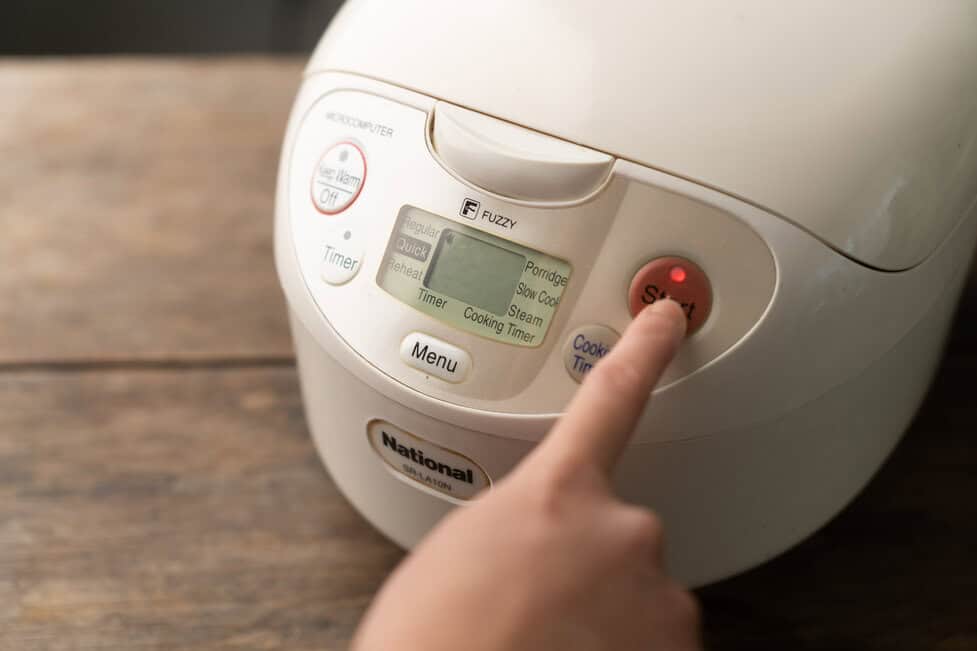
Credit: www.hungryhuy.com
Frequently Asked Questions
How Much Water For 1 Cup Of Rice In A Rice Cooker?
Use 1 to 1. 5 cups of water for every 1 cup of rice. The exact amount depends on rice type. Adjust water slightly for softer or firmer rice.
Can I Use Less Water For Firmer Rice?
Yes, reduce water by about 10-20% for firmer rice. Less water results in drier, chewier grains. Experiment to find your preferred texture.
Does Rice Cooker Brand Affect Water Amount?
Yes, different brands and models may require slight water adjustments. Always check your rice cooker’s manual for specific water guidelines to achieve the best results.
How To Measure Water Accurately For Rice Cooker?
Use the measuring cup that comes with the cooker or a standard measuring cup. Level the water to the recommended line or ratio for best results.
Conclusion
Getting the water amount right makes cooking rice easy and tasty. Use the right water-to-rice ratio for soft, fluffy results. Different rice types need different water levels. Always check your rice cooker’s guide for best results. Practice helps you find what works for your taste.
Cooking rice perfectly saves time and avoids waste. Enjoy simple, delicious rice every time you cook. Keep it simple, and your rice will turn out great.