As an Amazon Associate I earn from qualifying purchases.
Are you tired of ending up with mushy or undercooked rice every time you use your rice cooker? You’re not alone.
One simple question can make all the difference: How much water do you put in your rice cooker? Getting this just right means perfectly cooked rice every time, without the guesswork. You’ll discover the exact water-to-rice ratio you need, tips for different types of rice, and tricks to make your meals better than ever.
Keep reading, and you’ll never worry about your rice cooker again.
Credit: www.hungryhuy.com
Choosing The Right Rice
Choosing the right rice is key to cooking perfect rice in a rice cooker. Different rice types absorb water differently. This affects how much water you add to the cooker. Knowing your rice type helps avoid mushy or dry rice.
Types Of Rice
Rice comes in many varieties. Each has a unique texture and water need.
- White rice:Common and quick to cook. It needs less water.
- Brown rice:Has a tough outer layer. It needs more water and longer cooking.
- Jasmine rice:Fragrant and soft. Usually needs slightly more water than white rice.
- Basmati rice:Long grain and fluffy. Requires less water for a drier texture.
- Sticky rice:Very sticky when cooked. Needs just enough water to soften.
Impact On Water Amount
Water amount changes with rice type. Brown rice soaks up more water than white rice. It needs about 1.5 to 2 cups of water per cup of rice.
White rice often uses a 1:1 water-to-rice ratio. Jasmine rice needs a bit more water for softness. Basmati rice works well with less water to keep grains separate.
Sticky rice needs just enough water to become tender but sticky. Adjust water based on rice texture and cooker instructions.
Water To Rice Ratios
Water to rice ratios are key to cooking perfect rice in a rice cooker. The right amount of water makes rice fluffy and soft. Too much water turns rice mushy. Too little makes it dry and hard. Each type of rice needs a different water amount. Understanding these ratios helps get the best texture every time.
Standard Measurements
For most white rice, use one cup of rice to one and a half cups of water. This ratio works well for long-grain and medium-grain white rice varieties. Brown rice needs more water because it is less processed. Use one cup of brown rice to two cups of water. Rinse rice before cooking to remove excess starch. It helps prevent rice from sticking together.
| Rice Type | Rice (cups) | Water (cups) |
|---|---|---|
| White Rice | 1 | 1.5 |
| Brown Rice | 1 | 2 |
| Jasmine Rice | 1 | 1.25 |
| Basmati Rice | 1 | 1.5 |
Adjusting For Different Rice
Sticky rice needs less water than regular white rice. Use one cup of sticky rice with one cup of water. Sushi rice usually requires a bit more water than plain white rice. Try one cup rice with one and two-thirds cups water. Wild rice is tougher and needs more water and longer cooking. Use one cup of wild rice with three cups of water. Always check the rice cooker's instructions for specific advice.
Measuring Water Accurately
Measuring water accurately is key to cooking perfect rice every time. Too much water makes rice mushy. Too little leaves it dry and hard. Small differences can change the texture and taste.
Precise water measurement helps you control the cooking process. It ensures rice cooks evenly and absorbs just enough moisture. Using the right amount prevents wasted ingredients and frustration.
Using Measuring Cups
Measuring cups provide a simple way to add water. Use the cup that comes with your rice cooker for best results. These cups usually hold about 180 ml, not the standard 240 ml. If the original is missing, choose a 180 mL measuring cup made for your cooker; many included cups are smaller than a standard US cup.
Follow the rice cooker’s instructions for water-to-rice ratios. For example, if you use two cups of rice, add the recommended number of cups of water. This method is reliable and consistent.
Keep the measuring cup level and fill water slowly. Check the surface to avoid spills. Consistency in measurement helps produce fluffy rice every time.
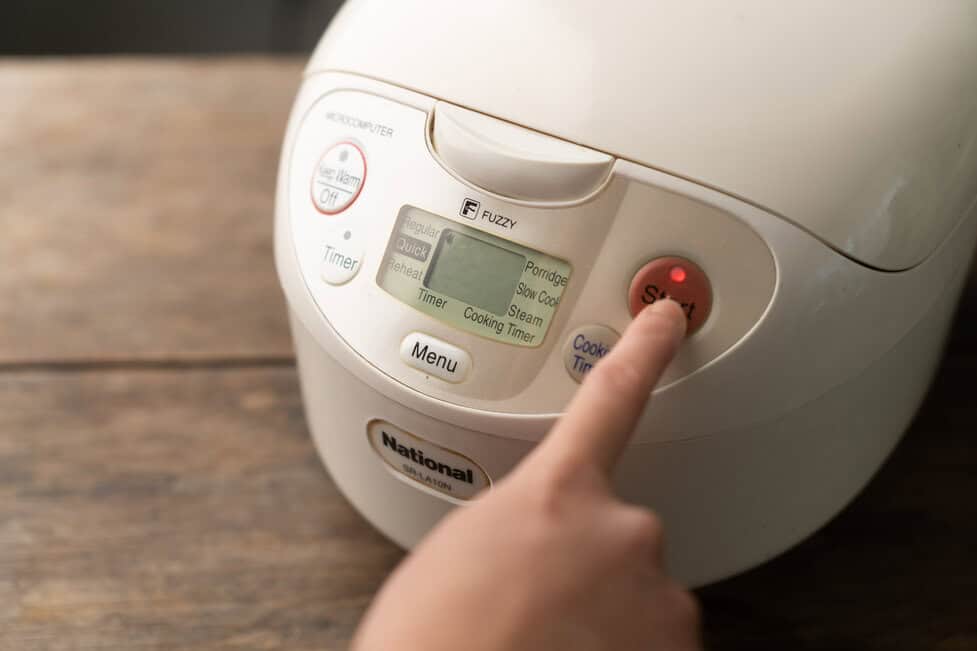
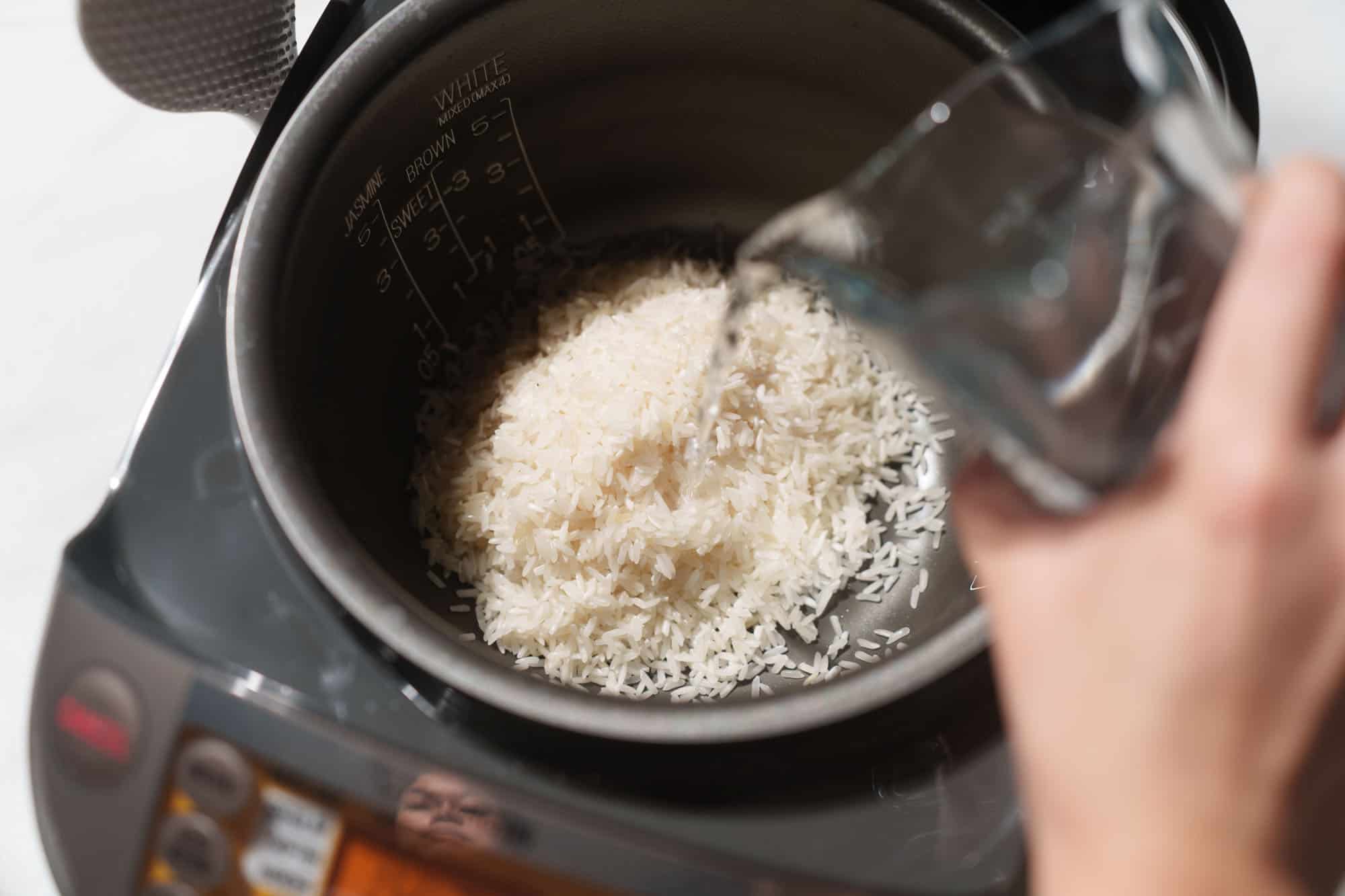
Using Rice Cooker Markings
Many rice cookers have water level lines inside the pot. These markings show how much water to add based on the amount of rice. This method removes guesswork and saves time.
Measure rice first and then add water to the correct line. The lines often indicate the number of cups of rice. Fill water up to the matching line for precise cooking.
This method works well for different types of rice. It adapts easily to cooking small or large portions. Just make sure to rinse rice before measuring for best results.
Credit: www.hungryhuy.com
Tips For Perfect Cooking
Getting the water amount right is just one part of cooking perfect rice in your rice cooker. How you prepare and finish the rice can make a huge difference in texture and flavor. These tips will help you get the most out of your rice cooker and avoid common pitfalls.
Rinsing Rice Before Cooking
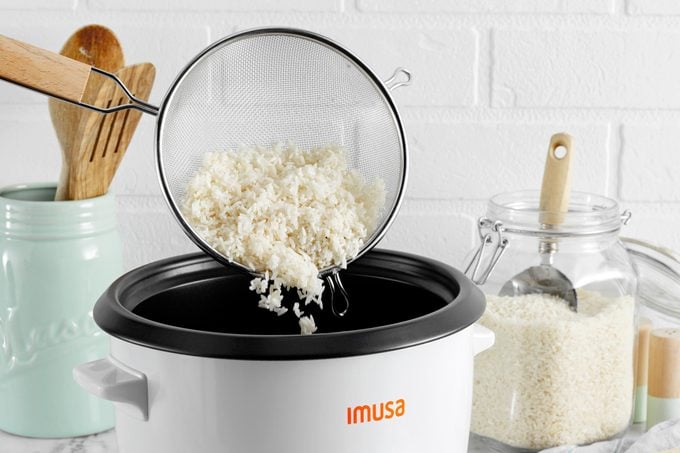
Rinsing rice is more than just cleaning it. It removes excess starch that can make the rice sticky or gummy. Try rinsing your rice under cold water until the water runs clear. A fine-mesh rice strainer keeps small grains from slipping through.
This simple step changed my rice game completely. I used to skip rinsing and ended up with clumpy rice every time. After I started rinsing, my rice turned out fluffier and separated perfectly.
Do you usually rinse your rice? If not, give it a try and notice the texture difference.
Letting Rice Rest After Cooking
Once your rice cooker switches off, don’t rush to open the lid. Let the rice rest inside for 10 to 15 minutes. This allows the steam to finish cooking the rice evenly.
In my experience, resting rice makes it fluffier and less sticky. It gives the grains time to firm up, so they don’t break apart when you scoop them out. A rice paddle serves rice without scratching a coated inner pot.
Try keeping the lid closed after cooking next time. You might find the texture improves more than you expected.
Troubleshooting Common Issues
Water amount affects rice texture and cooker performance. Too little water leaves rice dry; too much makes it mushy. Adjust water based on rice type and cooker instructions for best results.
When using a rice cooker, sometimes things don't go as planned. Common issues can arise with rice texture, often leaving you puzzled. Understanding the right water-to-rice ratio is key. But even with the right ratio, problems can occur. Let's explore some common issues and their solutions.
Rice Too Wet Or Mushy
If your rice is too wet, excess water is the culprit. Use less water next time. For now, try draining excess water if it's not fully absorbed. Let the rice sit uncovered for a few minutes. This helps evaporate some moisture. Stir gently to release steam.
Rice Too Dry Or Hard
Dry rice means not enough water was used. To fix this, add a small amount of water. Cover and let the rice steam for a few more minutes. Be careful not to add too much water. You want just enough to soften the grains. Stir and check if the texture improves.
Special Considerations
Special care is needed when cooking rice beyond the basic white variety. Different rice types and added ingredients change how much water the rice cooker needs. Adjusting water amounts ensures the rice cooks evenly and tastes great.
Cooking Brown And Wild Rice
Brown and wild rice need more water than white rice. Their outer layers are tougher and need extra moisture to soften. Use about 1.5 to 2 cups of water for every cup of brown or wild rice. Cooking time is also longer, so expect the rice cooker to run for a bit more time.
Check your rice cooker’s manual for specific settings if available. Some models have a special brown rice mode. For a cooker with a dedicated brown-rice setting, compare the Zojirushi NS-TSC10 Micom rice cooker and check its manual for the correct ratio. This setting adjusts heat and cooking time automatically, helping the rice cook perfectly.
Cooking Rice With Added Ingredients
Adding ingredients like vegetables, beans, or meat affects water needs. These ingredients release moisture, so reduce the water slightly. About 10-15% less water than usual works well in most cases.
For example, if the recipe calls for 2 cups of water, use around 1.7 to 1.8 cups. Stir ingredients evenly before cooking. This helps the rice absorb water and flavors evenly.
Credit: www.tasteofhome.com
Frequently Asked Questions
How Much Water For 1 Cup Of Rice In Rice Cooker?
Use 1 to 1. 25 cups of water for 1 cup of rice. Adjust slightly for rice type and personal texture preference. Always check your rice cooker's manual for best results.
Does Rice Cooker Water Ratio Change By Rice Type?
Yes, water ratios vary by rice type. For example, brown rice needs more water than white rice. Refer to specific guidelines for each rice variety for perfect cooking.
Can I Use Tap Water For Rice Cooker?
Yes, you can use tap water in a rice cooker. Make sure the water is clean and safe to drink. Filtered water may improve rice taste and texture.
What Happens If I Add Too Much Water?
Too much water makes rice mushy and sticky. It can also cause the rice cooker to overflow. Use recommended water amounts for ideal texture.
Conclusion
Getting the water amount right makes cooking rice easier. Use the right water level for soft, fluffy rice every time. Too little water leaves rice hard; too much makes it mushy. Follow your rice cooker’s instructions and adjust for rice type.
Practice helps you learn the perfect balance. Enjoy tasty rice with simple steps and patience. Cooking rice does not have to be hard. Just measure water carefully and watch your rice cooker work well. Simple tips lead to better meals and happy dinners.