Are you wondering how much you can get by scrapping your old refrigerator? You’re not alone.
Many people have bulky fridges taking up space, unsure if it’s worth the effort to scrap them. But what if you could turn that old appliance into some extra cash? You’ll discover exactly how much your refrigerator is worth as scrap, what affects its price, and the best way to get the most money back.
Keep reading to find out how to make scrapping your fridge a smart and simple way to earn some quick cash.
Factors Affecting Refrigerator Scrap Value
Understanding the factors that affect the scrap value of your refrigerator can help you get the best price when you decide to sell or recycle it. Various elements come into play, from the materials inside to the appliance’s condition. Knowing these details lets you make informed choices and avoid leaving money on the table.
Metal Composition
The type of metals inside your refrigerator largely determines its scrap value. Most refrigerators contain steel, aluminum, and copper. Copper, especially found in the wiring and coils, is more valuable than steel.
Have you ever noticed the copper coils at the back of your fridge? That copper can fetch a higher price at scrap yards than the steel frame. The better you separate these metals, the more money you can make.
Weight And Size
Scrap yards usually pay based on weight. Larger refrigerators typically have more metal, which means higher scrap value. However, bigger size also means you need proper transport, which might affect your net gain.
Think about your last bulky appliance pick-up—did it cost you extra? Balancing the weight against transport costs can change how much you actually earn from scrapping your fridge.
Condition And Age
The fridge’s condition influences how scrap dealers price it. A refrigerator in good shape with intact components is easier to dismantle and recycle, which can boost its value. Older models might have less valuable metals and could be harder to process.
Have you ever tried to scrap something rusty and broken? It often fetches less because of the extra effort needed to handle it. Keep your appliance clean and intact to get better offers.
Current Market Prices
Scrap metal prices fluctuate with market demand and supply. Copper prices, for example, can vary widely month to month. Checking current rates before scrapping helps you decide the best time to sell.
Do you track metal prices like stocks? Even a small increase can mean more cash in your pocket. Use online tools or call local scrap yards to get up-to-date pricing before you make a move.

Credit: dir.indiamart.com
Refrigerator Parts Worth Scrapping
Knowing which refrigerator parts hold real value can change how much you get when scrapping your old appliance. Not every piece inside is worth your effort, but some components can bring in surprising returns if you extract them properly. Understanding what to look for helps you decide if it's worth dismantling your fridge yourself or leaving it to the pros.
Copper Wiring
Copper wiring inside refrigerators is one of the most valuable scrap materials. It’s found in coils and electrical connections, and its high conductivity makes it precious in the recycling market.
Removing copper wiring carefully can increase your scrap payout significantly. Just be cautious not to damage it, as intact wires fetch better prices.
Compressor Units
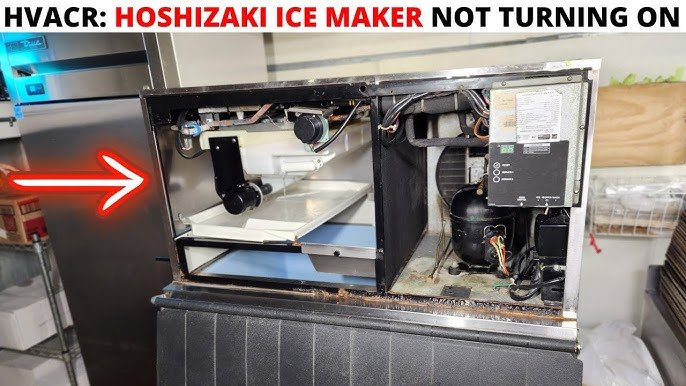
The compressor is the heart of the refrigerator, and it contains metals like copper and steel. Scrap yards often pay well for compressors because they contain recoverable metals and can sometimes be refurbished.
If you can safely remove the compressor, you might earn more than scrapping the fridge as a whole. However, compressors can be heavy and tricky, so consider your tools and safety first.
Aluminum Components
Aluminum parts, such as fins and some internal panels, can add to your scrap value. Although aluminum is less valuable than copper, it’s lighter and easier to handle.
Separating aluminum parts cleanly from other materials helps you get a better price. Keep an eye out for aluminum in condenser coils or trim pieces.
Steel Shell
The outer shell of your refrigerator is mostly steel, which is common in scrap yards. While steel prices are generally lower than copper or aluminum, the large volume can still add up.
Removing the steel shell separately allows you to sort metals and sell them by type, which can maximize your earnings. Plus, steel is easy to transport and recycle.
Where To Scrap A Refrigerator
Finding the right place to scrap your refrigerator can save you time and potentially put some money back in your pocket. Knowing where to take your old appliance ensures it is handled safely and recycled properly. Here are some practical options to consider when deciding where to scrap your refrigerator.
Local Scrap Yards
Local scrap yards often accept refrigerators and pay based on the weight and metal content. You can call ahead to check if they take appliances and ask about their current rates. Many scrap yards also handle the removal of hazardous materials like refrigerants, which makes the process safer for you.
Visiting a nearby scrap yard can be quick and convenient. Some yards even offer pickup services if you have a large appliance. Have you checked if a scrap yard near you offers bonus payments for certain metals?
Recycling Centers
Recycling centers specialize in processing appliances in an eco-friendly way. They often separate the metals, plastics, and harmful chemicals for proper disposal. This option is great if you want to ensure your refrigerator is recycled responsibly.
Many recycling centers accept refrigerators free of charge, but some may require a small fee. It’s worth calling in advance to confirm their policies. How important is eco-friendly disposal to you when scrapping appliances?
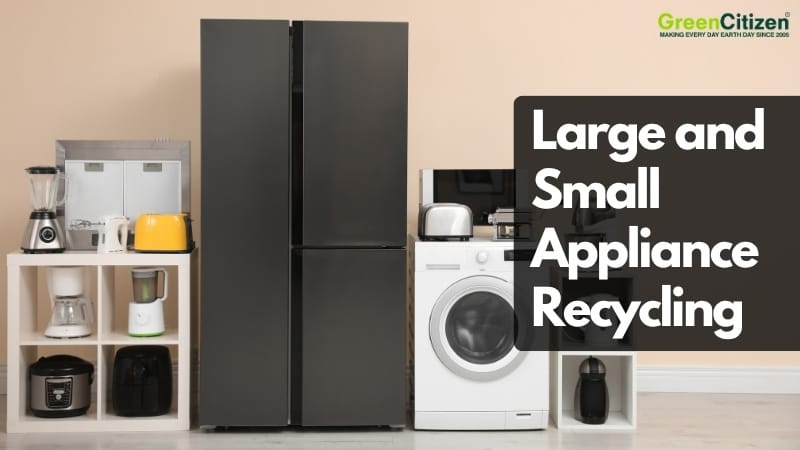
Specialized Appliance Recyclers
Specialized appliance recyclers focus solely on appliances and offer expert handling. They safely remove refrigerants and recover valuable parts for reuse. These recyclers may provide you with better compensation than general scrap yards.
Using a specialized recycler can be a smart choice if you want a hassle-free experience. Some also offer pickup services, saving you the effort of transporting a heavy fridge. Have you considered the benefits of working with a recycler who knows appliances inside and out?
Credit: greencitizen.com
How To Prepare A Refrigerator For Scrapping
Preparing a refrigerator for scrapping requires careful steps to ensure safety and efficiency. Proper preparation helps avoid hazards and makes the scrapping process smoother. Follow these guidelines to get your fridge ready for recycling or disposal.
Safe Removal Of Components
Remove all removable parts before scrapping the fridge. Take out shelves, drawers, and door seals. Disconnect electrical components carefully to avoid damage. Use gloves to protect your hands from sharp edges. Make sure the fridge is unplugged and completely powered off.
Cleaning And Draining Fluids
Empty the fridge of all food and debris. Clean the inside with mild soap and water to prevent odors. Drain any remaining fluids, such as water from the defrost tray. Refrigerants must be handled by professionals to avoid environmental harm. Do not attempt to release refrigerant gases yourself.
Transportation Tips
Secure the fridge doors using tape or straps to keep them closed during transport. Protect the fridge from scratches by wrapping it with blankets or padding. Use a dolly or hand truck to move the fridge safely. Plan the route to avoid obstacles and reduce risks of injury or damage.
Maximizing Profit From Refrigerator Scrap
Scrapping a refrigerator can bring in more cash than you might expect if you approach it smartly. Understanding the right strategies can help you boost your earnings without extra effort. Let’s look at some practical ways to maximize profit from your refrigerator scrap.
Negotiating Prices
Don’t accept the first offer you get from scrap dealers. Prices can vary widely based on the dealer’s demand and current metal rates.
Try to gather quotes from multiple scrap yards. Use these quotes as leverage to negotiate a better price.
Remember, a confident and polite attitude often goes a long way in negotiation. Have you ever asked for a higher price and succeeded? That small effort can add up significantly.
Timing Your Sale
Metal prices fluctuate daily. Knowing when to sell your refrigerator scrap can increase your payout.
Keep an eye on the market trends for metals like copper and steel, which are common in refrigerators.
Sometimes waiting a week or two for a price spike can be worth it. Would you hold off for a better price if you knew it could mean extra cash?
Bundling With Other Scrap
Combining your refrigerator scrap with other metal items can improve your bargaining power.
Dealers prefer larger loads since it saves them time and effort. Bringing in a bundle of scrap can sometimes unlock higher rates per pound.
Gather old appliances, pipes, or metal scraps around your home to create a bundle. Could this simple step turn your small collection into a bigger payday?

Credit: www.kijiji.ca
Environmental Benefits Of Recycling Refrigerators
Recycling your old refrigerator offers more than just clearing out space—it makes a real difference for the environment. Instead of letting harmful materials linger in landfills or wasting valuable resources, recycling puts those materials back to good use. Have you ever thought about how much impact your decision to recycle can have on the planet?
Reducing Landfill Waste
Old refrigerators contain hazardous substances like refrigerants and oils that can leak into the soil and water if dumped in landfills. Recycling keeps these harmful chemicals out of the environment, protecting ecosystems and communities.
By scrapping your fridge properly, you help reduce the massive piles of bulky waste that take decades to break down. Imagine how much cleaner your neighborhood could be if more people chose to recycle instead of tossing appliances into the trash.
Conserving Natural Resources
Refrigerators are made of valuable materials such as steel, aluminum, and copper. When you recycle, these materials get recovered and reused, cutting down the need to mine new metals.
This saves forests, water, and energy that would otherwise be spent extracting raw materials. Think about the natural resources you protect simply by choosing to scrap your fridge responsibly.
Lowering Energy Consumption
Manufacturing new refrigerators from raw materials uses a lot more energy compared to making them from recycled parts. Recycling reduces the demand for energy-intensive production processes.
Less energy means fewer greenhouse gas emissions, which helps combat climate change. Could this small step of recycling your old fridge be part of a bigger solution to reduce your carbon footprint?
Common Mistakes To Avoid
Scrapping a refrigerator can save money and help the environment. Many people make common mistakes that reduce the value or cause harm. Avoiding these errors is important for a smooth process. Careful actions protect your safety and increase your profits.
Ignoring Safety Precautions
Refrigerators contain chemicals and sharp parts. Handling them without care can cause injuries. Always unplug the appliance before scrapping. Wear gloves to protect your hands from cuts and chemicals. Avoid breaking sealed components like the compressor. Follow local rules for disposing of hazardous materials.
Overlooking Valuable Parts
Many parts inside a fridge have value. Copper coils, compressors, and certain metals can be sold separately. Removing these parts properly can increase your earnings. Check for reusable components like fans or motors. Do not throw away items that scrap buyers might want.
Choosing The Wrong Buyer
Not all scrap buyers offer fair prices. Some buyers pay low rates or add hidden fees. Research local scrap yards and compare offers. Look for buyers with good reviews and clear pricing. A trustworthy buyer ensures a better deal and honest service.
Frequently Asked Questions
How Much Do Scrap Yards Pay For Refrigerators?
Scrap yards pay between $10 and $50 for old refrigerators. The price depends on the fridge's weight, condition, and metal content. Larger, heavier models fetch higher prices. Always call local scrap yards for exact rates before selling your refrigerator.
What Affects The Price To Scrap A Refrigerator?
The refrigerator's weight, metal type, and market scrap prices affect its value. Copper coils and steel parts add to the worth. Condition and location also influence the payout. Prices fluctuate with scrap metal demand and recycling facility policies.
Can I Get Paid To Recycle My Old Refrigerator?
Yes, many scrap yards and recycling centers pay for old refrigerators. Payments depend on metal content and appliance condition. Some areas offer pickup services for free or a fee. Always check local programs to maximize your recycling earnings.
Is It Profitable To Scrap A Refrigerator?
Scrapping a refrigerator can yield $10 to $50, which offsets disposal costs. Profitability depends on metal prices and fridge weight. While not highly lucrative, recycling helps the environment and reduces landfill waste.
Conclusion
Scrapping a refrigerator can save space and earn some cash. Prices depend on location, model, and metal value. Always check local scrap yards for current rates. Removing harmful parts properly helps the environment. Preparing your fridge before scrapping speeds up the process.
Knowing how much you can get makes the choice easier. Stay safe and follow rules when disposing of appliances. Small efforts can bring good rewards. Keep these tips in mind to scrap smart and simple.