Are you tired of ending up with rice that’s too mushy or too dry? Getting the right rice-to-water ratio can make all the difference in your cooking.
Whether you’re a beginner or just looking to perfect your rice cooker skills, knowing exactly how much water to add will help you cook fluffy, delicious rice every time. Keep reading to discover simple tips and tricks that will transform your rice cooker results and make mealtime easier and tastier.
Credit: www.hungryhuy.com
Choosing Rice Types
Choosing the right type of rice affects the water amount needed for cooking. Different rice types absorb water differently. Understanding these differences helps cook perfect rice in a rice cooker every time.
White Rice
White rice is the most common type used in rice cookers. It cooks quickly and has a soft texture. The usual water ratio is 1 cup of rice to 1.5 cups of water. This ratio makes the rice fluffy and not sticky.
Brown Rice
Brown rice contains the bran layer, making it healthier but harder to cook. It needs more water and longer cooking time. Use 1 cup of brown rice with 2 cups of water. This helps soften the grains and cook them evenly.
Jasmine And Basmati
Jasmine and basmati are fragrant long-grain rice types. They cook differently from regular white rice. Use 1 cup of rice with 1.25 cups of water. This keeps the grains separate and light, highlighting their natural aroma.
Basic Rice To Water Ratios
Getting the rice to water ratio right is key to perfectly cooked rice in your rice cooker. Too much water turns it mushy, too little leaves it dry and undercooked. Understanding the basic ratios for different types of rice helps you avoid those common mistakes and enjoy fluffy, delicious rice every time.
Standard White Rice Ratio
For most white rice varieties, the simple rule is 1 cup of rice to 1.5 cups of water. This ratio works well for long-grain and medium-grain white rice. I learned this the hard way when my first batch came out soggy—adjusting to this ratio saved my next pot.
If you like your rice a bit firmer, reduce water slightly to 1.25 cups. For softer, stick to 1.75 cups. Your rice cooker might vary, so try these ratios and tweak based on your taste.
Brown Rice Adjustments
Brown rice needs more water because of its fibrous bran layer. Typically, use 1 cup of brown rice to 2 cups of water. This extra water helps soften the grains properly without burning or drying out.
Don’t rush cooking brown rice. It takes longer to absorb water, so your rice cooker might take additional time. Have you noticed your brown rice always comes out chewy? Try adding a little more water next time.
Specialty Rice Variations
Different specialty rices like jasmine, basmati, or sushi rice need specific water amounts. Jasmine rice usually uses 1 cup rice to 1.25 cups water for fluffy, separate grains. Basmati requires about 1 cup to 1.5 cups water but benefits from rinsing before cooking.
Sushi rice is stickier, so use 1 cup rice to 1.3 cups water and rinse thoroughly to remove excess starch. Each variety demands small tweaks in water and preparation to get the texture right. Which specialty rice do you cook most often? Experiment with water ratios to find your perfect balance.
Factors Affecting Water Amount
Understanding the right water amount for cooking rice is not always straightforward. Several factors influence how much water the rice absorbs. These factors change the texture and cooking time. Adjusting water based on these can improve your rice quality.
Rice Freshness
Fresh rice needs less water than older rice. Over time, rice grains lose moisture. Drier rice absorbs more water during cooking. Using more water helps soften older rice properly. Check the package date to estimate freshness.
Altitude And Climate
Higher altitudes affect boiling temperature. Water boils at lower temperatures in high places. Rice takes longer to cook there. More water may be necessary to avoid dryness. In dry climates, rice can need extra water too.
Rice Cooker Models
Different rice cookers have unique heating methods. Some cook faster and need less water. Others use steam that affects water amount. Follow the cooker’s manual for best results. Adjust water slightly to match your cooker’s style.
Measuring Rice And Water
Measuring rice and water correctly is the key to perfect rice every time you use your rice cooker. It’s not just about pouring ingredients; it’s about precision. The right ratio depends on how you measure both rice and water, which can vary by rice type and personal texture preference.
Using Measuring Cups
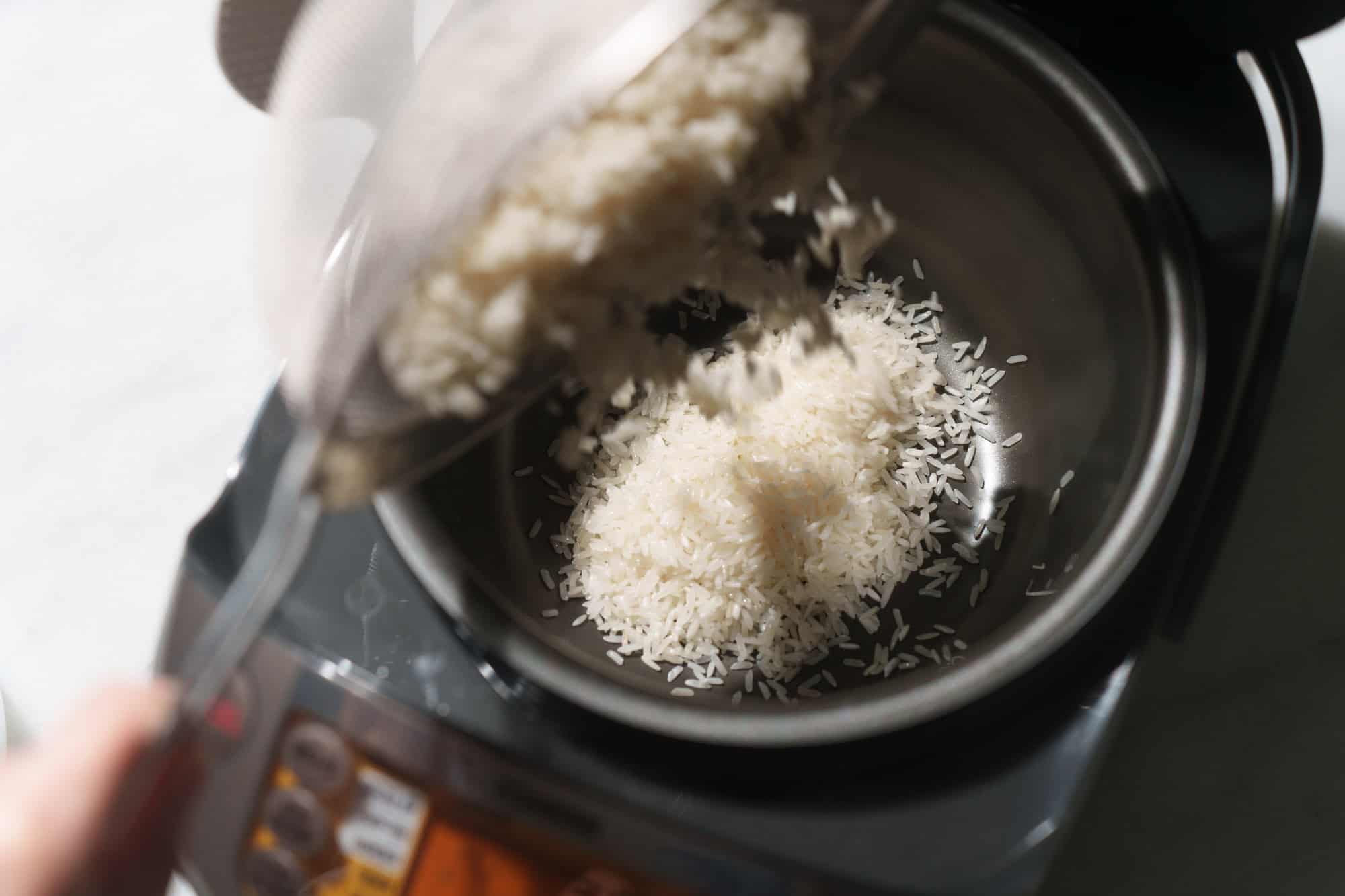
Most rice cookers come with a specific measuring cup designed for rice. This cup is often smaller than a standard kitchen cup, usually around 180 ml. Using this cup ensures consistency, especially if you stick to the rice cooker’s instructions.
Using your own kitchen cup can lead to errors. If you don’t have the rice cooker cup, try to use a standard measuring cup and adjust water accordingly. Remember, the volume of rice affects how much water you need, so measuring rice first is crucial.
Leveling Rice For Accuracy
Have you ever noticed how a heaping cup of rice cooks differently than a leveled one? Leveling rice ensures you measure the exact amount, avoiding surprises like mushy or undercooked rice. Use a flat edge, like the back of a knife, to level off the rice in your measuring cup.
This simple step can change your rice texture dramatically. It’s a small trick that I learned after several failed batches. You want consistency, and leveling rice is the easiest way to get it.
Water Measurement Tips
Water is just as important as rice measurement. Different types of rice absorb water differently, but a good rule of thumb is to add about 1.5 to 2 cups of water for every cup of rice. However, this can vary depending on whether you rinse the rice or prefer softer grains.
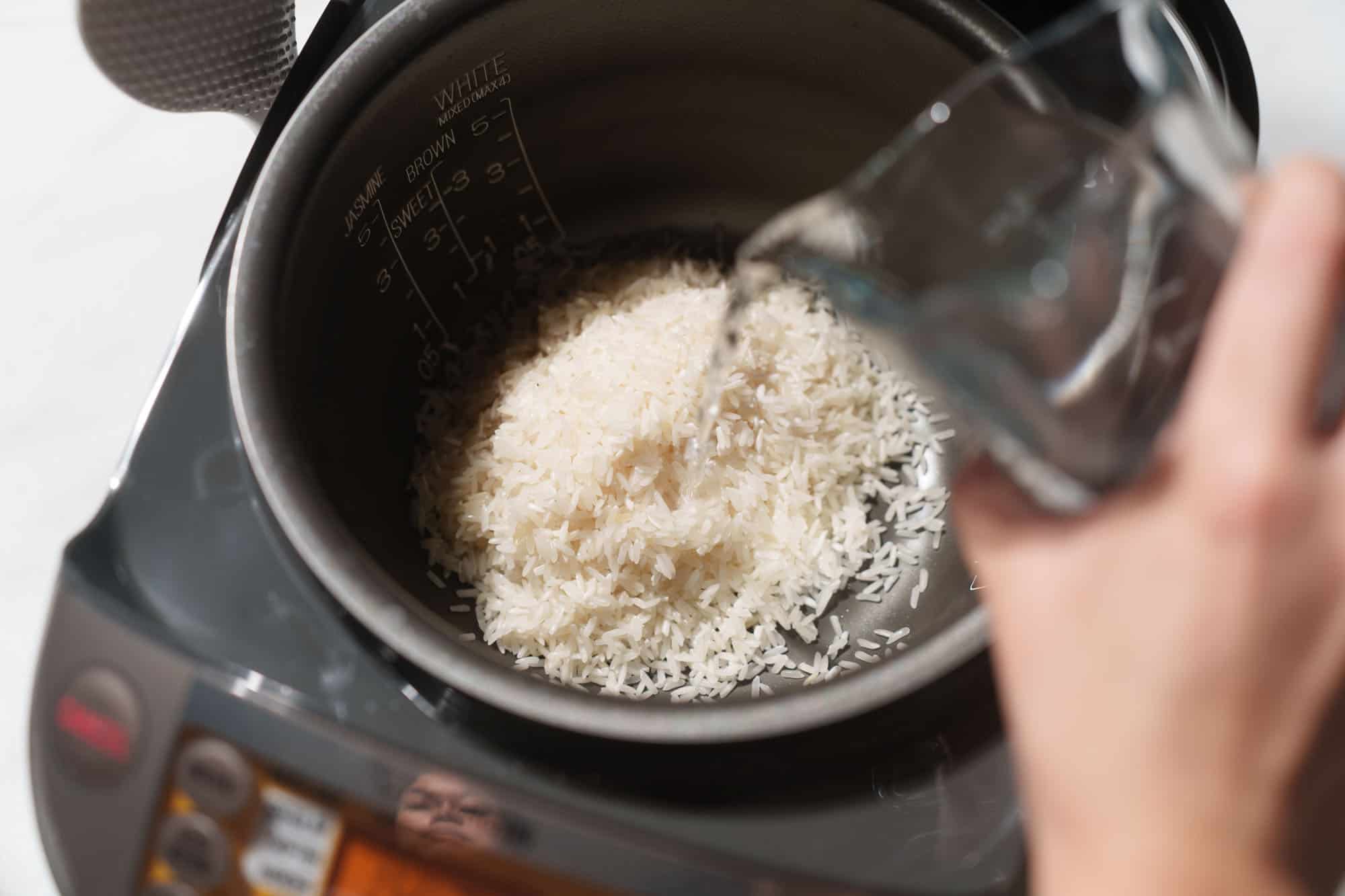
Consider water temperature too. Using cold water can slow cooking, while warm water can speed it up, affecting texture. If you rinse rice, reduce water slightly because rinsing adds moisture. Do you measure water directly in the rice cooker pot? That can be a handy way to avoid extra dishes and ensure accuracy.
Tips For Fluffy Rice
Achieving fluffy rice in a rice cooker is an art. With the right techniques, anyone can cook perfect rice every time. Below are essential tips to ensure your rice comes out fluffy and delicious.
Rinsing Rice Properly
Rinse rice under cold water until the water runs clear. This removes excess starch, which can make rice gummy. Use a fine-mesh strainer for best results. Shake gently to drain water completely.
Soaking Times
Soak rice for at least 30 minutes before cooking. This helps the grains absorb water evenly. It also speeds up the cooking process. For basmati or jasmine rice, soaking enhances aroma and texture.
Resting After Cooking
Let the rice sit for 10 minutes after cooking. This resting period allows steam to settle. It helps distribute moisture evenly throughout the rice. Fluff the rice gently with a fork before serving.

Credit: www.theincrediblebulks.com
Common Mistakes To Avoid
Getting the water-to-rice ratio right is key to perfect rice. Many people make simple mistakes that affect the texture and taste. Avoiding these errors can improve your cooking results.
Using Too Much Water
Adding extra water can make rice mushy and sticky. The rice cooker will keep cooking until water is gone, so excess water causes overcooking. Measure water carefully to keep the right texture.
Not Adjusting For Rice Type
Different rice types need different water amounts. White rice needs less water than brown rice. Jasmine or basmati rice also have unique needs. Adjust water based on the rice type for best results.
Ignoring Cooker Instructions
Rice cookers vary in design and capacity. Ignoring the user manual can lead to poor results. Follow the cooker’s specific water guidelines for perfect rice every time. The manual often has useful tips for your model.
Credit: www.hungryhuy.com
Frequently Asked Questions
How Much Water Per Cup Of Rice In A Rice Cooker?
Use 1. 5 to 2 cups of water for every cup of white rice. Brown rice requires about 2. 5 cups of water per cup of rice for proper cooking. Adjust water based on rice type and desired texture.
Can I Use Less Water For Firmer Rice?
Yes, use slightly less water for firmer rice. Reduce water by about 10-15% from the standard amount. Experiment to find the perfect texture that suits your preference.
Does Rice Cooker Water Ratio Differ By Rice Type?
Yes, water ratio changes with rice type. White rice needs less water than brown or wild rice. Always check your rice cooker's manual for specific guidelines.
How To Measure Water Accurately For Rice Cooker?
Use the measuring cup that comes with your rice cooker. Fill water to the corresponding line for the amount of rice. This ensures consistent and perfect rice every time.
Conclusion
Getting the rice-to-water ratio right makes cooking simple and tasty. Use one cup of rice with about one and a quarter cups of water for white rice. Brown rice needs a bit more water. Adjust the amount slightly for your rice cooker model or personal taste.
Try, taste, and find what works best for you. Perfect rice is just a few steps away. Enjoy your meals with confidence and ease.