Is your refrigerator making strange noises or not cooling like it used to? The problem might be your compressor, the heart of your fridge.
But how much does it cost to replace a refrigerator compressor? You’re probably worried about the price and whether it’s worth fixing or better to buy a new fridge. You’ll find clear answers and helpful tips to make the right choice for your home and budget.
Keep reading to discover everything you need to know before making a decision.
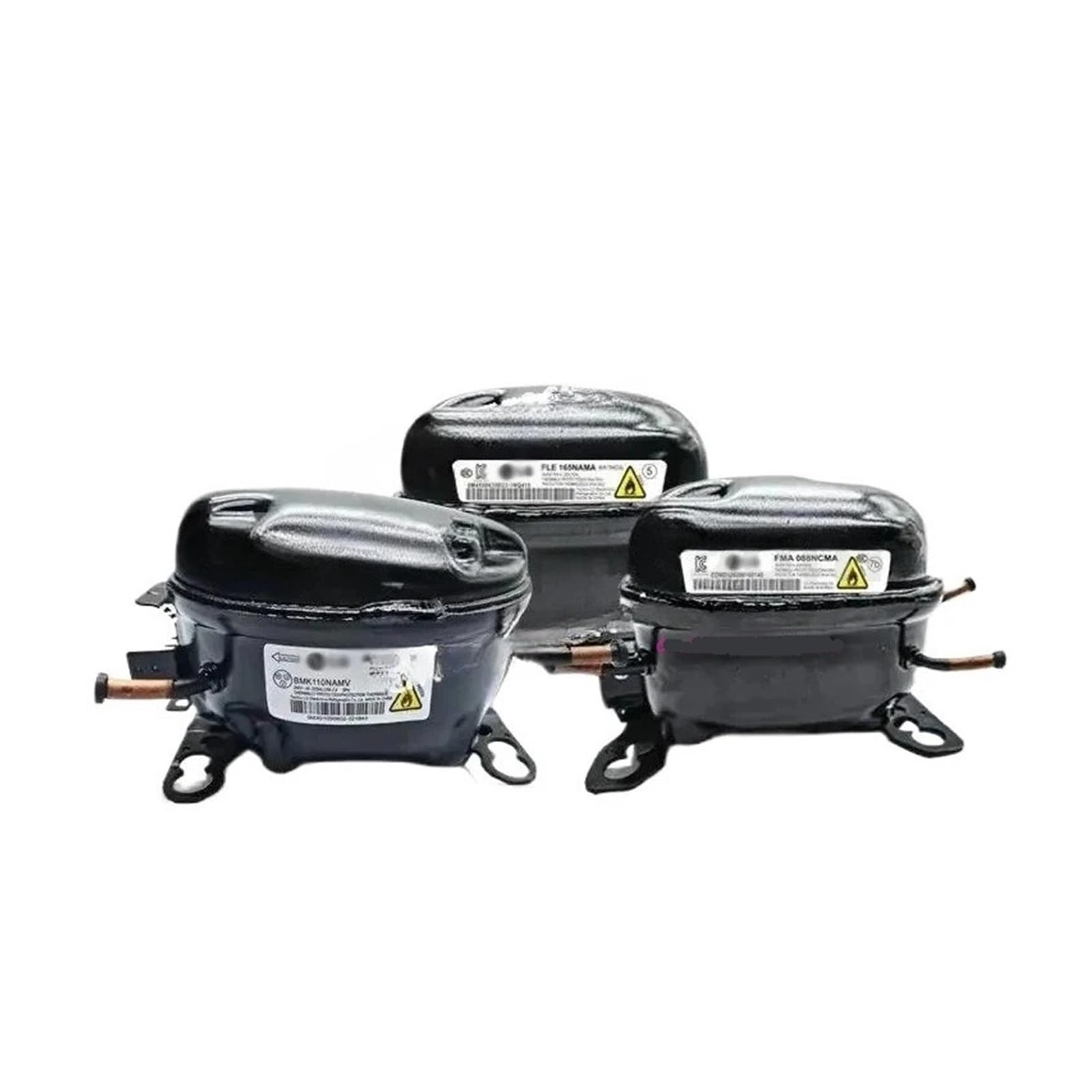
Credit: www.amazon.ca
Factors Affecting Compressor Replacement Cost
Replacing a refrigerator compressor can be a significant expense, but the exact cost varies widely. Several factors influence how much you’ll pay, from the type of compressor needed to the model of your fridge. Understanding these elements helps you prepare financially and avoid surprises during the repair process.
Compressor Type And Brand
The type of compressor in your refrigerator plays a big role in the replacement cost. Different compressors have varying complexities and prices. For example, a standard reciprocating compressor usually costs less than a more advanced inverter compressor.
Brand also matters. Original Equipment Manufacturer (OEM) compressors often come with a premium price tag, but they tend to be more reliable and fit perfectly. Aftermarket compressors might be cheaper but can sometimes lead to compatibility issues or reduced efficiency.
Refrigerator Model And Size
Your refrigerator’s model and size directly impact the compressor replacement cost. Larger models typically require bigger or more powerful compressors, which cost more. High-end or specialty refrigerators may have unique compressors that are harder to find and more expensive.
Think about your fridge’s age and design too. Older models might need parts that are no longer widely available, pushing the price higher. Have you checked if your refrigerator’s model number matches the replacement parts to avoid ordering the wrong compressor?
Labor Charges
Labor costs can vary depending on your location and the technician’s expertise. Some repairs are straightforward and take a couple of hours, while others may require more time due to the fridge’s design or unexpected issues.
When you get a repair quote, ask if labor is charged hourly or as a flat fee. Also, inquire whether the technician will handle refrigerant recovery and recharging, as this can add to labor time and cost.
Additional Parts And Materials
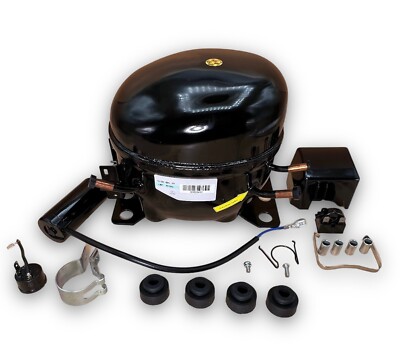
Replacing a compressor often involves more than just the compressor itself. You might need new gaskets, mounting brackets, or refrigerant. These extra parts add to the total cost and are essential for a successful repair.
Sometimes, technicians recommend replacing the filter drier or other components to prevent future problems. While this increases upfront costs, it can save you money by avoiding repeated repairs. Have you asked your technician about all the parts included in the estimate?

Credit: www.amazon.ca
Typical Price Range For Compressor Replacement
Replacing a refrigerator compressor involves costs that vary widely. Several factors influence the final price, including the type of refrigerator, where you live, and whether you choose to do it yourself or hire a professional. Understanding the typical price range helps you budget better for this important repair.
Average Cost By Refrigerator Type
Different refrigerator types need different compressors. Here is a general cost range:
- Top-freezer models: $150 to $300
- Side-by-side models: $200 to $400
- French door models: $250 to $500
- Built-in or commercial units: $400 to $800
Luxury or larger refrigerators usually have higher compressor costs.
Cost Variations By Region
Labor and parts prices differ by location. Urban areas tend to have higher repair costs.
- Large cities: 15% to 30% more expensive
- Suburban areas: moderate pricing
- Rural areas: sometimes lower but with fewer service options
Regional supply availability also affects compressor prices.
Diy Vs Professional Replacement Costs
Doing the replacement yourself can save money but requires skills. Here is a breakdown:
- DIY costs: $100 to $250 for parts and tools
- Professional costs: $300 to $700 including labor and parts
Professionals ensure proper installation and warranty coverage. DIY risks include damage or voiding warranty.
Signs You Need A New Compressor
Knowing when your refrigerator compressor needs replacement can save you from bigger problems. The compressor is the heart of the fridge, keeping things cold. Certain signs show it might be failing. Spotting these early helps avoid food spoilage and costly repairs.
Unusual Noises
Strange sounds like buzzing, clicking, or humming near the compressor are warning signs. These noises mean the compressor struggles to work properly. It might be overheating or parts inside could be damaged.
Inconsistent Cooling
Food not staying cold or uneven cooling inside the fridge points to compressor issues. The compressor controls the cooling cycle. If it weakens, the temperature fluctuates, causing some areas to be warm.
Frequent Cycling
The compressor turning on and off too often is a problem. Normal cycles keep the fridge cold efficiently. Frequent cycling means the compressor is overworking, which can lead to failure soon.
Refrigerator Not Running
If the fridge stops running completely, the compressor may have failed. No cooling or sound means it might not be powering up. This issue needs quick attention to prevent food spoilage.
Credit: www.ebay.ca
Steps To Replace A Refrigerator Compressor
Replacing a refrigerator compressor requires careful attention and some technical skill. The process involves several clear steps to ensure the new compressor works correctly. Following these steps can save money and extend the refrigerator’s life.
Diagnosing The Problem
First, confirm the compressor is faulty. Listen for unusual noises or no sound at all. Check if the fridge is not cooling properly. Use a multimeter to test electrical continuity. Identify any signs of overheating or physical damage. Accurate diagnosis prevents unnecessary repairs.
Preparing For Replacement
Unplug the refrigerator to ensure safety. Clear the surrounding area for easy access. Gather tools such as screwdrivers, wrenches, and a refrigerant recovery machine. Wear gloves and safety glasses. Follow environmental rules for refrigerant handling. Proper preparation reduces risks and speeds up the job.
Removing The Old Compressor
Recover the refrigerant safely using a recovery machine. Disconnect electrical wires from the compressor. Remove mounting bolts and brackets holding the compressor. Carefully detach the compressor from the refrigerant lines. Avoid damaging other parts. Keep old parts in case of warranty or reference.
Installing The New Compressor
Place the new compressor in the correct position. Secure it with mounting bolts and brackets. Connect the refrigerant lines tightly to avoid leaks. Reattach electrical wiring following manufacturer instructions. Replace any filters or driers as needed. Ensure all connections are secure and clean.
Testing And Final Checks
Vacuum the refrigerant system to remove air and moisture. Recharge the system with the correct refrigerant type and amount. Plug in the refrigerator and turn it on. Listen for compressor noise and check cooling performance. Inspect for leaks or unusual vibrations. Confirm the fridge runs smoothly before closing the case.
Ways To Save On Compressor Replacement
Choosing a quality yet affordable compressor can lower replacement costs. Checking local repair shops for quotes helps find the best price. Regular maintenance also reduces the chance of costly breakdowns.
Replacing a refrigerator compressor can be costly. Finding ways to save is essential. Understanding different approaches helps reduce these expenses. Here are effective ways to cut costs.
Warranty And Service Plans
Check if your refrigerator is still under warranty. Many manufacturers cover compressor replacements. This can save you significant money. Consider purchasing extended service plans. They often cover major repairs, including compressors.
Choosing Certified Technicians
Always hire certified technicians for repairs. They ensure quality service. Certified experts avoid costly mistakes. Look for technicians with good reviews. This ensures reliability and peace of mind.
Comparing Repair Vs Replacement
Evaluate the cost of repair versus buying a new fridge. Older models may cost more to fix. Sometimes, a new fridge is a better investment. Compare prices and benefits carefully. Make a decision based on long-term savings.
Regular Maintenance Tips
Regular maintenance extends your fridge’s lifespan. Clean coils and ensure proper ventilation. Check door seals for tight closure. Simple tasks prevent major repairs. A well-maintained fridge saves you money.
Frequently Asked Questions
How Much Does Refrigerator Compressor Replacement Cost?
Replacing a refrigerator compressor typically costs between $200 and $500. The price depends on the model and labor charges. Higher-end refrigerators may cost more. Always get a professional diagnosis for an accurate estimate.
Can I Replace A Refrigerator Compressor Myself?
Replacing a refrigerator compressor is complex and requires technical skills. DIY replacement is not recommended unless you have refrigeration experience. Incorrect handling can cause damage or void warranty. Hiring a certified technician ensures safety and proper installation.
How Long Does Refrigerator Compressor Replacement Take?
Replacing a refrigerator compressor usually takes 2 to 4 hours. Time varies based on the refrigerator model and technician’s expertise. Scheduling a professional service ensures timely and efficient repair work.
Is It Better To Replace Or Repair A Refrigerator Compressor?
If the compressor is severely damaged, replacement is better. Minor issues might be fixed with repairs. Consider the refrigerator’s age and repair costs. Sometimes buying a new refrigerator is more cost-effective than compressor replacement.
Conclusion
Replacing a refrigerator compressor can vary in cost. Parts and labor affect the total price. Choosing a reliable technician helps avoid future problems. Sometimes, buying a new fridge might be cheaper. Think about the fridge’s age and condition first. Understanding costs helps you make smarter decisions.
Keep your fridge well maintained to last longer. A working compressor means your food stays fresh. Don’t ignore strange noises or cooling issues. Act quickly to save money and avoid bigger repairs.