If you own a pellet stove or are thinking about getting one, you probably wonder, “How much do pellets for a pellet stove cost?” The price of pellets can affect your heating budget more than you expect. Knowing the true cost helps you plan better and avoid surprises during the cold months.
You’ll discover the key factors that influence pellet prices and simple tips to save money while keeping your home warm and cozy. Keep reading to make smart choices for your heating needs.
Pellet Stove Fuel Basics
Understanding the basics of pellet stove fuel is key to managing your heating costs effectively. The type and quality of pellets you choose directly affect your stove’s performance and your wallet. Let’s break down what wood pellets are, the types available, and what makes some pellets better than others.
What Are Wood Pellets
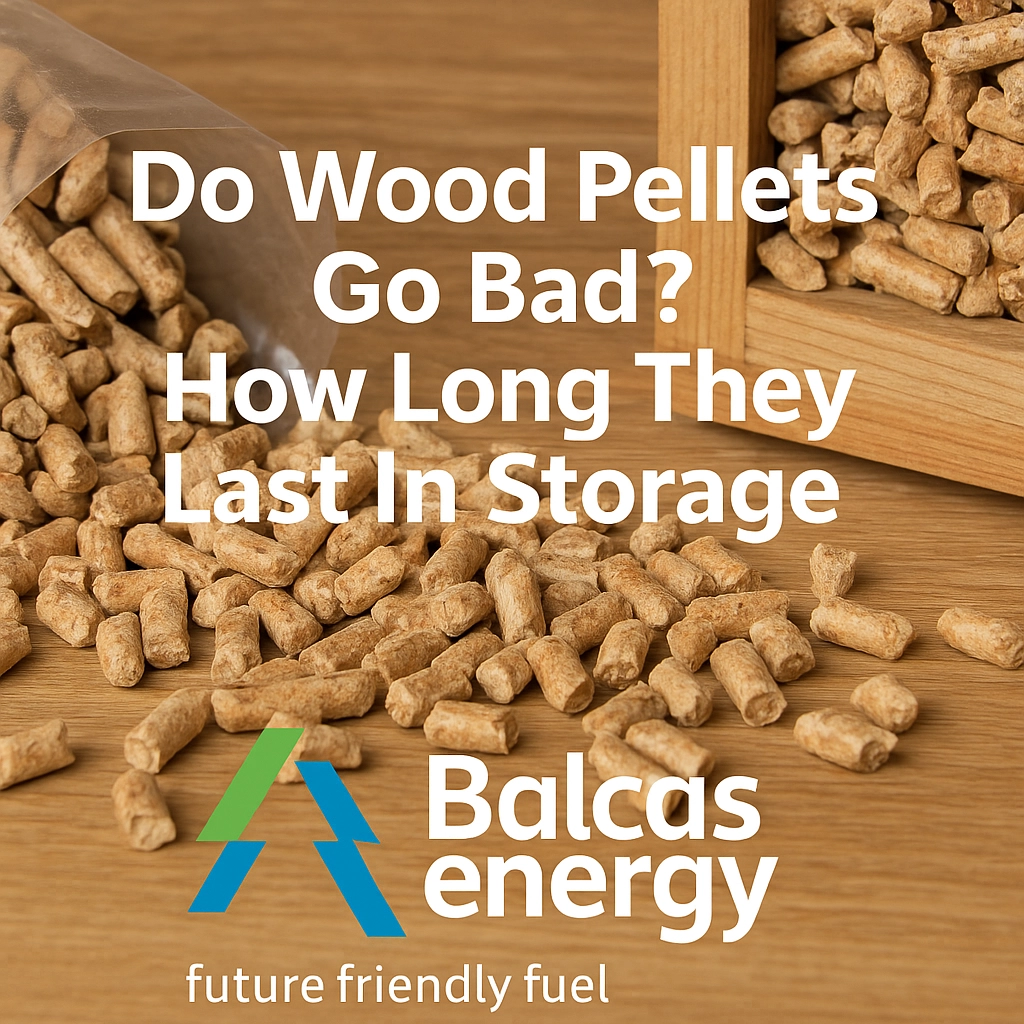
Wood pellets are small, cylindrical pieces made from compressed sawdust and other wood waste. They serve as a clean and efficient fuel source for pellet stoves. Because they come from recycled wood materials, they’re considered a renewable energy option that produces minimal ash and smoke.
Have you ever wondered why these tiny pellets can generate so much heat? It’s all about the density and uniform size, which allows them to burn steadily and efficiently in your stove.
Types Of Pellets Available
Not all pellets are the same, and your choice depends on your stove and budget. The main types include:
- Wood Pellets:Made purely from compressed sawdust, these are the most common and widely available.
- Bark Pellets:Contain some bark content, usually cheaper but burn hotter and create more ash.
- Mixed Pellets:Combine wood and other biomass materials like agricultural residues.
Choosing the right type can impact how often you need to clean your stove or how efficiently it heats your space. Have you checked what pellet type your stove manufacturer recommends?
Pellet Quality Factors
Quality matters when buying pellets because it influences burn time, heat output, and stove maintenance. Here are key factors to look for:
- Moisture Content:Ideal pellets have less than 10% moisture to ensure a clean, hot burn.
- Durability:High-quality pellets hold together during transport, reducing dust and fines that can clog your stove.
- Ash Content:Lower ash means less frequent cleaning and better stove performance.
Next time you shop for pellets, check the packaging or ask your supplier about these factors. Investing in better quality pellets often saves you time and money over the heating season. What issues have you faced with pellet quality in the past?
Price Range Of Pellets
Understanding the price range of pellets for your pellet stove is crucial to managing your heating budget effectively. Pellet prices can vary widely depending on several factors, including the type of pellet and the quantity you purchase. Knowing what influences these costs helps you make smarter choices and avoid surprises on your heating bill.
Cost Per Pound Or Bag
Pellets are usually sold by weight, either per pound or in bags that typically weigh 40 pounds. On average, you can expect to pay between $0.20 and $0.30 per pound. This means a 40-pound bag generally costs between $8 and $12.
Prices can fluctuate depending on your location and the season. For instance, buying pellets in the fall before the heating season starts might save you a few dollars compared to winter prices.
Price Differences By Pellet Type
Not all pellets are created equal. Hardwood pellets tend to be a bit more expensive, usually because they burn longer and produce less ash. Softwood pellets, on the other hand, are often cheaper but may not last as long in your stove.
There are also premium pellets made from recycled materials or with added features like low ash content. These can cost more but might save you time on cleaning and improve stove efficiency. Are you willing to pay extra for convenience and performance?
Bulk Purchase Savings
Buying pellets in bulk is a smart way to reduce your overall cost. Many suppliers offer discounts if you purchase by the ton instead of individual bags. For example, bulk pellets can bring your price down to around $200 to $250 per ton, compared to roughly $300 per ton when buying bags.
Keep in mind, buying in bulk means you need space to store the pellets properly to keep them dry. Does your home have a spot for a bulk pellet bin? If yes, the savings could be significant over a heating season.
Factors Affecting Pellet Prices
Pellet prices vary due to several factors. These factors influence cost and availability. Understanding these helps in budgeting for pellet stove fuel.
Geographic Location Impact
Pellet prices differ by region. Transport costs affect prices in remote areas. Regions with local pellet producers often have lower costs. Urban areas may see higher prices due to demand. Climate also plays a role in how pellets are priced.
Seasonal Price Variations
Pellet prices change with the seasons. Prices tend to rise in colder months. Increased demand during winter drives prices up. Summer months usually bring lower prices. Stocking up in advance can save money.
Supply And Demand Influence
Supply shortages raise pellet prices quickly. High demand during winter stresses supply chains. Production issues can limit pellet availability. When supply meets demand, prices stay stable. Bulk buying may reduce costs per bag.

Credit: pelletkings.ie
Where To Buy Pellets
Finding the right place to buy pellets is key to keeping your pellet stove running smoothly. Pellets come in various qualities and prices, so where you buy them matters. There are several options to consider, each with its own benefits. Understanding these can help you save money and ensure pellet availability throughout the heating season.
Local Retailers And Hardware Stores
Local stores often stock pellets during the colder months. These retailers provide easy access without extra shipping costs. You can see the product before buying and ask staff questions. Many hardware stores carry popular pellet brands. Availability may vary by location and season. Buying locally supports your community and reduces delivery time.
Online Pellet Suppliers
Online sellers offer a wide range of pellet brands and types. Shopping online provides convenience and lets you compare prices easily. Some websites offer bulk buying options and subscriptions. Delivery comes straight to your door, saving trips to the store. Check reviews and shipping policies before purchasing. Watch for extra fees like shipping costs or minimum order amounts.
Buying Direct From Manufacturers
Buying pellets directly from manufacturers can lower costs. You may get fresher pellets and bulk discounts. Some manufacturers ship nationwide, making this option practical. Direct buying requires planning ahead to handle larger quantities. Contact the manufacturer to learn about pricing, shipping, and delivery schedules. This option suits those who use pellets frequently and want consistent supply.
Budgeting For Pellet Stove Fuel
Pellet stove fuel costs vary by brand and quality, usually around $200 to $300 per ton. Buying in bulk can lower prices and save money over time. Planning your fuel budget helps avoid surprises during cold months.
Budgeting for Pellet Stove Fuel Heating your home efficiently with a pellet stove is a smart choice, but understanding the cost of fuel is crucial. How much do you need to budget for pellet stove fuel? Let's break it down into essential factors to help you plan better.
Estimating Monthly Pellet Usage
Consider your home's size and the stove's efficiency. A typical home might use one to three tons of pellets per heating season. For instance, if you live in a colder region, you might need around 150-200 pounds of pellets per month. Keep an eye on the packaging labels for estimated burn time. This helps calculate how often you'll need to restock. Setting aside time to track your usage can prevent unexpected costs.
Comparing Pellet Costs To Other Fuels
Pellets are often more cost-effective than traditional heating methods. Compare the price per ton of pellets to alternatives like oil, gas, or electricity. While initial setup costs for a pellet stove might be higher, ongoing fuel expenses can be significantly lower. A simple comparison chart can help visualize savings over time. Don't forget to factor in fluctuating energy prices in your area.
Tips To Reduce Fuel Expenses
Look for bulk buying opportunities. Many suppliers offer discounts for purchasing multiple tons at once. This can save you money in the long run. Consider investing in a high-efficiency pellet stove. Though initially pricier, it can use fewer pellets for the same amount of heat. Regular maintenance of your stove ensures optimal performance, reducing waste. Clean your stove's components regularly to maintain efficiency. Are there local suppliers offering deals or loyalty programs? Exploring these options can lead to significant savings. Your wallet—and your home—will thank you.
Quality Vs. Cost Trade-offs
Choosing pellets for your stove often means balancing quality and cost. Higher quality pellets cost more but can offer better performance. Lower-cost pellets save money upfront but may cause issues later. Understanding these trade-offs helps make smarter buying decisions.
Low-cost Pellets Risks
- Contain more ash, leading to frequent cleaning.
- May have fillers that reduce heat output.
- Can cause clogs or damage to the stove parts.
- Burn less efficiently, wasting fuel and money.
Benefits Of Premium Pellets
- Produce less ash, reducing stove maintenance.
- Burn cleaner and provide consistent heat.
- Made from pure wood, free of additives.
- Help keep your stove in good condition longer.
Long-term Cost Considerations
Spending more on quality pellets can save money over time. Less cleaning means fewer service calls and less downtime. Better heat efficiency lowers the total amount of pellets needed. Poor quality pellets may cause costly repairs or shorten stove life. Choosing the right pellets balances your budget and stove health.
Storage And Handling Costs
Storing and handling pellets properly impacts the overall cost of using a pellet stove. Poor storage can lead to pellets getting damp or breaking apart. This causes more waste and increases expenses over time. Understanding storage needs helps keep pellets in good condition and reduces extra costs.
Proper Pellet Storage Tips
Keep pellets dry and cool to maintain their quality. Store pellets off the ground using pallets or shelves. Use airtight containers or bags to protect pellets from moisture. Avoid direct sunlight, which can degrade pellets. Make sure the storage area is well-ventilated to prevent mold growth.
Storage Equipment Expenses
Storage containers and racks add to initial costs. Plastic bins with lids work well for small pellet amounts. Bulk storage may require pellet bins or silos, which cost more. Consider the space available in your home or garage. Investing in good storage saves money by preserving pellet quality.
Pellet Durability And Waste
Pellets break easily if handled roughly or stored badly. Broken pellets create dust that can clog the stove. Damaged pellets burn less efficiently, increasing fuel consumption. Proper storage reduces pellet breakage and waste. Efficient use of pellets lowers overall heating costs.

Credit: www.angi.com

Credit: www.jackery.com
Frequently Asked Questions
How Much Do Pellet Stove Pellets Cost Per Bag?
Pellet stove pellets typically cost between $4 and $6 per 40-pound bag. Prices vary by brand and quality. Buying in bulk often reduces the cost per bag. Local availability and seasonal demand also affect prices.
What Affects The Price Of Pellets For Stoves?
Pellet prices depend on wood type, pellet quality, and production methods. Transportation and regional supply also influence costs. Higher-quality pellets usually burn more efficiently but cost more.
How Many Bags Of Pellets Does A Stove Use Monthly?
A pellet stove usually consumes 2 to 4 bags of pellets per month. Usage varies based on stove size, home insulation, and heating needs. Efficient stoves may use fewer pellets.
Are Pellet Stove Pellets Cheaper Than Other Heating Fuels?
Pellets are generally more affordable than oil or propane heating fuels. They offer consistent pricing and renewable energy benefits. However, costs depend on local fuel prices and stove efficiency.
Conclusion
Pellet stove pellets cost varies by brand and quality. Buying in bulk often saves money. Keep an eye on local prices and sales. Using pellets efficiently helps lower your fuel bills. Choose pellets that burn clean and produce less ash.
Regular stove maintenance keeps your heating system working well. Knowing pellet costs helps you plan your home heating budget. Stay warm without spending too much this winter.