Have you ever wondered how much your refrigerator actually weighs? Whether you're moving to a new home, ordering a delivery, or just curious, knowing the weight of your fridge is more important than you might think.
The weight affects how you handle it, the type of transport you need, and even the strength of your floors. You'll discover everything you need to know about refrigerator weights—no confusing jargon, just clear and simple facts. Keep reading to find out how to make your next move or purchase easier and safer!

Credit: www.lg.com
Factors Affecting Refrigerator Weight
Understanding what affects the weight of a refrigerator can help you make smarter choices when buying or moving one. Several factors come into play, and they vary widely from model to model. Knowing these can save you from surprises and even help with planning transportation or installation.
Size And Capacity
The size of a refrigerator is one of the biggest contributors to its weight. Larger units with more capacity naturally weigh more because they hold more components and insulation. For example, a compact fridge might weigh around 50-70 pounds, while a full-sized family fridge can easily tip the scales at over 200 pounds.
Think about what you really need. Do you want the extra space, or will a smaller size serve you better and make handling easier?
Material Composition
The materials used in the construction of a refrigerator affect its weight significantly. Stainless steel models usually weigh more than those made with plastic or aluminum panels. The thickness of the insulation is another factor; better-insulated fridges are heavier but often more energy-efficient.
Have you noticed that some refrigerators feel sturdier when you open the door? That solid feel often comes from heavier materials inside, which adds to the overall weight.
Type And Model Variations
Different types of refrigerators—like top-freezer, side-by-side, or French door models—can vary quite a bit in weight. Side-by-side models often have more features and components, making them heavier. Newer models with built-in ice makers and water dispensers add extra pounds too.
Ask yourself: Do you need all those fancy features, or could a simpler model suit your needs better and weigh less?

Credit: romanmover.com
Standard Refrigerator Sizes
Standard refrigerator sizes vary based on design and capacity. Weight depends on size, materials, and features. Knowing typical weights helps with installation and moving plans.
Compact Models
Compact refrigerators are small and light. They usually weigh between 50 to 90 pounds. These models fit well in tight spaces or dorm rooms. Their size ranges from 1.7 to 4.5 cubic feet.
Top-freezer Designs
Top-freezer refrigerators are classic and common. They weigh around 150 to 250 pounds. Sizes range from 14 to 22 cubic feet. The freezer is above the fresh food compartment.
Bottom-freezer Options
Bottom-freezer models offer easy access to fresh food. They weigh between 200 and 300 pounds. Storage capacity usually falls between 18 and 25 cubic feet. The freezer drawer is located at the bottom.
Side-by-side Refrigerators
Side-by-side fridges have freezer and fridge compartments next to each other. They weigh approximately 250 to 350 pounds. Sizes often range from 20 to 28 cubic feet. They provide more vertical storage space.
French Door Styles
French door refrigerators are wide and heavy. Weight ranges from 250 to 400 pounds. Storage capacity usually spans 20 to 30 cubic feet. They feature two doors for the fridge and a bottom freezer drawer.
Average Weights By Type
Refrigerators come in different types and sizes. Each type has a typical weight range. Knowing these weights helps with moving and installation planning.
The weight depends on size, materials, and features. Smaller models weigh less. Larger and commercial units are heavier. Below are common weights by refrigerator type.
Mini Fridges
Mini fridges are compact and lightweight. Most weigh between 20 and 50 pounds. They fit well in small spaces like dorm rooms or offices. Easy to carry and move.
Full-sized Units
Full-sized refrigerators vary widely. They usually weigh 150 to 300 pounds. Side-by-side and French door models tend to be heavier. These require more effort to move safely.
Commercial Refrigerators
Commercial refrigerators are built for heavy use. They often weigh 300 to 800 pounds or more. Made with durable steel and large compressors. Professional movers are often needed to handle these.
Credit: mygoodmovers.com
Impact Of Features On Weight
The weight of a refrigerator changes with its features. Different additions can add extra pounds. Knowing these helps when moving or choosing the right model.
Smart Technology
Smart refrigerators include screens and sensors. These parts add weight beyond normal models. The wiring and extra components make the fridge heavier.
Additional Compartments
Extra drawers or compartments increase storage space. More materials like glass and plastic add weight. These compartments make the refrigerator bulkier and heavier.
Built-in Ice Makers And Water Dispensers
Ice makers and water dispensers require extra parts. Water tanks, motors, and plumbing add significant weight. Such features make the refrigerator heavier than basic models.
Transportation And Installation Considerations
Transportation and installation are crucial steps when you bring a new refrigerator home. Knowing how much your fridge weighs can help you prepare properly and avoid any mishaps. These tasks require planning, the right tools, and sometimes professional help to ensure everything goes smoothly.
Weight And Moving Equipment
Refrigerators can weigh anywhere from 150 to over 400 pounds depending on the size and model. Moving a heavy fridge without the right equipment can cause damage to your floors or even injury to you. Using a dolly or hand truck designed for appliances makes the process safer and easier.
Think about your doorways and hallways before moving the fridge. Will the equipment fit comfortably? If you underestimate the weight or size, you might get stuck halfway through.
- Use furniture sliders to protect your floors from scratches.
- Wear gloves to improve grip and protect your hands.
- Clear the path of any obstacles ahead of time.
Professional Installation Advice
Sometimes, hiring a professional installer is the best choice. Experts understand the weight, dimensions, and special requirements like leveling the fridge or connecting water lines. They can help prevent common mistakes that might reduce your appliance's lifespan.
Have you ever tried installing something yourself only to realize you missed a crucial step? Professionals bring experience that saves you time and frustration.
Before the installer arrives, make sure the space is ready and accessible. Clear the area around the fridge spot and ensure there’s enough room to maneuver. This preparation can make the installation faster and smoother.
Tips For Choosing The Right Size And Weight
Choosing the right refrigerator size and weight impacts your kitchen's look and function. A well-sized fridge fits your space and meets your daily needs without hassle. Weight affects delivery and installation, so consider it carefully. Balance size and weight for smooth use and maintenance.
Assessing Kitchen Space
Measure the spot where the fridge will go. Account for doors, drawers, and vents. Leave room for air circulation to keep the fridge working well. Check door swing space to avoid blocking walkways. A fridge too big can crowd your kitchen.
Matching Lifestyle Needs
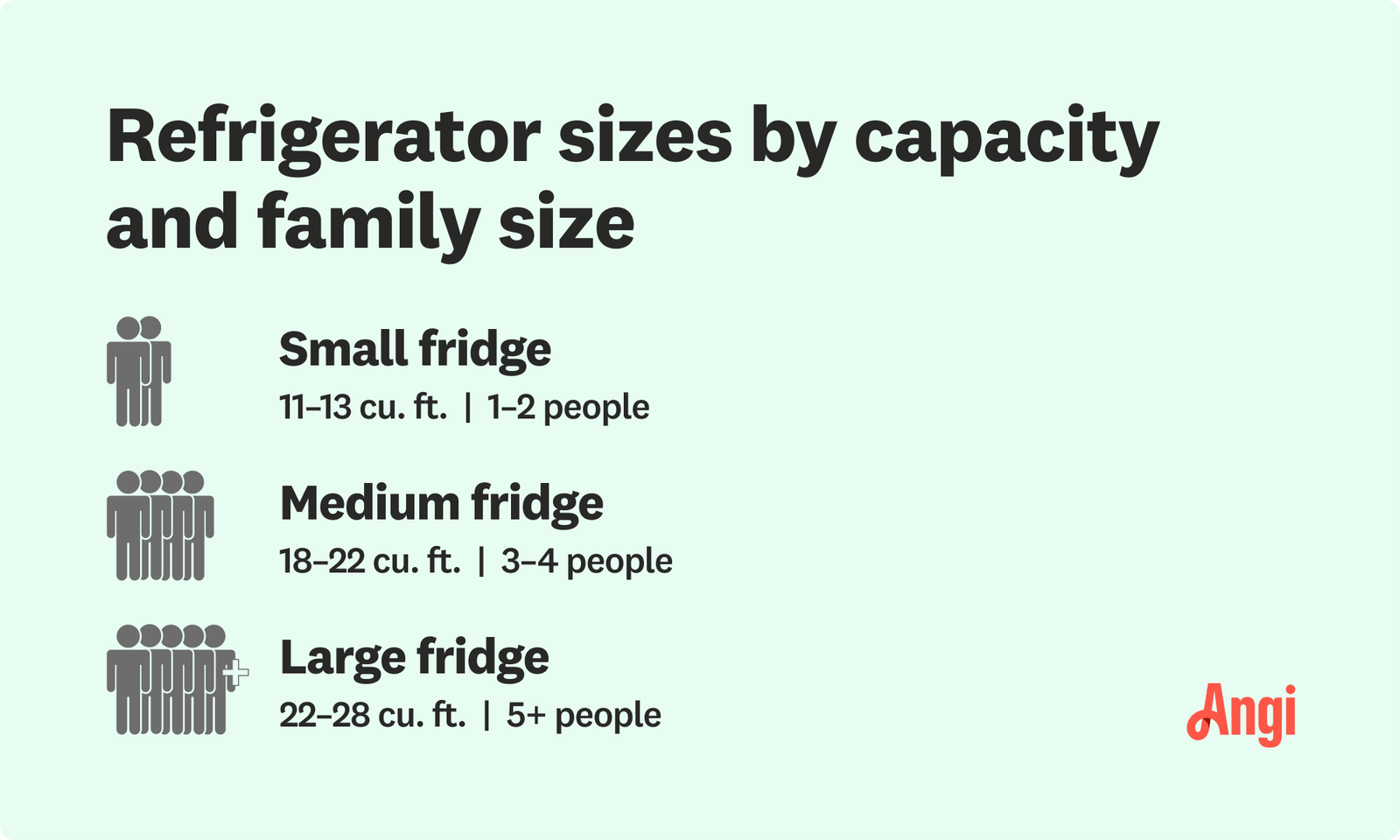
Think about your shopping and eating habits. A small fridge suits singles or couples. Families need larger models with more shelves and compartments. Consider how often you buy fresh food or frozen goods. A fridge that fits your lifestyle helps reduce waste and saves money.
Energy Efficiency And Weight Balance
Lighter models usually consume less energy but may have fewer features. Heavy fridges often include extra insulation for better cooling. Check energy ratings to find efficient options. A fridge with good energy use lowers bills and stays eco-friendly. Balance weight with energy needs for best results.
Frequently Asked Questions
How Much Does An Average Refrigerator Weigh?
An average refrigerator weighs between 150 to 300 pounds. Weight varies by size, type, and features. Compact models are lighter, while large, double-door units are heavier.
What Factors Affect A Refrigerator’s Weight?
Refrigerator weight depends on size, materials, compressor type, and insulation thickness. Larger models with metal parts and advanced compressors weigh more than smaller, basic ones.
How Heavy Is A Mini Fridge Typically?
Mini fridges usually weigh between 30 to 50 pounds. Their compact size and fewer components make them significantly lighter than full-sized refrigerators.
Why Is Refrigerator Weight Important To Know?
Knowing the weight helps with moving, installation, and delivery planning. It ensures you have proper equipment and prevents damage or injury during handling.
Conclusion
Knowing a refrigerator’s weight helps plan moves and deliveries. Most fridges weigh between 150 and 300 pounds. Size and features affect the weight a lot. Always check the product details before buying or moving. This simple fact makes handling easier and safer.
Now, you can estimate and prepare well for your fridge. Easy steps like these save time and effort. Remember, a little knowledge goes a long way.