Are you tired of guessing how much coffee to put in your coffee maker? Getting it just right can make a huge difference in taste and strength.
Too little coffee, and your brew feels weak; too much, and it turns bitter. But don’t worry—finding the perfect amount is easier than you think. You’ll discover simple tips and tricks to measure your coffee perfectly every time. Keep reading to unlock the secret to a better cup that fits your taste just right.
Choosing The Right Coffee Amount
Choosing the right coffee amount is important for a perfect brew. Too little coffee can make your drink weak and watery. Too much coffee can make it bitter and strong. Finding the right balance helps you enjoy every cup.
Many factors influence how much coffee to use. Personal taste, coffee type, and coffee maker size all matter. Understanding these can help you decide the best coffee amount.
Factors Affecting Coffee Quantity
- Personal Taste:Some like strong coffee, others prefer mild.
- Coffee Type:Dark roasts may need less coffee than light roasts.
- Coffee Maker Size:Larger machines need more coffee to fill the pot.
- Grind Size:Finer grinds extract more flavor, affecting quantity.
- Water Quality:Clean water gives better taste with the right coffee amount.
Standard Coffee-to-water Ratios
The typical ratio is 1 to 2 tablespoons of coffee per 6 ounces of water. This ratio suits most drip coffee makers and gives a balanced taste.
| Coffee Amount | Water Amount | Resulting Strength |
|---|---|---|
| 1 tablespoon | 6 ounces | Mild |
| 1.5 tablespoons | 6 ounces | Medium |
| 2 tablespoons | 6 ounces | Strong |
Adjust the ratio to fit your preference and coffee type. Use a spoon or a scale for accuracy. This simple step makes a big difference in taste.

Credit: www.reddit.com
Measuring Coffee Accurately
Measuring coffee accurately is key to brewing a great cup every time. The right amount of coffee impacts flavor and strength. Too little coffee makes a weak drink. Too much coffee can taste bitter. Precise measurement helps balance taste and aroma. Two common ways to measure coffee are using spoons or weighing the grounds.
Using Tablespoons And Scoops
Tablespoons and coffee scoops are easy tools for measuring. Most coffee makers recommend one tablespoon of coffee per six ounces of water. A coffee scoop usually equals two tablespoons. Measuring with spoons is quick and simple. It works well for everyday brewing. Keep the spoon level for accuracy. Avoid packing the coffee too tight. This method suits casual drinkers and beginners.
Weighing Coffee For Precision
Weighing coffee gives the most precise measurement. Use a kitchen scale to measure grams. The standard ratio is about 1 to 2 grams of coffee per ounce of water. For example, 30 grams of coffee for 16 ounces of water. This method controls strength and consistency. Scales help repeat the same taste every time. It’s ideal for coffee lovers who want exact results. Digital scales are affordable and easy to use.
Adjusting For Coffee Maker Types
Adjusting the amount of coffee depends on the type of coffee maker used. Each machine brews differently and requires specific coffee measurements. Small changes affect taste and strength. Understanding these differences ensures a perfect cup every time.
Drip Coffee Makers
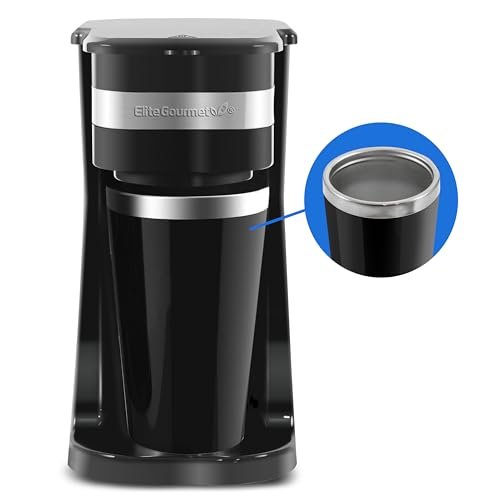
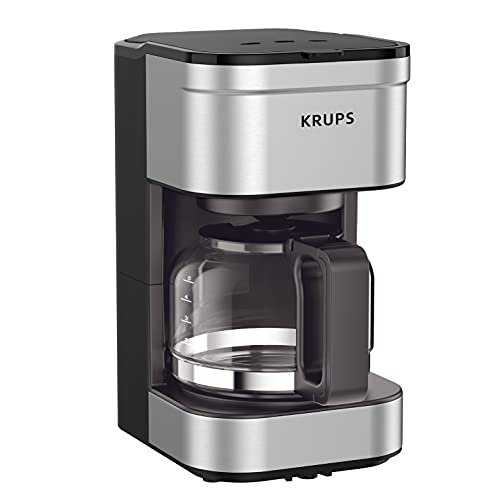
Drip coffee makers use a filter to brew multiple cups at once. A standard ratio is one to two tablespoons of coffee per six ounces of water. Adjust the amount based on how strong you like your coffee. Use a level tablespoon for accuracy. Avoid overfilling the filter to prevent bitter taste.
Single-serve Machines
Single-serve machines work with pods or ground coffee. Most pods have a fixed amount of coffee inside. For ground coffee, use about one tablespoon per six to eight ounces of water. Measure carefully for consistent flavor. Too much coffee can clog the machine.
French Press And Others
The French press requires a coarser grind and more coffee. Use one to two tablespoons of coffee per four ounces of water. Stir the grounds before pressing to extract flavor. Other manual methods, like pour-over, need about one tablespoon per six ounces of water. Adjust according to taste preferences.

Credit: aeropress.com
Brewing Strength And Taste
The amount of coffee you put in your coffee maker directly influences the brewing strength and taste. Adjusting this amount lets you control how bold or mild your coffee turns out. Understanding the differences between light, medium, and strong brews can help you craft the perfect cup for your palate.
Light Brews
Light brews use less coffee grounds, resulting in a milder flavor and lower caffeine content. This style works well if you prefer a softer taste or want to enjoy multiple cups throughout the day without feeling jittery.
Try starting with about 1 tablespoon of coffee per 6 ounces of water. Notice how the delicate flavors come through, especially in single-origin beans where subtle notes shine.
Medium Brews
Medium brews strike a balance between flavor and strength. They offer a richer taste without overwhelming bitterness, perfect for everyday drinking.
A common guideline is 1.5 to 2 tablespoons of coffee per 6 ounces of water. Adjust within this range to suit your mood or the coffee bean’s roast level.
Strong Brews
Strong brews pack a punch with a bold, intense flavor and higher caffeine levels. If you need a serious morning boost or enjoy robust coffee, this is your go-to.
Use 2 to 3 tablespoons of coffee per 6 ounces of water. Keep in mind that too much coffee can lead to bitterness, so experiment gradually to find your sweet spot.
Personalizing Your Coffee Strength
Your ideal coffee strength depends on taste preferences, caffeine tolerance, and even the type of coffee you use. Don’t be afraid to tweak the coffee-to-water ratio until you find what feels right.
Consider keeping a brewing journal to track how different amounts affect flavor and strength. What’s your favorite strength? Could adjusting the coffee amount improve your daily brew?
Common Mistakes To Avoid
Using too much or too little coffee can spoil the taste. Skipping the measuring step often leads to weak or bitter coffee. Always follow the coffee maker’s guidelines for best results.
Brewing the perfect cup of coffee is an art and a science, and even seasoned coffee lovers can stumble upon some common pitfalls. Understanding these missteps can elevate your coffee game and ensure every cup you brew is just right. So, let's dive into some frequent mistakes that can sabotage your coffee-making efforts and learn how to avoid them.
Using Too Much Or Too Little Coffee
Finding the right balance of coffee grounds is crucial. Too much coffee can result in a bitter and overpowering brew. On the other hand, using too little can produce a weak and watery cup that leaves you unsatisfied. A good rule of thumb is to use one to two tablespoons of coffee for every six ounces of water. Experiment within this range to suit your taste preference. Remember, the type of coffee bean and your personal taste might require slight adjustments, so don't be afraid to tweak the ratio.
Ignoring Coffee Grind Size
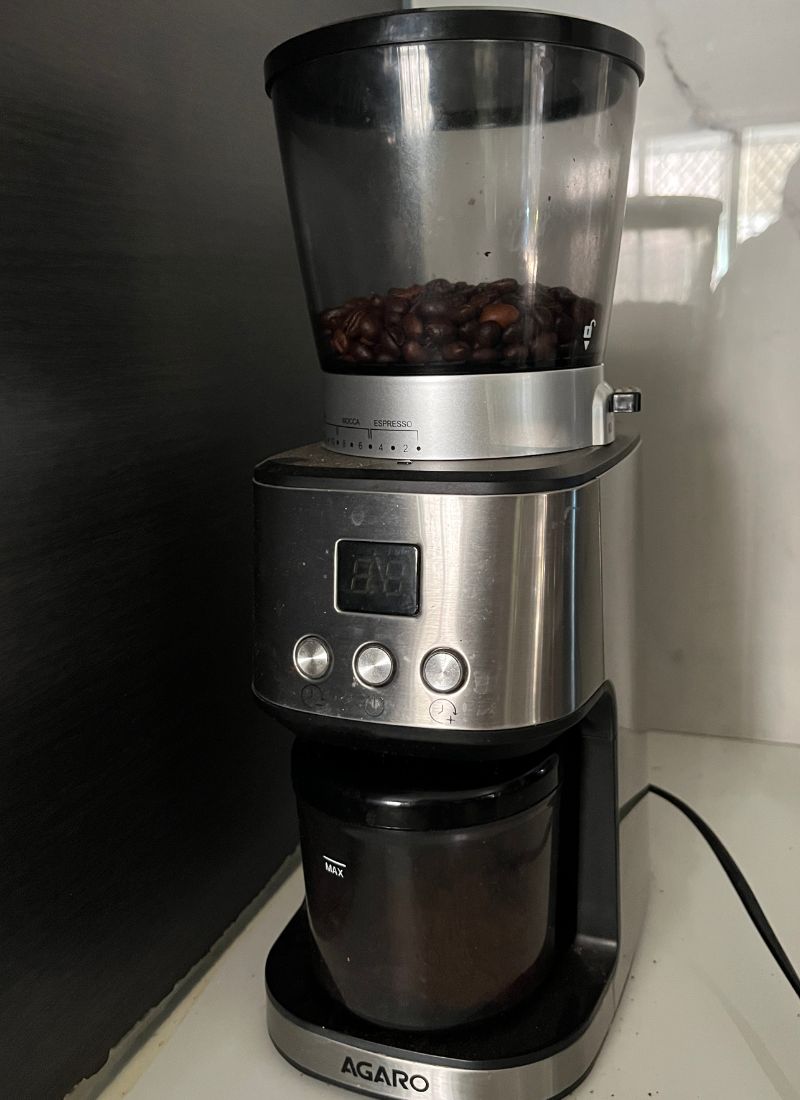
Grind size matters more than you might think. It can significantly impact the flavor and texture of your coffee. A too-fine grind can make your coffee taste bitter, while a too-coarse grind might leave it tasting flat. Consider the type of coffee maker you are using. For example, a French press requires a coarse grind, while an espresso machine needs a fine grind. Have you ever noticed a difference when you switch grind sizes? Pay attention to these details to unlock the full potential of your coffee beans. By being mindful of these common mistakes, you'll be well on your way to brewing a consistently delicious cup of coffee. The satisfaction of a perfectly brewed pot is well within your reach!
Credit: www.yummytummyaarthi.com
Tips For Consistent Results
Consistent coffee results depend on more than just the right coffee amount. Proper care and storage play key roles. Small efforts keep your coffee tasting fresh and your machine working well.
Maintaining Your Coffee Maker
Clean your coffee maker regularly to avoid old coffee buildup. Use a mixture of water and vinegar once a month to descale. Rinse thoroughly with fresh water to remove any vinegar taste. Check and replace filters as needed. Clean the carafe and basket after each use to prevent mold and stale flavors.
Storing Coffee Beans Properly
Store coffee beans in an airtight container to keep them fresh. Keep the container in a cool, dark place away from heat and sunlight. Avoid storing beans in the fridge or freezer, as moisture can damage them. Buy beans in small amounts to use them quickly. Grinding beans just before brewing preserves aroma and flavor.
Frequently Asked Questions
How Much Coffee For One Cup In A Coffee Maker?
Use 1 to 2 tablespoons of ground coffee per 6 ounces of water. This ratio ensures a balanced, flavorful brew without bitterness or weakness.
What’s The Ideal Coffee-to-water Ratio For Brewing?
The ideal ratio is 1:15 to 1:17 coffee to water by weight. This range produces a smooth, well-extracted cup for most drip coffee makers.
Can I Adjust Coffee Amounts For Stronger Flavor?
Yes, increase coffee grounds slightly for a stronger taste. Avoid overdoing it to prevent bitterness or over-extraction in your brew.
How Much Coffee For A Full Pot Of 12 Cups?
Use about 12 to 24 tablespoons of coffee for a 12-cup pot. Adjust based on your strength preference and coffee maker guidelines.
Conclusion
Finding the right coffee amount makes a big difference. Too little coffee means weak taste. Too much coffee can cause bitterness. Aim for about one to two tablespoons per cup. Adjust to your own taste over time. Use fresh coffee for the best flavor.
Measure carefully for consistent results every morning. Enjoy your perfect cup of coffee daily. Simple steps lead to great coffee moments. Keep trying until you find your ideal balance.