Are you wondering how much coffee to put in your French press for the perfect cup? Getting the right amount can change your coffee from weak and watery to rich and full of flavor.
You might have tried guessing or followed random tips, but finding the exact balance is easier than you think. You’ll discover simple, practical advice to master your French press coffee every time. Keep reading, and soon you’ll enjoy a brew that feels just right—just for you.
Choosing Coffee Beans
Choosing the right coffee beans is the foundation of a great French press experience. The flavor you get in your cup depends heavily on the beans you pick. Understanding bean types, roast levels, freshness, and grind size can transform your morning brew from ordinary to exceptional.
Bean Types And Roast Levels
You might wonder whether to go for Arabica or Robusta beans. Arabica beans offer a smoother, more complex flavor, while Robusta beans are stronger and more bitter. For French press, many prefer Arabica for its balanced taste.
Roast level also plays a big role. Light roasts keep more of the bean’s original flavors, which can be fruity or floral. Dark roasts give a bold, smoky taste that some love but can overpower delicate notes. Choosing a medium roast often provides a nice middle ground that works well with the full immersion brewing of a French press.
Freshness And Grind Size
Freshness impacts taste more than most people realize. Beans start losing flavor as soon as they are ground. That’s why grinding your beans just before brewing is a game-changer.
Your grind size matters too. French press calls for a coarse grind—think the texture of sea salt. Too fine, and your coffee will be bitter and gritty; too coarse, and it will taste weak. If you’ve ever had a cup that’s muddy or sludgy, the grind size was likely the culprit.

Credit: kaffeproducts.com
French Press Basics
Understanding the basics of a French press is key to making great coffee. It’s a simple tool, but knowing its size and how it works helps you measure the right amount of coffee and water. Let’s break down what you need to know before you start brewing.
Standard French Press Sizes
French presses come in various sizes, which affects how much coffee you’ll need. Common sizes include:
- 12 oz (350 ml):Perfect for a single cup of coffee.
- 17 oz (500 ml):Great for two small cups or one large mug.
- 34 oz (1 liter):Ideal for 3-4 cups, good for sharing.
- 51 oz (1.5 liters):Best for larger groups or multiple servings.
Knowing your French press size helps you calculate the right coffee-to-water ratio. Have you checked your press’s capacity lately?
How It Works
The French press uses immersion brewing, where coffee grounds steep in hot water before you press the plunger down. This method extracts rich flavors and oils that drip coffee makers often miss.
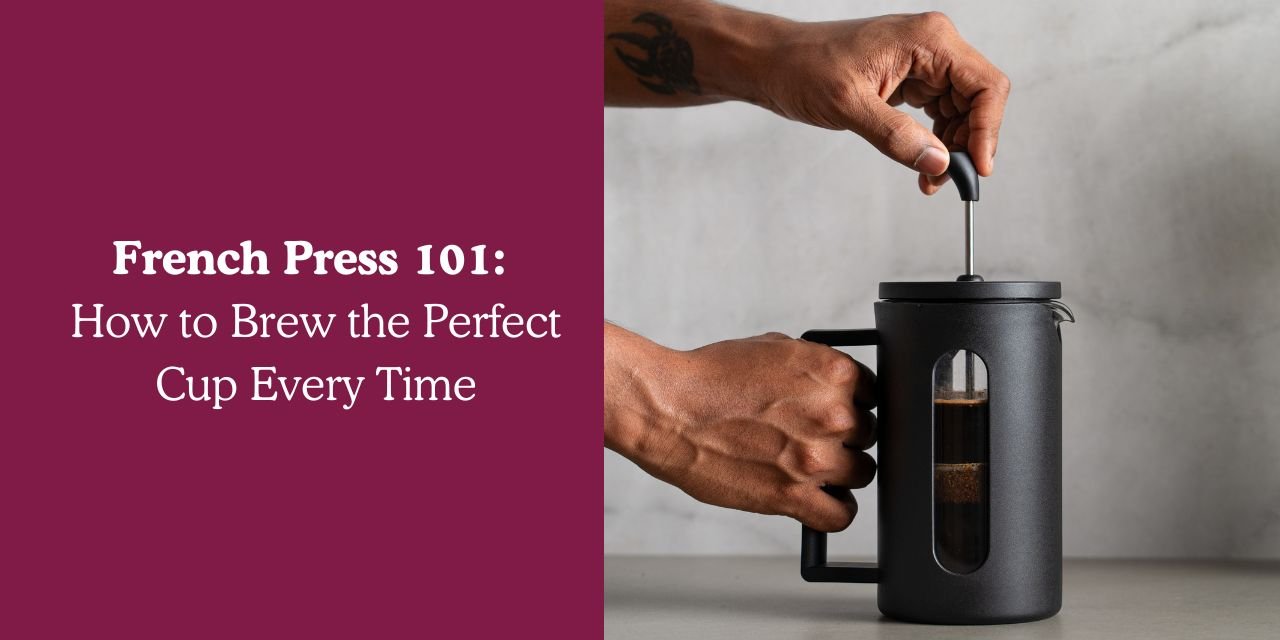
After adding coffee and hot water, you wait about 4 minutes for optimal extraction. Then, you slowly press the plunger to separate the grounds from the liquid.
The simplicity of this process means you control brew time, coffee strength, and flavor. What happens if you press too fast or steep too long? Experimenting with these variables can improve your coffee experience.
Coffee-to-water Ratios
The coffee-to-water ratio is key to making great French press coffee. It controls the strength and flavor of your brew. Using the right amount of coffee for your water ensures a balanced cup. Too little coffee makes weak coffee. Too much coffee makes it bitter and hard to enjoy.
Understanding the common ratios helps you start brewing with confidence. You can then adjust the amount of coffee to fit your taste. Finding the perfect balance takes a little practice, but it is worth it.
Common Ratios For Brewing
The most popular ratio is 1:15. This means one part coffee to 15 parts water. For example, use 20 grams of coffee with 300 ml of water. This ratio gives a smooth and well-balanced flavor.
Another common ratio is 1:12. It makes a stronger cup. Use 25 grams of coffee for 300 ml of water. This ratio suits those who like bold coffee.
For a lighter taste, try 1:17. Use 18 grams of coffee with 300 ml of water. It creates a milder, softer brew.
Adjusting For Strength Preferences
Start with a common ratio and taste your coffee. If it is too weak, add more coffee next time. If it is too strong, use less coffee or more water.
Small changes make a big difference. Adjust coffee by 1–2 grams to find your perfect cup. Keep notes of your changes to repeat the best recipe.
Remember, grind size and brewing time also affect strength. Use a coarse grind and steep for about 4 minutes for best results.
Measuring Coffee
A good rule is to use one tablespoon of coffee per four ounces of water in a French press. Adjust the amount for stronger or lighter taste as you prefer. Too much coffee can make it bitter; too little may taste weak.
Measuring Coffee Getting the right coffee-to-water ratio is crucial for brewing a perfect cup with your French Press. Too much coffee can make your drink overly strong and bitter, while too little can result in a weak, flavorless brew. Finding that perfect balance can feel like a science experiment, but with the right tools and methods, you can master it.
Using Tablespoons Vs. Grams
Many coffee enthusiasts start with tablespoons to measure coffee. It's convenient and easily accessible, but not always precise. A tablespoon can vary in size, which means your coffee measurements can be inconsistent. On the other hand, using grams provides accuracy and consistency. Investing in a small kitchen scale can make a world of difference. For a standard French Press, a common ratio is 1:15, which means one gram of coffee to every 15 grams of water.
Tools For Accuracy
To ensure you get that perfect cup every time, consider using a digital scale. It takes the guesswork out of measuring, especially if you're brewing for more than one person. A coffee scoop designed specifically for coffee can also be helpful. While not as precise as a scale, it's more consistent than using a regular tablespoon. Do you find yourself experimenting with different methods? Try keeping a coffee journal. Record the amount of coffee and water you use, and note your thoughts on the taste. This practice can help you refine your process over time.
Step-by-step Brewing
Brewing coffee with a French press is both an art and a science. Getting the amount of coffee right is crucial, but equally important are the other steps that bring out the best flavors. Let’s walk through each part carefully to help you brew a cup that matches your taste perfectly.
Grinding The Coffee
The grind size can make or break your French press experience. You want a coarse grind—think of chunky sea salt rather than fine powder. This prevents over-extraction and keeps your brew smooth, not bitter.
Too fine a grind will slip through the mesh filter and make your coffee gritty. I’ve learned that adjusting the grind slightly can change the flavor dramatically, so experiment until you find your sweet spot.
Water Temperature And Pouring
Water temperature is key. Aim for about 200°F (just off the boil). Pouring boiling water directly can scorch the grounds and create a harsh taste.
Pour the water evenly over the coffee grounds to saturate them fully. Try pouring in a slow circular motion to ensure every bit of coffee is soaked. Have you noticed how uneven pouring leads to weak or uneven flavors?
Steeping Time
Steeping time controls how much flavor the coffee releases. Four minutes is a solid starting point for most French press brews. Longer steeping can bring out more bitterness, while shorter might feel weak.
Once the time is up, press the plunger down slowly and steadily. I often set a timer to avoid guessing, and it really helps keep consistency from cup to cup. What’s your ideal steeping time so far?
Troubleshooting Brew Issues
Getting the perfect cup from your French press can sometimes feel tricky. You might find your coffee too weak, too strong, bitter, or sour. Troubleshooting these issues helps you adjust the coffee-to-water ratio and brewing time to suit your taste exactly.
Too Weak Or Too Strong
If your coffee tastes weak, you might be using too little coffee or too much water. Try increasing your coffee amount by a tablespoon or reducing the water slightly. Remember, the standard ratio is about 1:15 coffee to water, but your taste might prefer a little more coffee.
On the other hand, if your brew feels too strong or overpowering, you might be using too much coffee or brewing for too long. Cut back on the coffee or shorten the steep time to 3-4 minutes. Have you noticed how a small change in coffee amount can shift the whole flavor?
Bitter Or Sour Taste
Bitter coffee often means over-extraction. This happens when your coffee grounds steep too long or the grind is too fine. Try using a coarser grind and limit brewing to around 4 minutes to reduce bitterness.
Sourness usually points to under-extraction, caused by too coarse a grind or too short brewing time. Grind your beans a bit finer and extend the steeping time to capture more flavor. How does adjusting grind size and time affect the balance of your brew?
Tips For Consistent Results
Getting consistent results from your French press isn't just about measuring the right amount of coffee. Small steps during the brewing process can change the taste and texture dramatically. Paying attention to how you prepare and handle your French press can make every cup enjoyable and predictable.
Preheating The Press
Preheating your French press might seem like a small detail, but it helps maintain the brewing temperature longer. Pour hot water into the empty press and swirl it around before adding coffee and water. This simple step prevents the glass from cooling down your brew too quickly.
Have you noticed your coffee sometimes tastes flat or weak? It could be because your press wasn’t warm enough to keep the water hot during extraction. Try this tip next time and see if your coffee feels richer and more balanced.
Stirring And Plunging Techniques
After adding hot water to the grounds, give the mixture a gentle stir to ensure all coffee particles are evenly saturated. But don’t overdo it; vigorous stirring can release unwanted bitterness. A simple swirl or a few gentle stirs are enough to get the best flavor out.
When plunging, go slow and steady. Pressing too fast can force grounds through the mesh, making your coffee gritty. Have you experimented with different plunging speeds? Try pressing in about 20 seconds and notice how the texture changes.

Credit: www.javapresse.com
Credit: somethingsbrewing.in
Frequently Asked Questions
How Much Coffee For A 1-liter French Press?
Use about 56 grams (8 tablespoons) of coffee for a 1-liter French press. This ensures a strong, balanced brew. Adjust slightly to taste.
What’s The Ideal Coffee-to-water Ratio In French Press?
A 1:15 coffee-to-water ratio is ideal. For every gram of coffee, use 15 grams of water. It creates a smooth, rich flavor.
How To Measure Coffee For French Press Accurately?
Use a kitchen scale to measure coffee grams precisely. Avoid using tablespoons as they vary. Accurate measurement improves consistency and taste.
Can I Use More Coffee For Stronger French Press Coffee?
Yes, increase coffee amount gradually to intensify flavor. Be careful not to overdo it, or your coffee may taste bitter.
Conclusion
Finding the right coffee amount for your French press takes practice. Start with two tablespoons of coffee per six ounces of water. Adjust the amount to fit your taste. Too little coffee makes weak brew. Too much makes it bitter.
Use fresh, coarsely ground beans for best flavor. Remember, water temperature and steep time also matter. Enjoy your coffee ritual and keep experimenting. Every cup can get better with small changes. Brewing coffee should be simple and fun. Your perfect French press coffee is just a few tries away.