
Are you tired of guessing how much coffee to put in your French press? Getting the perfect cup starts with the right amount of coffee.
Too little, and your brew will taste weak. Too much, and it can become bitter and overwhelming. You want a rich, smooth flavor that wakes you up and satisfies your taste buds. You’ll discover exactly how much coffee to use for your French press, so every cup you make is just right.
Keep reading, and say goodbye to disappointing coffee forever.
Choosing The Right Coffee Amount
Choosing the right amount of coffee for your French press impacts the taste and strength of your brew. The balance between coffee and water creates a flavorful cup. Measuring coffee correctly helps avoid weak or bitter coffee.
Standard Coffee-to-water Ratios
The usual ratio is 1:15 or 1:16. This means one part coffee to 15 or 16 parts water. For example, use 30 grams of coffee for 450 ml of water. This ratio offers a balanced, smooth flavor for most people.
Adjusting For Strength Preferences
Some like stronger coffee; others prefer it lighter. To make coffee stronger, use more coffee per water amount. To make it lighter, use less coffee. Small changes affect taste a lot. Experiment with amounts until you find your perfect strength.
Considering Coffee Grind Size
Grind size affects how much coffee you need. Coarser grinds extract slower, so use a little more coffee. Finer grinds extract faster, so use slightly less. Grinding too fine can make coffee bitter. Keep grind size consistent for the best results.
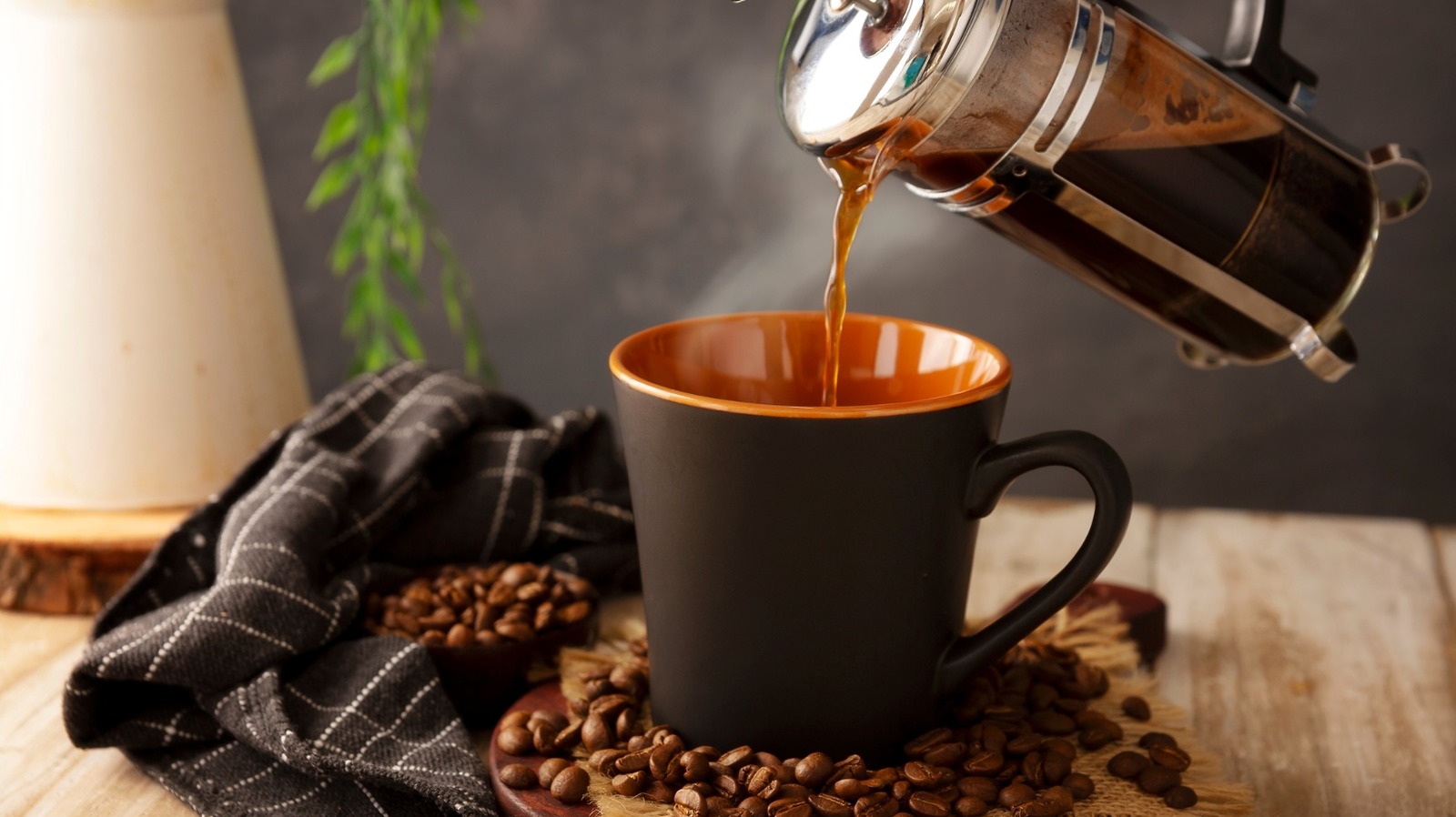
Credit: www.thetakeout.com
Measuring Coffee Accurately
Measuring coffee accurately is key to brewing a delicious cup with your French press. Too little coffee results in weak flavor, while too much can make your drink bitter. Finding the right balance takes precision and practice.
Using Kitchen Scales
Kitchen scales offer the most precise way to measure coffee. Weighing your grounds in grams ensures consistency every time you brew.
Try weighing about 15 grams of coffee for every 250 ml of water. This ratio can be adjusted to your taste, but starting with a scale removes guesswork.
Personally, switching to a scale changed my French press game. No more guessing or uneven strength in my coffee.
Measuring By Tablespoons
If you don’t have a scale, tablespoons work as a simple alternative. One level tablespoon of coarsely ground coffee weighs roughly 5 grams.
Use three tablespoons for a 12-ounce (about 350 ml) French press. Remember, this method is less precise but still effective.
Keep in mind that spoon size and grind coarseness affect the amount, so consistency is harder to achieve.
Tips For Consistency
- Use the same grind size:Coarse grounds are best for French press and help keep measurements reliable.
- Level your scoops or teaspoons:Avoid heaping to maintain the right coffee-to-water ratio.
- Keep a brewing journal:Note how much coffee you use and how it tastes. Adjust gradually to find your perfect cup.
Are you paying attention to your measurements, or just eyeballing it? The difference in your coffee’s flavor might surprise you.
Water Quantity And Temperature
Getting the water quantity and temperature right is key to a great French press coffee. These two factors directly affect how the coffee grounds extract, shaping the final taste. Let’s break down what you need to know to perfect your brew.
Ideal Water Volume For French Press
The typical French press size ranges from 12 to 34 ounces, but the water volume should match the amount of coffee you want. A general rule is to use about 1 ounce (30 ml) of water for every 0.07 ounces (2 grams) of coffee grounds.
- If you have 30 grams of coffee, aim for roughly 450 ml of water.
- Adjust the volume to fit your French press size without overfilling.
Have you ever poured too much water and ended up with weak coffee? Balancing water and coffee ensures your cup is neither too strong nor too diluted.
Optimal Water Temperature
The best temperature to pour water in a French press is between 195°F and 205°F (90°C to 96°C). Water that’s too hot can burn the coffee, while water that’s too cool under-extracts the flavors.
If you don’t have a thermometer, let boiling water sit for about 30 seconds before pouring. This simple step can make a big difference in taste.
Impact On Brew Flavor
Water quantity and temperature control how flavors come out in your cup. Too much water with the same amount of coffee makes the brew watery and bland.
Too little water or lower temperature can make the coffee taste sour or underdeveloped. Getting these right helps you unlock the full range of flavors, from bright and fruity to rich and bold.
Think about your favorite coffee flavor—does your current water technique bring it out? Adjusting water volume and temperature might be the secret you’re missing.

Credit: www.starfrit.com
Brewing Time And Technique
Use about one tablespoon of coffee for every four ounces of water in a French press. Pour hot water, stir gently, and let it brew for four minutes for the best flavor. Adjust the amount slightly to match your taste preferences.
Brewing coffee in a French press offers rich flavors. The process involves timing and technique. A few minutes can make a difference in taste. Using the right method ensures a delightful cup. Let's dive into the details.
Recommended Steeping Duration
The steeping time is crucial. A typical duration is four minutes. This time allows the coffee to release flavors. Adjust based on personal preference. Some prefer a stronger brew at five minutes. Others opt for a lighter taste at three minutes. Experiment to find your ideal steeping time.
Plunging Method Tips
Plunging requires care and precision. Start by pressing down slowly. This prevents grounds from escaping. A steady hand ensures a smooth process. If you feel resistance, pause. Let the coffee settle before continuing. A gentle plunge enhances the final taste.
Common Brewing Mistakes
Avoid common errors for a perfect brew. Using boiling water burns the coffee. Instead, let it cool for a minute. Do not rush the plunge. A quick plunge disrupts the flavors. Oversteeping leads to bitterness. Pay attention to timing for the best results.
Adjusting For French Press Size
Adjusting the amount of coffee for your French press depends heavily on its size. Using the right quantity ensures a balanced brew. Too little coffee can make your drink weak. Too much can turn it bitter. Each French press model has its own capacity, making it essential to tailor your coffee amount accordingly.
Small Vs. Large French Presses
Small French presses usually hold 12 to 16 ounces. They are perfect for one to two cups. Large presses can hold up to 34 ounces or more. These are great for serving several people at once. Using the same amount of coffee for both sizes will not work well. The coffee must be scaled to match the water volume.
Scaling Coffee Amounts
The common coffee-to-water ratio is about 1:15. This means 1 gram of coffee for every 15 grams of water. For a 12-ounce (340 ml) press, use around 22 grams of coffee. For a 34-ounce (1 liter) press, use about 67 grams. Use a kitchen scale for precise measurement. Adjust slightly based on taste preference.
Serving Multiple Cups
When serving multiple cups, multiply the coffee and water accordingly. For example, two 12-ounce cups need double the coffee and water. Stir gently after adding hot water to mix grounds evenly. Let the coffee steep for four minutes for best flavor. Press down slowly to avoid bitterness. Pour and enjoy fresh coffee with your guests.

Credit: www.javapresse.com
Experimenting For Personal Taste
Finding the perfect amount of coffee for your French press is a personal journey. Each taste is different. Experimenting helps discover what suits your palate best. Adjusting coffee amounts changes the strength and flavor. Small changes can make a big difference. Keep an open mind and enjoy the process.
Tracking Your Brew Ratios
Start by noting the coffee and water amounts. Use a kitchen scale for accuracy. Write down the ratio you try each time. For example, 1:15 means one part coffee to fifteen parts water. Tracking helps identify which ratio tastes best. It also avoids repeating mistakes.
Tweaking Strength And Flavor
Adjust the coffee amount to change strength. More coffee means a stronger brew. Less coffee results in a lighter taste. Try small changes like adding or subtracting one gram. Notice how flavor shifts with each change. Also, experiment with water temperature and steep time.
Keeping A Coffee Journal
Write down every detail of your brews. Include coffee type, grind size, water temperature, and brew time. Note your thoughts about taste and strength. A journal shows patterns and helps improve your method. Over time, it guides you to your ideal cup.
Frequently Asked Questions
How Much Coffee For A 1-liter French Press?
Use 56 grams (about 8 tablespoons) of coffee for a 1-liter French press. This ratio ensures a balanced, rich brew. Adjust slightly for taste preferences.
What Coffee-to-water Ratio Is Best For French Press?
The ideal ratio is 1:15 coffee to water. Use 1 gram of coffee per 15 grams of water. This creates a flavorful and well-extracted cup.
How Do Grind Size And Coffee Amount Affect Brewing?
Coarse grind is essential for French press to avoid over-extraction. Too much coffee makes the brew bitter; too little results in weak flavor.
Can I Adjust Coffee Amount For Stronger French Press Coffee?
Yes, increase coffee by 10-20% for a stronger cup. Remember to keep grind coarse to prevent sediment and bitterness.
Conclusion
Finding the right coffee amount makes a big difference in taste. Use about one to two tablespoons of coffee per cup. Adjust the amount to match your strength preference. Fresh, coarsely ground coffee works best for French press. Keep stirring gently and let it brew for four minutes.
Enjoy a smooth, rich cup every time you prepare coffee this way. Small changes create your perfect French press experience. Keep practicing and find the balance that suits you best.


