Have you ever wondered how much electricity your refrigerator uses? Knowing how many watts it takes to run your fridge can help you save on energy bills and choose the right appliance for your home.
Whether you're trying to cut costs or just curious about your fridge’s power needs, this guide will give you clear answers. Keep reading to discover the simple facts that can make a big difference for your wallet and your energy use.
Credit: oupes.com
Refrigerator Power Basics
Understanding the power needs of a refrigerator helps manage energy use effectively. Refrigerators use electricity to keep food fresh and drinks cold. Knowing how much power they consume aids in choosing energy-efficient models and controlling electricity bills.
Average Wattage Range
Most refrigerators use between 100 and 800 watts while running. Small models or mini-fridges consume less, usually around 100 to 250 watts. Larger or older models may use more, sometimes up to 800 watts. The average full-size fridge typically uses about 400 to 600 watts.
Starting Vs Running Watts
Refrigerators need more power to start the compressor than to keep running. The starting wattage can be two to three times higher than running wattage. This surge usually lasts a few seconds. Appliances like refrigerators have a “starting watt” rating to show this spike.
Factors Affecting Power Use
- Size of the refrigerator: Larger models use more watts.
- Age of the appliance: Older fridges are less efficient.
- Temperature settings: Lower temperatures use more power.
- Usage frequency: Opening the door often increases energy use.
- Ambient temperature: Hotter kitchens make the fridge work harder.
- Energy rating: Higher ratings mean better efficiency.

Credit: www.mwxnepower.com
Types Of Refrigerators And Their Wattage
Understanding the wattage of different types of refrigerators helps you manage your electricity bill and choose the right model for your needs. Each refrigerator style uses power differently based on its design, size, and features. Let’s look at the common types and their typical wattage to help you decide what fits your home and budget.
Top Freezer Models
Top freezer refrigerators are the classic design found in many homes. They generally use between 100 to 250 wattswhile running. These models are efficient for basic needs and often consume less energy than larger or feature-packed versions.
If you want a reliable fridge without high electricity costs, a top freezer might be your best bet. Have you checked how much energy your current fridge uses compared to these numbers?
Side-by-side Models
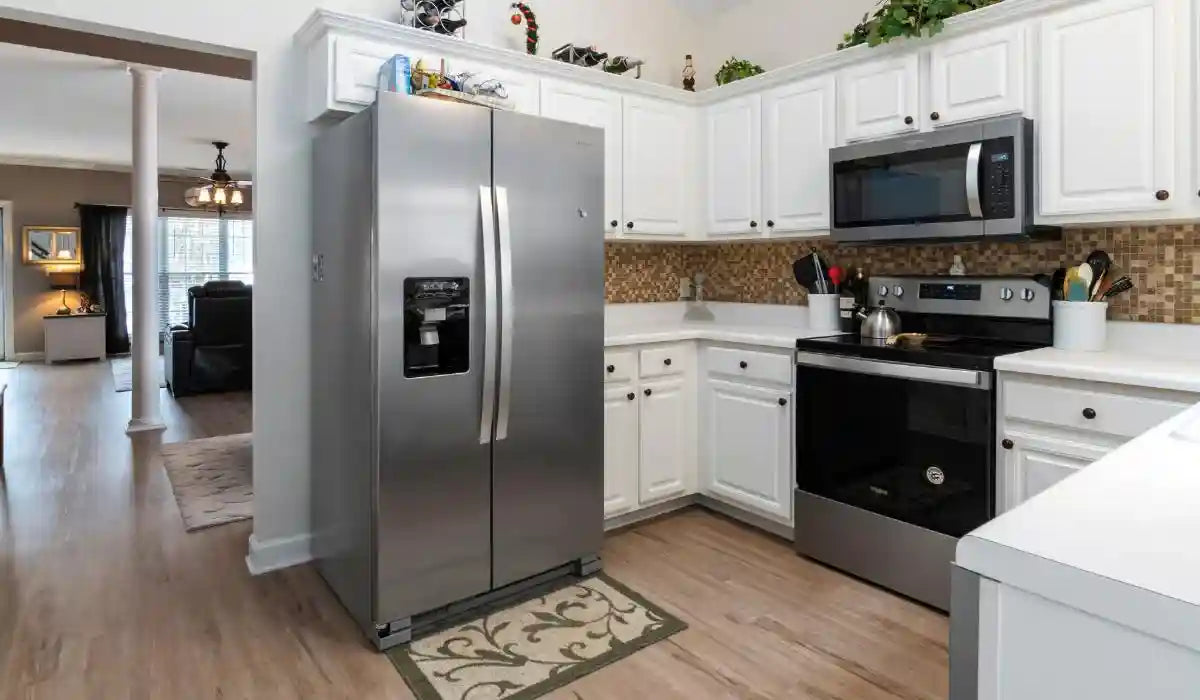
Side-by-side refrigerators offer more space and convenience with the freezer on one side and fridge on the other. These models typically consume between 200 to 400 watts. The added features like water dispensers and ice makers increase their energy use.
Think about whether you really need those extra features daily, as they can add to your power bill. Are you getting enough value from these extras to justify the higher wattage?
Mini Fridges
Mini fridges are compact and perfect for dorm rooms, offices, or small apartments. They usually run at 40 to 100 watts, making them very energy-friendly. Their small size means they don’t consume much electricity, but they also hold less food.
If space is tight, a mini fridge can save energy and money. But consider if the limited capacity will meet your daily needs before choosing one.
Energy-efficient Models
Energy-efficient refrigerators come with advanced insulation and compressors designed to reduce power use. Many models use less than 150 wattseven if they are full-sized. Look for the ENERGY STAR label to identify these fridges.
Switching to an energy-efficient model can lower your electricity bill noticeably over time. Have you compared your current fridge’s rating with newer, energy-efficient options to see potential savings?
Calculating Energy Consumption
Calculating the energy consumption of your refrigerator helps you understand its impact on your electricity bill. Knowing how much power it uses allows you to make smarter decisions about energy savings. Let’s break down the key elements to measure and estimate this consumption effectively.
Understanding Kilowatt-hours
Electricity usage is measured in kilowatt-hours (kWh), which represent the amount of energy consumed over time. One kilowatt-hour means using 1,000 watts for one hour. Your refrigerator’s wattage multiplied by the hours it runs gives you the total kWh.
For example, if your fridge uses 150 watts and runs 8 hours a day, it consumes 1.2 kWh daily (150 watts × 8 hours ÷ 1,000). This simple calculation helps you see exactly how much energy your fridge pulls from the grid.
Estimating Monthly Usage
To estimate your fridge’s monthly energy use, multiply the daily kWh by 30. If your fridge runs 1.2 kWh per day, that adds up to 36 kWh each month.
Keep in mind, refrigerators cycle on and off, so they don’t always run at full wattage. Your fridge might consume less energy during cooler months or if it’s newer and more efficient.
Using A Power Meter
A power meter is a handy device that plugs into your outlet and measures real-time electricity consumption. It shows the exact watts your refrigerator uses, even accounting for those cycling patterns.
Using a power meter gives you personalized data, so you can identify if your fridge is using more power than expected. This insight can help you decide if it’s time for a more energy-efficient model or just a simple maintenance check.

Credit: leaptrend.com
Reducing Refrigerator Energy Use
Reducing the energy use of a refrigerator helps save money and lowers electricity bills. Small changes can make a big difference in how much power your fridge consumes daily. Understanding how to control and maintain your refrigerator properly keeps it running efficiently.
Optimal Temperature Settings
Set the refrigerator temperature between 37°F and 40°F (3°C to 4°C). The freezer should stay at 0°F (-18°C). Cooler settings use more electricity without improving food safety. Avoid setting temperatures too low to reduce energy use. A well-regulated temperature keeps food fresh longer and saves power.
Proper Maintenance Tips
- Clean refrigerator coils every six months to remove dust.
- Check door seals for leaks and replace if damaged.
- Defrost the freezer regularly to prevent ice build-up.
- Keep the refrigerator away from heat sources like ovens or direct sunlight.
- Ensure proper air circulation around the unit by leaving space at the back and sides.
Energy-saving Habits
- Open the fridge door only when necessary and close it quickly.
- Don’t store hot food directly inside; let it cool first.
- Organize food to avoid long searches inside the fridge.
- Use energy-efficient LED lights inside the fridge if possible.
- Turn off the fridge during long absences if empty and safe to do so.
Power Requirements For Off-grid And Backup Systems
Power requirements play a key role in off-grid and backup systems. Refrigerators need steady energy to keep food fresh. Understanding their wattage helps design efficient systems. This keeps your fridge running without interruption during power outages or remote living.
Choosing the right power source depends on your fridge’s energy use and availability. Backup systems must handle the starting surge and continuous running watts. Proper planning ensures reliable cooling anytime, anywhere.
Solar Power Considerations
Solar panels convert sunlight into electricity. The size of the solar array depends on your fridge’s wattage. Calculate daily energy use by multiplying running watts by hours used.
- Include extra capacity for cloudy days.
- Use a solar charge controller to protect batteries.
- Choose efficient fridge models to save solar energy.
Solar systems often need batteries to store power for night use. Proper setup avoids power drops that can spoil food.
Generator Sizing
Generators provide power during outages or off-grid use. Match the generator wattage to your fridge’s starting and running power needs.
- Starting watts are higher due to compressor surge.
- Choose a generator with at least 20% more capacity.
- Run the generator in a ventilated area for safety.
Fuel type and runtime affect generator choice. Gasoline, propane, or diesel models vary in cost and convenience.
Battery Backup Options
Batteries store power for use when other sources are off. Calculate battery size by multiplying fridge watts by hours of backup needed.
- Deep cycle batteries last longer with regular use.
- Use an inverter to convert battery DC to AC power.
- Monitor battery charge to avoid complete discharge.
Combining batteries with solar or generators creates a reliable backup. This ensures continuous fridge operation during power cuts.
Common Myths About Refrigerator Power
Refrigerators are a staple in every home. Yet, misconceptions about their power usage abound. Understanding these myths can help in making better energy choices. Let's debunk some common beliefs about refrigerator power.
More Watts Mean Better Cooling
Many believe more watts mean better cooling. This isn't true. High wattage doesn't always equal high performance. Efficiency depends on design and technology. Modern refrigerators use smart systems for optimal cooling. They achieve this without consuming excessive power. So, a higher wattage might not guarantee better performance.
Frequent Door Opening Has No Impact
Some think opening the door often doesn't affect power use. This is a myth. Frequent opening lets warm air in, making the fridge work harder. It increases energy consumption. Keeping the door closed helps maintain temperature. It can reduce unnecessary power usage.
Frequently Asked Questions
How Many Watts Does A Refrigerator Use On Average?
A typical refrigerator uses between 100 to 800 watts depending on size and model. Most standard fridges consume about 150 to 250 watts during operation.
What Factors Affect A Refrigerator’s Wattage Consumption?
Wattage depends on size, age, compressor efficiency, insulation, and usage frequency. Newer models tend to be more energy-efficient and use fewer watts.
How Can I Calculate My Refrigerator’s Power Usage?
Check the appliance label for watts or amps, then multiply amps by voltage (120V). Alternatively, use a watt meter to measure actual consumption.
Does Refrigerator Size Impact Its Energy Consumption?
Yes, larger refrigerators generally use more watts because they have bigger compressors and more interior space to cool.
Conclusion
Knowing how many watts a refrigerator uses helps you save energy. Most fridges need between 100 to 800 watts to run. Small models use less power; big ones use more. Energy-efficient refrigerators cut down electricity bills. Checking your fridge’s wattage lets you plan better for power needs.
Remember, keeping the fridge door closed saves energy too. Understanding watt use helps you make smart choices. It’s simple to reduce power without losing freshness. Use this info to keep your food cool and costs low.