Are you wondering how many solar panels you need to keep your refrigerator and freezer running smoothly? Whether you're aiming to cut down on electricity bills or prepare for power outages, knowing the right number of panels is crucial.
Too few panels, and your food might spoil; too many, and you could waste money. You’ll discover exactly how to calculate the solar power needed for your fridge and freezer, so you can make smart, energy-efficient choices. Keep reading to unlock simple steps that will save you money and give you peace of mind.
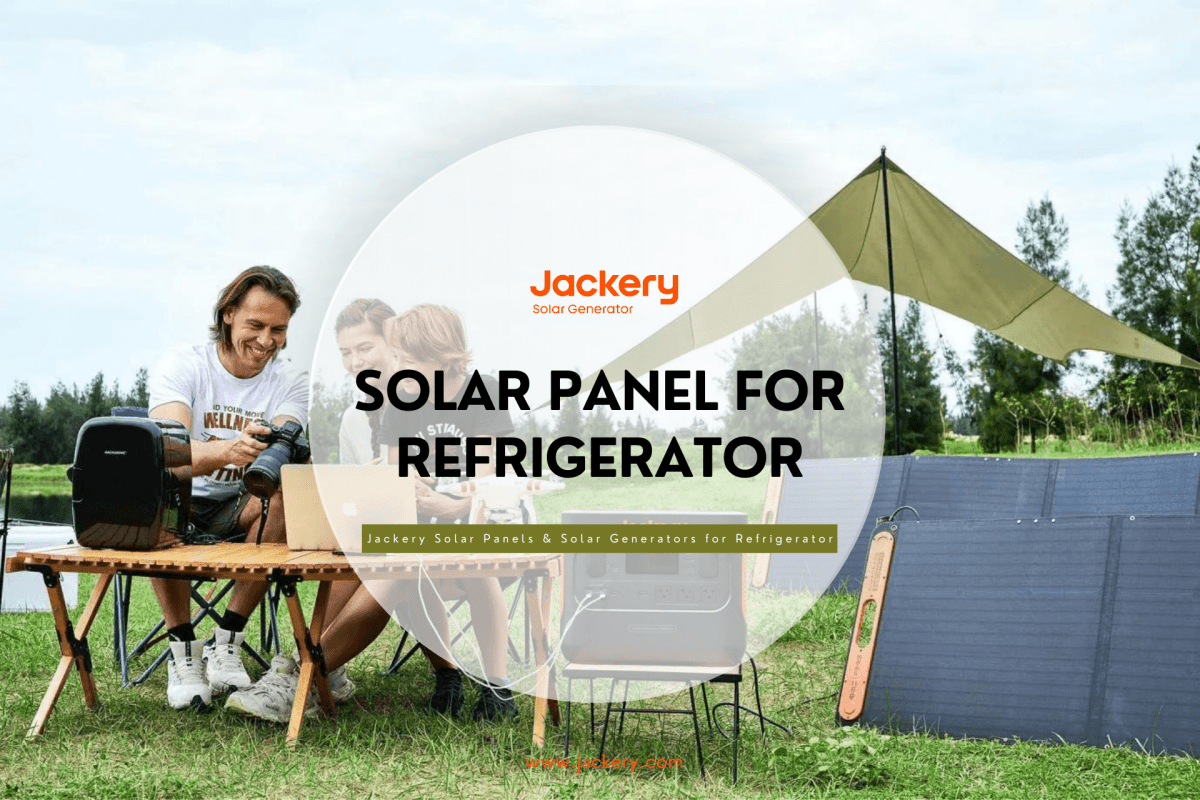
Credit: www.jackery.com
Energy Needs For Appliances
Understanding the energy needs for your refrigerator and freezer is key to figuring out how many solar panels you'll need. These appliances run continuously and their power consumption varies by size, model, and efficiency. Knowing their specific energy use helps you size your solar system correctly and avoid surprises in your energy bills.
Typical Power Usage Of Refrigerators
Most modern refrigerators use between 100 and 800 watts when running. Compact or mini-fridges tend to consume less power, around 100 to 250 watts, while larger full-size models can draw 400 to 800 watts.
Keep in mind that refrigerators cycle on and off throughout the day; they don't use power continuously at their maximum rate. This cycling affects the actual energy they consume over 24 hours.
Power Consumption Of Freezers
Freezers generally consume similar or slightly more power compared to refrigerators, often ranging from 150 to 700 watts. Upright freezers can be more power-hungry than chest freezers, which usually maintain temperature more efficiently.
Older freezers might use considerably more electricity, so checking the Energy Guide label or measuring actual consumption with a watt meter can give you precise data.
Calculating Daily Energy Requirements
To estimate daily energy use, multiply the appliance’s wattage by the number of hours it runs each day. For example, a 150-watt freezer running 24 hours consumes 3,600 watt-hours or 3.6 kWh per day.
Since refrigerators and freezers cycle on and off, you should estimate their running time at about 8 to 12 hours daily, depending on your climate and how often you open the doors.
- Check the appliance’s wattage (usually on the label or manual).
- Estimate daily running hours (often 8-12 hours for refrigerators/freezers).
- Multiply wattage by hours to get daily watt-hours.
Have you ever wondered if your solar setup can handle the constant pull from your fridge? Calculating this energy accurately is the first step to ensuring your food stays fresh without draining your solar power.
Solar Panel Basics
Understanding the basics of solar panels is essential before figuring out how many you need to power your refrigerator and freezer. Solar panels convert sunlight into electricity, but the amount of power they generate depends on several important factors. Knowing how solar panels work and what affects their output will help you make informed decisions for your energy needs.
How Solar Panels Generate Power
Solar panels are made up of many small units called photovoltaic (PV) cells. These cells capture sunlight and turn it into direct current (DC) electricity.
The electricity then passes through an inverter, which changes DC into alternating current (AC) that your appliances, like refrigerators and freezers, can use.
Think about it this way: solar panels don’t store energy themselves—they produce it only when the sun shines. So, understanding this helps you plan for power storage or backup options.
Wattage Ratings And Efficiency
Each solar panel has a wattage rating, which tells you how much power it can produce under ideal sunlight. Common residential panels range from 250 to 400 watts.
Efficiency indicates how well a panel converts sunlight into electricity. For example, a 20% efficient panel produces more power than a 15% efficient one of the same size.
When choosing panels, you need to balance wattage, efficiency, and cost. Higher efficiency panels are usually pricier but take up less space—important if your roof area is limited.
Factors Affecting Solar Output
Several factors can reduce the power your solar panels generate:
- Shade:Even small shadows from trees or chimneys can drastically cut output.
- Orientation and Tilt:Panels facing south (in the northern hemisphere) and tilted at the right angle catch the most sun.
- Weather:Cloudy or rainy days lower the energy produced.
- Temperature:Panels work less efficiently at very high temperatures.
Have you checked if your roof gets enough sunlight all day? This simple step can prevent surprises in your solar setup.
Estimating Solar Panel Quantity
Estimating how many solar panels you need to power a refrigerator and freezer depends on several factors. These include the energy consumption of your appliances, the amount of sunlight available, and potential energy losses in the system. Understanding these elements helps create a reliable solar setup that meets your daily needs without overspending.
Matching Panels To Energy Needs
First, find the energy use of your fridge and freezer. Check their watt-hour (Wh) or kilowatt-hour (kWh) ratings on labels or manuals. Add these values to get total daily consumption. For example, a fridge using 150 Wh and a freezer using 200 Wh need 350 Wh daily. This number guides how much power your solar panels must produce.
Considering Sunlight Hours
Solar panels only work during daylight. Calculate average sunlight hours in your location. Use local weather data or solar maps for this. Multiply daily energy needs by a factor based on sunlight hours. For instance, if you get 5 sunlight hours per day, divide total watt-hours by 5. This gives the wattage your panels must provide each hour.
Accounting For System Losses
Not all solar energy converts into usable power. Losses occur due to wiring, inverter efficiency, and battery storage. Plan for about 20-25% energy loss. Increase panel wattage accordingly to cover these losses. For example, if you need 350 Wh daily, multiply by 1.25 to get 437.5 Wh. This ensures your system runs smoothly even with some energy loss.

Credit: deyeess.com
Battery Storage And Inverters
Battery storage and inverters are essential parts of a solar-powered setup for running your refrigerator and freezer. Without a reliable battery system, your appliances won’t run smoothly during the night or on cloudy days. The inverter ensures the power from your solar panels and batteries is usable for your household appliances.
Importance Of Battery Backup
Think about how often the power goes out in your area. Your refrigerator and freezer need constant power to keep food fresh. A battery backup stores excess solar energy generated during the day, so your appliances keep running even when the sun isn’t shining.
Without a battery, your system can only power your fridge and freezer when the sun is out, which is rarely practical. Have you considered how much food spoilage could cost you without backup power? A good battery system gives you peace of mind and continuous operation.
Sizing Battery Capacity
Choosing the right battery size depends on your refrigerator and freezer's power consumption and how long you want them to run without sunlight. Start by checking the wattage on your appliances and calculate daily energy use in watt-hours (Wh).
If your fridge uses about 150 watts and runs 24 hours, it uses around 3600 Wh per day. To cover at least one full day without sun, your battery should store at least this much, plus extra to avoid deep discharges that shorten battery life.
Don’t forget to factor in efficiency losses and the depth of discharge. Would you rather invest a little more now or risk frequent power interruptions later?
Choosing The Right Inverter
Your inverter converts the DC power stored in batteries into AC power your refrigerator and freezer use. Picking an inverter with the correct wattage rating is crucial to handle the startup surge of these appliances, which can be 2-3 times their running power.
If your fridge runs at 150 watts, choose an inverter rated at least 400-500 watts to handle the surge. A pure sine wave inverter is better for sensitive electronics and ensures your appliances run efficiently without damage.
Consider inverter efficiency and features like overload protection. How often do you check if your inverter matches your appliance needs? It’s a small step that can save you from costly replacements.
Installation Tips
Calculating the right number of solar panels for a refrigerator and freezer depends on their energy needs. Check the appliances' wattage and consider sunlight hours in your area. More sunlight means fewer panels needed. Always factor in energy storage options like batteries for cloudy days.
Installing solar panels to power a refrigerator and freezer can be a game-changer for your energy bills and environmental footprint. However, to get the most out of your solar setup, there are key installation tips you should consider. These tips ensure that your solar panels work efficiently, safely, and effectively to keep your fridge and freezer running smoothly.
Optimal Panel Placement
Proper placement of solar panels is crucial to maximize sunlight exposure. Aim to position them where they can receive direct sunlight for the majority of the day. If you have a south-facing roof, that's typically the best spot. Avoid placing panels in shaded areas, even partial shade can significantly reduce efficiency. Keep an eye on any trees or structures that might cast shadows during peak sunlight hours. Consider the angle of your roof. Solar panels should be installed at an angle that matches your latitude to maximize energy absorption.
Maintenance For Efficiency
Regular maintenance is key to keeping your solar panels running at peak efficiency. Clean the panels periodically to remove dust, leaves, or snow that may block sunlight. Check for any signs of damage or wear. Even minor issues can lead to significant drops in performance if not addressed promptly. Monitor your energy output to ensure your panels are producing the expected amount of power. This can help you spot potential issues early.
Safety Considerations
Safety should always be a priority during installation and maintenance. Ensure that all electrical connections are secure and insulated to prevent any hazards. Work with a professional installer if you’re not confident in your abilities. This can prevent accidents and ensure your system is set up correctly. Consider installing a safety switch to quickly disconnect your solar system from the grid in case of emergencies. This adds an extra layer of safety for your home. Reflect on these tips and ask yourself: Are you ready to harness the sun's power for your appliances? With the right approach, you can create a more sustainable and cost-effective home.

Credit: deyeess.com
Cost And Savings
Understanding the cost and savings involved in powering your refrigerator and freezer with solar panels is essential before making the switch. It’s not just about the upfront price; it’s about how much you save over time and what financial help you can get along the way. Let’s break down what you need to consider to make an informed decision.
Initial Investment Breakdown
Your initial investment includes the cost of solar panels, an inverter, batteries, and installation fees. A typical solar panel system to run a fridge and freezer might cost anywhere from $1,500 to $3,000, depending on the size and quality. Don’t forget to add wiring and mounting hardware, which can add a few hundred dollars more.
Think about your energy needs carefully. A small, energy-efficient fridge might require fewer panels, reducing the upfront cost. Choosing reliable components can save you money on repairs and replacements later.
Long-term Savings
Solar panels cut your electricity bills by using free energy from the sun. Over 10 to 20 years, this can amount to significant savings, often covering the initial investment multiple times over. How much you save depends on your local electricity rates and how much sunlight your area receives.
Maintenance costs for solar panels are low, usually just occasional cleaning and inspections. If you track your energy use and system performance, you can spot problems early and keep savings steady.
Incentives And Rebates
Many governments and local utilities offer incentives to lower the cost of solar panel systems. These can include tax credits, cash rebates, or even zero-interest loans. For example, the federal solar tax credit in the U.S. can reduce your system cost by 30%.
Check with your local energy office or solar installer about available programs. These incentives can make a huge difference, making solar panels more affordable and quicker to pay off.
Common Challenges
Running a refrigerator and freezer on solar power sounds simple, but there are several challenges you’ll face along the way. These issues can affect how many solar panels you actually need and how reliably your system performs. Understanding these common obstacles helps you plan better and avoid costly surprises.
Dealing With Limited Sunlight
Solar panels only generate power when the sun is shining. If you live in an area with cloudy weather or shorter days during winter, your system might not produce enough energy to keep your fridge and freezer running continuously.
Think about how many hours of direct sunlight you get each day. Can your panels store enough energy for nighttime or cloudy days? Adding a battery bank is often necessary to cover these gaps.
Handling High Power Draws
Refrigerators and freezers have compressor motors that require a surge of power when starting up. This initial spike can be two to three times higher than their normal running wattage.
If your solar setup isn’t designed to handle these peaks, your fridge might fail to start or cause your system to shut down. It’s crucial to size your inverter and panels to handle these bursts effectively.
System Scalability
Your energy needs may grow over time. Maybe you add more appliances or a bigger freezer. Can your solar system easily expand to meet these new demands?
Planning a scalable system means choosing components that allow you to add more panels or batteries later without a full overhaul. This flexibility saves you money and hassle down the road.
Frequently Asked Questions
How Many Solar Panels Power A Standard Refrigerator?
A standard refrigerator typically needs 1 to 2 solar panels, each around 300 watts. This depends on the fridge’s energy consumption and sunlight availability.
Can Solar Panels Run Both Refrigerator And Freezer?
Yes, solar panels can power both if sized correctly. Usually, 3 to 4 panels cover average refrigerator and freezer energy needs.
What Factors Affect Solar Panel Needs For Appliances?
Energy consumption, sunlight hours, panel efficiency, and appliance size impact the number of panels needed to run a refrigerator or freezer.
How To Calculate Solar Panels Needed For Fridge Energy Use?
Check your fridge’s wattage and daily run time. Divide total watt-hours by daily solar panel output to find the panel count.
Conclusion
Running a refrigerator and freezer on solar power needs careful planning. You need enough solar panels to meet their daily energy use. Check the wattage of your appliances first. Then, add some extra panels for cloudy days. This way, your food stays fresh without power worries.
Solar energy can save money and help the environment. Simple steps make solar power work for your kitchen. Start small, learn, and adjust as you go. Solar panels can keep your fridge and freezer running smoothly every day.