Have you ever found yourself puzzled while measuring liquids, wondering just how many drops make up a teaspoon? Whether you’re mixing medicine, cooking, or crafting, knowing the exact conversion can save you from mistakes and frustration.
You’ll discover simple answers that make measuring easier and more accurate every time. Keep reading, and you’ll never second-guess your measurements again!

Credit: www.amazon.co.uk
Drops And Teaspoons Basics
Understanding the basics of drops and teaspoons is important for cooking, medicine, and crafts. These small units help measure liquids accurately. Knowing how many drops fit into a teaspoon saves time and avoids mistakes.
What Is A Drop?
A drop is a tiny amount of liquid. It usually falls from a dropper or pipette. The size of a drop depends on the liquid's thickness and the dropper's shape. Drops are not exact but close enough for many uses.
Teaspoon Measurement
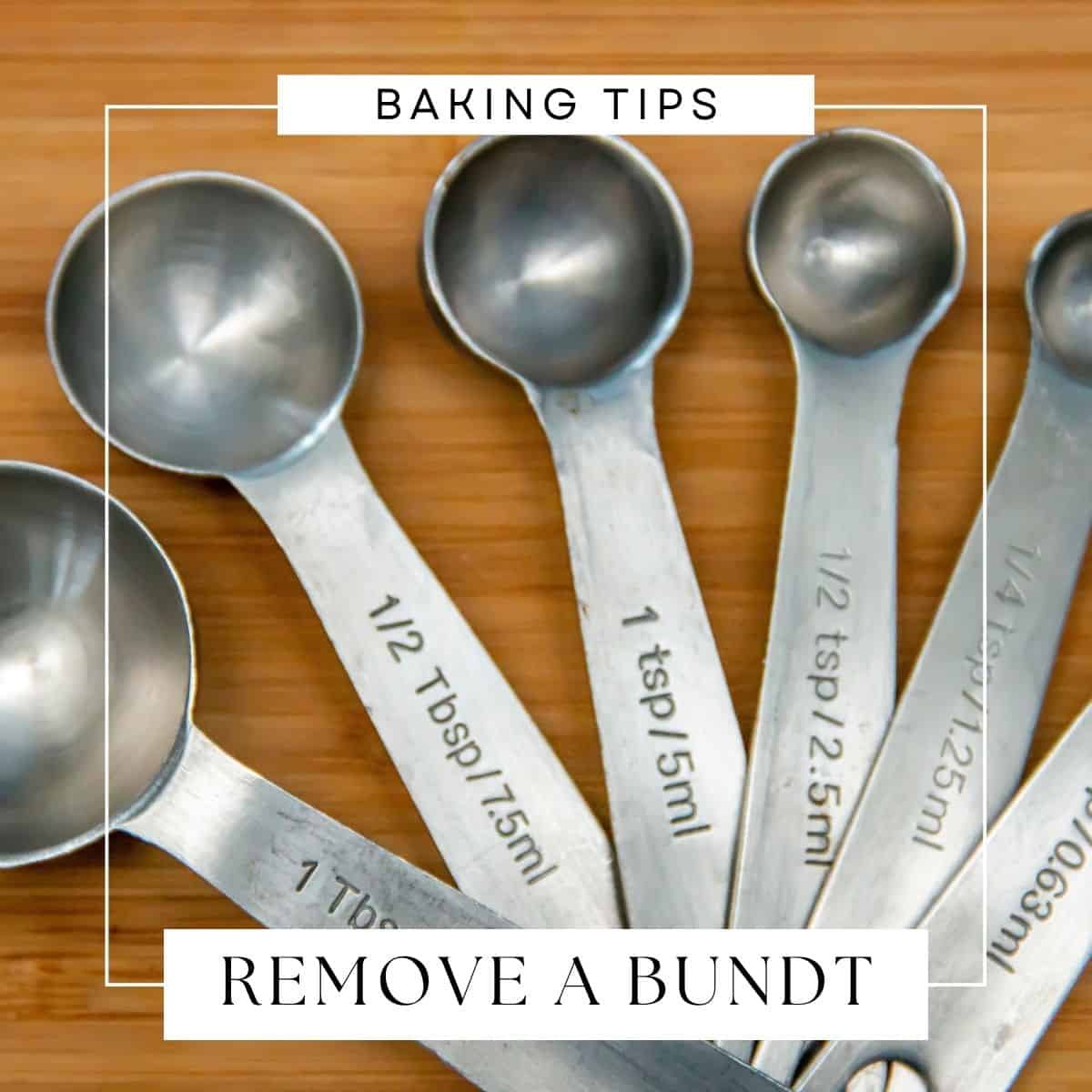
A teaspoon is a common kitchen measure. It holds about 5 milliliters of liquid. This unit is used in recipes and medicine doses. Teaspoons help measure liquid amounts larger than drops.
Why Conversion Matters
Knowing how many drops equal a teaspoon helps with precise measuring. It prevents using too much or too little liquid. This is important for good results in cooking and health. Conversion makes measurements clear and easy to follow.

Credit: www.amazon.com
Standard Conversion Rates
Standard conversion rates help us measure liquid drops in teaspoons accurately. These rates provide a general idea of how many drops fit into one teaspoon. Knowing this helps in cooking, medicine, and other tasks requiring precision.
The number of drops in a teaspoon is not fixed. It depends on several factors that affect drop size and volume. Understanding these can improve your accuracy in measurements.
Drops Per Teaspoon
One teaspoon usually holds about 100 drops of liquid. This number varies slightly based on the liquid’s thickness and dropper size. For water or similar liquids, 100 drops per teaspoon is a reliable estimate. This helps with quick and easy conversions in recipes or doses.
Factors Affecting Drop Size
- Viscosity:Thicker liquids form larger drops, reducing the count per teaspoon.
- Dropper Design:The dropper’s tip size changes the drop volume.
- Surface Tension:Liquids with high surface tension create bigger drops.
- Temperature:Warm liquids flow easier, causing smaller drops.
These factors cause slight differences in drop counts. Always consider them for precise measurements.
Measuring Drops Accurately
Measuring drops accurately is crucial for many tasks, from cooking to medicine. Drops can vary in size depending on the liquid and dropper used. Knowing how to count drops correctly helps ensure precise results. Small differences in drop size can change the final outcome.
Tools For Counting Drops
Using the right tools makes counting drops easier and more accurate. A dropper or pipette is common for dispensing liquid drop by drop. Some droppers have marks to help measure volume.
- Glass or plastic droppers provide control over drop size.
- Graduated pipettes offer precise volume measurement.
- Micropipettes are useful for very small drops in labs.
- Drop bottles with narrow tips reduce inconsistent drop size.
Choosing a quality tool reduces the chance of errors. Always check if the tool fits the liquid’s thickness.
Techniques To Control Drop Size
Drop size depends on the dropper tip and the liquid’s surface tension. Holding the dropper vertically helps maintain consistent drop size. Squeezing the bulb gently creates uniform drops.
- Keep the dropper tip clean to avoid blockages.
- Use steady pressure when squeezing the dropper bulb.
- Allow drops to form naturally before releasing.
- Practice helps develop a steady hand for precise drops.
Controlling drop size leads to more accurate measurements. Consistency is key in tasks that require exact amounts.
Applications Of Drop To Teaspoon Conversion
Understanding the conversion from drops to teaspoons has many practical uses. This knowledge helps in precise measurement across different fields. Accuracy matters in cooking, medicine, and essential oils. Small amounts can make a big difference. Here are some common applications of drop to teaspoon conversion.
Cooking And Baking
Recipes often call for small liquid amounts. Measuring drops can be tricky without the right tools. Knowing how many drops equal a teaspoon helps achieve the right taste. This is important for extracts, flavorings, and food coloring. Precise measurements ensure consistent results. It helps avoid overpowering or weakening flavors.
Medical Dosage
Many medicines require exact doses. Drops are common for liquid medicines like eye drops or tinctures. Converting drops to teaspoons helps caregivers give the right amount. This prevents underdosing or overdosing. Clear measurements improve safety and effectiveness. It supports proper treatment, especially for children.
Essential Oils And Aromatherapy
Essential oils are very concentrated. A few drops can affect aroma and impact. Knowing drop to teaspoon conversion aids in mixing blends. It ensures the right balance for safety and scent. Proper dilution protects skin from irritation. It helps create pleasant, effective aromatherapy experiences.
Common Conversion Mistakes
Many confuse the number of drops in a teaspoon, leading to inaccurate measurements. Drops vary by liquid type and dropper size. Measuring carefully ensures the right amount every time.
Understanding the conversion from drops to teaspoons can be surprisingly tricky. Many people stumble over common mistakes that lead to inaccurate measurements. These errors can affect the outcome of recipes, medication dosages, and more. How can you avoid these pitfalls?
Misjudging Drop Size
One frequent mistake is misjudging the size of a drop. Not all drops are created equal. The size can vary depending on the dropper, the liquid, and even the angle at which it's held. You might assume that all droppers dispense the same size drop, but that's not always true. A standard dropper might deliver 20 drops per milliliter, but others could vary. Always check the drop size specified for accuracy.
Ignoring Liquid Viscosity
Viscosity, or the thickness of a liquid, plays a crucial role in determining how many drops fill a teaspoon. Thicker liquids like honey or syrup will yield fewer drops per teaspoon compared to thin liquids like water or vinegar. Think about the last time you used a dropper for oil. It likely took fewer drops to fill a teaspoon than when using it for water. Adjust accordingly, and you’ll achieve more precise measurements. Have you encountered these conversion challenges before? Understanding these details can make a significant difference.
Credit: mysweetprecision.com
Tips For Precise Measurement
Getting the right amount of drops to equal a teaspoon can be tricky without accurate tools. Precision matters, especially in cooking, medicine, or DIY projects. Here are some practical tips to help you measure drops more accurately and avoid guesswork.
Using Syringes And Pipettes
Syringes and pipettes are excellent for controlling liquid amounts drop by drop. They give you a clear view of how many drops you’re dispensing, which is much better than relying on eye estimates.
When you use a pipette, hold it vertically and release drops slowly to maintain consistency. Syringes with marked measurements let you draw and dispense exact volumes, making it easier to convert drops to teaspoons precisely.
Have you noticed how some droppers release bigger drops than others? Using these tools can help you understand your specific drop size and adjust your measurements accordingly.
Calibrating Your Equipment
Calibration is key if you want reliable measurements. You can calibrate your dropper or pipette by counting how many drops fill a known volume, like a teaspoon (which is about 5 milliliters).
Here’s a simple way to do it:
- Fill your dropper with water.
- Count and drop the liquid into a measuring spoon until it’s full.
- Divide the total volume by the number of drops to find the volume per drop.
This method helps you understand your drop size and adjust recipes or dosages accordingly. How often do you check your tools’ accuracy? Regular calibration can save you from mistakes and wasted ingredients.
Frequently Asked Questions
How Many Drops Equal One Teaspoon?
One teaspoon typically equals about 98 to 100 drops of liquid. This can vary slightly depending on the liquid's viscosity and dropper size. For most cooking or medicinal purposes, 100 drops per teaspoon is a reliable estimate.
Why Does Drop Count Vary In A Teaspoon?
Drop size varies due to liquid thickness and dropper design. Thicker liquids form larger drops, reducing the count per teaspoon. Different droppers also produce different drop sizes, affecting the total drops in one teaspoon.
Can I Use Drops Instead Of Teaspoons In Recipes?
Yes, but precision is key. Using drops is practical for very small quantities, especially with liquids. However, measuring spoons are more accurate for larger volumes like teaspoons in cooking.
Is The Drop-to-teaspoon Ratio Standard Worldwide?
No, the drop-to-teaspoon ratio can differ by country. Measurement standards and dropper designs vary globally, so always check specific conversions for your region or recipe.
Conclusion
Knowing how many drops fit in a teaspoon helps in cooking and medicine. This small detail can make a big difference. Always measure carefully to avoid mistakes. Remember, the number of drops can change by liquid thickness. Use this guide as a quick reference next time.
Precision matters, even in simple tasks. Keep practicing, and you will get better at it. Simple steps lead to great results.