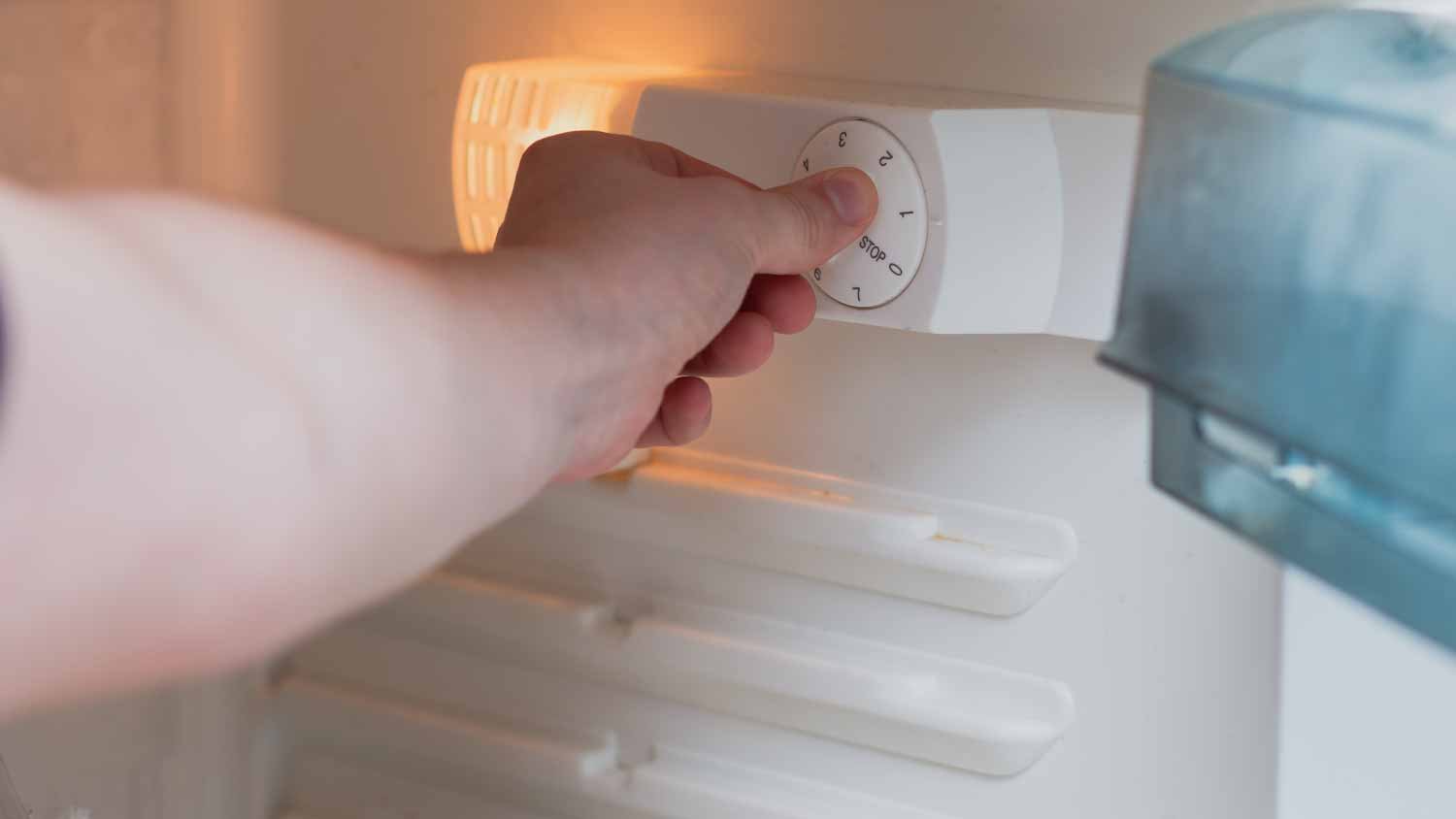
Are you wondering how many cubic feet you really need in a refrigerator? Choosing the right size fridge can save you space, money, and hassle.
Too small, and you’ll constantly run out of room. Too big, and you’ll waste energy and pay more than necessary. This guide will help you figure out the perfect fit for your lifestyle and kitchen. Keep reading to discover simple tips that make picking the right refrigerator size easy and stress-free.
Choosing The Right Size
Choosing the right size refrigerator is key for convenience and efficiency. It affects how much food you store and how often you shop. The right size helps reduce waste and saves energy.
Think about your daily needs and habits before deciding. Here are some important points to consider.
Family Size And Usage
The number of people in your home affects the size you need. A small family might need 10 to 15 cubic feet. Larger families usually require 20 cubic feet or more. Also, consider how often you cook and store leftovers.
Meal Planning Habits
Do you prepare meals daily or buy fresh food often? Smaller refrigerators suit frequent shoppers who prefer fresh produce. If you cook in bulk or freeze meals, choose a bigger fridge. More space helps keep meals fresh longer.
Entertaining Needs
Hosting guests calls for extra storage. A larger fridge holds drinks, snacks, and prepared dishes easily. It prevents overcrowding and keeps food organized. For occasional entertaining, a medium-sized fridge might work well.

Credit: www.danby.com
Standard Refrigerator Sizes
Choosing the right refrigerator size can feel tricky, especially when you want to balance space and storage needs. Standard refrigerator sizes come in a range of cubic feet, designed to fit different kitchen layouts and lifestyles. Understanding these common sizes helps you pick the perfect model without guessing or wasting space.
Compact Models
Compact refrigerators typically range from 3 to 7 cubic feet. They fit well in small apartments, dorm rooms, or as a secondary fridge in a garage or office. If your grocery shopping is light or you eat out often, a compact fridge might be all you need.
Think about how often you restock. Do you buy fresh ingredients weekly or just a few essentials? Compact models save space but offer limited room for bulk storage.
Mid-size Options
Mid-size refrigerators usually range between 10 and 18 cubic feet. These are ideal for small families or couples who cook regularly at home. You get enough space for fresh food, leftovers, and beverages without overwhelming your kitchen.
One practical tip: check the layout inside. Adjustable shelves and door bins can make a mid-size fridge feel larger. How much flexibility do you want for storing tall bottles or large trays?
Large Capacity Units
Large refrigerators often start at 19 cubic feet and can go beyond 30 cubic feet. These models suit bigger families or anyone who buys groceries in bulk. They provide plenty of room for fresh produce, frozen goods, and even party platters.
If you host gatherings or meal prep for the week, large units prevent constant trips to the store. But remember, bigger means more energy consumption and a larger footprint in your kitchen. Is your space ready for it?
Calculating Cubic Feet
Calculating the cubic feet you need in a refrigerator is more than just guessing based on size. Understanding the actual storage capacity helps you pick a fridge that fits your lifestyle and avoids wasted space. Let’s break down the steps to figure out how much room you really have inside your fridge.
Measuring Interior Dimensions
Start by measuring the fridge’s interior length, width, and height. Use a tape measure to get these dimensions in inches. Measure each compartment separately if your fridge has multiple sections like a freezer and fridge area.
Double-check your measurements to avoid errors. A small mistake here can throw off your final calculation. Have a notebook handy to write down these numbers clearly.
Converting Measurements
After measuring, convert your numbers from inches to feet to calculate cubic feet. Remember, 1 foot equals 12 inches. Divide your measurements by 12 to get feet.
For example, if the interior length is 24 inches, divide 24 by 12 to get 2 feet. Do this for length, width, and height. This makes the next step easier and more accurate.
Estimating Storage Space
Now multiply the converted length, width, and height to find the cubic feet. For instance, a fridge interior that’s 2 feet long, 1.5 feet wide, and 3 feet high has a volume of 9 cubic feet (2 × 1.5 × 3 = 9).
Think about how you use your fridge. Do you store large containers or mostly small items? This volume helps you decide if the space suits your needs. Would you rather have a bit more room or a tighter fit to save energy and space?
Types Of Refrigerators
Choosing the right refrigerator size depends on its type and your needs. Different types offer various storage capacities and features. Understanding these options helps decide the cubic feet you need.
Top-freezer Models
Top-freezer refrigerators have the freezer on top and fresh food section below. They often provide good storage space for a smaller footprint. These models usually range from 14 to 22 cubic feet. Ideal for basic kitchen needs and smaller families.
Bottom-freezer Models
Bottom-freezer refrigerators place the freezer at the bottom for easy access to fresh food. They offer more space for fresh items since the main compartment is at eye level. Typical sizes range from 18 to 25 cubic feet. Suitable for those who use fresh food more often.
Side-by-side Models
Side-by-side refrigerators split the freezer and fridge compartments vertically. They provide narrow shelves but easy access to both sections. These models usually measure between 20 and 28 cubic feet. A good choice for kitchens with limited width.
French Door Models
French door refrigerators feature two doors for the fresh food section and a bottom freezer drawer. They offer wide shelves and flexible storage options. Sizes commonly range from 20 to 30 cubic feet. Perfect for larger families and those who store many fresh items.
Energy Efficiency And Size
Choosing the right refrigerator size affects more than just your kitchen space; it also impacts your energy bills. Larger models often use more power, but newer designs aim to keep efficiency high even in bigger units. Understanding the balance between size and energy use helps you pick a fridge that fits your needs without wasting electricity.
Energy Consumption Trends
Refrigerators today use significantly less energy than models from a decade ago. Advances in insulation, compressor technology, and smart features contribute to this drop. However, bigger refrigerators naturally consume more energy because they have to cool a larger volume.
Have you noticed how some large fridges run almost as quietly as smaller ones? That’s because manufacturers focus on energy-saving compressors and better airflow designs. But no matter the tech, a bigger fridge usually means higher electricity use.
Balancing Size And Efficiency
Finding the right fridge size starts with knowing how much space you truly need. Buying a model that’s too large leads to wasted energy and higher bills, while too small means frequent trips to the store. Think about your shopping habits and household size to avoid overbuying.
For example, a family of four might find a 20-22 cubic feet fridge ideal. If you’re single or a couple, 10-15 cubic feet could be enough. This way, you avoid paying extra for unused space and cut down on energy waste.
Energy Star Ratings
Look for refrigerators with the Energy Star label to ensure efficient performance. These models meet strict guidelines for energy use and often come with helpful features like adaptive defrost and LED lighting. An Energy Star fridge uses at least 10% less energy than standard models.
Choosing an Energy Star certified fridge doesn’t just save money on power bills; it also helps reduce your environmental impact. When shopping, compare the estimated yearly energy cost listed on the EnergyGuide label to find the best deal for your budget and lifestyle.
Additional Storage Features
When choosing a refrigerator, the cubic feet measurement gives you an idea of its storage capacity, but it's the additional storage features that make all the difference in how you utilize that space. These features allow you to organize and access your food items efficiently, ensuring nothing gets lost in the back. Let's dive into some of the most useful storage features that can enhance your refrigerator experience.
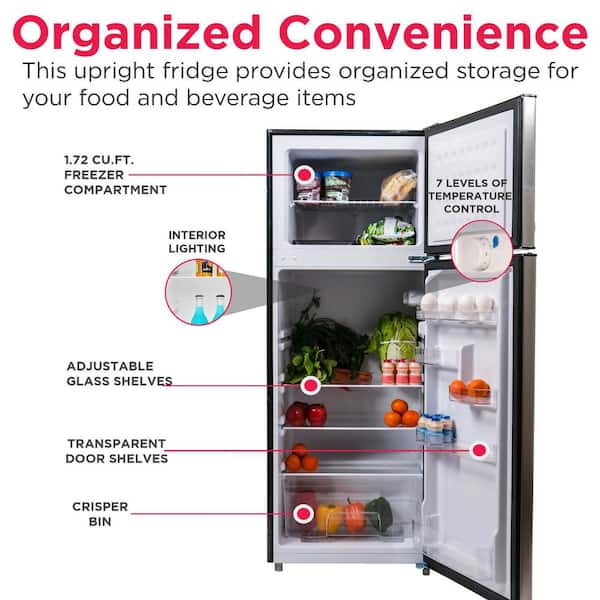
Adjustable Shelves
Adjustable shelves are a game-changer for customizing your fridge to fit your lifestyle. Whether you need extra space for a tall cake or a jug of homemade lemonade, you can easily rearrange the shelves to accommodate larger items. This flexibility allows you to maximize every inch of your refrigerator, making it perfect for both everyday groceries and special occasions.
Crisper Drawers
Crisper drawers are essential for keeping your fruits and vegetables fresh and crisp. With adjustable humidity settings, you can create the perfect environment for different types of produce. Imagine the satisfaction of biting into a crunchy apple or enjoying fresh lettuce that hasn't wilted. These drawers can truly elevate your food storage game.
Door Storage Options
Door storage options offer a convenient space for items you use frequently, like milk, condiments, and juices. Adjustable door bins mean you can fit a variety of bottle sizes without hassle. Plus, by keeping these items in the door, you free up main shelf space for bulkier items, ensuring your fridge stays organized and accessible.
Space Planning Tips
Planning space for a new refrigerator is important. It helps to avoid fitting problems. Proper space planning makes sure the fridge fits well and works efficiently. Consider three main points to plan space smartly.
Measuring Kitchen Space
Measure the width, height, and depth of the area where the fridge will go. Use a tape measure for accuracy. Write down the numbers. Check for any cabinets or obstacles around the space. Account for extra space to open the fridge door easily.
Allowing For Ventilation
Refrigerators need air to flow around them. This keeps the motor from overheating. Leave at least 1 to 2 inches of space on the sides and back. The top also needs a few inches of clearance. Good ventilation helps the fridge run better and last longer.
Door Clearance
Check how much space the fridge doors need to open fully. Some models need more room to swing open. Sliding or French doors need side clearance. Make sure the fridge door won't hit walls, cabinets, or other appliances. Test the door swing before buying if possible.
Credit: www.homedepot.com
Common Mistakes To Avoid
Choosing the right refrigerator size can be a tricky task. Many people make common mistakes that lead to unnecessary costs and inconvenience. Understanding these pitfalls can guide you toward making the best decision for your household.
Overestimating Needs
It's easy to assume that bigger is always better, but that's not necessarily true with refrigerators. Oversizing can lead to wasted space and higher energy bills. Consider how much food your family actually needs to store and avoid the temptation to buy the largest model available.
Ignoring Future Growth
Are you planning on expanding your family or hosting more gatherings in the future? Ignoring potential growth can leave you stuck with a refrigerator that quickly becomes too small. Think about your long-term needs and choose a size that can accommodate changes in your lifestyle.
Neglecting Energy Costs
Large refrigerators often come with increased energy consumption, which can significantly impact your utility bills. Opt for energy-efficient models that suit your needs without breaking the bank. Remember, a slightly smaller fridge that operates efficiently can save you money and space.

Credit: www.danby.com
Frequently Asked Questions
How To Determine Refrigerator Cubic Feet Size?
Measure your household size and food storage needs. Typically, 4-6 cubic feet suits singles, 10-20 for families. Consider kitchen space and lifestyle habits for accurate sizing.
What Cubic Feet Refrigerator For A Family Of Four?
A family of four usually needs 18 to 22 cubic feet. This size offers enough space for daily groceries and leftovers. It balances storage capacity and kitchen space efficiently.
Does Bigger Refrigerator Mean More Energy Consumption?
Yes, larger refrigerators generally consume more energy. Choose an energy-efficient model with proper insulation. Size your fridge according to your needs to save electricity.
How To Maximize Space In A Small Refrigerator?
Organize items using clear bins and adjustable shelves. Store frequently used items in easy-to-reach spots. Avoid overloading to maintain airflow and cooling efficiency.
Conclusion
Choosing the right refrigerator size saves space and energy. Think about your family size and shopping habits. Small families need less space; larger ones need more. Don’t buy too big or too small. Measure your kitchen area first. Remember, extra space helps keep food fresh longer.
A well-sized fridge fits your needs without wasting power. Make a list of what you store often. This helps decide the best cubic feet. Taking time now avoids problems later. Your fridge should work for you, not against you.