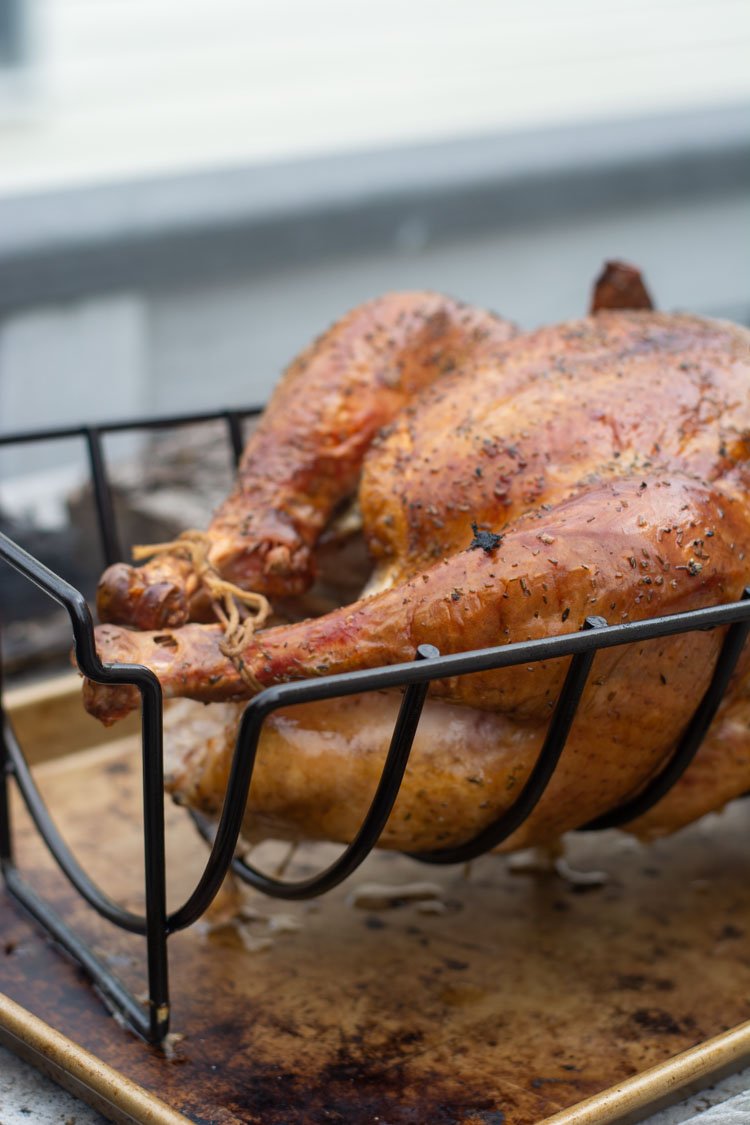
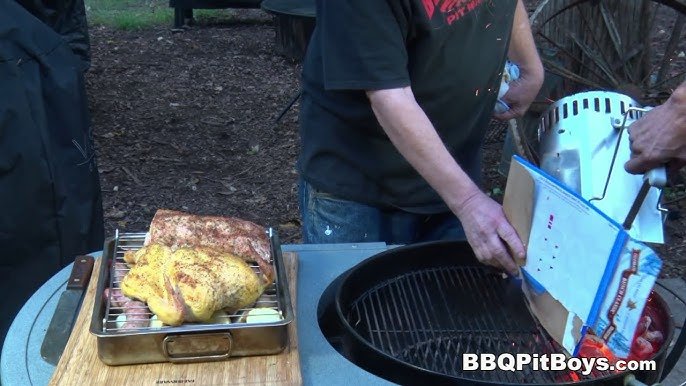
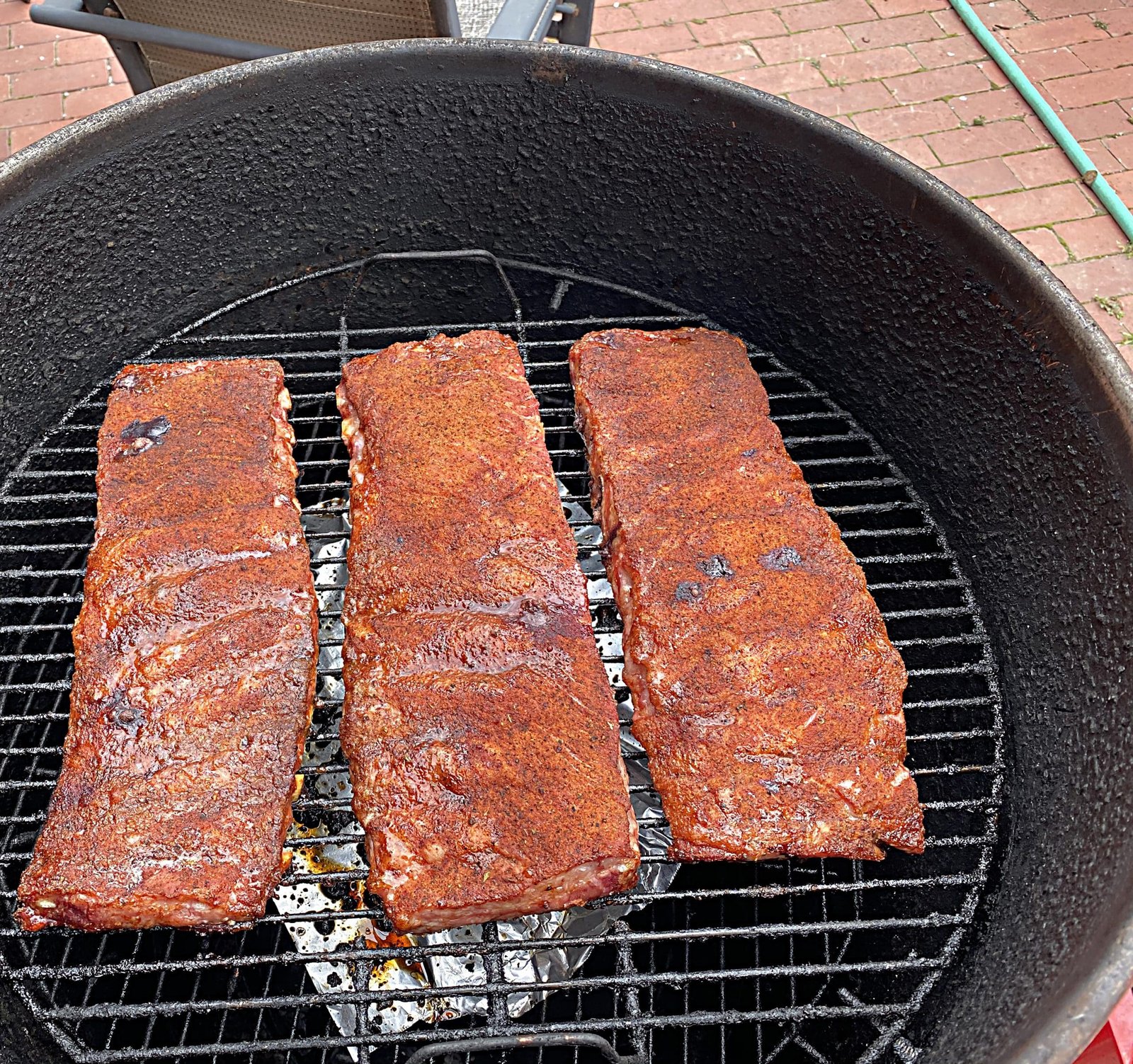
Are you wondering how long to rotisserie Cornish hens to get that perfect, juicy flavor? Cooking these small birds just right can be tricky, but once you know the ideal time, you’ll impress everyone at your table.
Whether you’re a beginner or looking to improve your technique, this guide will help you master the timing. Keep reading to discover the secrets to tender, delicious Cornish hens cooked to perfection every time.

Credit: www.skinnytaste.com
Choosing The Right Cornish Hens
Choosing the right Cornish hens is key to a perfect rotisserie meal. Small, tender hens cook evenly and stay juicy. Picking fresh hens ensures better taste and texture. Look for hens with firm skin and no unpleasant smell. The size of the hen affects cooking time and flavor. Freshness and quality impact the final dish's success.
Size And Weight Considerations
Cornish hens usually weigh between 1 to 2 pounds each. Smaller hens cook faster and remain tender. Larger hens need more time but offer more meat. Choose hens around 1.25 to 1.5 pounds for balanced cooking. Uniform size helps when cooking multiple hens together.
Fresh Vs. Frozen Hens
Fresh hens have a better texture and taste than frozen ones. They cook more evenly on a rotisserie. Frozen hens need to be fully thawed before cooking. Thawing helps prevent uneven cooking and dryness. Always check the sell-by date for freshness.
Skin Quality And Appearance
Good skin looks smooth, firm, and pale pink. Avoid hens with bruises or broken skin. The skin should not feel slimy or sticky. Healthy skin crisps up well during rotisserie cooking. This adds to the flavor and presentation.
Source And Brand Reputation
Buy hens from trusted stores or brands. Quality control is better with reputable sellers. Organic or free-range hens often taste better. They usually have firmer meat and better flavor. Check labels for farming practices and freshness.

Credit: www.grillseeker.com
Preparing Cornish Hens For Rotisserie
Getting your Cornish hens ready for the rotisserie is more than just a quick rinse and toss on the spit. Proper preparation can make a huge difference in flavor and texture. It’s about cleaning, trimming, and seasoning in a way that enhances the natural taste while ensuring even cooking.
Cleaning And Trimming
Start by rinsing the hens under cold water to remove any residue or leftover feathers. Pat them dry thoroughly with paper towels—wet skin won’t crisp up nicely during cooking.
Check inside the cavity for giblets or excess fat and remove them. Trimming excess fat around the neck and tail helps reduce flare-ups on the grill. Don’t forget to tuck the wings under the body to prevent burning and to help the hens cook evenly.
Seasoning Options
Seasoning can be as simple or as bold as you like. A classic option is rubbing the hens with olive oil, salt, pepper, and garlic powder. This keeps the flavors clean and allows the natural taste of the bird to shine.
Want to try something different? Mix herbs like rosemary, thyme, and paprika with lemon zest and a little butter. Rub this blend under the skin and inside the cavity for deeper flavor.
Consider your seasoning as your personal signature on the dish. What flavors do you want to highlight in your hens? Experiment with spice blends or even a marinade overnight to see how it changes the final result.
Rotisserie Equipment Essentials
Rotisserie cooking transforms Cornish hens into juicy, tender meals with crispy skin. But to get the timing and texture just right, you need the right equipment. Understanding what tools and appliances work best will help you master rotisserie cooking and avoid common pitfalls.
Rotisserie Oven Vs. Grill
Choosing between a rotisserie oven and a grill depends on your space and cooking style. A rotisserie oven offers consistent heat and is designed specifically for even cooking, which is ideal if you plan to cook often. It keeps temperature steady, which helps you avoid undercooked or overcooked hens.
Grills with rotisserie attachments provide a smoky flavor that ovens can’t match. However, controlling the heat can be tricky, especially if you’re new to grilling. Have you noticed how uneven heat spots on a grill can affect cooking? That’s why it’s important to monitor the hens closely when using a grill.
Necessary Tools And Accessories
Beyond the main appliance, a few tools make rotisserie cooking easier and more precise. A sturdy rotisserie spit and forks are essential to hold the hens securely as they turn. Without these, the hens can wobble or slip, causing uneven cooking.
Investing in a good meat thermometer is a game-changer. It lets you check the internal temperature without guessing, so your hens won’t dry out or remain raw inside. Also, a drip pan placed under the hens catches fat and juices, preventing flare-ups and making cleanup simpler.
- Rotisserie spit and forks for stability
- Meat thermometer for perfect doneness
- Drip pan to catch drippings and prevent flare-ups
- Heat-resistant gloves to handle hot equipment safely
Have you ever started cooking only to realize you’re missing a key tool? Preparing your equipment ahead saves frustration and improves results every time.
Setting The Ideal Temperature
Setting the ideal temperature is key to perfectly rotisserie-cooking Cornish hens. Too high, and the skin burns before the meat cooks through. Too low, and you risk dry, unevenly cooked poultry.
Finding the right balance ensures juicy meat with crispy skin every time. Have you ever wondered why some rotisserie hens come out dry despite long cooking times? The answer often lies in the temperature setting.
Optimal Cooking Temperature
The best temperature for rotisserie Cornish hens usually falls between 325°F and 350°F (163°C to 177°C). This range allows the meat to cook evenly without drying out.
At 325°F, the hens cook gently, giving the fat time to render and keep the meat moist. If you want a slightly faster cook and crisper skin, 350°F works well but requires careful monitoring to avoid burning.
Keep a reliable meat thermometer handy to check the internal temperature. Aim for 165°F (74°C)in the thickest part of the thigh to ensure safety and juiciness.
Adjusting For Different Equipment
Not all rotisserie setups heat the same. Gas grills, charcoal grills, and electric rotisseries each have unique heat distribution patterns.
- Gas grills:These provide steady, controllable heat. You can set your temperature precisely, making it easier to stay within the ideal range.
- Charcoal grills:Heat fluctuates more here. You might need to adjust the distance between the heat source and the hens or add coals during cooking to maintain consistent temperature.
- Electric rotisseries:These often have fixed settings. Check your model’s manual and monitor cooking progress closely to avoid overcooking.
Have you noticed your hens cooking unevenly? Try rotating the spit more frequently or adjusting the heat source location. Small tweaks can dramatically improve results.
Timing Tips For Perfectly Cooked Hens
Timing is key to rotisserie Cornish hens that are juicy and tender. Cooking too long dries the meat. Cooking too short leaves it underdone. Knowing the right cooking time helps achieve perfect results every time.
Several factors affect cooking time. Weight and size are important. Also, general cooking guidelines provide a solid starting point. Pay attention to these tips for the best outcome.
Weight And Size Considerations
Cornish hens vary in size, typically between 1 to 2 pounds. Smaller hens cook faster. Larger hens need more time on the rotisserie.
Use this simple guide:
- 1 to 1.25 pounds: 35 to 40 minutes
- 1.25 to 1.5 pounds: 40 to 50 minutes
- 1.5 to 2 pounds: 50 to 60 minutes
Check the hen’s weight before cooking. Adjust time accordingly for even cooking.
General Cooking Time Guidelines
Set rotisserie heat to medium, around 350°F (175°C). Rotate hens slowly for even cooking.
| Weight | Cooking Time | Internal Temp (Safe) |
|---|---|---|
| 1 to 1.25 lbs | 35-40 minutes | 165°F (74°C) |
| 1.25 to 1.5 lbs | 40-50 minutes | 165°F (74°C) |
| 1.5 to 2 lbs | 50-60 minutes | 165°F (74°C) |
Use a meat thermometer for accuracy. Insert it into the thickest part of the thigh. The hen is done when it reaches 165°F (74°C).
Monitoring Cooking Progress
Keeping a close eye on your rotisserie Cornish hens while they cook is key to achieving juicy, perfectly done meat. Monitoring the cooking progress helps you avoid overcooking or undercooking, which can ruin the texture and flavor. Let’s look at practical ways to track how your hens are doing on the rotisserie.
Using A Meat Thermometer
A meat thermometer is your best friend during rotisserie cooking. It gives you an exact internal temperature, so you don’t have to guess if the hens are ready. Insert the thermometer into the thickest part of the thigh without touching the bone to get an accurate reading.
For Cornish hens, look for an internal temperature of about 165°F (74°C). This ensures the meat is safe to eat and still juicy. If the temperature is below that, keep the hens turning and check every 5 to 10 minutes.
Have you ever relied on visual cues alone and ended up with dry meat? Using a thermometer eliminates that risk and gives you confidence in the final result.
Checking For Doneness
Besides temperature, you can use a few simple tests to check if your hens are done. One classic method is to pierce the thigh with a fork or skewer and watch the juices. Clear juices mean the hens are cooked through, while pink or red juices suggest more time is needed.
Another way is to gently wiggle the leg. If it moves easily and feels loose, the meat is tender and cooked. If it’s still stiff, the hens need more time on the rotisserie.
Don’t forget to rest the hens for about 5 minutes after cooking. This allows juices to redistribute and makes your meal more flavorful and moist. How do you usually tell when poultry is done? Try these techniques and see if they improve your cooking results.
Resting And Serving Suggestions
After rotisserie cooking your Cornish hens, the final moments before serving are just as important as the cooking itself. Resting allows the juices to redistribute, making the meat tender and flavorful. Plus, thoughtful serving ideas can elevate your meal from simple to memorable.
Importance Of Resting
Resting your Cornish hens for about 10 to 15 minutes after cooking helps the juices settle back into the meat. If you cut into the bird too soon, those flavorful juices will spill out, leaving the meat dry. I once skipped this step and noticed the difference immediately—resting truly makes a juicy, tender bird.
Use a clean plate and loosely cover the hens with foil while they rest. This keeps them warm without steaming the skin, which helps maintain that crispy texture you worked for. Have you ever wondered why professionally cooked poultry always seems so juicy? Resting is the secret.
Serving Ideas And Accompaniments
Rotisserie Cornish hens pair well with a variety of side dishes that complement their rich flavor. Try serving them with roasted vegetables like carrots and Brussels sprouts for a colorful, nutritious plate. A simple garlic mashed potato or a quinoa salad can also add nice texture contrasts.
Consider fresh herbs like rosemary or thyme sprinkled on top for an aromatic touch. A drizzle of lemon juice or a light pan sauce made from the drippings can brighten the flavor even more. What sides do you usually enjoy with your poultry dishes? Experimenting with new combinations can turn your meal into a delightful experience.
Troubleshooting Common Issues
Rotisserie cooking Cornish hens can be rewarding, but it’s not without its challenges. You might face issues like overcooking or uneven cooking that can ruin your meal. Understanding these common problems helps you get juicy, flavorful hens every time.
Avoiding Overcooking
Overcooking is one of the most common mistakes. Cornish hens are small and cook quickly, so keeping an eye on the time and temperature is crucial.
Use a meat thermometer to check the internal temperature. The ideal target is around 165°F (74°C). Once it hits this, remove the hen immediately to avoid drying it out.
Remember, the bird continues to cook slightly after you take it off the heat. Have you ever pulled a hen off the rotisserie only to find it dry? This simple timing adjustment can save your dinner.
Dealing With Uneven Cooking
Uneven cooking happens when one part of the hen is done, but another part remains undercooked. This usually occurs because the hen isn’t rotating evenly or the heat source is inconsistent.
Make sure your rotisserie spit is properly balanced. If the hen wobbles, it won’t cook evenly. Also, check that the heat is distributed evenly around the bird.
Try rotating the hen manually a few times if your rotisserie mechanism isn’t reliable. You might also want to reposition the bird midway through cooking to expose all sides to the heat equally. Have you noticed one side always cooking faster on your grill?

Credit: www.grillseeker.com
Frequently Asked Questions
How Long Does It Take To Rotisserie Cornish Hens?
Rotisserie Cornish hens usually take 45 to 60 minutes to cook. Cooking time depends on hen size and rotisserie temperature, typically around 350°F (175°C). Always check for an internal temperature of 165°F (74°C) to ensure doneness and safety.
What Temperature Is Best For Rotisserie Cornish Hens?
Set your rotisserie to 350°F (175°C) for perfectly cooked Cornish hens. This temperature ensures even cooking and crispy skin without drying the meat. Adjust cooking time as needed based on hen size for best results.
How Do I Know When Rotisserie Cornish Hens Are Done?
Use a meat thermometer to check doneness. The internal temperature should reach 165°F (74°C) in the thickest part of the thigh. Juices should run clear, and the skin should be golden and crispy.
Should I Baste Cornish Hens During Rotisserie Cooking?
Basting is optional but recommended for juicy hens. Use melted butter, marinade, or oil every 15-20 minutes. This helps keep the meat moist and enhances flavor while achieving a crispy skin.
Conclusion
Rotisserie Cornish hens cook best between 45 to 60 minutes. Check the internal temperature to ensure they reach 165°F. This keeps the meat juicy and safe to eat. Let the hens rest a few minutes after cooking. This helps the juices settle inside.
Remember, cooking times may vary based on hen size and grill heat. Keep an eye on your hens during cooking. Enjoy your tender, flavorful rotisserie Cornish hens every time. Simple steps lead to great meals.