Are you wondering how long it takes to roast a chicken in a convection oven? Getting the timing just right can make all the difference between juicy, tender meat and a dry, overcooked bird.
You want your chicken to come out perfectly golden, full of flavor, and cooked safely through. You’ll discover the ideal roasting times and tips to help you master your convection oven. Keep reading, and you’ll soon be serving up a delicious roast chicken that will impress everyone at your table.
Benefits Of Convection Roasting
Roasting a chicken in a convection oven offers many benefits that improve your cooking results. The oven’s fan circulates hot air, creating a consistent temperature throughout. This technique changes the way heat interacts with the chicken, making the process more efficient. It helps you achieve a better texture and flavor without extra effort. The advantages below explain why convection roasting is a smart choice for cooking chicken.
Even Heat Distribution
The fan in a convection oven moves hot air all around the chicken. This means every part cooks at the same speed. No more cold spots or uneven cooking. The chicken cooks uniformly, so the inside is juicy and the outside is done just right.
Crispier Skin
Convection heat dries the chicken skin faster. This drying helps the skin become crisp and golden brown. The hot air removes moisture quickly, making the skin crunchier without burning it. Crispy skin adds great texture and flavor to your roast chicken.
Faster Cooking Times
Convection ovens cook food faster than regular ovens. The moving air transfers heat more efficiently. You save time roasting your chicken, which means less waiting and more eating. Faster cooking also helps keep the meat tender and juicy inside.
Factors Affecting Roast Time
Roasting a chicken in a convection oven depends on several factors that affect the cooking time. These elements change how heat moves around the chicken. Understanding these helps cook the chicken perfectly, juicy inside and crispy outside. Let's explore the main factors that influence roast time.
Chicken Size And Weight
The size and weight of the chicken play a big role in cooking time. Larger chickens need more time to cook through. A small chicken might take 45 minutes, while a big one can take over an hour. The heat must reach the center of the bird to ensure it is safe to eat.
Oven Temperature Settings
The temperature you set on your convection oven changes roast time. Higher temperatures cook the chicken faster but can dry it out. Lower temperatures take longer but keep meat tender. Most recipes suggest 350°F to 400°F for roasting chicken. Adjust the time based on your chosen temperature.
Use Of A Thermometer
A meat thermometer helps check if the chicken is done. This tool measures the internal temperature of the bird. The safe temperature for cooked chicken is 165°F (74°C). Using a thermometer ensures the chicken is fully cooked and juicy. It prevents overcooking or undercooking.
Recommended Roast Times
Knowing the right roasting time for chicken in a convection oven can make all the difference between a juicy meal and a dry disappointment. The fan in a convection oven circulates hot air, cooking the chicken faster and more evenly than a traditional oven. Understanding recommended roast times helps you plan better and achieve perfect results every time.
Whole Chicken Guidelines
For a whole chicken, the general rule is to roast at 375°F (190°C). You should allow about 15 minutes per pound (450 grams) for cooking. For example, a 4-pound chicken will take roughly 1 hour.
Make sure to check the internal temperature with a meat thermometer; it should reach 165°F (74°C) in the thickest part of the thigh. If your chicken is smaller or larger, adjust the time accordingly. Do you often underestimate how long your chicken needs and end up rushing the process?
Chicken Pieces Timing
Roasting chicken pieces like breasts, thighs, or drumsticks requires less time than a whole bird. At 375°F (190°C), bone-in pieces usually take about 25 to 30 minutes. Boneless pieces cook faster, around 20 to 25 minutes.
Remember, thicker pieces take longer, so keep an eye on those larger thighs. Using a meat thermometer can save you from overcooking. Have you tried mixing different pieces on one tray? Keep the size in mind to avoid uneven cooking.
Adjusting For Stuffed Chickens
Stuffed chickens need extra time because the filling slows heat penetration. Add about 10 to 15 minutes to your usual roasting time for a whole stuffed chicken. The filling itself must reach at least 165°F (74°C) for safety.
When roasting stuffed pieces, check both the meat and stuffing temperatures. You might find the stuffing cooks slower, so patience is key. Have you ever cut into your stuffed chicken only to find the filling cold? Monitoring internal temps helps you avoid that.

Step-by-step Roasting Process
Preheat the convection oven to 375°F for even cooking. Roast the chicken for about 20 minutes per pound until the internal temperature reaches 165°F. Let the chicken rest before carving to keep it juicy and tender.
Roasting a chicken in a convection oven is simple and rewarding. The process enhances flavors and ensures even cooking. Follow these steps for a perfect roast every time.
Preparation And Seasoning
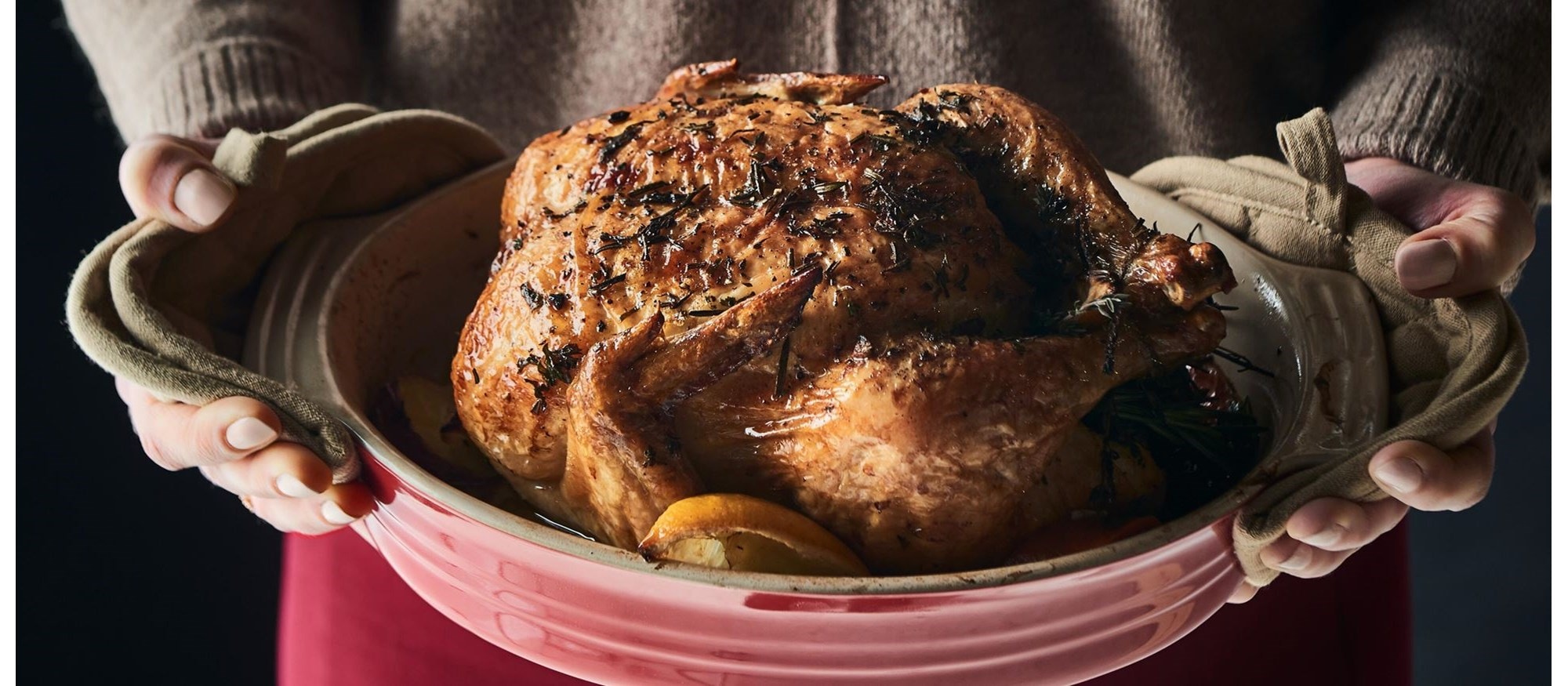
Begin by choosing a fresh, whole chicken. Rinse the chicken under cold water and pat dry with paper towels. Dry skin ensures a crisp texture after roasting. Season the chicken generously with salt and pepper. Rub olive oil or melted butter over the skin. For extra flavor, tuck fresh herbs like rosemary and thyme under the skin. Stuff the cavity with lemon slices and garlic cloves.
Setting The Oven
Preheat your convection oven to 375°F (190°C). Place the chicken breast-side up on a roasting rack in a baking pan. The rack helps circulate heat around the chicken. This ensures even cooking. Insert an oven-safe thermometer into the thickest part of the thigh. Avoid touching the bone for an accurate reading.
Monitoring And Basting
Roast the chicken for 20 minutes per pound. Use the thermometer to check the internal temperature. The chicken is done at 165°F (74°C). Baste the chicken every 30 minutes with its juices. This keeps the meat moist and enhances flavor. Rotate the pan halfway through cooking for even browning. Once the chicken reaches the desired temperature, remove it from the oven. Let it rest for 15 minutes before carving. Resting allows the juices to redistribute, ensuring tender meat.
Common Mistakes To Avoid
Roasting a chicken in a convection oven can be a game-changer for your kitchen, but it’s easy to slip up if you don’t watch out for some common mistakes. These errors often lead to less-than-perfect results, even if you followed the recipe to the letter. Avoiding these pitfalls can make the difference between a juicy, flavorful chicken and one that’s dry or underdone.
Overcooking Risks
Convection ovens cook faster because the hot air circulates evenly around the chicken. This means the usual roasting time you know from a regular oven can quickly become too long here. Overcooking not only dries out the meat but also ruins the texture and flavor.
I once left a chicken in my convection oven for the same time as a conventional oven, thinking it would be fine. The result was a tough, chewy bird that no amount of sauce could save. Always reduce cooking time by about 25% and start checking earlier to avoid this.
Underestimating Rest Time
Resting the chicken after roasting is just as important as cooking it properly. Many skip this step, eager to dig in, but this causes the juices to escape when cutting, leaving dry meat behind.
Give your chicken at least 10 to 15 minutes of rest. During this time, the juices redistribute, making every bite moist and tender. Think of it as the final step that seals the flavor inside.
Ignoring Internal Temperature
Guesswork is your enemy when roasting chicken. Relying solely on time or appearance doesn’t guarantee safety or quality. The most reliable way to know your chicken is perfectly cooked is by checking the internal temperature.
Use a meat thermometer and aim for 165°F (74°C) in the thickest part of the thigh without touching the bone. This simple tool prevents both undercooked, unsafe chicken and overcooked dryness. Isn’t it worth a quick temperature check to avoid ruining your meal?

Tips For Best Results
Getting the perfect roast chicken in your convection oven is about more than just setting the timer. Small actions during preparation and after cooking can make a big difference in taste, texture, and juiciness. These tips will help you get the best results every time you roast a chicken.
Using A Meat Thermometer
Checking the internal temperature with a meat thermometer is the most reliable way to know if your chicken is done. Insert the thermometer into the thickest part of the thigh without touching the bone. Aim for 165°F (74°C) to ensure safety and juiciness.
I used to guess cooking times until I started using a thermometer, and it changed everything. No more dry chicken or undercooked surprises. Do you trust your oven’s timer or your thermometer more?
Letting Chicken Rest
After roasting, let your chicken rest for about 10 to 15 minutes before carving. This allows the juices to redistribute, making the meat more tender and flavorful. Cutting too soon can cause the juices to run out, leaving your chicken dry.
Try to resist the temptation to carve immediately—you’ll notice the difference in moisture and taste. How often do you skip resting time?
Enhancing Flavor With Marinades
Marinating your chicken adds layers of flavor and helps keep it moist during roasting. Use a simple mix of olive oil, lemon juice, garlic, and herbs for at least 30 minutes or overnight for deeper taste. Avoid overly salty marinades, as convection ovens can intensify flavors.
I once marinated a chicken for just 20 minutes and still got great flavor. Experiment with spices you love and watch your roast go from good to memorable. What’s your favorite marinade combo to try next?
Frequently Asked Questions
How Long To Roast A 4-pound Chicken In Convection Oven?
Roast a 4-pound chicken at 375°F for about 60-70 minutes. Check internal temperature for 165°F to ensure it's fully cooked.
Does Convection Oven Roast Chicken Faster Than Conventional?
Yes, convection ovens cook chicken 25% faster due to hot air circulation. This results in crispier skin and juicier meat.
What Temperature Is Best For Roasting Chicken In Convection?
Set the convection oven to 375°F for even cooking. This temperature balances thorough cooking and crispy skin.
How To Check If Convection Roasted Chicken Is Done?
Use a meat thermometer to check for 165°F inside the thickest part. Juices should run clear when pierced.
Conclusion
Roasting chicken in a convection oven takes less time than a regular oven. Keep the temperature around 375°F for even cooking. Check the chicken after about 45 minutes. Use a meat thermometer to be sure it reaches 165°F inside. Let the chicken rest before cutting to keep it juicy.
This method gives you crispy skin and tender meat. Enjoy a delicious meal with simple steps and timing. Cooking chicken this way is easy and saves time too.