If you love making pizza at home, you know a pizza stone can make all the difference. But how long should you really preheat your pizza stone?
Too short, and your crust might end up soggy or uneven. Too long, and you could waste time and energy. You’ll discover the perfect preheating time to get that crispy, golden crust every single time. Keep reading—your next homemade pizza is about to get a serious upgrade.

Credit: palapizza.com
Why Preheat A Pizza Stone
Preheating a pizza stone is an essential step for baking great pizza at home. It prepares the stone to deliver even heat and helps create the ideal crust. Without proper preheating, the pizza might cook unevenly or become soggy. Understanding why preheating matters can improve your baking results and make your pizza taste better.
Role In Crust Texture
The pizza stone absorbs and holds heat, which crisps the dough bottom. A cold stone absorbs heat from the dough, causing it to cook slowly. This leads to a chewy, sometimes soggy crust. A hot stone quickly cooks the dough's surface, creating a crispy, golden crust. It also helps the crust rise properly by giving an instant burst of heat.
Heat Retention Benefits
Pizza stones store heat for a long time, ensuring steady cooking. This steady heat prevents hot spots in the oven. It also keeps the temperature stable when you place the pizza on it. A well-heated stone maintains its temperature, resulting in even cooking from bottom to top. This helps avoid undercooked dough or burnt toppings.

Credit: www.bonappetit.com
Ideal Preheat Time
Knowing the ideal preheat time for your pizza stone is key to baking a perfect pizza. If you don’t heat it enough, your crust may turn out soggy or uneven. On the other hand, overheating can cause the stone to crack or your pizza to burn quickly.
Factors Affecting Duration
Several factors change how long your pizza stone needs to preheat. The thickness and material of the stone play a big role—thicker stones take longer to reach the right temperature.
Your oven’s maximum temperature and how well it holds heat also matter. Older ovens or ones with uneven heat distribution might require more time. Another factor is whether you place the stone on a rack or the oven floor, as heat transfer varies.
Recommended Time Range
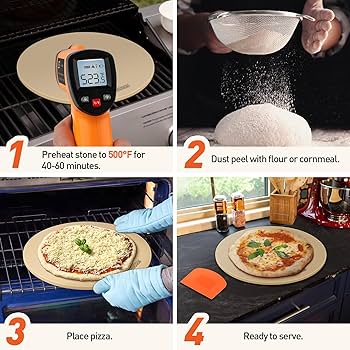
Most pizza stones need about 30 to 45 minutesto fully preheat at 500°F (260°C). This range allows the stone to reach a stable temperature throughout.
- Thin stones might be ready closer to 30 minutes.
- Thicker stones or cold ovens may require the full 45 minutes or a bit longer.
Have you ever tried baking pizza right after placing the stone in the oven? If yes, you probably noticed the crust wasn’t crispy enough. Waiting for the recommended preheat time can make a huge difference in texture and overall taste.
Oven Temperature Settings
Oven temperature settings play a crucial role in baking pizza on a stone. The right heat ensures the crust becomes crispy and the toppings cook evenly. Preheating the pizza stone at the correct temperature helps avoid soggy or undercooked pizza. Understanding the best temperature range and adjusting it for your oven type can improve baking results significantly.
Optimal Baking Temperatures
For most pizzas, the ideal oven temperature ranges between 450°F and 500°F (230°C to 260°C). This high heat mimics a traditional pizza oven and helps the stone absorb and radiate heat evenly. The stone needs time to reach this temperature fully, usually around 30 to 45 minutes.
Lower temperatures may cause a soft crust, while too high temperatures might burn the base quickly. Consistent heat ensures the pizza cooks through without drying out.
Adjusting For Different Ovens
Every oven heats differently, affecting how the stone performs. Gas ovens may have hotter spots, while electric ovens tend to be more even. Convection ovens circulate air, which can reduce cooking time.
Try placing the stone in the middle rack for balanced heat. Use an oven thermometer to check actual temperatures. If your oven runs hot, reduce the temperature by 25°F (about 15°C).
Allow extra preheating time if the oven takes longer to reach the set temperature. Small adjustments can help achieve a perfectly baked pizza every time.
Signs Your Stone Is Ready
A stone is ready when it feels hot to the touch or a few drops of water sizzle on its surface. Usually, preheating takes about 30 to 45 minutes at the right oven temperature. This ensures even cooking and a crispy crust.
Knowing when your pizza stone is ready is crucial for achieving that perfect crispy crust. It’s not just about timing; it’s about recognizing the signs that your stone has reached the optimal temperature. Without this, you risk soggy bottoms or burnt crusts. So, how do you know when your pizza stone is ready to cook up the perfect pie? Let's dive into the indicators that can help you out.
Visual And Tactile Indicators
One way to determine if your pizza stone is ready is by observing its color. As the stone heats, it should turn a shade darker, indicating it's reached a higher temperature. It's a subtle change, but noticeable if you're paying attention. Touch can also be a good guide. Carefully place your hand near the stone—without touching it—to feel the radiating heat. It should feel intensely hot. Always prioritize safety and keep a safe distance to avoid burns.
Using An Infrared Thermometer
An infrared thermometer provides an accurate temperature reading without any guesswork. Aim the thermometer at the center of the stone. You're looking for a temperature of around 475°F to 500°F. This tool can be a game-changer in your pizza-making routine. It eliminates the uncertainty and ensures your pizza has the best chance for success. Have you ever wondered if your stone was ready too soon or too late? An infrared thermometer gives you precise answers.
Common Preheating Mistakes
Preheating your pizza stone correctly is key to baking a perfect pizza. Many people make common mistakes that affect the texture and cooking time of their pizza. Understanding these errors will save you from frustration and wasted ingredients.
Underheating Consequences
Not heating your pizza stone long enough can lead to a soggy crust. The stone needs time to absorb and hold heat evenly, which creates that crisp bottom everyone loves. If you skip or shorten the preheat time, your pizza might stick to the stone or cook unevenly.
Have you ever taken a bite of pizza only to find the base chewy or doughy? That’s often because the stone wasn’t hot enough. Aim for at least 30-45 minutes of preheating at the right temperature to avoid this.
Overheating Risks
On the other hand, leaving your stone in the oven too long at an excessively high temperature can cause it to crack or even break. Stones are porous and sensitive to rapid temperature changes or extreme heat.
Overheating can also burn your pizza’s crust before the toppings are cooked properly. It’s a balance: too hot, and you risk damage; too cool, and you lose the crispiness you want. Have you checked your oven’s actual temperature with an oven thermometer? It might surprise you.
Tips For Faster Preheating
Waiting for your pizza stone to heat up can feel like forever, especially when hunger strikes. But what if you could speed up this process without sacrificing the perfect crust? Here are some practical tips to help you get your stone ready faster, so your pizza night starts sooner.
Using Convection Mode
Convection mode uses a fan to circulate hot air evenly throughout your oven. This circulation helps the pizza stone heat more quickly and consistently. If your oven has this feature, turn it on during preheating to cut down the wait time.
Keep in mind that convection can sometimes cause foods to cook faster on the outside, so adjust your cooking times slightly. Have you noticed your pizza baking differently with convection on? Experimenting here can lead to better results overall.
Stone Placement Strategies
Where you place your pizza stone in the oven makes a big difference. Positioning it closer to the heating element speeds up heat absorption. Try placing the stone on the lowest rack if your oven’s heat source is at the bottom.
Also, avoid putting the stone too close to the oven walls, as air circulation might be blocked, slowing the heating process. Have you tried moving the stone around to find the sweet spot? Little changes like this can shave off valuable preheat minutes.
Maintaining Your Pizza Stone
Maintaining your pizza stone is essential to keep it working perfectly and lasting for years. A well-cared-for stone heats evenly, which means better pizza every time. Taking a few simple steps after each use can prevent damage and make your next pizza night even more enjoyable.
Cleaning After Use
Cleaning your pizza stone properly is key to preserving its surface. Avoid using soap or harsh detergents as the stone can absorb these and affect the taste of your food. Instead, scrape off leftover bits with a plastic spatula or a stiff brush once the stone has cooled down.
If there are stubborn stains, sprinkle some coarse salt on the stone and scrub gently with a damp cloth. This acts like a natural abrasive without damaging the surface. Always let your stone air dry completely before storing it to prevent mold or mildew.
Storage Recommendations
Where and how you store your pizza stone matters as much as how you clean it. Store it in a dry place where it won’t be exposed to moisture or sudden temperature changes, which can cause cracks.
Consider standing your stone upright or placing it flat on a shelf with plenty of space around it. Avoid stacking heavy items on top, as the stone can break under pressure. Do you have a quiet corner in your kitchen that could become your stone’s dedicated home?
Credit: www.amazon.ca
Frequently Asked Questions
How Long Should I Preheat A Pizza Stone?
Preheat your pizza stone for 30 to 45 minutes at 475°F (245°C). This ensures even heat distribution for a crispy crust and perfect baking.
Can I Preheat A Pizza Stone Too Long?
Yes, preheating too long may cause the stone to overheat and crack. Stick to 30-45 minutes for optimal results and stone durability.
What Temperature Is Best To Preheat Pizza Stones?
Preheat pizza stones at 475°F (245°C) for ideal baking. This temperature mimics a traditional pizza oven, providing a crispy, evenly cooked crust.
Should I Preheat Pizza Stone With Oven Door Open?
No, keep the oven door closed during preheating. Opening it causes heat loss, extending preheat time and affecting pizza stone performance.
Conclusion
Preheating a pizza stone takes time but is worth the wait. Usually, 30 to 45 minutes at the right temperature works best. This helps the stone heat evenly and cooks pizza perfectly. Skipping this step can lead to uneven cooking or soggy crust.
Patience pays off with a crispy, delicious pizza every time. Keep the oven closed while preheating to save heat. Remember, good pizza starts with a properly heated stone. Enjoy your baking!