Grilling a whole chicken on your gas grill can be a game-changer for your meals. But you might be wondering, how long should you actually grill it to get juicy, flavorful results every time?
If you’ve ever ended up with dry meat or undercooked chicken, this guide is for you. By the time you finish reading, you’ll know exactly how to master the timing and temperature, so your next grilled chicken turns out perfect — tender on the inside and crispy on the outside.
Keep reading to unlock the secrets that will make your grilling simple and satisfying.

Credit: www.101cookingfortwo.com
Choosing The Right Chicken
Choosing the right chicken sets the foundation for grilling success. The type of chicken you select affects cooking time, flavor, and overall results. Understanding your options helps you grill with confidence and avoid common pitfalls.
Whole Vs. Cut Pieces
Whole chickens offer a juicy, flavorful experience but take longer to cook evenly. Cut pieces like thighs or breasts cook faster and give you more control over doneness. Think about your grill time and how much attention you can give the cooking process when making your choice.
Have you tried grilling a spatchcocked chicken? It’s a great compromise—flattening the whole bird helps it cook more evenly and quickly.
Fresh Or Frozen Options
Fresh chicken usually delivers better flavor and texture but can be pricier and harder to find. Frozen chicken is convenient and widely available but needs proper thawing to avoid uneven cooking. If you rush the thawing process, the middle may stay cold and affect grilling time.
Plan ahead to thaw frozen chicken in the fridge overnight for the best results. Rushing thawing with warm water or the microwave can lead to dry spots and longer grilling times.
Size And Weight Considerations
Smaller chickens or cut pieces grill faster, while larger birds demand more time and patience. A 3 to 4-pound whole chicken typically takes about 60 to 75 minutes on a gas grill, but this varies with grill temperature and bird size.
Weigh your bird before grilling and adjust your cooking time accordingly. Remember, thicker parts need more heat to cook through without burning the skin.
Preparing The Chicken
Preparing your whole chicken properly is key to achieving juicy, flavorful results on your gas grill. Skipping or rushing this stage can lead to uneven cooking or bland taste. Let’s break down the essential steps you need to master before the chicken hits the grill.
Cleaning And Patting Dry
Start by rinsing your whole chicken under cold water to remove any leftover debris or packaging residue. Then, pat it completely dry with paper towels. Moisture on the skin creates steam, which prevents it from crisping up nicely on the grill.
Have you noticed how wet skin leads to soggy results? Drying the chicken thoroughly helps the seasoning stick better and promotes even browning.
Seasoning And Marinating
Seasoning is where you add your personal touch. Rub the chicken inside and out with salt, pepper, and your favorite herbs or spices. Consider marinating it for a few hours or overnight to boost flavor and tenderize the meat.
Simple marinades with lemon, garlic, and olive oil work wonders. But don’t saturate the bird too much—excess liquid can cause flare-ups on the grill. What flavors excite your taste buds the most?
Trussing For Even Cooking
Trussing means tying the legs and wings close to the body with kitchen twine. This keeps the chicken compact, helping it cook more evenly and preventing the extremities from burning before the thicker parts are done.
It might seem like an extra step, but trussing makes a big difference in texture and presentation. Have you tried grilling a chicken without trussing and ended up with burnt wings or dry drumsticks?
Setting Up The Gas Grill
Setting up a gas grill correctly is essential for grilling a whole chicken evenly and safely. Proper setup controls the heat and prevents burning or undercooking. It also helps maintain moisture and flavor in the chicken. Preparing the grill well takes a few simple steps but makes a big difference in the final result.
Preheating The Grill
Start by turning on all burners to high heat. Close the lid and let the grill preheat for 10 to 15 minutes. This ensures the grill grates reach the right temperature. Preheating also helps kill bacteria and prepares the cooking surface for the chicken. Aim for a grill temperature around 375°F to 400°F before placing the chicken.
Direct Vs. Indirect Heat
Use direct heat for quick cooking, but it can burn the outside of the chicken. Indirect heat cooks the chicken slowly and evenly. For whole chicken, indirect heat is best. Turn off one or two burners and place the chicken over the unlit area. This method allows the chicken to cook through without burning the skin.
Temperature Zones
Create temperature zones by adjusting burner levels. One side should be hot for searing. The other side stays cooler for slow cooking. This setup gives control over the cooking process. Move the chicken between zones if needed. Use a grill thermometer to check temperature zones precisely.

Credit: www.101cookingfortwo.com
Grilling Time Guidelines
Grilling a whole chicken on a gas grill usually takes about 60 to 90 minutes. Maintain a medium heat around 350°F for even cooking. Check the internal temperature reaches 165°F for safe eating.
Grilling a whole chicken on a gas grill can be a delightful experience, especially when you nail the timing. Understanding how long to grill your bird is crucial for achieving that juicy, tender meat with a perfectly crispy skin. But how do you know exactly when your chicken is done? Let’s break down the grilling time guidelines to help you master your grilling game.
Average Cooking Times By Weight
The weight of your chicken plays a significant role in determining the grilling time. Typically, a whole chicken weighing around 3 to 4 pounds takes about 60 to 75 minutes to cook. If you have a larger bird, say 5 to 6 pounds, you might need to grill it for 90 to 105 minutes. It's essential to keep the grill lid closed as much as possible to maintain the heat. This ensures even cooking without losing moisture. Remember, the goal is to achieve that golden-brown finish without burning.
Adjusting For Grill Temperature
The grill temperature is another key factor in determining cooking time. Ideally, you want to maintain a consistent temperature of around 350°F. But what if your grill runs hotter or cooler? Adjust accordingly. If your grill tends to run hot, consider reducing the heat slightly and check your chicken more frequently. A cooler grill might require you to extend the cooking time by 10 to 15 minutes. Always keep an eye on the flame and adjust the burners as needed.
Using A Meat Thermometer
Using a meat thermometer is the most reliable way to ensure your chicken is thoroughly cooked. Insert it into the thickest part of the thigh without touching the bone. You're aiming for an internal temperature of 165°F. This tool not only assures that your chicken is safe to eat but also helps avoid overcooking. Have you ever sliced into what looked like a perfectly cooked chicken only to find it still pink? A thermometer prevents such surprises. Grilling a whole chicken might seem daunting at first, but with these guidelines, you're equipped to tackle it with confidence. What's your favorite seasoning to use when grilling chicken?
Cooking Techniques
Grilling a whole chicken on a gas grill requires the right cooking techniques for juicy, flavorful results. Choosing the proper method affects cooking time and texture. Understanding these techniques helps you grill chicken evenly and safely. Here are some popular ways to cook whole chicken on a gas grill.
Spatchcocking For Faster Cooking
Spatchcocking means removing the backbone and flattening the chicken. This technique allows the chicken to cook more evenly and quickly. It exposes more surface area to the heat, reducing cooking time by about 25%. The chicken skin crisps up nicely, while the meat stays tender and juicy. It also makes it easier to season and baste the chicken.
Rotisserie Method
Using a rotisserie attachment lets the chicken rotate slowly over the heat. This constant turning cooks the chicken evenly on all sides. The juices baste the meat as it spins, keeping it moist. Cooking time is longer but the chicken gets a beautiful golden crust. The rotisserie method works well for larger chickens and gives a professional finish.
Managing Flare-ups
Flare-ups happen when fat drips onto the grill flames. They can burn the chicken and cause uneven cooking. Control flare-ups by trimming excess fat before grilling. Keep a spray bottle of water nearby to douse small flames quickly. Use indirect heat zones on your gas grill to avoid direct flames under the chicken. Close the lid to reduce oxygen and control flare-ups better.
Checking Doneness
Checking the doneness of a whole chicken on a gas grill ensures safe and tasty results. It avoids overcooking or undercooking the meat. There are key signs to watch for, including temperature, look, and feel. Using these clues helps you serve juicy, perfectly grilled chicken every time.
Internal Temperature Targets
Use a meat thermometer to check the chicken’s temperature. Insert it into the thickest part of the thigh, avoiding the bone. The safe temperature for cooked chicken is 165°F (74°C). This ensures the meat is fully cooked and safe to eat. Check the temperature in several spots for accuracy.
Visual And Texture Cues
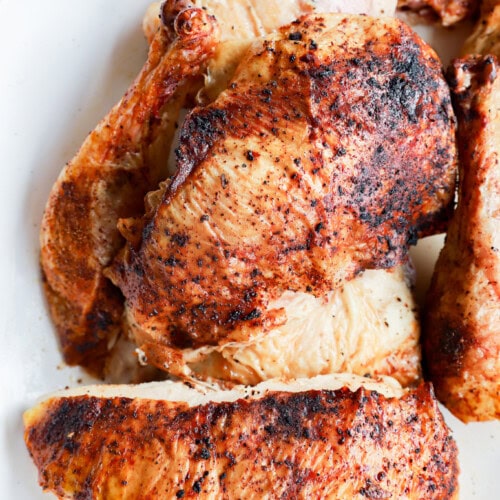
Look for clear juices running from the chicken. Pink or red juices mean the chicken needs more time. The skin should be golden brown and slightly crisp. The meat should feel firm but not hard. Wiggle the leg; it should move easily without resistance.
Resting The Chicken
Let the chicken rest for 10 to 15 minutes after grilling. Resting lets juices redistribute inside the meat. This keeps the chicken moist and flavorful. Cover the chicken loosely with foil during resting to keep it warm.
Serving Tips
Serving a perfectly grilled whole chicken is only half the fun; how you present and handle it afterward can elevate the entire meal experience. Paying attention to carving, choosing the right sides, and properly storing leftovers ensures your efforts shine from start to finish. Let’s dive into some practical tips that make your grilled chicken the star of the table.
Carving The Whole Chicken
Carving your grilled chicken properly helps retain its juiciness and makes serving easier. Start by letting the chicken rest for at least 10 minutes after grilling to allow the juices to redistribute. Use a sharp knife and cut along the joints—separate the legs, thighs, wings, and then slice the breast meat against the grain for tenderness.
Have you noticed how some pieces stay juicy while others dry out? That often happens when you cut too soon or slice incorrectly. Taking your time here can make every bite delicious.
Pairing With Sides
Think about balance when choosing sides. Fresh, crisp salads add a refreshing contrast to the smoky richness of grilled chicken. Roasted vegetables or grilled corn complement the flavors without overpowering them.
If you’re looking for something heartier, consider creamy mashed potatoes or a simple rice pilaf. Don’t overlook sauces—something tangy like a chimichurri or a classic barbecue sauce can add an exciting layer of flavor.
Storing Leftovers Safely
Leftover grilled chicken can be a great base for quick meals, but safety is key. Cool the chicken within two hours of cooking to prevent bacteria growth. Store it in an airtight container and keep it in the fridge for up to 3-4 days.
If you want to keep it longer, freezing is your best option. Wrap the chicken tightly in foil or plastic wrap and place it in a freezer bag to avoid freezer burn. How do you plan to use your leftovers? Maybe a chicken salad or hearty soup awaits!
Credit: www.cakenknife.com
Frequently Asked Questions
How Long To Grill A Whole Chicken On A Gas Grill?
Grill a whole chicken for about 60 to 90 minutes over medium heat. Maintain a temperature around 350°F for even cooking. Use indirect heat to avoid burning. Check internal temperature reaches 165°F for safe consumption.
What Temperature Is Best For Grilling Whole Chicken?
Set your gas grill to medium heat, approximately 350°F. This temperature cooks the chicken evenly without drying it out. Use a meat thermometer to monitor internal temperature. Avoid high heat to prevent charring the skin before the inside is cooked.
How Do I Know When Whole Chicken Is Fully Cooked?
Use a meat thermometer inserted into the thickest part of the chicken. The internal temperature must reach 165°F for safe eating. Juices should run clear, and meat should not be pink. Check multiple spots to ensure even cooking throughout.
Should I Use Direct Or Indirect Heat For Grilling Chicken?
Use indirect heat for grilling whole chicken on a gas grill. Place the chicken away from direct flames to cook it slowly and evenly. This method prevents burning the skin while ensuring the meat cooks thoroughly inside.
Conclusion
Grilling a whole chicken on a gas grill takes patience and care. Aim for about 1 to 1. 5 hours at medium heat. Check the chicken often to avoid burning. Use a meat thermometer for best results. The chicken is done when it reaches 165°F inside.
Let it rest before cutting to keep it juicy. Practice makes the process easier and tastier. Enjoy your perfectly grilled chicken every time. Simple steps lead to great meals outdoors.