Grilling tuna steaks on your gas grill can be quick and simple—but getting the timing just right makes all the difference. You want your tuna to be perfectly cooked: tender, juicy, and full of flavor, not dry or overdone.
Wondering exactly how long to grill tuna steaks on your gas grill? You’re in the right place. Keep reading, and you’ll learn the ideal grilling times, tips for juicy results, and tricks to impress anyone at your next cookout. Let’s make your next tuna steak a delicious success!
Choosing The Right Tuna Steak
Choosing the right tuna steak sets the foundation for grilling success. The quality and characteristics of your steak directly affect cooking time and final taste. Paying attention to a few key factors will help you pick the perfect piece for your gas grill.
Thickness And Size
Thicker tuna steaks take longer to cook, so knowing the exact thickness helps you avoid overcooking or undercooking. A good rule of thumb is to aim for steaks about 1 to 1.5 inches thick for even grilling.
Size also matters. Larger steaks need a bit more time, but very large pieces may cook unevenly. Think about your grill space and how many people you’re serving before choosing your steak size.
Fresh Vs Frozen
Fresh tuna steaks offer a cleaner, richer flavor and tend to grill more evenly. If you use frozen tuna, make sure to thaw it completely and pat it dry to prevent steaming instead of grilling.
Have you ever noticed frozen tuna releasing extra water on the grill? That’s why drying is key—it helps you get that perfect sear and prevents flare-ups.
Optimal Cuts
Look for cuts from the loin, which are firm and meaty, making them ideal for grilling. The “center cut” loin steaks usually have the best texture and appearance.
Steaks from the belly are fattier and softer, which might be better for other cooking methods but can work if you prefer richer flavor. Choosing the right cut influences how your tuna cooks and tastes, so select based on your grilling style and personal preference.

Credit: www.wholesomeyum.com
Preparing Tuna For The Grill
Preparing tuna steaks for the grill is an important step for a tasty meal. Proper preparation enhances the fish's flavor and texture. It helps the tuna cook evenly and prevents it from sticking to the grill. Simple techniques make a big difference in the final result.
Marinating Tips
Marinate tuna steaks for 15 to 30 minutes. Use acidic ingredients like lemon juice or vinegar to tenderize the fish. Avoid marinating too long, as it can break down the meat. Keep the marinade light to preserve the tuna’s natural flavor.
Seasoning Essentials
Season tuna with salt and pepper before grilling. Add garlic powder, paprika, or herbs for extra taste. Use simple spices to let the tuna shine. Season both sides evenly for balanced flavor.
Brushing With Oil
Brush tuna steaks with oil before placing them on the grill. Use olive oil or another oil with a high smoke point. This prevents sticking and helps create a nice crust. Brush lightly on both sides for even coverage.
Setting Up Your Gas Grill
Setting up your gas grill properly is key to grilling perfect tuna steaks. It ensures even cooking and helps you avoid sticking or flare-ups. Taking a few extra minutes to prepare your grill can make a big difference in flavor and texture.
Preheating The Grill
Preheat your gas grill for at least 10 to 15 minutes before placing the tuna steaks on it. Aim for a high temperature, around 450°F to 500°F, to get that nice sear. A hot grill locks in juices and creates appealing grill marks, so don’t rush this step.
Ever tried putting cold food on a cold grill? It usually leads to uneven cooking and dryness. Trust me, waiting for the grill to reach the right heat pays off every time.
Adjusting Heat Zones
Setting up different heat zones on your grill gives you control over the cooking process. Create a hot zone for searing your tuna steaks and a cooler zone for finishing them without burning. This lets you move the steaks around as needed to avoid overcooking.
- Turn on one or two burners on high for the hot zone.
- Leave the other burners off or on low for the cooler zone.
- Use the hot zone to sear and the cooler zone to finish cooking gently.
Have you noticed how having a two-zone setup makes grilling less stressful? It’s like having a safety net for perfectly cooked fish.
Cleaning The Grill Grates
Clean grill grates prevent tuna from sticking and ensure those beautiful grill marks. Use a stiff wire brush to scrape off any leftover residue while the grill is still warm. Then, wipe the grates with a paper towel dipped in oil to create a non-stick surface.
Skipping this step can turn your fresh tuna steaks into a frustrating mess. A clean, oiled grate helps the fish release easily and keeps the grill flavors pure.
Grilling Time Guidelines
Grilling tuna steaks requires careful timing to get the perfect texture and flavor. Tuna cooks quickly, so keeping an eye on the clock is crucial. This section breaks down essential grilling time guidelines.
Understanding these guidelines helps achieve the desired doneness without overcooking. Tuna steaks vary in thickness and preference, which affects grilling time. Follow these easy rules to grill tuna steaks just right.
General Timing Rules
- Preheat the gas grill to medium-high heat (about 400°F).
- Grill tuna steaks for 2 to 4 minutes per side.
- Use a timer to avoid overcooking.
- Let the tuna rest for 2 minutes before serving.
- Always oil the grill grates to prevent sticking.
Timing By Thickness
| Thickness | Grill Time per Side |
|---|---|
| 1/2 inch | 1.5 to 2 minutes |
| 3/4 inch | 2 to 3 minutes |
| 1 inch | 3 to 4 minutes |
Rare, Medium, And Well-done
- Rare:Tuna is bright pink in the middle, soft texture. Grill for about 2 minutes per side.
- Medium:Light pink center, firmer texture. Grill for 3 minutes per side.
- Well-Done:Fully cooked through, firm and flaky. Grill for 4 minutes or more per side.
Tips For Perfect Grill Marks
Getting perfect grill marks on your tuna steaks isn’t just about looks; it’s about enhancing flavor and texture. Sharp, defined grill marks create a slight crust that locks in juices, making each bite more satisfying. To help you master this, here are some essential tips you can use every time you fire up your gas grill.
Proper Placement
Place your tuna steaks directly over the hottest part of the grill. This high heat sears the fish quickly, which is key for crisp, clear grill marks. Avoid crowding the grill—give each steak enough space so the heat circulates evenly around it.
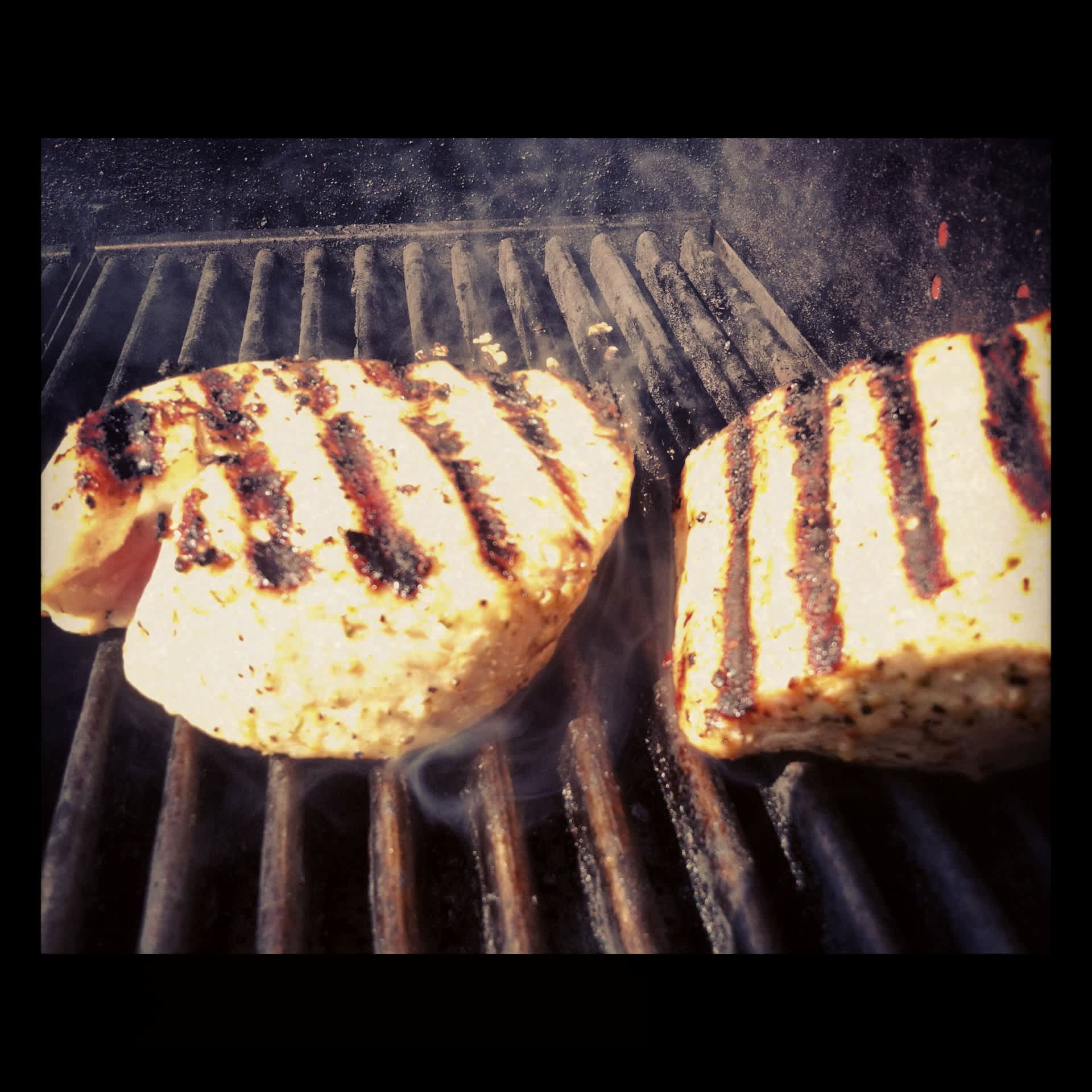
Think about the grill grates as your canvas. Position the steaks at a 45-degree angle to the grates for those classic crosshatch marks. Have you noticed how a slight change in angle can make a huge difference in presentation?
Avoiding Sticking
Sticking can ruin your perfect marks and tear your tuna apart. To prevent this, make sure your grill is clean before cooking. Use a grill brush to scrape off old food residue—clean grates mean better contact and less sticking.
Lightly oil your tuna or brush the grill grates with oil. This creates a barrier that helps the fish release easily once the sear is done. Ever tried flipping too soon? Patience pays off—wait until the fish naturally releases before turning it.
Using A Timer
Grilling tuna steaks requires precision, so a timer is your best friend. Tuna cooks fast—usually about 2 to 3 minutes per side depending on thickness. Set your timer to avoid guesswork and focus on the grill.
Pay attention to how the grill marks develop during these minutes. Timing helps you achieve consistent results and prevents overcooking. Have you tracked your grilling times before? It might be the secret to perfecting your tuna steaks every time.

Credit: kitchenlaughter.com
Checking Doneness
Checking the doneness of tuna steaks on a gas grill is key to serving a perfectly cooked meal. Overcooked tuna can become dry and lose its flavor, while undercooked tuna might feel too raw for some tastes. Paying close attention to specific signs helps you nail the ideal texture and taste every time.
Visual Cues
Look for a slight change in color around the edges of the tuna steak. It should shift from translucent to a more opaque pink or light brown, depending on your marinade or seasoning.
A perfectly grilled tuna steak will have distinct grill marks but remain slightly raw in the center if you prefer it rare or medium-rare. If the steak looks uniformly gray or white, it’s likely overcooked.
Using A Thermometer
Investing in a reliable instant-read thermometer makes checking doneness straightforward. Insert it into the thickest part of the steak.
- Rare:115°F to 120°F
- Medium-rare:125°F to 130°F
- Medium:135°F to 140°F
Reaching these temperatures guarantees your tuna is cooked exactly how you want it. It’s a foolproof way to avoid guessing and ensures food safety without sacrificing flavor.
Touch Test
Use your fingers to feel the firmness of the tuna steak. Press gently with your fingertip or tongs.
- If the tuna feels soft and squishy, it’s still rare inside.
- A slight springiness indicates medium-rare doneness.
- Firm texture signals the tuna is well-done.
This technique takes practice but can be a quick way to check doneness without tools. Have you tried this method? It’s surprising how much you can learn just by touch alone.
Serving Suggestions
Serve tuna steaks hot off the grill for the best taste. Pair with fresh salad or steamed vegetables for a simple meal. Let the fish rest briefly to keep it juicy and tender.
Grilled tuna steaks are a delightful dish, but how you serve them can elevate your meal to a whole new level. After you've nailed the grilling process, what comes next? This is where serving suggestions come in to play, providing the perfect finishing touch to your culinary masterpiece. Let's explore some practical tips to make your grilled tuna steaks truly unforgettable.
Resting Time
After grilling, give your tuna steaks a short resting period of about 5 minutes. This brief wait allows the juices to redistribute, ensuring each bite is tender and flavorful. Think of it as a small investment in patience for a big payoff in taste.
Pairing With Sides
Choosing the right side dishes can enhance your tuna steak experience. Consider light, refreshing options like a crisp garden salad or grilled vegetables. For a heartier approach, pair with a quinoa salad or roasted potatoes to complement the fish's rich flavor.
Sauce Ideas
Sauces can add an extra dimension to your grilled tuna steaks. A simple drizzle of lemon butter sauce can highlight the tuna’s natural taste. Alternatively, try a spicy sriracha mayo for a kick, or a tangy mango salsa for a tropical twist. Each serving suggestion offers a unique way to enjoy your grilled tuna steaks. Which one will you try first?
Common Mistakes To Avoid
Grilling tuna steaks too long can dry them out quickly. Avoid using high heat without watching closely to keep the fish tender. Turning steaks too often may prevent a good sear and flavor development.
Grilling tuna steaks on a gas grill can be a delightful culinary experience, but it’s easy to stumble upon common pitfalls. Understanding these mistakes can make the difference between a perfect meal and a disappointing one. Here are some frequent missteps and how you can avoid them.
Overcooking
Overcooking is perhaps the most common mistake when grilling tuna steaks. Tuna cooks quickly, and leaving it on the grill for too long can lead to a dry, tough texture. Aim for a quick sear on each side, around 1-2 minutes, to keep the center pink and tender.
Underseasoning
Tuna has a robust flavor that pairs well with various seasonings, yet many cooks fall short here. A simple blend of salt, pepper, and a touch of lemon zest can elevate your tuna steak immensely. Don’t be afraid to experiment with herbs and spices to suit your taste.
Not Oiling The Grill
Neglecting to oil the grill can cause the delicate tuna steaks to stick, ruining their presentation and texture. Use a brush or paper towel dipped in oil to lightly coat the grates before placing your fish on the grill. This small step ensures a smooth flip and beautiful grill marks. Avoiding these common grilling mistakes can transform your tuna steak from ordinary to extraordinary. What other grilling tips do you find essential?
Credit: www.food.com
Frequently Asked Questions
How Long Should Tuna Steaks Grill On A Gas Grill?
Grill tuna steaks for 3-4 minutes per side on medium-high heat. This ensures a nice sear while keeping the inside tender and slightly pink.
What Is The Ideal Grill Temperature For Tuna Steaks?
Set your gas grill to medium-high, around 400°F (204°C). This temperature cooks tuna quickly without drying it out.
Should Tuna Steaks Be Cooked Rare Or Well Done?
Tuna steaks are best served rare to medium-rare. Overcooking makes them dry and less flavorful.
How To Tell When Tuna Steaks Are Done Grilling?
Tuna is done when it’s opaque on the outside but still pink inside. Use a meat thermometer; 125°F (52°C) is ideal.
Conclusion
Grilling tuna steaks on a gas grill takes only a few minutes. Aim for about 2 to 3 minutes per side for medium-rare. Adjust time if you prefer more or less cooked fish. Let the grill get hot before placing the steaks.
Keep an eye on the fish to avoid overcooking. Perfectly grilled tuna stays juicy and tender inside. Simple steps make a tasty and healthy meal. Enjoy your fresh, grilled tuna anytime with confidence.