Grilling short ribs on your gas grill can be a game-changer for your next barbecue. But how long should you really cook them to get that perfect balance of juicy, tender meat with a smoky, charred crust?
If you’ve ever struggled with dry or tough ribs, you’re not alone. Knowing the right grilling time can make all the difference in turning your meal from ordinary to unforgettable. Keep reading, and you’ll discover the simple timing secrets that will help you grill short ribs like a pro every single time.
Choosing The Right Short Ribs
Choosing the right short ribs is the foundation of a successful grilling experience. The type and quality of meat you pick directly affect the flavor, tenderness, and cooking time. Before firing up your gas grill, understanding your options helps you make smarter choices that elevate your meal.
Types Of Short Ribs
Short ribs come in several cuts, each suited for different cooking styles. Plate short ribs, cut from the lower part of the rib cage, have a good amount of fat and connective tissue, making them ideal for slow grilling or smoking. Flanken-style ribs are cut across the bone and are thinner, which means they cook faster and are great for high-heat grilling.
Think about how much time you want to spend at the grill. If you prefer a quick cook, flanken ribs might be your best bet. If you want that rich, fall-off-the-bone tenderness, plate short ribs are worth the wait.
Selecting Quality Meat
Look for ribs with a bright red color and firm texture. Avoid meat that looks dull or has a slimy surface. The fat should be white, not yellow, which indicates freshness and better flavor.
Marbling is your friend here—fine streaks of fat within the meat melt during grilling, keeping the ribs juicy. Don’t hesitate to ask your butcher about the source of the meat; grass-fed or grain-fed can impact taste significantly.
Have you ever noticed how some short ribs stay juicy while others dry out? That difference often comes down to the quality of the cut you choose. Paying attention to these details ensures your grilling effort pays off every time.

Credit: www.thepioneerwoman.com
Preparing Short Ribs For Grilling
Getting your short ribs ready for the grill sets the foundation for a mouthwatering meal. Proper preparation affects flavor, tenderness, and how evenly the meat cooks. Let’s dig into the key steps that make your short ribs grill-ready.
Trimming And Marinating
Start by trimming excess fat from the ribs. Too much fat can cause flare-ups and uneven cooking, but leaving a thin layer helps keep the meat juicy. Use a sharp knife and trim carefully—don’t remove all the fat.
Marinating adds flavor and helps tenderize the meat. Choose a marinade with acidity like vinegar, citrus juice, or wine to break down tough fibers. Let your ribs soak for at least 4 hours, or overnight if possible, in the fridge. Have you ever noticed how the meat feels softer after a good soak? That’s the marinade working its magic.
Seasoning Tips
After marinating, pat the ribs dry to help the seasoning stick and promote a nice crust. A simple rub with salt, pepper, garlic powder, and smoked paprika works wonders. Don’t be shy with the seasoning; short ribs can handle bold flavors.
For extra depth, add a pinch of brown sugar for caramelization or a dash of chili powder for heat. Apply the rub evenly and press it into the meat. This step creates a flavorful outer layer that seals in juices once you hit the grill.
Setting Up The Gas Grill
Setting up your gas grill properly is key to grilling perfect short ribs. The right preparation helps you control the cooking environment and ensures even heat distribution. Let’s look at how to get your grill ready for the best grilling experience.
Temperature Settings
Short ribs need a balance between heat and time to become tender without drying out. Aim for a medium-low temperature, around 250°F to 300°F (120°C to 150°C). This allows the ribs to cook slowly and break down the tough fibers.
Many grills have temperature dials, but an external grill thermometer is a smart investment for accuracy. Keep a close eye on the heat, especially early on. Have you noticed how small temperature fluctuations can change your ribs’ texture?
Direct Vs Indirect Heat
Understanding where to place your ribs on the grill makes a big difference. Use indirect heat by turning on burners on one side of the grill and placing the ribs on the cooler side. This prevents flare-ups and burning while cooking the ribs evenly.
Direct heat is great for searing but too intense for the entire cook. You can start with a quick sear over direct heat for 2-3 minutes per side to lock in juices. Then move the ribs to indirect heat for slow cooking.
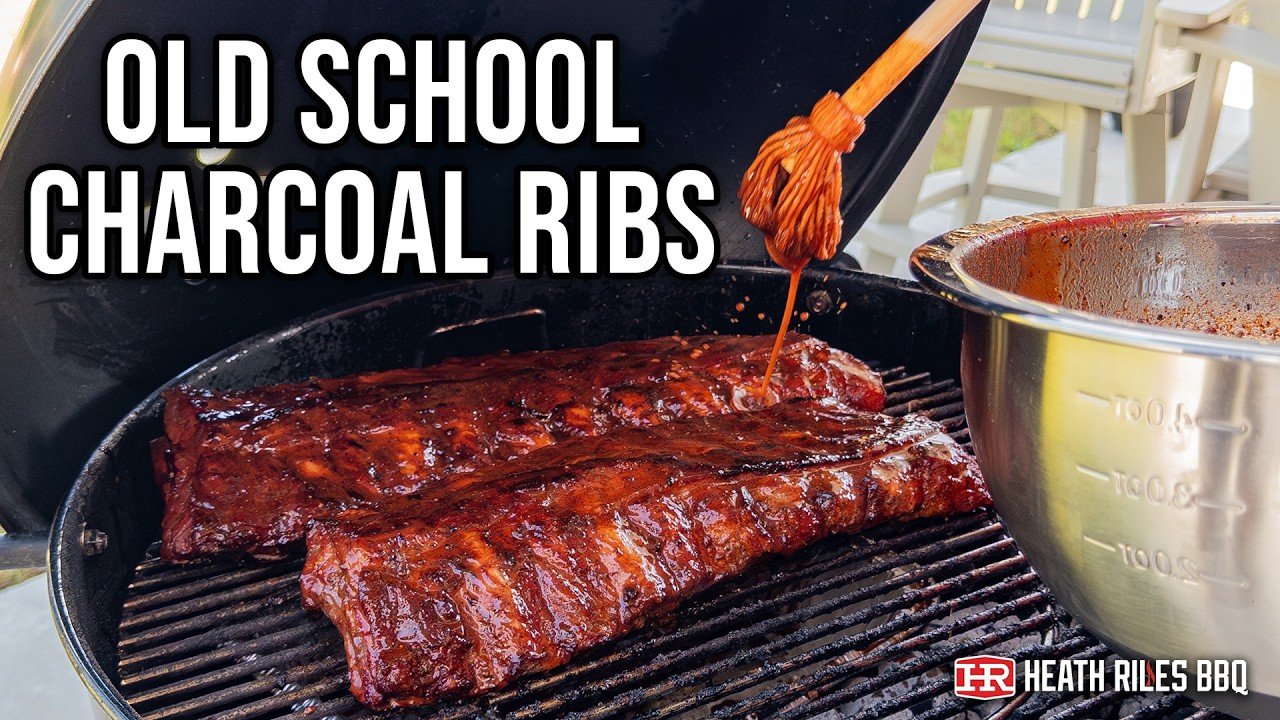
Setting your grill this way mimics a low-and-slow smoker, delivering juicy, tender ribs without the hassle of charcoal. Have you tried this method? It’s a game changer for gas grill users craving tender short ribs.

Credit: www.youtube.com
Grilling Time For Short Ribs
Short ribs need about 20 to 30 minutes on a gas grill over medium heat. Turn them often to cook evenly and avoid burning. Check for tenderness before serving.
Grilling short ribs on a gas grill can be a delightful experience. Knowing the correct grilling time ensures juicy and tender ribs. The key is understanding the thickness and using a meat thermometer. This helps achieve the perfect cook.
Cooking Duration By Thickness
The thickness of short ribs affects grilling time. Here's a simple guide:
- For ribs 1 inch thick, grill for 8-10 minutes per side.
- For ribs 1.5 inches thick, aim for 10-12 minutes per side.
- Ribs 2 inches thick need about 12-15 minutes per side.
Turn ribs halfway through for even cooking. Keep an eye on them to avoid drying out. This ensures they remain tender and full of flavor.
Using A Meat Thermometer
A meat thermometer is crucial for perfect ribs. It ensures the ribs cook to the right temperature. Insert the thermometer into the thickest part of the rib. Avoid touching bone for an accurate reading.
- Aim for an internal temperature of 145°F for safe eating.
- Let ribs rest for a few minutes after grilling.
- This allows juices to redistribute, enhancing flavor.
Grilling short ribs can be easy with these tips. Enjoy tender, flavorful ribs every time.
Techniques For Even Cooking
Grilling short ribs evenly on a gas grill is more than just setting a timer and walking away. It requires active attention and smart techniques to ensure every bite is tender and perfectly cooked. Mastering the art of even cooking will help you avoid undercooked spots or burnt edges.
Flipping And Rotating
Flipping your short ribs regularly prevents one side from getting too charred while the other stays raw. Turn the ribs every 4 to 5 minutes to promote uniform heat distribution.
Rotating the ribs across different grill zones helps balance out hot and cool spots on your grill. Try moving them from direct heat to indirect heat and back to avoid flare-ups and overcooking.
Have you noticed how some ribs cook faster on one side of the grill? Paying attention to this can save your meat from uneven doneness.
Managing Flare-ups
Flare-ups can quickly burn your short ribs and ruin the flavor. Keep a spray bottle of water nearby to tame sudden flames without lowering the grill temperature too much.
Trimming excess fat before grilling reduces dripping and flare-ups. But if fat still causes flames, quickly move the ribs to a cooler spot until the fire dies down.
Do you sometimes get nervous when flames spike? Staying calm and controlling flare-ups on the fly is key to even cooking and juicy ribs every time.
Resting And Serving Short Ribs
After grilling your short ribs on a gas grill, the process isn’t over yet. Resting and serving are crucial steps that can make a big difference in the flavor and texture you experience. Taking the time to rest your ribs helps lock in the juices, while thoughtful serving ideas can elevate your meal.
Resting Time Importance
Resting short ribs after grilling allows the meat fibers to relax and reabsorb the juices. If you cut into them immediately, all the flavorful juices will run out, leaving the meat dry.
Try resting your ribs for at least 10 to 15 minutes, loosely covered with foil. This short wait can transform your ribs from good to mouthwatering.
Have you noticed how much better a steak tastes after resting? The same principle applies here—resting makes every bite more tender and juicy.
Serving Suggestions
How you serve short ribs can highlight their rich flavor or add new layers to your meal. Consider serving them over creamy mashed potatoes or a bed of grilled vegetables to balance the richness.
- Drizzle with a tangy chimichurri or BBQ sauce for a punch of flavor.
- Top with fresh herbs like parsley or cilantro for brightness.
- Serve alongside pickled vegetables to cut through the fat.
Think about what you want to bring out in your meal—do you want to emphasize the smoky grill flavor or add a fresh contrast? Your serving choices can make your short ribs a memorable dish every time.
Troubleshooting Common Issues
Grilling short ribs on a gas grill can be rewarding, but it often comes with some challenges. Recognizing common problems early helps you adjust your technique and get those ribs just right. Here’s how to troubleshoot the most frequent issues you might face.
Overcooked Or Undercooked Ribs
Overcooked ribs become dry and lose their tenderness, while undercooked ribs can be tough and chewy. To avoid this, keep a close eye on the grill temperature and use a meat thermometer to check the internal temperature. Aim for about 200°F (93°C) for perfectly tender ribs.
If you notice your ribs cooking too fast, lower the heat or move them to a cooler part of the grill. Conversely, if they’re not cooking enough after the expected time, increase the heat slightly or close the lid to trap more heat. Have you ever pulled ribs off the grill too soon and regretted it? Monitoring temperature helps prevent that.
Dry Or Tough Meat
Dry ribs usually mean the meat lost moisture during cooking. To keep ribs juicy, marinate them beforehand or baste occasionally with a sauce or broth. Wrapping ribs in foil during grilling can also trap steam, keeping the meat moist.
Tough ribs often result from insufficient cooking time or not allowing the connective tissues to break down. Patience is key—slow, low heat lets collagen melt properly, making ribs tender. Are you rushing the process? Slowing down might be the secret to softer ribs.

Credit: laboucherie.mt
Frequently Asked Questions
How Long To Grill Short Ribs On A Gas Grill?
Grill short ribs for 15-20 minutes over medium-high heat. Turn every 5 minutes for even cooking. Use indirect heat for thicker cuts.
What Temperature Is Best For Grilling Short Ribs?
Preheat the gas grill to 350°F (175°C). This temperature ensures tender, juicy ribs with a nice char. Avoid too high heat to prevent burning.
Should Short Ribs Be Marinated Before Grilling?
Yes, marinate short ribs for at least 2 hours. Marinades add flavor and help tenderize the meat. Use acidic ingredients like vinegar or citrus for best results.
How Do I Know When Short Ribs Are Done?
Short ribs are done when internal temperature reaches 190°F (88°C). The meat should be tender and easily pull away from bones. Use a meat thermometer for accuracy.
Conclusion
Grilling short ribs takes patience and the right timing. Aim for about 20 to 30 minutes on medium heat. Turn them often to cook evenly and avoid burning. Check the ribs’ tenderness before taking them off the grill. Rest the meat a few minutes to keep it juicy.
Enjoy your perfectly grilled short ribs with your favorite sides. Simple steps make a big difference in taste and texture. Keep practicing, and grilling will become easier and more fun.