Grilling ribs on a charcoal grill can be one of the most rewarding cooking experiences. But if you’ve ever wondered, “How long should I grill ribs to get them tender and flavorful?” you’re not alone.
Getting the timing right is key to juicy, fall-off-the-bone ribs that will impress your family and friends. In this post, you’ll discover exactly how long to grill your ribs, along with tips to make sure every bite is packed with smoky goodness.
Keep reading—you’re just moments away from mastering the perfect grilled ribs.

Credit: www.heathrilesbbq.com
Choosing The Right Ribs
Choosing the right ribs is key for perfect grilling. The type of ribs affects cooking time and flavor. Picking fresh, quality ribs makes your barbecue better. Understanding the differences helps you decide quickly and cook with confidence.
Baby Back Vs Spare Ribs
Baby back ribs are smaller and more tender. They come from the top of the ribcage near the spine. These ribs cook faster, usually in 1.5 to 2 hours on a charcoal grill. They have less fat, giving a leaner taste.
Spare ribs are larger and meatier. They come from the lower part of the ribcage, near the belly. These ribs need longer cooking, about 2.5 to 3 hours, to become tender. The extra fat adds rich flavor but requires careful grilling.
Choose baby back ribs for quicker grilling and lighter taste. Pick spare ribs for more meat and deeper flavor. Both types work well on charcoal grills.
Fresh Or Pre-packaged
Fresh ribs usually taste better and cook evenly. They often have less added preservatives or chemicals. Fresh ribs might need a quick rinse and pat dry before grilling.
Pre-packaged ribs are convenient and ready to use. They may be marinated or pre-seasoned. Check the label for extra sugars or salts that could affect grilling time.
Fresh ribs give more control over flavor and texture. Pre-packaged ribs save time but watch out for added ingredients. Choose based on your schedule and taste preference.
Preparing Ribs For Grilling
Getting your ribs ready for the grill is more than just a quick rinse and toss. How you prepare them directly affects the flavor and tenderness after grilling. Taking a little extra time now will reward you with ribs that are juicy, flavorful, and fall-off-the-bone tender.
Removing The Membrane
The thin silver skin on the back of ribs can block seasonings and smoke from penetrating the meat. It also tends to become tough when cooked, which can ruin the eating experience.
To remove it, slide a knife under the membrane at one end and gently lift it. Grab the loosened membrane with a paper towel for a better grip and pull it off in one piece. This simple step ensures your ribs soak up all the flavors and cook evenly.
Applying Dry Rubs And Marinades
Dry rubs and marinades add layers of flavor and help keep ribs moist during grilling. You can mix your own rub with salt, pepper, paprika, garlic powder, and brown sugar for a perfect balance of sweet and savory.
Rub the mixture generously over every inch of the ribs. If using a marinade, let the ribs soak for at least a few hours or overnight in the fridge. This not only boosts flavor but also tenderizes the meat, making every bite more enjoyable.
Setting Up Your Charcoal Grill
Setting up your charcoal grill properly is key to cooking ribs perfectly. It takes some care to control the heat and smoke. A good setup helps cook ribs evenly and keeps them juicy. This section covers how to arrange the coals and keep the temperature steady.
Arranging Coals For Indirect Heat
Indirect heat means the coals are not directly under the ribs. This prevents burning and allows slow cooking. Arrange your coals on one side of the grill. Leave the other side empty for the ribs.
- Light the charcoal using a chimney starter for even heat.
- Place hot coals on one side, stacking them about two inches high.
- Keep the other side free of coals for indirect cooking.
- Place a drip pan under the ribs on the empty side to catch fat.
Maintaining Consistent Temperature
Keep the grill temperature between 225°F and 250°F for tender ribs. Watch the vents to control airflow and heat.
- Open vents increase heat; close them to lower heat.
- Use a grill thermometer to monitor the temperature regularly.
- Add a few coals every hour to maintain steady heat.
- Keep the lid closed as much as possible to hold heat and smoke.
Grilling Time And Temperature
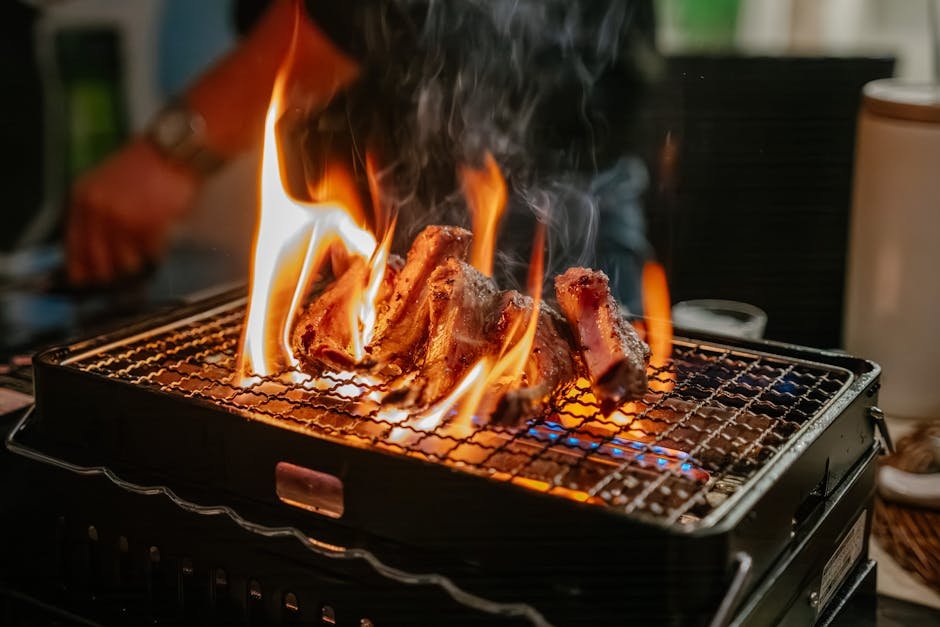
Grilling ribs on a charcoal grill needs the right balance of time and temperature. Both factors affect how tender and flavorful your ribs will be. Too hot or too short, and the meat stays tough. Too low or too long, and the ribs can dry out.
Understanding the ideal temperature range and the estimated cooking times for different rib types helps you get great results every time. Patience is key, but so is keeping your grill steady at the right heat.
Ideal Grill Temperature Range
Keep your charcoal grill between 225°F and 250°F for ribs. This low and slow heat allows the fat to render and the meat to become tender. Use a grill thermometer to monitor the temperature closely. Adjust charcoal and vents to maintain steady heat.
This temperature range prevents burning and ensures even cooking. Avoid high heat above 300°F, which cooks ribs too fast and can dry them out.
Time Estimates For Different Rib Types
| Rib Type | Grilling Time |
|---|---|
| Baby Back Ribs | 3 to 4 hours |
| Spare Ribs | 4 to 5 hours |
| St. Louis Style Ribs | 4 to 5 hours |
For best results, cook ribs indirectly over charcoal. Wrap ribs in foil for the last hour to keep them moist. Check tenderness by sliding a toothpick between the bones—it should go in easily.
Techniques For Tender Ribs
Grilling ribs to tender perfection takes more than just heat. The right techniques help break down tough fibers and keep meat juicy. Patience and care during grilling make ribs soft and flavorful. These simple tricks fit well with charcoal grilling for delicious results.
Wrapping Ribs In Foil
Wrapping ribs in foil traps heat and moisture. It creates a mini oven effect that cooks ribs evenly. This method helps ribs stay juicy and tender. After a few hours on the grill, wrap ribs tightly in foil. Return them to the grill to finish cooking slowly. This step softens the meat and makes it easy to pull apart.
Adding Moisture During Cooking
Moisture keeps ribs from drying out on the grill. You can add moisture by spraying or mopping ribs with liquid. Use water, apple juice, or a mix of vinegar and spices. Spray ribs every 20 to 30 minutes while cooking. This process cools the meat slightly and adds flavor. Moist ribs come out tender and tasty every time.
Checking Doneness
Grilling ribs to perfection requires knowing when they're done. This ensures juicy, tender meat. Ribs that are overcooked can become dry. Undercooked ribs might be tough. Checking doneness is key. This can be done through visual cues, texture, and temperature. Let's explore these methods.
Visual And Texture Cues
Visual cues are a good way to check doneness. Well-cooked ribs have a rich brown color. The meat should shrink back from the bone. This exposes about a quarter-inch of bone. Touch the ribs. They should feel firm but not hard. The meat should have a slight give. This indicates tenderness. Juices should run clear, not pink or red.
Using A Meat Thermometer
A meat thermometer provides precise results. Insert it into the thickest part of the meat. Avoid touching the bone. The ideal temperature is 195°F. This ensures the collagen in the meat has broken down. It makes the ribs tender and juicy. Always let ribs rest after grilling. This allows juices to redistribute. It enhances flavor and texture.
Finishing Touches
Finishing touches bring out the best flavors and textures in grilled ribs. This stage adds a beautiful glaze and lets the meat rest. Proper finishing makes the ribs juicy and tasty. Follow these tips to complete your grilling perfectly.
Applying Sauce And Caramelizing
Brush your favorite barbecue sauce onto the ribs during the last 10-15 minutes of grilling. This timing helps the sauce stick without burning. Use indirect heat to avoid flare-ups. Turn the ribs often for an even glaze. The sauce will thicken and caramelize, creating a rich, sticky coating. Watch closely to prevent charring.
Resting Before Serving
Remove the ribs from the grill and let them rest for 10-15 minutes. Resting allows juices to redistribute inside the meat. This step keeps ribs tender and moist. Cover the ribs loosely with foil to keep them warm. Avoid cutting too soon to preserve flavor and texture. Enjoy ribs that are perfectly juicy and flavorful after resting.

Credit: cheflolaskitchen.com
Common Grilling Mistakes
Grilling ribs on a charcoal grill can be a rewarding experience, but it’s easy to make mistakes that affect the final taste and texture. Many grillers focus on timing and seasoning but overlook critical steps that can turn your ribs from tender to tough. Recognizing common grilling errors will help you avoid frustration and enjoy perfectly cooked ribs every time.
Too High Heat
One of the biggest mistakes is grilling ribs over too high heat. Ribs need slow, indirect heat to break down collagen and become tender. Cooking them too quickly at a high temperature can dry out the meat and cause it to char on the outside while remaining undercooked inside.
Think about the last time you rushed your ribs and ended up with a tough bite. Instead, arrange your charcoal to create two zones: one for direct heat and one for indirect heat. Use the indirect zone to cook the ribs slowly, maintaining a temperature around 225°F to 250°F for the best results.
Skipping Rest Period
Many grillers pull their ribs off the grill and dive straight into eating. This impatience can sabotage your efforts. Resting ribs for at least 10 to 15 minutes after grilling allows the juices to redistribute, making the meat juicier and more flavorful.
Imagine slicing ribs immediately after grilling—juices spill out, leaving the meat dry. By resting, you lock in moisture and give the ribs a chance to settle. Don’t skip this simple step; your taste buds will thank you.

Credit: www.thepioneerwoman.com
Frequently Asked Questions
How Long Does It Take To Grill Ribs On Charcoal?
Grilling ribs on a charcoal grill typically takes 3 to 4 hours. Maintain a low heat of 225-250°F for tender results. Use indirect heat and turn ribs occasionally for even cooking and smoky flavor.
What Temperature Is Best For Grilling Ribs On Charcoal?
The ideal charcoal grill temperature for ribs is between 225°F and 250°F. This low and slow method ensures ribs become tender without drying out. Use a grill thermometer to monitor and adjust heat as needed.
Should I Wrap Ribs While Grilling On Charcoal?
Yes, wrapping ribs in foil after 2 hours helps retain moisture. It steams the ribs, making them tender and juicy. Unwrap during the last 30 minutes to firm up the bark and add smoky flavor.
How Do I Know When Ribs Are Done On A Charcoal Grill?
Ribs are done when the internal temperature reaches 190-203°F. The meat should be tender and pull back from the bones slightly. You can also do a bend test; ribs should bend easily without breaking.
Conclusion
Grilling ribs on a charcoal grill takes patience and care. Aim for about 3 to 4 hours for tender, juicy ribs. Keep the heat low and turn ribs often to avoid burning. Use a meat thermometer to check for doneness.
Ribs should be soft and easy to pull apart. Enjoy the smoky flavor only charcoal grilling can give. Now, fire up your grill and cook ribs slowly for the best taste. Great ribs need time, but the result is worth it.