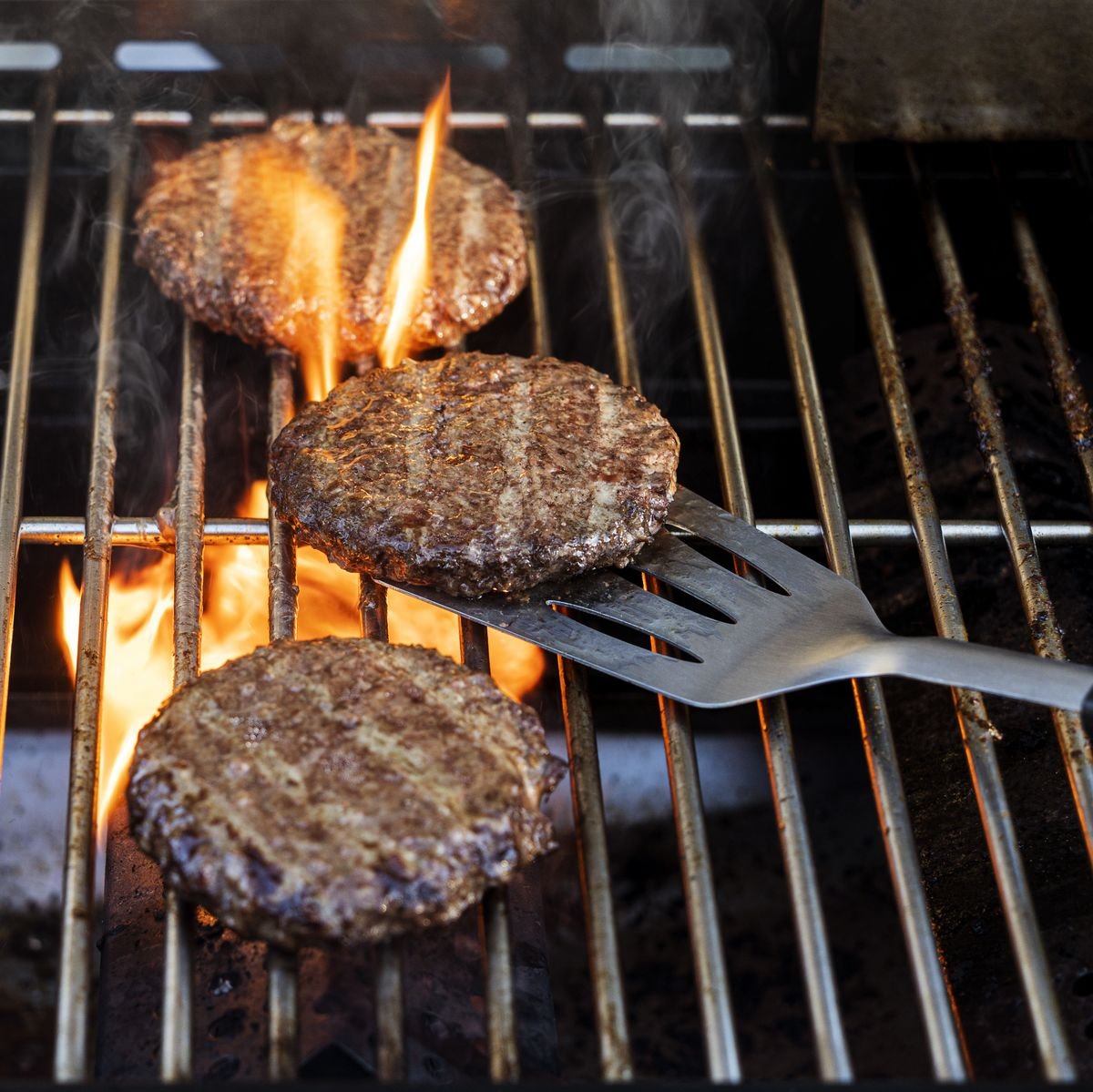
Grilling the perfect ribeye steak on your gas grill can feel tricky. You want it juicy, tender, and cooked just right—but how long should you actually grill it?
Too short, and it’s undercooked; too long, and it turns dry. If you’ve ever stared at your grill wondering when to flip or take your steak off, you’re not alone. This guide will give you clear, easy-to-follow answers on how long to grill your ribeye steak to get that mouthwatering, restaurant-quality result every time.
Keep reading, and you’ll never second-guess your grilling again.
Choosing The Right Ribeye
Choosing the right ribeye steak sets the stage for a perfect grilling experience. The quality and thickness of the steak affect flavor, texture, and cooking time. Picking the best cut ensures juicy, tender results every time.
Selecting Quality Cuts
Look for ribeye steaks with bright red color and firm texture. Good marbling, the thin white fat lines inside the meat, adds flavor and keeps the steak moist. Avoid cuts with dark spots or excessive liquid in the packaging. Freshness matters for taste and safety.
Prime or Choice grade steaks usually offer the best marbling. Select cuts that feel firm but not hard. Smell the meat if possible; it should have a fresh, mild scent.
Thickness And Its Impact
Thickness changes how long to grill ribeye on a gas grill. Thin steaks cook quickly and need close attention to avoid overcooking. Thicker cuts require more time to heat through evenly.
For steaks under one inch thick, grill about 4-5 minutes per side for medium rare. Steaks over one inch need 6-8 minutes per side, depending on exact thickness. Use a meat thermometer for best results.
Thicker steaks develop a nice crust outside while staying juicy inside. Thin cuts risk drying out if grilled too long. Plan cooking time based on thickness to achieve desired doneness.
Preparing Your Gas Grill
Preparing your gas grill properly is key to cooking the perfect ribeye steak. A clean and well-heated grill ensures even cooking and great flavor. Setting the right temperature zones helps control the cooking process, giving you the ideal sear and doneness.
Cleaning And Preheating
Start by cleaning the grill grates to remove old food and grease. Use a grill brush or scraper for best results. Clean grates prevent sticking and flare-ups. After cleaning, preheat the grill with the lid closed for 10 to 15 minutes. Preheating ensures the grill reaches the right temperature. It also kills bacteria and improves the sear on your steak.
Setting The Temperature Zones
Create two heat zones on your gas grill: direct and indirect. Turn on one side of the burners to high heat for searing. Keep the other side on low or off for slower cooking. This setup lets you sear the ribeye on high heat first. Then, move it to the cooler side to finish cooking evenly. Temperature zones give you more control over steak doneness and texture.
Grilling Time By Steak Thickness
Grilling ribeye steak perfectly depends heavily on its thickness. Thicker steaks need more time to cook through without burning the outside. Thinner steaks require less time to reach a juicy, tender finish. Knowing the right grilling time for each thickness helps achieve the best taste and texture.
Temperature control and timing work together. The goal is a seared crust and a warm, flavorful center. Different thicknesses call for different approaches on a gas grill. This guide breaks down grilling times by steak thickness for ideal results.
Steaks Under 1 Inch
Thin ribeye steaks cook quickly on a gas grill. Grill over medium-high heat for about 3 to 4 minutes per side. This timing usually achieves medium-rare doneness. Thinner cuts dry out fast, so watch them closely.
- Preheat grill to 450°F (232°C)
- Grill 3-4 minutes per side
- Use tongs to flip once
- Rest steak 5 minutes before serving
Steaks 1 To 1.5 Inches
Steaks in this thickness range need more attention. Grill on medium-high heat for about 5 to 6 minutes per side. This timing allows the inside to cook without burning the outside. Use a meat thermometer for best accuracy.
- Preheat grill to 450°F (232°C)
- Grill 5-6 minutes per side
- Flip once using tongs
- Check internal temperature: 130°F for medium-rare
- Rest for 5-7 minutes before slicing
Steaks Over 1.5 Inches
Thick ribeye steaks need a two-zone grilling method. Start with high heat to sear, then move to cooler side to finish cooking. Sear 3-4 minutes per side, then cook indirectly for 6-10 minutes depending on doneness.
- Preheat grill with two zones: high (450°F) and low (300°F)
- Sear 3-4 minutes per side over high heat
- Move steak to low heat zone
- Cook 6-10 minutes, flipping occasionally
- Use meat thermometer: 130°F for medium-rare
- Rest for 7-10 minutes before serving

Credit: girlscangrill.com
Achieving Desired Doneness
Grilling a ribeye steak to the perfect doneness requires attention to time and temperature. Each level of doneness offers a unique texture and flavor. Knowing how long to grill your steak ensures it turns out just right for your taste.
Use a meat thermometer for accuracy and avoid cutting into the steak too soon. Rest the steak after grilling to keep juices inside. This step improves tenderness and flavor.
Rare And Medium Rare Timing
- Grill over high heat for about 4-5 minutes per side for rare.
- For medium rare, aim for 5-6 minutes per side.
- Internal temperature should be 120-130°F for rare.
- Medium rare reaches 130-135°F.
- Steaks will have a warm red center with juicy texture.
Medium To Medium Well Tips
- Grill 6-7 minutes per side for medium doneness.
- Medium well requires about 8-9 minutes per side.
- Internal temperature ranges from 140-150°F for medium.
- Medium well should reach 150-155°F.
- Steak has a firm texture with a pink center.
Well Done Considerations
- Grill 10-12 minutes per side for well done.
- Internal temperature must reach 160°F or higher.
- Steak will be fully cooked with no pink inside.
- Use indirect heat to avoid drying out the meat.
- Marinate or baste to keep the steak moist.
Using Thermometers For Accuracy
Using a thermometer brings precision to grilling ribeye steak on a gas grill. It removes the guesswork and helps avoid overcooking or undercooking. Thermometers ensure the steak reaches the perfect doneness every time.
Thermometers also help maintain food safety by confirming the right internal temperature. This tool offers peace of mind and improves the overall grilling experience.
Instant-read Thermometer Benefits
An instant-read thermometer provides quick and accurate temperature readings. It takes only seconds to check the steak’s internal heat.
This device is easy to use and helps prevent cutting into the steak to test doneness. It keeps the steak juices locked in, resulting in a juicier, tastier meal.
Instant-read thermometers are affordable and widely available. They work well for all types of grilling and cooking.
Target Internal Temperatures
Knowing target temperatures is essential for grilling ribeye perfectly. Here are the common doneness levels:
- Rare: 120°F to 125°F
- Medium Rare: 130°F to 135°F
- Medium: 140°F to 145°F
- Medium Well: 150°F to 155°F
- Well Done: 160°F and above
Insert the thermometer into the thickest part of the steak. Avoid touching bone or fat for an accurate reading.
Remove the steak from the grill a few degrees before the target temperature. It will continue cooking as it rests.

Credit: www.mychicagosteak.com
Resting Your Ribeye Steak
Resting your ribeye steak after grilling enhances its flavor and juiciness. Allow it to rest for about 5 minutes. This simple step ensures the juices redistribute evenly, providing a tender and delicious bite.
Resting Your Ribeye Steak Grilling a ribeye steak to perfection requires more than just the right cooking time. Once you've achieved those beautiful grill marks, it's essential to let your steak rest. This seemingly simple step can make a significant difference in the flavor and juiciness of your meal.
Why Resting Matters
When you grill a ribeye, the heat causes the juices to move toward the center of the steak. If you cut into it immediately, those juices will spill out, leaving you with a drier steak. Resting allows the juices to redistribute throughout the meat, ensuring each bite is as juicy as the last. It's like giving your steak a moment to compose itself before the grand reveal.
Ideal Resting Time
Patience is key when it comes to resting your ribeye. A good rule of thumb is to let it rest for about 5 to 10 minutes. During this time, cover your steak loosely with aluminum foil. This helps maintain the warmth without trapping steam, which could make the crust soggy. Have you ever noticed how a rested steak seems more tender? That's the magic of resting at work. Give it a try the next time you grill, and you might find yourself savoring every bite a bit more.
Additional Tips For Perfect Grill Marks
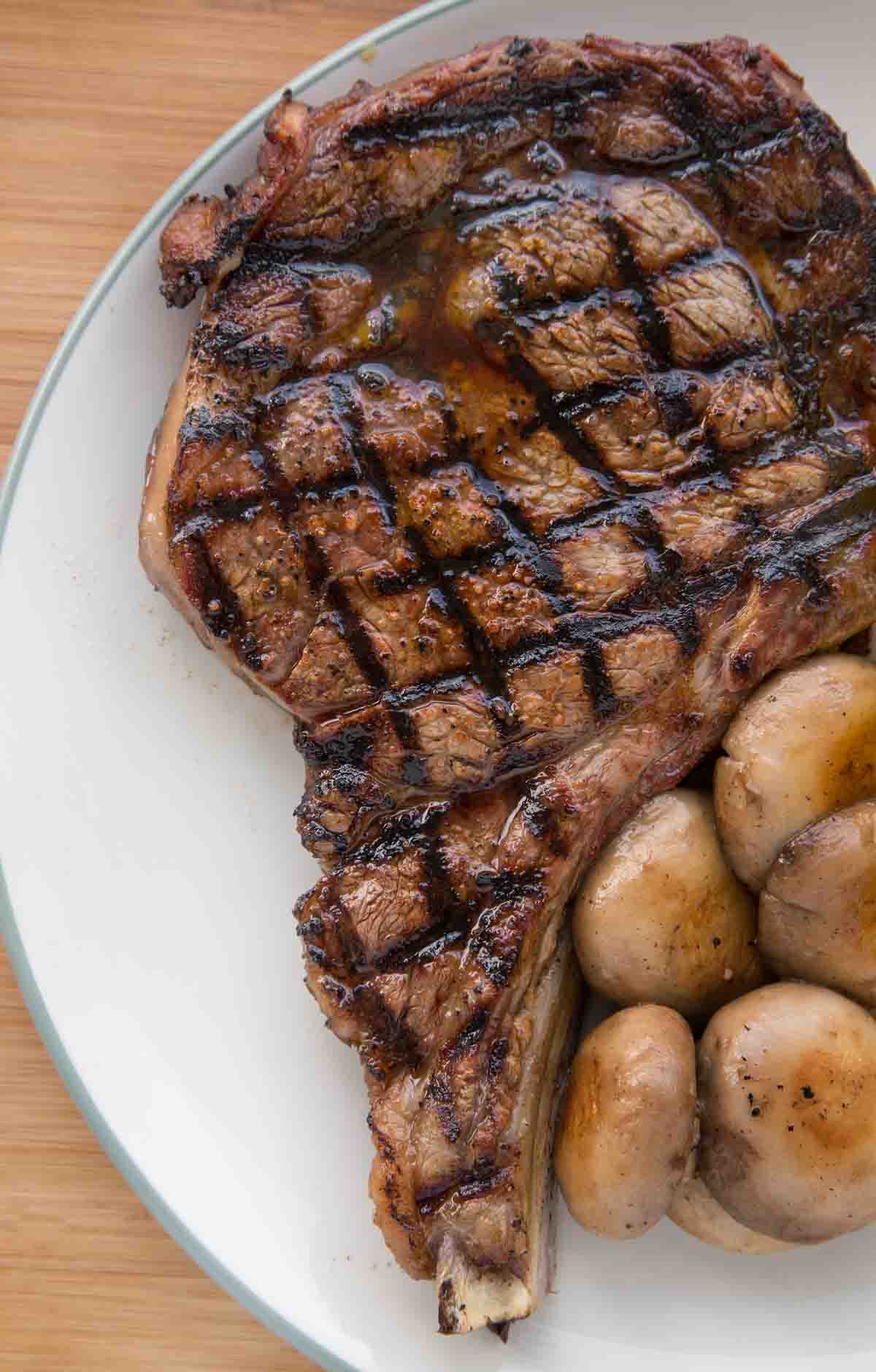
Creating perfect grill marks on a ribeye steak makes it look as good as it tastes. These marks add a nice texture and enhance the steak’s flavor. Small details matter when grilling. Attention to oil, seasoning, and flipping can make a big difference.
Oil And Seasoning
Apply a thin layer of oil on the steak before grilling. Use oils with a high smoke point, like canola or avocado oil. This prevents sticking and helps form clear grill marks.
Season the steak generously with salt and pepper. Salt draws out moisture, helping to sear the meat evenly. Avoid heavy marinades that may burn and hide grill marks.
Flipping Techniques
Place the steak on the grill and let it cook undisturbed. Moving it too soon stops the searing process and blurs the marks.
Turn the steak 45 degrees halfway through grilling each side. This creates a crosshatch pattern of grill marks. Flip only once to keep the crust intact and juicy inside.
Credit: www.askchefdennis.com
Frequently Asked Questions
How Long To Grill A Ribeye Steak On Gas Grill?
Grill a 1-inch ribeye steak for 4-5 minutes per side on medium-high heat. Adjust time for thickness and doneness preferences.
What Is The Best Temperature For Grilling Ribeye Steak?
Preheat your gas grill to 450°F to 500°F. This high heat sears the steak, locking in juices and flavor.
How To Know When Ribeye Steak Is Done?
Use a meat thermometer: 130°F for medium-rare, 140°F for medium. Rest steak 5 minutes before serving.
Should I Oil The Ribeye Before Grilling?
Lightly brush ribeye with oil to prevent sticking and promote even cooking. Use oils with high smoke points.
Conclusion
Grilling a ribeye steak on a gas grill takes attention and care. Cook times vary by thickness and heat level. Use a thermometer to check the steak’s doneness. Let the steak rest a few minutes before cutting. This keeps the juices inside for better taste.
With practice, you will find the perfect grilling time. Enjoy your delicious ribeye every time you grill. Simple steps lead to great results.