Grilling a pork roast on your gas grill can be a game-changer for your next meal. But how long should you keep it on the grill to get that perfect, juicy flavor?
If you’ve ever wondered about the ideal grilling time, you’re in the right place. This guide will help you master the timing, so your pork roast comes out tender, flavorful, and cooked just right every time. Keep reading, and you’ll never have to guess how long to grill your pork roast again.
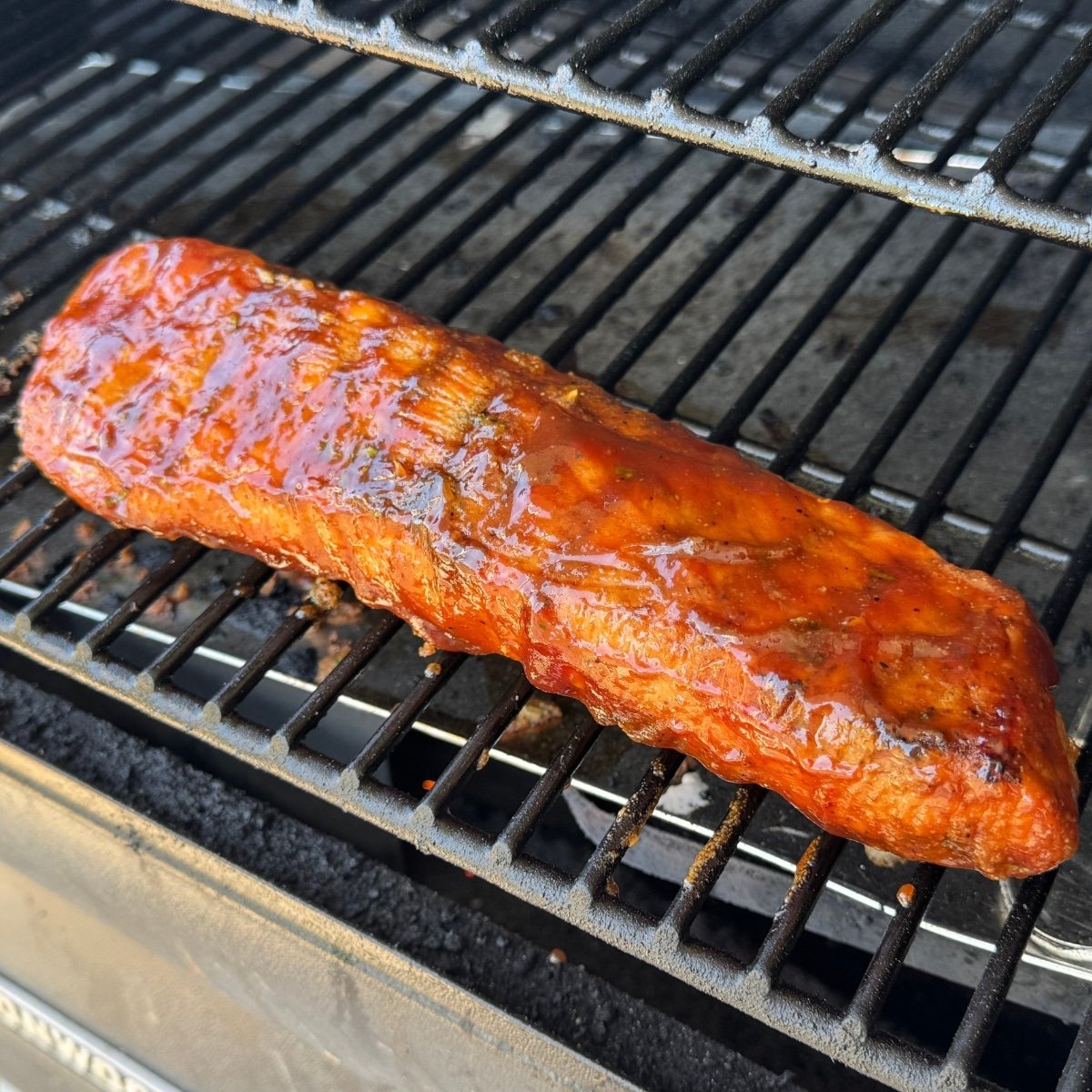
Credit: farmhouseharvest.net
Choosing The Right Pork Roast
Choosing the right pork roast is key to great grilling. The cut, size, and thickness all affect how well it cooks and tastes. Picking the perfect roast sets you up for juicy, flavorful meat every time.
Cuts Ideal For Grilling
Some pork roasts work better on a gas grill than others. Look for cuts with good marbling and tenderness. These cuts stay juicy and develop great flavor over direct heat.
- Pork shoulder roast – rich and flavorful with some fat
- Pork loin roast – leaner but still tender if cooked right
- Pork rib roast – flavorful and great for grilling
- Pork butt – perfect for slow grilling or smoking
Choose cuts that are not too tough to ensure even cooking on the grill.
Size And Thickness Considerations
Size matters when grilling pork roast. Thick cuts take longer to cook and need indirect heat. Thin roasts cook faster but can dry out easily.
- Roasts under 3 pounds cook quicker and need close attention
- Thicker roasts (2-4 inches) require lower heat for longer
- Use a meat thermometer to check internal temperature accurately
Match the roast size to your grill space and cooking time available. This helps avoid undercooked or overdone pork.
Preparing The Grill
Preparing the grill is the first step to a perfect pork roast. A well-prepared grill ensures even cooking and great flavor. It helps avoid flare-ups and burning. Knowing how to set up and preheat your gas grill makes a big difference in the final taste and texture of your pork roast.
Setting Up Gas Grill For Roasting
Start by cleaning the grill grates. Remove leftover food and grease. This prevents smoke and unwanted flavors.
Arrange the burners for indirect heat. Turn on one side of the grill only. Leave the other side off. Place the pork roast over the cooler side. This avoids direct flames touching the meat.
Use a drip pan under the roast. It catches fat drippings and keeps the grill clean. Add a little water or broth in the pan to create steam. This keeps the pork moist during cooking.
Preheating Tips
Preheat your grill for 10 to 15 minutes with the lid closed. Heat the grill to about 350°F (175°C). This temperature is ideal for roasting pork.
Close the lid during preheating. It traps heat and creates an even cooking environment. Avoid opening the lid too often while cooking. This helps maintain consistent temperature.
Seasoning And Marinating
Seasoning and marinating your pork roast is where the magic begins. This step not only enhances the natural flavors but also helps keep the meat juicy during grilling. How you season or marinate can change the entire grilling experience, making your pork roast memorable or just average.
Simple Dry Rubs
Dry rubs are quick, easy, and perfect if you want a flavorful crust on your pork roast. You can mix a few basic spices like salt, pepper, paprika, garlic powder, and brown sugar. The brown sugar caramelizes on the grill, adding a lovely sweetness and texture.
Try rubbing the mixture all over the pork roast and let it sit for at least 30 minutes before grilling. If you have more time, an hour or two lets the flavors sink deeper. You’ll notice a difference in taste and aroma that simple salt and pepper just can’t match.
Marinade Ideas For Flavor
Marinades add moisture and layers of flavor to your pork roast. A good marinade balances acidity, sweetness, and seasoning. For example, a combination of soy sauce, apple cider vinegar, honey, garlic, and a little mustard works great.
Let your pork roast soak in the marinade for 4 to 6 hours or overnight in the fridge. This slow flavor infusion makes every bite tender and delicious. Have you ever tasted pork roast that’s bland? A marinade like this can fix that problem instantly.
Grilling Techniques
Grilling pork roast on a gas grill requires precise timing. Aim for 20 minutes per pound at 350°F. Use a meat thermometer to check for an internal temperature of 145°F for juicy results.
Grilling Techniques Mastering the art of grilling a pork roast on a gas grill involves understanding the nuances of heat and timing. Every grill session can be unique, especially when you're dealing with a substantial cut like pork roast. This is where specific grilling techniques come into play, ensuring your meat is juicy, flavorful, and perfectly cooked.
Direct Vs. Indirect Heat
The choice between direct and indirect heat can make or break your grilling experience. Direct heat is like the fast lane—quick and intense. It's ideal for searing the outside of your pork roast, giving it that delightful crust. On the other hand, indirect heat acts like a slow scenic route, perfect for cooking the roast evenly without burning. By placing your pork roast away from the flames, you allow it to cook through slowly, preserving moisture and flavor. Think about what your roast needs: a quick sear or a slow, steady cook?
Using A Meat Thermometer
A meat thermometer is your best ally on the grill. It removes the guesswork and ensures your pork roast reaches the safe internal temperature of 145°F. Simply insert the thermometer into the thickest part of the meat, avoiding bones for an accurate reading. Don't just rely on time estimates, as grills and roasts can vary. Have you ever cut into a roast only to find it's undercooked? A thermometer prevents that disappointment, giving you confidence in your cooking.
Timing Guidelines
Grilling a pork roast perfectly depends heavily on timing. Knowing how long to keep your roast on the gas grill ensures it stays juicy and tender without drying out. Timing varies by weight and thickness, so understanding these guidelines will help you grill like a pro.
Grill Time Based On Weight
The weight of your pork roast is the main factor in determining grilling time. A good rule of thumb is to grill for about 20 minutes per poundat medium heat (around 350°F). For example:
| Weight of Pork Roast | Estimated Grill Time |
|---|---|
| 2 pounds | 40 minutes |
| 3 pounds | 60 minutes |
| 4 pounds | 80 minutes |
Remember, these are guidelines. Your grill's heat consistency and the roast's initial temperature can affect cooking time.
Adjusting For Thickness
Thickness impacts how heat penetrates the meat. A thick roast takes longer to cook evenly, so you might need to add extra time even if the weight suggests otherwise. Thin roasts will cook faster but can dry out quickly if left too long on high heat.
To manage thickness, try this:
- Use indirect heatfor thicker cuts to avoid burning the outside.
- Flip the roast regularlyto promote even cooking.
- Check internal temperaturefrequently with a meat thermometer.
Have you ever cut into a roast only to find it undercooked in the center? Adjusting for thickness can prevent that disappointment. Pay attention to thickness, not just weight, to nail your perfect pork roast.
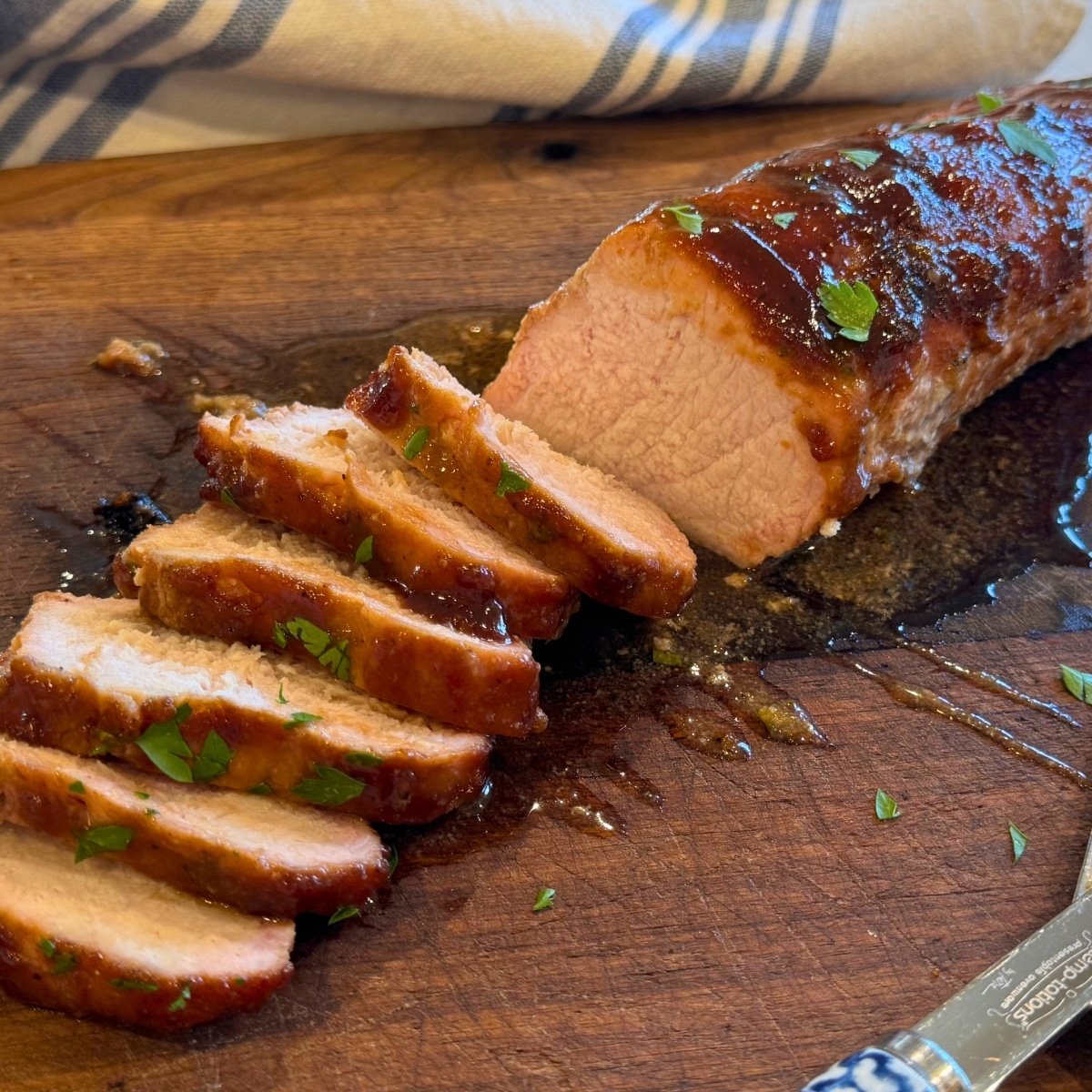
Credit: farmhouseharvest.net
Checking For Doneness
Checking for doneness is crucial when grilling a pork roast on a gas grill. It ensures your roast is juicy, tender, and safe to eat. Relying on just time can lead to undercooked or overcooked meat, so you need reliable ways to check.
Internal Temperature Targets
The most accurate way to check pork roast doneness is by measuring its internal temperature. Use a digital meat thermometer for precise readings.
- 145°F (63°C)– This is the recommended safe temperature for pork roast, yielding a slightly pink and juicy center.
- 160°F (71°C)– For a more well-done roast, fully cooked with no pink.
Insert the thermometer into the thickest part of the roast, avoiding bone or fat for a true reading. Checking the temperature early and often helps you avoid overcooking.
Visual And Tactile Cues
Besides temperature, look for visual and tactile signs to know when your pork roast is done.
- Color:A properly cooked pork roast often has a light pink center, not raw red or gray.
- Juices:When you pierce the meat, clear juices indicate doneness. Pink or red juices mean it needs more time.
- Firmness:Press the roast gently with tongs or your finger. It should feel firm but still have some give, similar to pressing the tip of your nose.
Have you ever cut into a pork roast too soon and ended up with dry meat? Trusting these signs alongside your thermometer can save your meal. This combo keeps your roast flavorful and perfectly cooked every time.
Resting And Serving
After grilling your pork roast, resting and serving are key steps. Resting lets the meat finish cooking evenly. It also keeps the juices inside, making the roast juicy and tender. Serving the pork correctly enhances the whole meal experience.
Importance Of Resting Time
Rest the pork roast for at least 10 to 15 minutes. Cover it loosely with foil to keep warm. This rest period allows the juices to settle. Cutting the meat too soon causes juices to spill out. The roast becomes dry and less flavorful. Resting also helps the meat relax, making slicing easier.
Serving Suggestions
Slice the pork roast against the grain for tender bites. Serve with simple sides like:
- Grilled vegetables
- Mashed potatoes
- Fresh green salad
- Steamed rice
Add a sauce or gravy to boost flavor. Apple sauce or mustard pairs well with pork. Warm bread or dinner rolls complete the meal. Present the roast on a large platter for sharing. Garnish with fresh herbs for a nice touch.

Credit: farmhouseharvest.net
Troubleshooting Common Issues
Grilling a pork roast on a gas grill can sometimes throw unexpected challenges your way. Knowing how to troubleshoot common problems can save your meal and keep your grilling experience enjoyable. Let’s look at some practical solutions to avoid the most frequent issues.
Avoiding Dryness
Dry pork roast is a disappointment you want to avoid. One key tip is to monitor the internal temperature closely. Pull the roast off the grill at around 145°F and let it rest; carryover heat will finish the cooking without drying it out.
Using a marinade or a simple brine before grilling adds moisture and flavor. Don’t forget to baste the roast occasionally during cooking to keep the surface juicy. Also, try grilling over indirect heat to prevent the outside from overcooking before the inside is done.
Handling Uneven Cooking
Ever noticed some parts of your roast are perfectly cooked while others are underdone? This usually happens due to hot spots on your grill or inconsistent heat distribution. To fix this, rotate your roast regularly and move it around the grill to balance exposure.
Setting up a two-zone fire on your gas grill can help. Place the coals or burners on one side for direct heat and keep the other side cooler for indirect cooking. This setup lets you sear the meat first, then finish cooking it slowly, ensuring even doneness.
Frequently Asked Questions
How Long Does It Take To Grill A Pork Roast?
Grilling a pork roast on a gas grill usually takes 1. 5 to 2 hours. The time depends on the roast size and grill temperature. Maintain a grill temperature of 350°F for even cooking and use a meat thermometer to check doneness.
What Internal Temperature Should Pork Roast Reach?
Pork roast should reach an internal temperature of 145°F. This ensures it is safe to eat and juicy. Use a meat thermometer inserted into the thickest part to check temperature accurately before removing from the grill.
Should I Use Direct Or Indirect Heat For Pork Roast?
Use indirect heat to grill pork roast. This method cooks the roast evenly without burning the outside. Place coals or burners on one side and the pork roast on the other side of the grill for best results.
How Often Should I Turn Pork Roast On The Grill?
Turn the pork roast every 20 to 30 minutes. This helps cook it evenly and prevents burning. Use tongs to avoid piercing the meat and losing juices.
Conclusion
Grilling a pork roast on a gas grill takes patience and care. Keep the grill temperature steady around medium heat. Cook the roast about 20 minutes per pound for best results. Use a meat thermometer to check for 145°F inside.
Let the meat rest before slicing to keep it juicy. This way, you get tender, flavorful pork every time. Enjoy your meal and happy grilling!