Grilling pork loin on your gas grill can be a delicious way to enjoy a tender, juicy meal. But how long should you actually cook it to get that perfect balance of flavor and texture?
If you’ve ever wondered about the exact grilling time, you’re not alone. Getting it wrong can mean dry meat or undercooked pork, and nobody wants that. You’ll discover clear, easy-to-follow tips on how long to grill your pork loin so every bite is mouthwatering.
Keep reading to unlock the secrets to grilling pork loin perfectly every time.
Choosing The Right Pork Loin
Choosing the right pork loin is key to grilling success. The cut you select affects cooking time and flavor. Different pork loins vary in size, thickness, and bone content. These factors change how heat moves through the meat. Picking the right one helps you grill perfectly every time.
Size And Thickness Matters
Smaller pork loins cook faster than larger ones. Thickness changes how heat penetrates the meat. Thicker cuts need longer grilling at lower heat. Thin cuts cook quickly but risk drying out. Knowing your pork loin’s size helps set the grill time. Use a meat thermometer for best results.
Bone-in Vs Boneless
Bone-in pork loins hold moisture better during grilling. The bone acts as a heat conductor, cooking meat evenly. Boneless loins cook faster but may dry out quicker. Bones add flavor and help retain juiciness. Choose bone-in for richer taste and juicier texture. Boneless suits quick grilling and easy slicing.
Preparing Your Gas Grill
Preparing your gas grill correctly is essential for cooking pork loin to juicy perfection. Getting the grill ready ensures even cooking and helps avoid flare-ups that can dry out your meat. Let’s focus on how to set up your grill for both direct and indirect heat, plus some preheating tips that can make a big difference in your grilling experience.
Setting Up For Direct And Indirect Heat
Direct heat means placing your pork loin right over the flames. This is great for searing and creating a flavorful crust. However, pork loin is thick and benefits from slower cooking, which is where indirect heat comes in.
To set up indirect heat, turn on only one side of your burners. Place the pork loin on the unlit side. This method cooks the meat gently and evenly without burning the outside.
- Use direct heat for the first few minutes to sear the pork loin.
- Move it to indirect heat to finish cooking through.
- Keep the grill lid closed as much as possible to maintain temperature.
Have you tried this two-zone setup before? It’s a game changer for controlling doneness without drying out your pork.
Preheating Tips
Preheating your gas grill is crucial. It ensures the grill grates are hot enough to sear the meat and helps prevent sticking. Aim to preheat the grill for 10-15 minutes with the lid closed.
Check the temperature with the built-in gauge or an external grill thermometer. You want the grill to reach about 400°F for searing pork loin initially, then lower it to around 325°F for indirect cooking.
Here’s a quick tip: after preheating, clean the grill grates with a grill brush. This removes old food residues and helps create those perfect grill marks on your pork loin.
How does your grill hold heat? If it struggles, try closing the lid during preheating and avoid opening it too often while cooking.
Seasoning And Marinating Tips
Seasoning and marinating pork loin enhances its flavor and tenderness. The right spices and marinating time make a big difference. Proper preparation helps the meat absorb flavors deeply. This section covers the best spices and how long to marinate for juicy results.
Best Spices For Pork Loin
Choose spices that complement pork’s natural taste. Use a mix of sweet, savory, and spicy flavors. Here are some popular options:
- Garlic powder - adds a rich, aromatic touch
- Paprika - gives a mild smoky flavor
- Black pepper - adds gentle heat and sharpness
- Thyme - offers a fresh, herbal note
- Rosemary - creates a pine-like aroma
- Cumin - adds a warm, earthy flavor
- Brown sugar - balances spices with sweetness
Mix these spices to create a dry rub or blend them into a marinade for extra flavor.
Marinating Time Recommendations
Marinating pork loin allows flavors to soak in and tenderizes the meat. The time depends on the marinade strength and size of the cut. Follow these guidelines:
| Marinating Time | Effect |
|---|---|
| 30 minutes to 1 hour | Light flavor boost |
| 4 to 6 hours | Moderate flavor and tenderness |
| 8 to 12 hours | Deep flavor and tender texture |
Do not marinate longer than 24 hours to avoid mushy texture. Keep the pork in the fridge while marinating. Pat dry before grilling to get a nice crust.
Grilling Time Guidelines
Grilling pork loin on a gas grill requires careful attention to time. The right grilling time ensures juicy and tender meat. Overcooking can dry it out, while undercooking leaves it unsafe to eat. Use these guidelines to grill pork loin perfectly every time.
Grill Time Per Pound
Plan for about 20 minutes of grilling per pound of pork loin. This estimate works for medium heat around 350°F (175°C). Turn the meat every 5 to 7 minutes for even cooking. Use a meat thermometer to check doneness.
Adjusting For Thickness And Temperature
Thicker cuts need more time. Thinner cuts cook faster. Lower grill temperatures require longer cooking times. Higher temperatures reduce cooking time but risk burning outside. Aim for an internal temperature of 145°F (63°C) for safe, juicy pork loin.
Using A Meat Thermometer
Grilling pork loin on a gas grill can be tricky. Ensuring it's cooked perfectly comes down to using a meat thermometer. This handy tool provides precision, taking the guesswork out of grilling. You might think you can judge doneness by appearance, but a thermometer gives you accuracy. It helps you serve a juicy and flavorful pork loin every time.
Target Internal Temperatures
The magic number for a perfectly grilled pork loin is 145°F. This is the USDA recommended safe temperature for pork. Use a digital meat thermometer for a quick and accurate reading. Insert it into the thickest part of the loin, away from bone or fat. You’ll ensure every bite is tender and safe to eat.
Do you often worry about undercooked meat? A thermometer eliminates this concern. It's your best friend for peace of mind when grilling.
Avoiding Overcooking
Overcooked pork can be dry and tough. No one wants to serve that. Stop grilling when the thermometer reads 145°F. Remember, the meat will continue to cook as it rests. This process, known as carryover cooking, can raise the temperature by 5°F.
Resting the meat is crucial. It allows the juices to redistribute, keeping your pork loin moist. Set it aside for at least three minutes before slicing.
Are you still relying on time alone? Consider investing in a meat thermometer. It could be the game-changer for your grilling adventures.
Credit: farmhouseharvest.net
Resting And Serving
Resting and serving your grilled pork loin properly can make a huge difference in the final taste and texture. After all the time and care spent grilling, you want every bite to be juicy and flavorful. Taking a moment to rest the meat allows the juices to redistribute, making your pork loin tender and moist.
How Long To Rest
Rest your pork loin for about 10 to 15 minutes after grilling. This pause lets the juices settle inside the meat instead of spilling out when you cut it. If you slice it too soon, you’ll lose those flavorful juices, and the pork can end up dry.
Cover the pork loosely with aluminum foil during resting to keep it warm without trapping steam. Have you ever noticed how a rested steak tastes better? The same principle applies here—resting is a small step that creates a big impact.
Slicing Tips For Juicy Pork
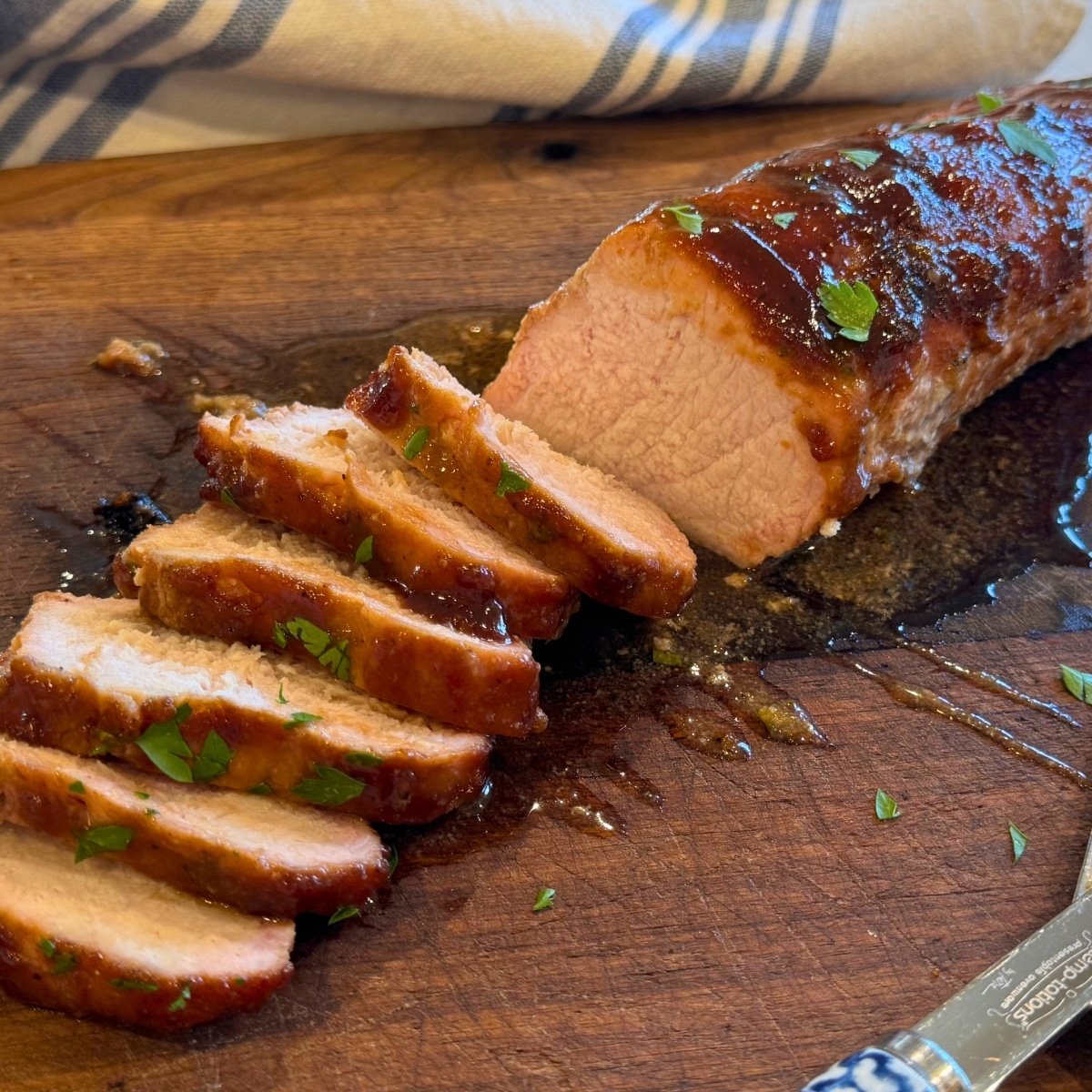
Always slice your pork loin against the grain. Cutting against the grain shortens the muscle fibers, making the meat easier to chew and more tender. If you cut with the grain, the meat feels tougher and stringier.
Use a sharp knife for clean cuts that don’t tear the meat. Slice in thin, even pieces to ensure each bite is perfectly juicy. Think about how you want to serve it—thinner slices work great for sandwiches, while thicker ones make a hearty main dish.
- Let the pork rest before slicing
- Cut against the grain
- Use a sharp knife
- Slice to your preferred thickness
Have you tried resting and slicing your grilled pork loin this way? The difference might surprise you and turn your next barbecue into a memorable meal.
Common Mistakes To Avoid
Grilling pork loin on a gas grill can be simple, but mistakes can ruin the taste. Avoiding common errors ensures juicy, flavorful meat every time. Focus on key factors like temperature and timing for the best results.
Grill Temperature Errors
Too high heat cooks the outside too fast. It leaves the inside raw or dry. Too low heat makes the pork dry and tough. Use a medium heat setting around 350°F (175°C). Preheat the grill well before placing the pork. Check the grill temperature often with a thermometer.
Cutting Too Soon
Cutting pork loin right off the grill lets juices escape. This causes dry, less tasty meat. Let the pork rest for 5 to 10 minutes after grilling. Resting helps juices spread evenly inside. Use a meat thermometer to check doneness before cutting. Aim for 145°F (63°C) internal temperature for safe, juicy pork.

Credit: farmhouseharvest.net
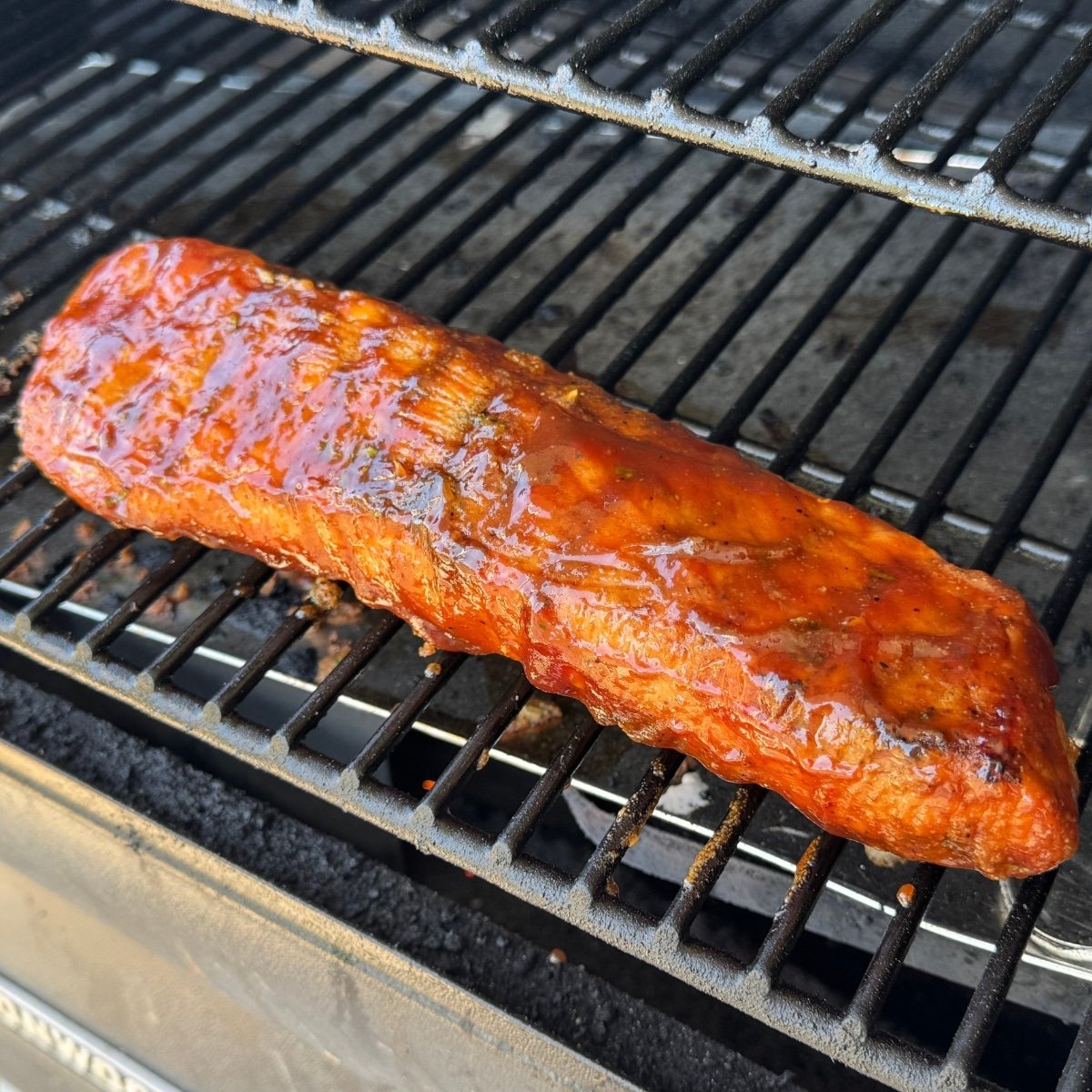
Credit: farmhouseharvest.net
Frequently Asked Questions
How Long To Grill Pork Loin On A Gas Grill?
Grill pork loin for 20-25 minutes per pound on medium heat. Use indirect heat and turn occasionally for even cooking.
What Is The Ideal Internal Temperature For Pork Loin?
Cook pork loin until it reaches 145°F (63°C) internally. Use a meat thermometer for accurate and safe results.
Should I Marinate Pork Loin Before Grilling?
Marinating pork loin enhances flavor and tenderness. Marinate for at least 2 hours or overnight for best results.
How Do I Prevent Pork Loin From Drying Out?
Cook pork loin over medium heat using indirect grilling. Rest meat 5-10 minutes before slicing to retain juices.
Conclusion
Grilling pork loin on a gas grill takes about 20 to 30 minutes. Keep the heat medium to avoid burning the outside. Use a meat thermometer to check for 145°F inside. Let the meat rest for a few minutes before cutting.
This keeps it juicy and tender. Following these steps helps you enjoy a tasty grilled pork loin every time. Simple and easy. Ready to grill?