Grilling chicken wings on a gas grill can be a delicious way to enjoy a classic favorite. But if you’re wondering how long to grill chicken wings to get them perfectly crispy and juicy, you’re in the right place.
Too little time, and your wings might be undercooked; too long, and they could turn dry or burnt. You’ll discover the ideal grilling times and tips to make your wings mouthwateringly good every single time. Ready to become the grill master at your next cookout?
Let’s dive in!
Choosing The Right Wings
Choosing the right chicken wings is key to great grilling. The type of wings affects cooking time and taste. Picking fresh, well-sized wings ensures even cooking and juicy results. Understanding the differences between fresh and frozen wings helps in planning your grilling session. Size and thickness also play a big role in how long wings take on the grill.
Fresh Vs Frozen Wings
Fresh wings tend to cook faster than frozen ones. They keep their texture better and have a richer flavor. Frozen wings need time to thaw before grilling. Thawing helps them cook evenly and prevents dryness. Always pat wings dry after thawing to get crispy skin on the grill.
Size And Thickness Matters
Small wings cook quickly, usually within 15-20 minutes. Larger or thicker wings need more time to reach the right temperature. Thick wings may take 25-30 minutes on the grill. Check wings often to avoid overcooking or burning. Use a meat thermometer for perfect doneness.

Credit: recipeteacher.com
Preparing The Grill
Preparing the grill is the first key step to cook perfect chicken wings. A well-prepared grill ensures even cooking and great flavor. Taking time to get your grill ready can prevent flare-ups and undercooked spots. It also helps maintain the right temperature throughout grilling. Follow these steps to set up your gas grill for juicy, crispy wings.
Preheating Your Gas Grill
Start by turning on all burners of the gas grill. Close the lid and let it heat for 10 to 15 minutes. Aim for a temperature of about 375°F to 400°F. This temperature is ideal for grilling wings. Preheating helps the grill reach an even heat, which cooks wings consistently. It also prevents the wings from sticking to the grates.
Setting Up Direct And Indirect Heat Zones
Adjust the burners to create two heat zones on your grill. Keep one side on high for direct heat. Turn the other side off or to low for indirect heat. Place the wings first on the direct heat side to sear the skin. Then move them to the indirect heat side to cook through without burning. This method allows wings to cook evenly and stay juicy.
Marinating And Seasoning
Marinating and seasoning chicken wings is key to deep flavor. The right marinade or rub makes wings juicy and tasty. It also helps the grill heat spread evenly. Marinating time depends on ingredients but usually lasts from 30 minutes to overnight. Seasoning adds a crispy, flavorful crust after grilling. Both steps improve texture and taste significantly.
Best Marinades For Flavor
Marinades add moisture and infuse wings with taste. Use acidic ingredients like lemon juice or vinegar to tenderize meat. A mix of oil, herbs, and spices enhances flavor. Sweet elements balance acidity and heat. Here are some popular options:
- Garlic and soy sauce with honey
- Lemon juice, olive oil, and rosemary
- Hot sauce, lime juice, and brown sugar
- Teriyaki with ginger and sesame oil
Marinate wings in the fridge for at least 30 minutes. Longer marinating time creates stronger flavor. Always discard leftover marinade that touched raw chicken.
Dry Rubs And Sauces
Dry rubs create a tasty crust without extra moisture. Mix spices like paprika, chili powder, salt, and pepper. Rub evenly on wings before grilling. Let wings sit for 15-30 minutes to absorb flavors.
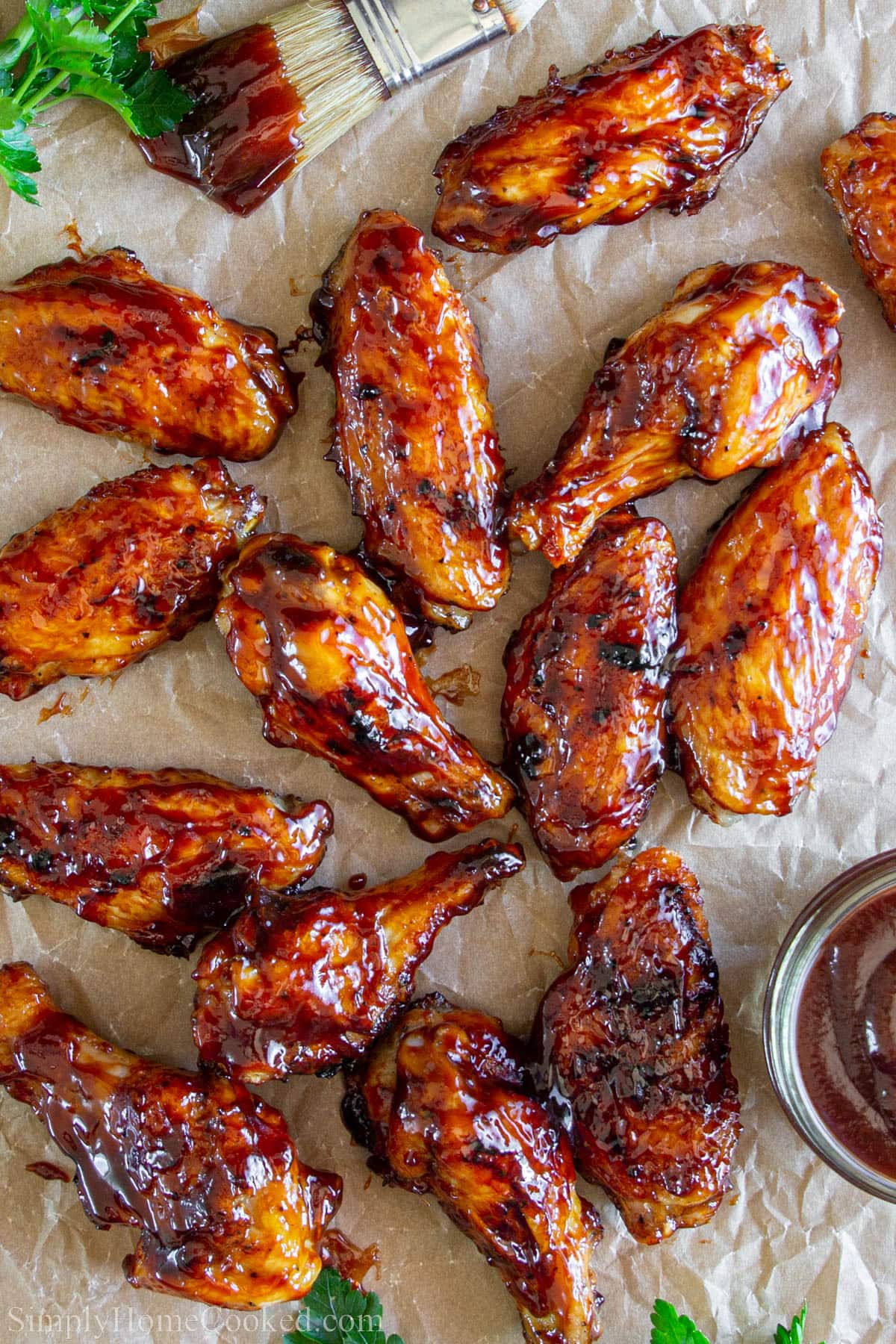
After grilling, toss wings in sauces for extra taste and shine. Classic sauce choices include:
- Buffalo sauce
- Barbecue sauce
- Honey mustard
- Garlic parmesan
Apply sauce after grilling to keep the skin crispy. Serve wings hot for best flavor and texture.
Credit: simplyhomecooked.com
Grilling Time And Temperature
Grilling chicken wings requires the right balance of time and temperature. Too hot, and the wings burn outside while staying raw inside. Too cool, and they dry out or take too long to cook. Understanding the ideal grill temperature and timing ensures juicy, flavorful wings every time.
Ideal Grill Temperature
Set the gas grill to medium-high heat, about 350°F to 400°F (175°C to 205°C). This temperature cooks wings evenly without charring. Keep the grill covered to maintain consistent heat. Use a grill thermometer for accuracy. Avoid flare-ups by trimming excess fat from the wings.
Timing For Bone-in Wings
Bone-in wings take longer to cook than boneless. Grill them for 20 to 25 minutes total. Turn wings every 5 minutes for even cooking and crisp skin. Check internal temperature with a meat thermometer. It should read 165°F (74°C) when done. Allow wings to rest for a few minutes before serving.
Timing For Boneless Wings
Boneless wings cook faster, usually in 12 to 15 minutes. Grill over medium-high heat. Flip every 3 to 4 minutes to avoid burning. Check for an internal temperature of 165°F (74°C). Remove from the grill promptly to keep them juicy and tender.
Grilling Techniques
Mastering grilling techniques can transform your chicken wings from good to unforgettable. Knowing how to control heat and manage the cooking process is key to achieving the perfect balance of crispy skin and juicy meat. Let’s explore some practical ways to get the best results on your gas grill.
Using Direct Heat For Crispiness
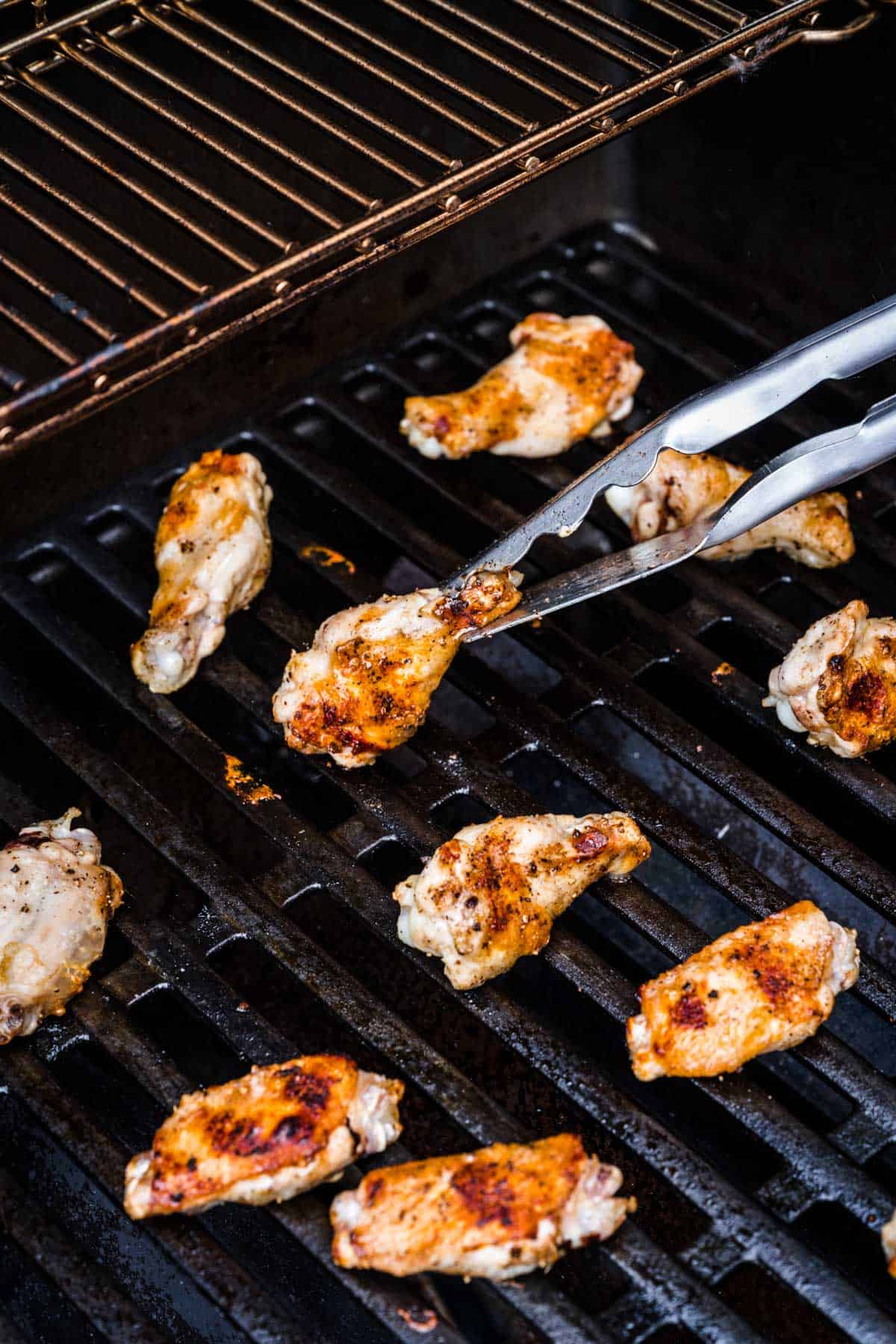
Start by placing your wings directly over the flame. The high, direct heat sears the skin, creating that irresistible crispiness you crave. Keep a close eye on them and turn frequently to avoid burning.
Direct heat cooks the outside fast, locking in juices. If you rush this step, you might end up with burnt skin but raw inside. Have you noticed how wings get that golden crunch on a hot grill? That’s the magic of direct heat at work.
Finishing On Indirect Heat
Once the skin crisps up, move your wings to an indirect heat zone. This gentler cooking finishes the inside without charring the outside. It’s like giving your wings a chance to cook evenly and stay juicy.
Set your grill burners so one side is off or low, then place the wings there with the lid closed. This technique also lets you add sauces late in the process without burning the sugars. How often do you check your wings while they rest on indirect heat? Patience pays off here.
Avoiding Flare-ups
Flare-ups happen when fat drips onto the flames, causing sudden bursts of fire. These can burn your wings quickly and ruin the flavor. Keep a spray bottle of water nearby to control these flames instantly.
Trim excess fat from your wings before grilling to reduce flare-ups. Also, try to keep the grill clean to prevent old grease from igniting. Have you ever had to pull your wings off the grill too soon because of a flare-up? Managing these surprises is part of the grilling game.
Credit: www.tablefortwoblog.com
Checking Doneness
Checking doneness is crucial for perfectly grilled chicken wings. It ensures the wings are safe to eat and juicy. Overcooked wings become dry, while undercooked wings pose health risks. Use reliable methods to confirm the wings are ready.
Internal Temperature Guide
Use a meat thermometer to check the chicken wings’ internal temperature. Insert it into the thickest part of the wing without touching the bone. The safe internal temperature for chicken is 165°F (74°C). Remove the wings from the grill once they reach this temperature. Let them rest for a few minutes to allow juices to redistribute.
Visual And Texture Cues
Visual and touch checks help confirm doneness. The skin should be golden brown and crispy. Juices running clear is a good sign the wings are cooked through. Press the thickest part; it should feel firm but not hard. Avoid wings that feel soft or jelly-like. These signs help you avoid undercooked or overcooked wings.
Resting And Serving
Grill chicken wings for 20-25 minutes on medium heat, flipping every 5 minutes for even cooking. Let them rest for 5 minutes before serving to retain juices and flavor.
Grilling chicken wings to perfection is an art, but the magic truly happens once the wings are off the grill. Resting and serving are crucial steps that can elevate your grilling experience from good to great. Let's delve into why these steps are so important and how you can impress your guests with the perfect presentation.
Why Resting Matters
Resting is not just a fancy chef's trick—it's essential for juicy, flavorful chicken wings. When you grill, the juices in the chicken are pushed towards the center. Allowing the wings to rest for a few minutes helps the juices redistribute throughout, ensuring every bite is succulent. Skip the rest, and you risk losing those precious juices the moment you slice into the wing. Have you ever cut into a piece of meat and watched the juices spill out onto the plate? That's what you want to avoid. Give your wings about five minutes to rest, and they will reward you with every bite.
Serving Suggestions And Sauces
How you serve your chicken wings can transform a simple meal into an extraordinary feast. Consider arranging your wings on a large platter with a variety of dipping sauces to cater to different tastes. Classic choices include buffalo sauce, ranch, and blue cheese dressing. For a twist, try offering a honey mustard dip or a spicy sriracha mayo. Add a pop of color and freshness by garnishing with celery sticks and carrot slices. This not only enhances the presentation but also provides a crunchy contrast to the tender wings. What's your go-to sauce when serving wings? Explore new flavors and make your next BBQ memorable!
Common Grilling Mistakes
Grilling chicken wings is simple but easy mistakes can ruin the taste and texture. Knowing common grilling errors helps avoid problems. These mistakes often affect cooking time and wing quality. Pay attention to these points for perfect wings every time.
Overcooking And Dryness
Cooking wings too long makes them dry and tough. High heat can burn the skin while drying the meat inside. Watch the grill closely and use a timer. Remove wings as soon as they reach 165°F inside. Rest wings a few minutes before serving to keep them juicy.
Undercooking Risks
Undercooked chicken wings carry health risks. Wings must reach a safe internal temperature to kill bacteria. Using a meat thermometer avoids guesswork. Wings cooked too little may have pink meat near the bone. Always check temperature in the thickest part of the wing.
Ignoring Grill Maintenance
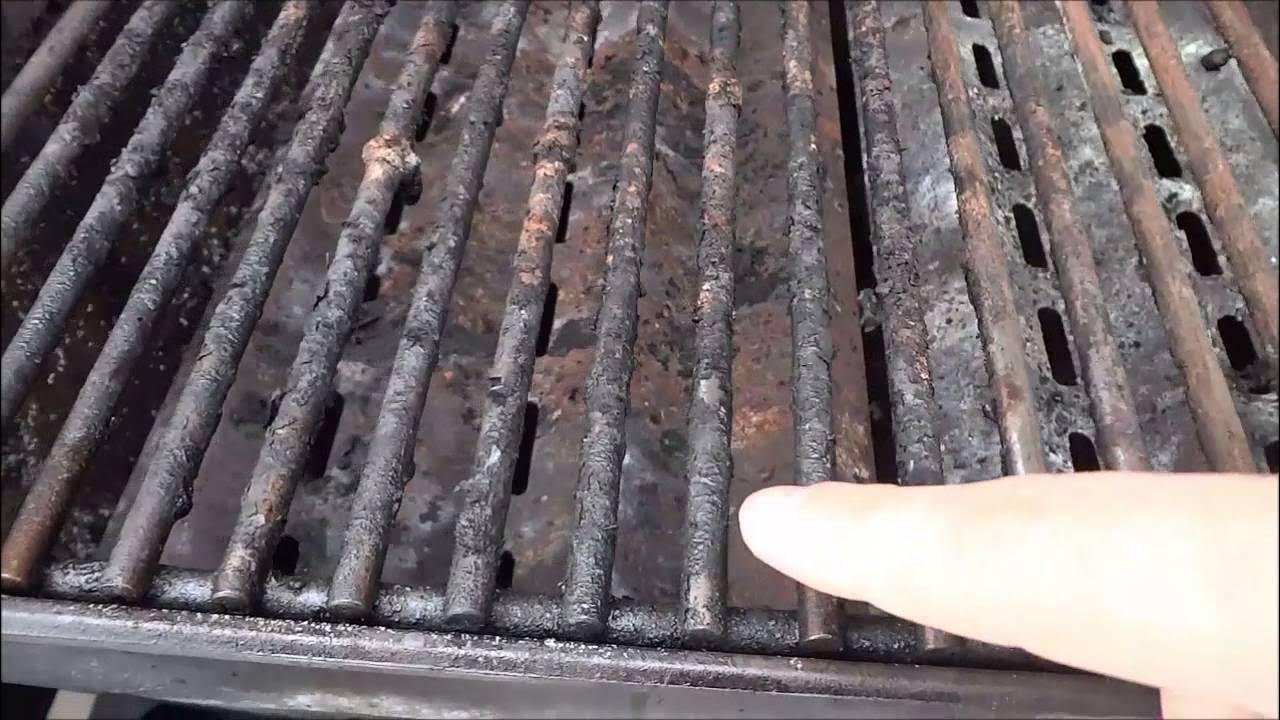
Dirty grills cause uneven cooking and flare-ups. Old grease and food bits stick to wings and spoil flavor. Clean grill grates before each use with a wire brush. Check gas connections for leaks and proper flame. Well-maintained grills heat evenly and cook wings better.
Frequently Asked Questions
How Long Should Chicken Wings Grill On Gas Grill?
Grill chicken wings for 20-25 minutes on medium heat. Turn frequently for even cooking and crisp skin. Use a meat thermometer to ensure 165°F internal temperature.
What Temperature Is Ideal For Grilling Chicken Wings?
Set your gas grill to medium heat, around 350°F to 400°F. This temperature cooks wings evenly and crisps the skin without burning.
Should I Marinate Wings Before Grilling On Gas Grill?
Yes, marinating chicken wings enhances flavor and tenderness. Marinate for at least 30 minutes or up to 4 hours before grilling.
How Do I Prevent Wings From Sticking To The Grill?
Preheat the grill and oil the grates well. Use tongs to turn wings gently to avoid sticking and tearing the skin.
Conclusion
Grilling chicken wings on a gas grill takes about 20-25 minutes. Keep the grill temperature medium-high for even cooking. Turn the wings often to avoid burning. Check the wings’ internal temperature to ensure safety. Wings are done at 165°F (75°C).
Let them rest a few minutes before serving. This simple timing helps you enjoy juicy, tasty wings every time. Experiment with flavors and sauces to suit your taste. Enjoy your grilled wings with friends and family.