Grilling chicken legs on your gas grill can be a game-changer for your meals. But how long should you actually grill them to get that perfect, juicy bite every time?
Too short, and you risk undercooking; too long, and your chicken could turn dry. You’ll discover the ideal grilling time and simple tips to make your chicken legs tender, flavorful, and safe to eat. Ready to become a grilling pro and impress your family or friends?
Keep reading to unlock the secrets of perfectly grilled chicken legs.
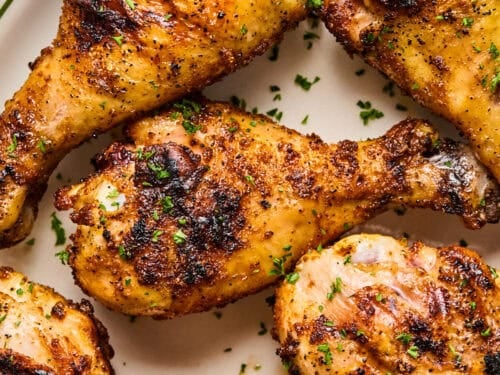
Credit: lemonsandzest.com
Choosing The Right Chicken Legs
Choosing the right chicken legs is key for perfect grilling. The quality and type of chicken affect taste and cooking time. Picking the best legs helps achieve juicy, flavorful results on the gas grill. Consider freshness and size before starting.
Fresh Vs Frozen
Fresh chicken legs offer better texture and flavor. They cook evenly and stay juicy. Frozen chicken legs are convenient but require full thawing. Thaw completely to avoid uneven cooking and dry spots. Fresh is best for grilling, but thawed frozen legs work well too.
Size And Thickness Impact
Size and thickness change how long chicken legs take to grill. Thick legs need more time to cook inside. Small or thin legs cook faster but can dry out easily. Choose legs close in size for even cooking. Use a meat thermometer to check doneness and keep legs juicy.
Preparing Chicken Legs For Grilling
Preparing chicken legs properly before grilling sets the stage for juicy, flavorful results. Taking a little extra time on prep can make a big difference in how your grilled chicken turns out. Are you ready to elevate your grilling game by treating your chicken legs with the care they deserve?
Marinating Tips
Marinating adds moisture and flavor deep into the chicken legs. Aim to marinate for at least 30 minutes, but overnight in the fridge works best for tender, well-seasoned meat.
Use a mix of acid (like lemon juice or vinegar), oil, and herbs or spices. This combo helps break down muscle fibers and infuses taste without making the meat mushy.
Remember to pat dry the chicken before placing it on the grill. Excess marinade can cause flare-ups and uneven cooking.
Seasoning Ideas
Simple salt and pepper can do wonders, but adding garlic powder, smoked paprika, or cayenne pepper can kick the flavor up a notch.
Try a dry rub with brown sugar, chili powder, and cumin for a sweet and spicy crust. Don’t hesitate to mix fresh herbs like rosemary or thyme directly onto the skin for an aromatic touch.
Have you experimented with spice blends from different cuisines? A dash of curry powder or a sprinkle of za’atar can turn your chicken legs into an exciting meal.
Trimming And Cleaning
Before seasoning, check your chicken legs for any excess fat or loose skin and trim it off. This helps prevent flare-ups and ensures even cooking.
Rinse the chicken under cold water and pat dry with paper towels. Dry skin crisps up better on the grill, giving you that perfect texture.
Don’t forget to remove any leftover feathers or cartilage for a clean bite every time. Preparing your chicken legs this way shows you care about every detail on your plate.
Setting Up Your Gas Grill
Setting up your gas grill properly is the first key to perfectly grilled chicken legs. Without the right preparation, you risk uneven cooking, sticking, or flare-ups that can ruin your meal. Taking a little extra time to prepare your grill ensures a smooth grilling experience and juicy, delicious results every time.
Preheating Guidelines
Preheat your gas grill for about 10 to 15 minutes before placing the chicken legs on the grates. You want the grill to reach a steady medium heat, roughly 350°F to 375°F, which is ideal for cooking chicken evenly without burning the skin.
Have you noticed how a cold grill can cause your meat to stick and cook unevenly? Preheating prevents this by creating a hot surface that sears the chicken right away, locking in juices and flavor.
Temperature Zones
Setting up temperature zones on your gas grill helps you manage cooking speed and avoid flare-ups. Arrange your burners so one side is hotter (direct heat) and the other cooler (indirect heat).
- Use the hot zone to sear the chicken legs and get that crispy skin.
- Move the legs to the cooler zone to finish cooking gently without burning.
This approach gives you control over the cooking process. Have you ever flipped chicken legs only to find some parts burnt and others raw? Temperature zones solve that problem.
Cleaning And Oiling Grates
Clean grates are essential for preventing sticking and giving your chicken nice grill marks. Before grilling, use a grill brush to scrape off any leftover residue.
Once clean, oil the grates lightly using a paper towel dipped in vegetable oil. Use tongs to rub the oil-soaked towel over the grates carefully.
This simple step makes a big difference. Have you ever had chicken tear apart because it stuck to the grill? Oiled grates help your chicken slide off easily and keep those beautiful grill lines intact.
Grilling Time And Temperature
Grilling chicken legs properly depends on the right time and temperature. Cooking at the correct heat ensures juicy meat and crispy skin. Too high heat can burn the outside and leave the inside raw. Too low heat can dry out the chicken. Understanding these key points helps you grill perfect legs every time.
Ideal Cooking Temperature
Set your gas grill to medium heat, about 350°F to 375°F (175°C to 190°C). This range cooks chicken evenly without burning. Use a grill thermometer to check the temperature. Avoid extreme heat, which cooks too fast outside but leaves the inside underdone.
Direct Vs Indirect Heat
Direct heat means placing chicken right over the flame. It gives a nice sear and crispy skin. Indirect heat means cooking beside the flame, not directly above it. This method cooks chicken gently and helps avoid flare-ups. Start with direct heat for 5-7 minutes to brown the skin. Then move legs to indirect heat to finish cooking.
Grill Time Range For Juicy Legs
- Grill chicken legs for 30 to 40 minutes total.
- Sear on direct heat for 5-7 minutes per side.
- Move to indirect heat and cook for 20-30 minutes.
- Turn legs every 5-7 minutes for even cooking.
- Use a meat thermometer; internal temperature should reach 165°F (74°C).
Techniques For Even Cooking
Grilling chicken legs on a gas grill requires precision to achieve even cooking. Cooking time for chicken legs depends on their size and desired level of doneness. Medium-sized chicken legs typically take 20-25 minutes to grill.
Grilling chicken legs on a gas grill can be a simple yet rewarding experience when done right. The secret to achieving perfectly cooked chicken legs lies in mastering the art of even cooking. Whether you're a grilling novice or a seasoned pro, these techniques can elevate your grilling game and ensure your chicken legs are cooked to perfection every time.
Turning And Flipping
Frequent turning and flipping are key to evenly cooked chicken legs. You want each side to have a chance to bask in the grill's heat. Aim to turn the chicken legs every 5-7 minutes. This consistent flipping prevents one side from getting charred while ensuring a uniform golden-brown crust. I remember my first grilling disaster; I left the chicken legs untouched for too long, and they ended up burnt on one side. Keep an eye on them and be proactive with your tongs. Balance is key.
Using A Meat Thermometer
A meat thermometer is your best friend for grilling chicken legs. It takes the guesswork out of grilling, ensuring your chicken is cooked thoroughly without being overdone. Insert the thermometer into the thickest part of the leg, avoiding bone contact, to get an accurate reading. Aim for an internal temperature of 165°F (74°C) for perfectly cooked chicken. This tool is especially handy when you’re hosting a barbecue and need to juggle several tasks at once.
Resting Before Serving
Once your chicken legs reach the ideal temperature, resist the urge to serve them immediately. Letting them rest for about 5 minutes allows the juices to redistribute, keeping the meat tender and flavorful. During this resting period, you can prepare a fresh salad or set up the dining area. The wait might test your patience, but the juicy, succulent chicken is worth every second. Have you ever rushed to serve a dish only to find it dry? This simple step can make all the difference.

Credit: garnishedplate.com
Common Mistakes To Avoid
Grilling chicken legs on a gas grill requires attention to detail. Avoiding common mistakes helps achieve juicy, flavorful results every time. Many make errors that spoil texture and taste. Knowing what to avoid improves your grilling skills quickly.
Overcooking
Overcooking chicken legs makes them dry and tough. It happens when grilling too long or at too high heat. Check the internal temperature with a meat thermometer. Aim for 165°F (75°C) to keep meat juicy. Remove legs promptly once done to prevent dryness.
Undercooking
Undercooked chicken is unsafe to eat. It can cause foodborne illness. Grill chicken legs until the inside reaches 165°F (75°C). Use a thermometer to check near the bone. Avoid guessing by time alone. Patience ensures safe and tasty chicken.
Ignoring Flare-ups
Flare-ups burn chicken and create uneven cooking. They occur when fat drips on the flames. Move chicken legs away from flames quickly. Keep a spray bottle of water nearby to control flare-ups. Managing flames protects flavor and prevents charring.
Serving Suggestions
Grilled chicken legs taste great on their own. Serving them with the right sides and sauces makes the meal complete. These suggestions will help you create a balanced and tasty plate that everyone will enjoy.
Side Dishes Pairing
- Grilled vegetables like zucchini, bell peppers, and corn add color and flavor.
- Classic coleslaw offers a crunchy and refreshing contrast.
- Simple green salads with light vinaigrette brighten the meal.
- Roasted potatoes or sweet potato fries bring a hearty touch.
- Rice pilaf or quinoa provides a mild and filling base.
- Fresh bread or dinner rolls help soak up any sauces.
Sauce And Glaze Options
- Barbecue sauce adds a sweet and smoky flavor.
- Honey mustard glaze gives a tangy and slightly sweet taste.
- Spicy buffalo sauce offers a bold and zesty kick.
- Teriyaki glaze brings a sweet and savory Asian touch.
- Chimichurri sauce adds fresh herbs and garlic notes.
- Simple lemon butter sauce brightens the flavors with citrus.

Credit: www.foodfirefriends.com
Frequently Asked Questions
How Long Does It Take To Grill Chicken Legs On A Gas Grill?
Grilling chicken legs on a gas grill takes about 30 to 35 minutes. Cook over medium heat, turning every 5-7 minutes for even cooking and crispy skin.
What Is The Ideal Temperature For Grilling Chicken Legs?
The ideal gas grill temperature for chicken legs is 350°F to 375°F. This range ensures thorough cooking without burning the skin.
How Do I Know When Chicken Legs Are Fully Cooked?
Chicken legs are done when the internal temperature reaches 165°F. Use a meat thermometer inserted into the thickest part to check.
Should I Marinate Chicken Legs Before Grilling?
Marinating chicken legs for at least 30 minutes enhances flavor and tenderness. Use your favorite marinade for best results.
Conclusion
Grilling chicken legs on a gas grill takes about 30 to 40 minutes. Keep the heat medium to avoid burning. Turn the legs often for even cooking. Check that the inside reaches 165°F for safety. Juicy, tender chicken is the goal.
With practice, you’ll know the perfect timing. Enjoy your tasty grilled chicken anytime. Simple steps lead to great meals. Try different spices to find your favorite flavor. Grilling can be easy and fun for everyone.