Grilling brats on your gas grill can be a delicious way to enjoy a classic favorite. But how long should you cook them to get that perfect juicy bite without drying them out?
If you’ve ever wondered about the exact grilling time or how to tell when your brats are ready, you’re in the right place. You’ll discover simple tips and clear timings that ensure your brats come out mouthwatering every time. Keep reading, and you’ll never overcook or undercook your brats again.
Choosing The Right Brats
Choosing the right brats sets the stage for a delicious grilling experience. The type and quality of bratwurst affect cooking time and flavor. Understanding the options helps make better choices for your grill session.
Types Of Bratwurst
Bratwurst comes in many varieties, each with unique tastes and textures. The most common types include:
- Traditional German Brats:Made from pork, with mild spices.
- Beer Brats:Brats cooked or marinated in beer for richer flavor.
- Cheese Brats:Filled with cheese for a creamy center.
- Spicy Brats:Include hot peppers or spices for heat.
- Chicken or Turkey Brats:Leaner options with lighter flavor.
Choosing the brat type depends on your taste and grilling time. Some types cook faster due to fat content and size.
Fresh Vs. Frozen Brats
Fresh brats offer juicier, more tender results on the grill. They cook evenly and absorb flavors well.
Frozen brats need extra time to thaw or cook through. Grilling from frozen may cause uneven cooking and dryness.
For best results, thaw frozen brats in the fridge overnight before grilling. This helps maintain moisture and texture.
Fresh brats provide the best taste, but frozen brats are convenient and last longer.
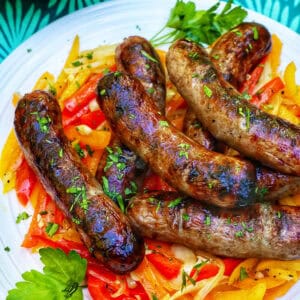
Credit: urbanblisslife.com
Preparing Your Gas Grill
Getting your gas grill ready is key to cooking perfect brats. A well-prepared grill ensures even cooking and that delicious, slightly charred flavor everyone loves. Before you place those sausages on the grates, spend a few moments on these crucial steps to set yourself up for grilling success.
Setting The Temperature
Start by adjusting your grill to medium heat, around 350°F to 375°F. This temperature range lets the brats cook through without burning the casing. If your grill has multiple burners, light only one or two to create direct and indirect heat zones.
Have you noticed how sausages can sometimes burst on high heat? That’s why controlling your temperature matters. Too hot, and the outside chars before the inside is done. Too low, and you lose that crispy texture.
Preheating Tips
Always preheat your gas grill for at least 10 to 15 minutes before cooking. This step stabilizes the temperature and helps prevent sticking. A preheated grill also sears the brats quickly, locking in their juices.
One trick I use: after preheating, brush the grill grates with oil using a folded paper towel and tongs. This simple move creates a non-stick surface without causing flare-ups. How often do you skip preheating and notice your food sticking or cooking unevenly? Give this a try next time and see the difference.
Grilling Time And Temperature
Grilling brats perfectly depends largely on controlling both time and temperature. Too high heat can burst the casing, while too low leaves them undercooked. Finding the right balance ensures juicy, flavorful brats every time.
Ideal Heat Settings
Set your gas grill to medium heat, around 350°F to 400°F (175°C to 205°C). This temperature range cooks the brats evenly without burning the outside.
A grill that’s too hot causes flare-ups and uneven cooking. Too low, and you risk drying out the meat. Keep the lid closed to maintain consistent heat.
Cooking Duration For Juicy Brats
Grill your brats for about 15 to 20 minutes total. Turn them every 4 to 5 minutes to get those perfect grill marks and cook evenly on all sides.
Internal temperature is key: aim for 160°F (71°C) to ensure they are safe and juicy. Using a meat thermometer can take the guesswork out of grilling.
Have you noticed how brats taste different when rushed? Taking the time to grill them properly changes the whole experience. What’s your favorite way to keep them juicy on the grill?

Credit: kitchenlaughter.com
Techniques For Even Cooking
Grilling brats evenly on a gas grill requires more than just placing them on the grates and waiting. Achieving that perfect balance of a juicy inside and crispy outside depends on mastering a few key techniques. These will help you avoid burnt spots and undercooked centers, ensuring every bite is delicious.
Turning Frequency
How often you turn your brats impacts their cooking consistency. Turning them too frequently can prevent a nice sear, while waiting too long risks burning one side.
A good rule is to turn your brats every 3 to 4 minutes. This timing allows each side to brown evenly without drying out the meat. Pay close attention to the grill’s heat; if it’s running hot, you might need to turn them a bit more often.
Have you noticed uneven grill marks before? Try keeping track of your turns next time and see how it improves the look and taste.
Using Indirect Heat
Direct flames can char the outside of brats while leaving the inside raw. Using indirect heat helps cook them through gently without burning.
To set up indirect heat, turn on one or two burners on your gas grill and leave the other burners off. Place the brats over the unlit part of the grill. Close the lid and let them cook slowly, turning occasionally to brown all sides.
This method takes a bit longer—usually around 20 to 25 minutes—but it gives you control over the cooking process and reduces flare-ups. Have you ever rushed grilling only to end up with brats that are burnt outside but cold inside? Indirect heat is your solution.
Checking Doneness
Grill brats until their internal temperature reaches 160°F for safe eating. Check for firm texture and clear juices to confirm doneness. Avoid cutting too early to keep juices inside.
Grilling brats to perfection requires more than just timing. Ensuring they're cooked thoroughly is vital for both taste and safety. So, how do you know when your brats are done? Checking doneness involves looking at internal temperature, as well as visual and texture cues.
Internal Temperature Guide
Use a meat thermometer to check the internal temperature. Insert it into the thickest part of the brat. The ideal temperature for cooked brats is 160°F (71°C). This ensures they are fully cooked and safe to eat.
Visual And Texture Cues
Observe the brat's color. The outside should be golden brown. Cut a brat open to check inside. The meat should no longer be pink. Gently press the brat with tongs. It should feel firm yet springy. Avoid undercooked or overcooked brats. They can be dry or unsafe. By following these tips, you can enjoy juicy and delicious grilled brats.
Enhancing Flavor
Enhancing the flavor of brats on a gas grill makes every bite delicious. Simple techniques boost taste and create a memorable meal. Small changes in preparation and grilling add layers of flavor that impress. Experimenting with marinades, seasonings, and smoke can turn ordinary brats into a feast.
Marinades And Seasonings
Marinating brats before grilling adds moisture and flavor. Use mixtures with ingredients like garlic, onion, and herbs. Even a short soak of 30 minutes makes a difference. Dry rubs with spices such as paprika, black pepper, and mustard powder also enhance taste. Apply seasonings evenly for consistent flavor throughout.
- Basic marinade: olive oil, garlic, lemon juice, and herbs
- Dry rub: paprika, garlic powder, salt, and black pepper
- Let brats rest after seasoning for better absorption
Adding Smoky Notes
Gas grills can create smoky flavors with wood chips. Soak chips in water for 30 minutes before use. Wrap them in foil and poke holes to release smoke. Place the packet near the burners for slow smoke infusion. This method gives brats a subtle smoky taste without a charcoal grill.
- Use hickory, applewood, or mesquite chips for varied flavors
- Control smoke by adjusting grill temperature to medium-low
- Smoke brats for 5 to 10 minutes for best results
Serving Suggestions
Serving grilled brats is as important as cooking them right. The right bun and toppings can enhance the flavor. Pairing with perfect side dishes completes your meal. Here are ideas to make your bratwurst dinner delicious and satisfying.
Best Buns And Toppings
Choose buns that hold up well to juicy brats. Pretzel buns add a rich, salty flavor. Classic white buns work well too. Toast the buns lightly for extra texture.
- Yellow mustard: A tangy, sharp classic topping.
- Sauerkraut: Adds a sour crunch that balances richness.
- Grilled onions: Sweet and smoky flavor boost.
- Pickles: Provide a crisp, acidic bite.
- Cheese slices: Melted cheddar or Swiss for creaminess.
Mix and match toppings to suit your taste. Keep it simple or pile them high. Both ways bring great results.
Side Dishes Pairing
Brats taste best with hearty, easy side dishes. Potato salad is a popular choice. Its creamy texture pairs well with grilled meat.
- Coleslaw: Fresh and crunchy, cuts through richness.
- Baked beans: Sweet and smoky, a classic match.
- Grilled vegetables: Light and healthy complement.
- Corn on the cob: Sweet, juicy, and perfect for grilling.
- French fries or potato wedges: Crispy and satisfying.
Choose sides that balance flavors and textures. They make your brat meal more enjoyable and complete.
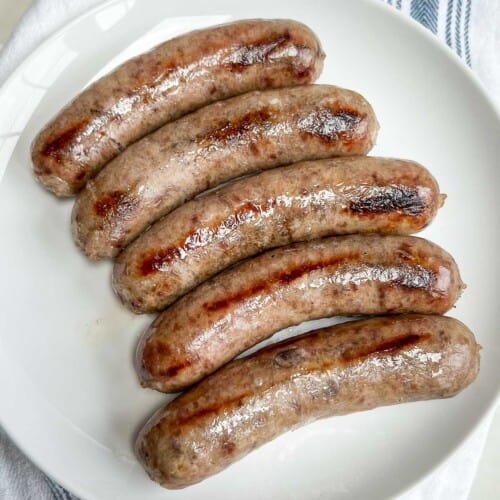
Credit: www.seannaskitchen.com
Common Mistakes To Avoid
Grilling brats too long can dry them out, while undercooking risks food safety. Avoid high heat that burns the outside before the inside cooks. Turning them often helps cook evenly and keeps the juices inside.
Grilling brats to perfection on a gas grill can be tricky, especially if you're just starting out. It's not uncommon to make mistakes, but knowing what to avoid can save you from serving burnt or undercooked sausages. Let's dive into some common pitfalls and how you can steer clear of them.
Overcooking Risks
Overcooking brats is a frequent mistake that can lead to dry, tasteless sausages. You might think that leaving them on the grill longer ensures they're cooked through, but it often results in a tough texture. A good tip is to use a meat thermometer to check that the internal temperature reaches 160°F. This ensures they're safe to eat without losing their juiciness.
Grill Temperature Errors
Setting the wrong grill temperature is another common error. Too high, and you'll end up with charred outsides and raw insides. Too low, and you'll be waiting forever for them to cook. Aim for medium heat, around 350°F to 400°F, for the best results. Have you ever found yourself impatiently increasing the heat, hoping to speed things up? Resist the temptation! Consistent temperature is key to evenly cooked brats. Avoid these mistakes, and you'll be on your way to grilling brats like a pro. What other grilling errors have you encountered?
Frequently Asked Questions
How Long Should Brats Grill On A Gas Grill?
Grill brats over medium heat for 15 to 20 minutes. Turn them frequently for even cooking and juicy results.
What Temperature Is Ideal For Grilling Brats?
Maintain your gas grill at medium heat, around 350°F to 375°F. This temperature cooks brats evenly without burning.
Should I Pre-cook Brats Before Grilling?
Pre-cooking brats in beer or water for 10 minutes helps them stay juicy. It also reduces grill time and prevents burning.
How Do I Know When Brats Are Fully Cooked?
Brats are done when internal temperature reaches 160°F. Use a meat thermometer to ensure safe and perfect doneness.
Conclusion
Grilling brats on a gas grill takes about 15 to 20 minutes. Keep the heat medium to avoid burning outside while inside cooks. Turn the brats often for even cooking and nice grill marks. Use a meat thermometer to check for 160°F inside.
Rest the brats a few minutes before serving to keep juices inside. Enjoy tasty, juicy brats every time with simple steps like these. Perfect for summer cookouts or quick meals any day.