Grilling bone-in chicken thighs on your gas grill can be a game-changer for dinner. But how do you know exactly how long to cook them for juicy, flavorful results every time?
If you’ve ever ended up with dry or undercooked chicken, you’re not alone. Getting the timing right is key to unlocking that perfect balance of crispy skin and tender meat. You’ll discover the exact grilling times and tips that will make your chicken thighs the star of your next cookout.
Ready to master your gas grill and impress your family or friends? Let’s dive in.
Choosing The Right Chicken Thighs
Choosing the right chicken thighs is key for great grilling results. Different types affect cooking time and flavor. Knowing what to pick helps you grill perfectly every time.
Bone-in Vs Boneless
Bone-in thighs take longer to cook than boneless. The bone keeps the meat juicy and adds flavor. Boneless thighs cook faster and are easier to handle. For grilling, bone-in gives a richer taste and better texture.
Skin-on Benefits
Skin-on thighs create a crispy outside on the grill. The skin protects the meat from drying out. It also adds extra flavor and a nice crunch. Skinless thighs cook faster but can be less juicy.
Fresh Vs Frozen
Fresh chicken thighs have better texture and flavor. They cook evenly and retain moisture. Frozen thighs are convenient but may lose some taste. Thaw frozen thighs completely before grilling to avoid uneven cooking.
Preparing Chicken For The Grill
Preparing chicken thighs properly before grilling makes a huge difference in taste and texture. Taking time to marinate, season, and bring the meat to the right temperature sets you up for juicy, flavorful results. Let’s dive into how you can get your bone-in chicken thighs ready to impress on the gas grill.
Marinating Tips
Marinating adds moisture and infuses flavor deep into the meat. Use an acid like lemon juice, vinegar, or yogurt to help tenderize the chicken. Combine it with herbs, garlic, and a bit of oil to keep the thighs juicy.
Keep your marinade time between 30 minutes and 4 hours. Too long can break down the meat’s texture and make it mushy. Don’t forget to pat the chicken dry before grilling to achieve a nice sear.
Seasoning Ideas
Seasoning is your chance to add layers of flavor. A simple mix of salt, pepper, and smoked paprika can work wonders. For a spicy kick, add cayenne or chili powder.
Try rubbing the chicken with a blend of garlic powder, onion powder, and dried herbs like thyme or rosemary. This dry seasoning crust enhances the grill marks and adds an irresistible aroma.
Bringing To Room Temperature
Cold chicken straight from the fridge cooks unevenly and can dry out on the grill. Let your chicken sit out for 20 to 30 minutes before grilling. This helps it cook more evenly and speeds up the grilling process.
Have you noticed that meat cooked from room temperature often comes out juicier? It’s because the internal temperature rises more steadily, reducing the risk of overcooking the outside while waiting for the inside to cook through.
Setting Up Your Gas Grill
Setting up your gas grill properly is key to grilling bone-in chicken thighs that are juicy and cooked evenly. Taking a few minutes to prepare your grill can make a big difference in the final taste and texture. It also helps prevent flare-ups and sticking, which can ruin your meal.
Preheating The Grill
Turn on your gas grill and let it preheat for about 10 to 15 minutes with the lid closed. This ensures the grill reaches a steady temperature, usually around 375°F to 400°F for chicken thighs. Preheating not only cooks the chicken evenly but also helps sear the skin for that crispy finish you want.
Have you noticed how meat sticks when you don’t wait for the grill to heat up? That’s why patience here pays off.
Direct Vs Indirect Heat Zones
Set up two heat zones on your grill: a direct heat side and an indirect heat side. Use direct heat for searing the chicken thighs first, then move them to indirect heat to cook through without burning. This two-zone setup gives you better control and prevents flare-ups that can char the meat.
- Direct heat:Place chicken directly over the flame for a few minutes to brown the skin.
- Indirect heat:Move chicken to the cooler side to finish cooking slowly and evenly.
Think of it as giving your chicken a quick hot bath, then a gentle steam to finish.
Cleaning And Oiling Grates
Before placing your chicken on the grill, clean the grates thoroughly with a grill brush. This removes leftover bits that can cause sticking or unwanted smoke. After cleaning, oil the grates lightly using a paper towel dipped in vegetable oil, held with tongs.
Oiling the grates helps create a non-stick surface, making it easier to flip the thighs without tearing the skin. A clean, oiled grill also improves the grill marks and flavor.

Credit: garnishedplate.com
Grilling Time Guidelines
Grilling bone-in chicken thighs requires careful timing to ensure juicy, well-cooked meat. The right grilling time depends on several factors like heat, thickness, and grill type. Following clear guidelines helps avoid undercooking or drying out the chicken. Here are key points to guide you through the grilling process.
Average Cooking Times
Bone-in chicken thighs usually take 25 to 30 minutes on a gas grill. Cook over medium heat, around 350°F to 400°F. Turn the thighs every 5 to 7 minutes for even cooking. This timing works well for thighs about 1 inch thick.
Adjusting For Thickness
Thicker chicken thighs need more time to cook fully. Thin thighs may cook faster and risk drying out. Use this simple rule:
- 1 inch thick: 25-30 minutes
- 1.5 inches thick: 30-35 minutes
- Over 1.5 inches: 35-40 minutes
Keep the grill temperature steady. Lower heat works better for thicker pieces to prevent burning.
Using A Meat Thermometer
A meat thermometer is the best way to check doneness. Insert it into the thickest part without touching bone. The safe internal temperature for chicken thighs is 165°F (74°C). When it reaches this temperature, the meat is safe and juicy. Avoid guessing; rely on the thermometer for perfect results every time.
Cooking Techniques For Juicy Thighs
Grill bone-in chicken thighs over medium heat for about 25-30 minutes. Turn often to cook evenly and keep the meat juicy. Use a meat thermometer to ensure the internal temperature reaches 165°F for safe eating.
Cooking chicken thighs on a gas grill can be tricky. The goal is juicy meat with crispy skin. Using the right techniques makes all the difference. Here are some tips to achieve that perfect grill.
Searing For Crisp Skin
Start with high heat. Place the chicken thighs skin-side down. Sear for 3-4 minutes. This creates a crispy, golden skin. Turn the thighs over and sear the other side. Keep the lid closed to trap the heat.
Finishing On Indirect Heat
Move the chicken to a cooler part of the grill. Use indirect heat to cook through. This prevents burning while ensuring juicy meat. Close the grill lid to maintain consistent heat. Cook for about 20-25 minutes. Check the internal temperature; it should reach 165°F.
Resting Before Serving
Once cooked, let the chicken rest. This step is crucial for juiciness. Let the thighs sit for 5-10 minutes. Resting allows the juices to redistribute. Your patience will pay off with tender, delicious chicken.
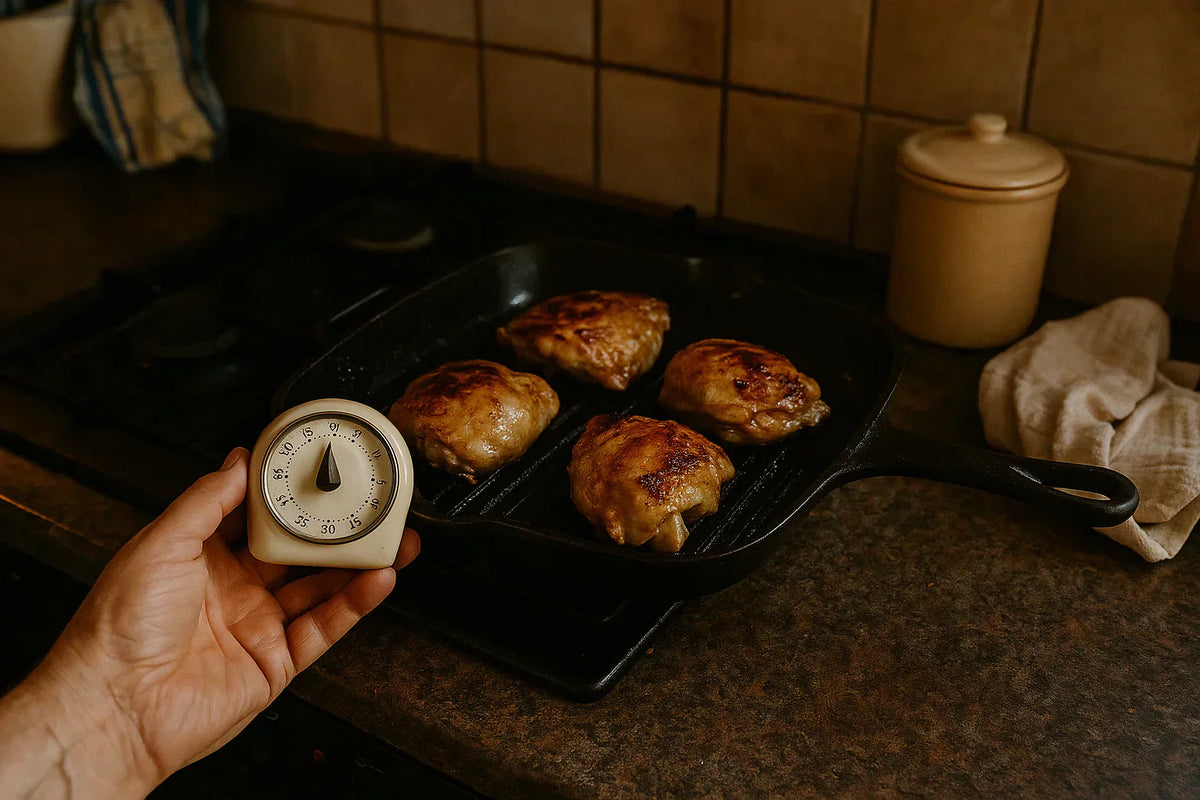
Credit: www.dioro.com
Troubleshooting Common Issues
Grilling bone-in chicken thighs on a gas grill can be straightforward, but issues like undercooking, dryness, or flare-ups can throw off your timing and taste. Knowing how to handle these common problems ensures your chicken comes out juicy, flavorful, and safe to eat every time. Let’s dig into practical tips that will help you troubleshoot and master grilling bone-in thighs.
Avoiding Undercooked Meat
Undercooked chicken is a health risk and ruins the dining experience. Use a reliable meat thermometer and aim for an internal temperature of 165°F (74°C). Checking the temperature in the thickest part of the thigh near the bone gives you the most accurate reading.
If your grill heats unevenly, move the thighs around to avoid cold spots. You might find that starting with indirect heat and finishing over direct flames helps cook the meat thoroughly without burning the outside. Have you ever cut into your chicken only to see pink near the bone? That’s a sign you need more consistent heat or extra time.
Preventing Dryness
Dry chicken thighs happen when the meat cooks too long or at too high a temperature. Keep the grill temperature moderate, around 350°F to 375°F, to retain moisture. Marinating or applying a light coat of oil before grilling can lock in juiciness and add flavor.
Another trick is to grill with the skin side down first to render fat and protect the meat underneath. Don’t constantly flip the thighs—letting them sit allows juices to redistribute. Ever had chicken that felt like eating rubber? Adjusting your heat and timing can prevent that.
Dealing With Flare-ups
Flare-ups happen when fat drips onto the flames, causing sudden bursts of fire that can char your chicken. Keep a spray bottle of water handy to gently douse small flames without lowering the grill temperature too much. You can also trim excess fat or use a two-zone grill setup to move the chicken away from direct flames.
Flare-ups may seem scary, but managing them quickly keeps your thighs from burning. What’s your current method for handling sudden flames? Trying these tips might save you from overcooked spots and uneven grilling.
Serving Suggestions
Grilled bone-in chicken thighs are a flavorful and juicy choice, but what you serve with them can elevate your meal to something truly memorable. Pairing the right sides, sauces, and knowing how to handle leftovers can make your grilling experience easier and more satisfying. Let’s dive into practical serving suggestions that will keep your guests coming back for more.
Side Dishes To Pair
Think about complementing the rich, smoky flavor of grilled chicken thighs with fresh, vibrant sides. A crisp green salad with lemon vinaigrette adds a refreshing contrast to the savory meat. Roasted vegetables like asparagus or bell peppers bring a natural sweetness that balances the charred flavor.
Potatoes are always a hit—try garlic mashed potatoes or crispy roasted baby potatoes for a hearty option. If you want something lighter, grilled corn on the cob with a sprinkle of chili powder and lime juice can be a crowd-pleaser. What sides do you usually reach for when serving grilled chicken?
Sauces And Glazes
Adding a sauce or glaze can turn your grilled chicken thighs from good to unforgettable. A tangy barbecue sauce adds a smoky sweetness, while a spicy buffalo glaze brings heat and zest. For a touch of elegance, try a honey mustard glaze that caramelizes beautifully on the grill.
Don’t overlook fresh herb sauces like chimichurri or a simple garlic yogurt sauce—they add brightness and cut through the richness of the chicken. Experiment with flavors you enjoy and watch your grilled thighs become the star of the meal.
Storage And Leftovers
If you find yourself with extra grilled chicken thighs, storing them properly ensures they stay juicy and delicious. Let the chicken cool to room temperature before placing it in an airtight container. Refrigerate and use within 3-4 days for the best taste.
Leftover chicken thighs work great in salads, sandwiches, or even chopped into pasta dishes. Have you ever tried turning your grilled chicken into a quick stir-fry or a comforting soup? These ideas help reduce waste and make your meal prep easier.

Credit: www.dioro.com
Frequently Asked Questions
How Long To Grill Bone-in Chicken Thighs On Gas Grill?
Grill bone-in chicken thighs for 25 to 30 minutes over medium heat. Turn every 5-7 minutes for even cooking and crisp skin. Use a meat thermometer to ensure the internal temperature reaches 165°F for safety and juiciness.
What Temperature To Set Gas Grill For Chicken Thighs?
Set your gas grill to medium heat, about 350°F to 375°F. This temperature cooks chicken thighs evenly without burning the skin. It helps achieve juicy, tender meat with a crispy outside.
Should Chicken Thighs Be Grilled Covered Or Uncovered?
Grill chicken thighs covered to trap heat and cook evenly. Covering helps retain moisture and speeds up cooking time. Open the lid occasionally to turn the thighs and prevent flare-ups.
How To Know When Chicken Thighs Are Fully Cooked?
Use a meat thermometer to check doneness. Chicken thighs are fully cooked at an internal temperature of 165°F. The juices should run clear, and the meat should feel firm but tender.
Conclusion
Grilling bone-in chicken thighs takes about 30-40 minutes on a gas grill. Keep the heat medium to avoid burning. Turn the thighs often for even cooking. Check that the meat reaches 165°F inside. Juicy, tender chicken is worth the wait.
Now, you know how long to grill them right. Enjoy your delicious, smoky chicken every time!