Grilling the perfect beef tenderloin steak on your gas grill can feel like a challenge. You want that juicy, tender bite without overcooking or drying it out.
But how long should you actually grill it to get those amazing results every time? If you’ve ever found yourself guessing or ending up with less-than-ideal steak, this guide is for you. Keep reading, and you’ll discover the simple timing secrets that will make your next grilled beef tenderloin steak a mouthwatering success.

Credit: goodstockbynolanryan.com
Choosing The Right Beef Tenderloin
Choosing the right beef tenderloin is essential for a tasty grilled steak. The quality and preparation of the meat affect the flavor and tenderness. Picking the best cut and preparing it well helps ensure a perfect cook on your gas grill.
Selecting Quality Cuts
Look for beef tenderloin with a bright red color and fine texture. Avoid cuts that appear brown or dry. Choose steaks with a good layer of fat around the edges. This fat adds flavor and keeps the meat juicy during grilling. Check the marbling inside the meat—small streaks of fat improve taste and tenderness.
- Choose steaks about 1.5 to 2 inches thick for even cooking.
- Pick cuts with firm texture and no unpleasant odor.
- Ask your butcher for center-cut tenderloin steaks for consistency.
Preparing Steaks For Grilling
Remove the steaks from the fridge 30 minutes before grilling. This helps them cook evenly. Pat the meat dry with a paper towel to get a good sear. Season simply with salt and pepper to enhance natural flavors. Avoid heavy marinades that can mask the beef’s taste.
- Trim excess fat or silver skin if present.
- Let steaks rest at room temperature before placing on the grill.
- Use a brush to lightly oil the steaks or grill grates.

Credit: www.mychicagosteak.com
Prepping Your Gas Grill
Getting your gas grill ready is key to cooking perfect beef tenderloin steaks. A well-prepped grill ensures even heat, prevents sticking, and locks in the juicy flavors you want. Let’s look at how you can prepare your grill for the best results.
Cleaning And Oiling Grates
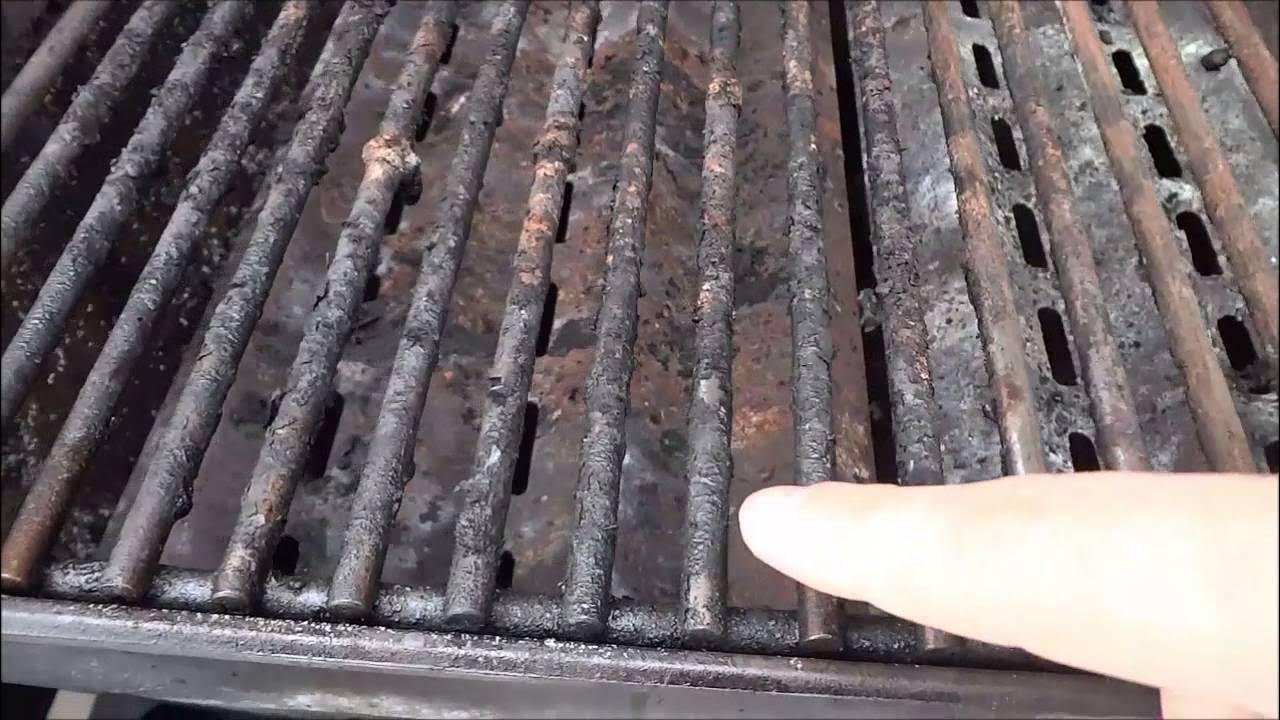
Start by cleaning the grill grates thoroughly. Any leftover residue can cause flare-ups and uneven cooking. Use a stiff wire brush to scrape off burnt bits while the grill is still warm.
After cleaning, oil the grates to stop the steaks from sticking. Dip a folded paper towel in vegetable oil, then use tongs to rub it over the grates. This simple step can make a big difference in how your steaks sear.
Setting The Ideal Temperature
Preheat your gas grill to a medium-high heat, around 400°F to 450°F. This range is perfect for searing the outside while keeping the inside tender. If the temperature is too low, you risk drying out the steak; too high, and you might burn the exterior.
Use the built-in thermometer or a grill thermometer for accuracy. Have you noticed how some grills heat unevenly? Position your steaks where the heat is most consistent to avoid hot spots.
Grilling Time Guidelines
Grilling beef tenderloin steaks requires careful attention to time. Proper timing ensures steaks are cooked to your preferred doneness. The thickness of the steak and grill heat influence the cooking time. Use these simple guidelines to get the best results on your gas grill.
Cooking Rare Steaks
Grill rare beef tenderloin steaks for about 3 to 4 minutes per side. The internal temperature should reach 120°F to 125°F. The steak will be cool and red in the center. This option keeps the meat very tender and juicy.
Cooking Medium-rare Steaks
For medium-rare, grill steaks for 4 to 5 minutes per side. Aim for an internal temperature of 130°F to 135°F. The center will be warm and pink, with a slightly firmer texture. This is a popular choice for many steak lovers.
Cooking Medium Steaks
Grill medium steaks for 5 to 6 minutes on each side. The internal temperature should hit 140°F to 145°F. The steak’s center will be light pink with a firmer feel. This level balances tenderness and a more cooked flavor.
Cooking Well-done Steaks
Well-done steaks need 6 to 7 minutes per side on the grill. The internal temperature must reach 160°F or higher. The meat will be fully cooked through with no pink inside. Expect a firmer texture and less juice.
Tips For Even Cooking
Grilling beef tenderloin steaks evenly requires attention to heat and timing. Uneven cooking can leave parts raw while others overdone. Proper techniques help achieve a uniform, juicy steak. These tips ensure your steaks cook thoroughly and taste great.
Using Direct And Indirect Heat
Start by searing the steaks over direct heat. This locks in juices and creates a tasty crust. After searing, move the steaks to indirect heat. This cooks the meat slowly and evenly inside. Using both heat zones prevents burning and undercooking.
Flipping Techniques
Flip the steaks regularly to cook both sides evenly. Avoid pressing down on the meat with a spatula. This squeezes out juices and dries the steak. Use tongs for gentle handling. Flip every 3 to 4 minutes for best results.
Resting The Meat
After grilling, let the steaks rest for 5 to 10 minutes. Resting allows juices to redistribute inside the meat. Cut too soon, and the juices will run out. Cover the steaks loosely with foil to keep warm while resting.
Checking Steak Doneness
Checking the doneness of beef tenderloin steaks is key to perfect grilling. It ensures the meat is cooked just right—tender, juicy, and flavorful. Relying on clear signs helps avoid overcooking or undercooking. There are simple ways to check doneness, using tools or senses. Each method gives clues about the steak’s internal temperature and texture.
Using A Meat Thermometer
A meat thermometer is the most accurate way to check doneness. Insert it into the thickest part of the steak, avoiding bone or fat. The temperature tells you if the steak is rare, medium, or well done.
- Rare: 120°F to 125°F (49°C to 52°C)
- Medium rare: 130°F to 135°F (54°C to 57°C)
- Medium: 140°F to 145°F (60°C to 63°C)
- Medium well: 150°F to 155°F (65°C to 68°C)
- Well done: 160°F and above (71°C+)
Check the temperature quickly to avoid losing heat. Remove the steak from the grill when it is 5°F (3°C) below the target temperature. It will continue cooking while resting.
Visual And Touch Tests
Visual and touch tests provide quick doneness clues without tools. Look at the steak’s color and feel its firmness. Use fingers or tongs to gently press the meat.
- Rare steaks feel soft and look deep red inside.
- Medium rare is firmer with a warm red center.
- Medium feels springy and has a pink center.
- Medium well is firm with only a slight pink hue.
- Well done feels very firm and is brown or gray inside.
Compare the steak’s feel to the fleshy part of your hand below the thumb. Touch your thumb to each finger and press the area to get different firmness levels. This helps judge steak doneness by feel.

Credit: www.bbqguys.com
Common Mistakes To Avoid
Grilling beef tenderloin steaks too long can dry them out quickly. Avoid using high heat the entire time to keep steaks tender and juicy. Checking the internal temperature helps prevent overcooking or undercooking.
Grilling beef tenderloin steaks can be tricky. Mistakes can ruin your meal. Avoid common pitfalls for juicy, flavorful steaks.
Overcooking
Overcooking can dry out steaks. Use a meat thermometer. Aim for 135°F for medium-rare. Remove steaks from the grill at this temperature. They continue to cook after removal.
Underseasoning
Underseasoning leads to bland steaks. Season generously with salt and pepper. Consider garlic or rosemary for added flavor. Apply seasoning 30 minutes before grilling.
Skipping Rest Time
Skipping rest time affects juiciness. Let steaks rest for 5-10 minutes. This allows juices to redistribute. Resting improves texture and flavor.
Serving Suggestions
Serving your perfectly grilled beef tenderloin steaks is about more than just the meat. The right sides and sauces can elevate the entire meal and make your grilling efforts truly shine. Think about how your guests will experience the flavors together and choose accompaniments that balance and enhance the steak’s rich taste.
Complementary Sides
Choose sides that offer texture and contrast to the tender, juicy steak. Crispy roasted potatoes or grilled asparagus add a satisfying crunch and fresh flavor. A simple arugula salad with lemon vinaigrette cuts through the richness and keeps the plate light.
Consider vegetables that can be grilled alongside the steak, like bell peppers or zucchini. They absorb smoky flavors and keep your grill session efficient. Don’t overlook creamy mashed potatoes or a buttery risotto if you want to add comfort and indulgence.
Sauce Pairings
Sauces can transform your beef tenderloin from delicious to unforgettable. A classic red wine reduction adds deep, savory notes that complement the steak’s natural flavor. If you prefer something bold, a chimichurri sauce with fresh herbs and garlic brings a zesty kick.
For a touch of luxury, try a creamy horseradish sauce—it pairs beautifully with tender beef and adds a bit of heat. Wondering how much sauce to add? Start light, then let your guests customize. This way, everyone gets just the right amount for their taste.
Frequently Asked Questions
How Long To Grill Beef Tenderloin Steaks?
Grill beef tenderloin steaks for 4-5 minutes per side. Use medium-high heat around 400°F. Adjust time for thickness and desired doneness.
What Is The Ideal Grill Temperature For Beef Tenderloin?
Set your gas grill to medium-high heat, about 400°F. This temperature ensures a good sear and juicy interior.
How Do I Know When Beef Tenderloin Is Done?
Use a meat thermometer; 130°F for medium-rare. Rest steak for 5 minutes after grilling to retain juices.
Should I Marinate Beef Tenderloin Before Grilling?
Marinating is optional but enhances flavor and tenderness. Use simple marinades with herbs, garlic, and olive oil for 30 minutes.
Conclusion
Grilling beef tenderloin steaks takes just the right time. Too short, and the meat stays raw inside. Too long, and it becomes dry and tough. Keep the grill hot and watch the clock closely. Use a meat thermometer to check doneness.
Rest the steaks a few minutes before serving. This keeps the juices inside. Perfectly grilled tenderloin is tender, juicy, and full of flavor. Enjoy your meal with confidence, knowing you cooked it well. Simple steps make a great steak every time.