Grilling a beef tenderloin to perfection can feel like a challenge, especially when you want it juicy and tender every time. You might be wondering, how long should you keep it on your gas grill to get that ideal balance of flavor and doneness?
Getting the timing right is key to impressing your guests and enjoying a mouthwatering meal. You’ll discover simple, clear tips on how long to grill your beef tenderloin so you can cook with confidence and enjoy every bite. Keep reading, and you’ll never second-guess your grilling again.
Choosing The Right Beef Tenderloin
Choosing the right beef tenderloin sets the stage for an unforgettable grilling experience. Your final dish depends heavily on the quality and preparation of the meat before it even hits the grill. Knowing what to look for and how to prep can make all the difference between a tough bite and a melt-in-your-mouth steak.
Selecting Quality Cuts
Look for a tenderloin that feels firm but slightly springy to the touch. The color should be a vibrant, deep red without any brown or gray spots. Check the marbling—the thin streaks of fat within the meat—as this adds flavor and juiciness when grilled.
Ask your butcher about the source of the beef. Grass-fed tends to have a richer flavor, while grain-fed often offers more tenderness. Don’t be shy to request a whole tenderloin if you want to slice it yourself, ensuring freshness and control over portion size.
Trimming And Preparing
Before grilling, trim off any silver skin and excess fat. These tough tissues won’t break down during cooking and can make your steak chewy. Use a sharp knife and take your time to get a clean trim.
Pat the meat dry with paper towels to promote even browning. If you want, season simply with salt and pepper to let the beef’s natural taste shine. Remember, over-seasoning can mask the tenderloin’s delicate flavor.
Have you ever overlooked trimming and ended up with a chewy bite? Taking this extra step might seem small, but it transforms your grilled tenderloin from just good to truly memorable.

Credit: www.bbqguys.com
Setting Up Your Gas Grill
Setting up your gas grill properly is key to cooking the perfect beef tenderloin. A well-prepared grill ensures even cooking and helps lock in flavors. It starts with understanding the grill’s heat control and layout.
Preheating Techniques
Preheat the grill for at least 15 minutes before cooking. This warms the grates and helps prevent sticking. Keep the lid closed while preheating to reach a stable temperature.
Use high heat during preheating to ensure the grill is hot enough. A hot grill sears the beef, sealing in juices and flavor.
Temperature Zones
Create two temperature zones on your grill. One side should be hot for searing. The other side should be cooler for slow cooking.
- Turn on burners on one side to high heat.
- Leave burners off or on low heat on the other side.
This setup lets you sear the beef tenderloin first, then move it to the cooler side to finish cooking gently. It prevents burning and helps reach the perfect doneness.
Grilling Times For Different Thicknesses
Grilling beef tenderloin on a gas grill requires attention to the thickness of the cut. Different thicknesses affect the cooking time and final texture. Knowing how long to grill each thickness helps you get the perfect doneness without guesswork or overcooking.
Thin Cuts
Thin cuts of beef tenderloin, about 1 inch or less, cook very quickly. They usually take around 3-4 minutes per side on medium-high heat. Because they cook fast, watch them closely to avoid drying out the meat.
Thin cuts are great for quick meals, but you’ll need to flip them often to get an even sear. Have you ever grilled a steak too thin and ended up with a tough bite? Controlling the heat and timing here is key.
Medium Thickness
Medium thickness cuts, ranging from 1 to 2 inches, need a bit more time on the grill. Plan on grilling 5-7 minutes per side at medium heat for a nice medium-rare finish. Using a meat thermometer can help you hit the exact doneness.
These cuts balance tenderness and juiciness well. You might notice that resting the meat after grilling locks in even more flavor. Do you usually rest your steaks or serve right off the grill?
Thick Cuts
Thick cuts, 2 inches or more, require patience and indirect heat to cook evenly. Start by searing each side for 3-4 minutes, then move the tenderloin to a cooler part of the grill. Let it cook for an additional 15-20 minutes until it reaches your desired temperature.
Thick cuts can be tricky because the outside can char before the inside cooks. Using a reliable thermometer is essential here. How do you handle thick steaks to get that perfect crust without burning?
Achieving Desired Doneness
Grilling beef tenderloin to the right doneness takes careful timing. Use a meat thermometer to check the temperature for rare, medium, or well-done results. Rest the meat after grilling to keep it juicy and tender.
Achieving the perfect doneness for your beef tenderloin on a gas grill can be both an art and a science. Whether you prefer your meat rare or well-done, understanding the nuances of grilling will lead you to a delicious outcome. The key is to focus on internal temperature rather than relying solely on cooking time.
Rare And Medium Rare
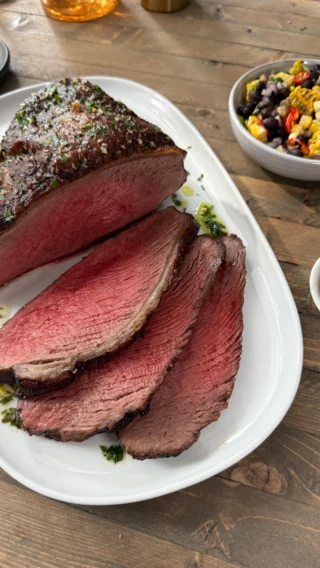
For those who relish their beef tenderloin on the rare side, aim for an internal temperature of 125°F. This ensures that the meat remains juicy with a deep red center. Grill each side for about 4-5 minutes, then check the temperature using a meat thermometer. Achieving medium rare requires a slightly higher temperature of 135°F. Grill the tenderloin for around 5-6 minutes per side. If you notice a lovely pink center, you're on the right track. Always remember to let the meat rest for a few minutes before slicing. This allows the juices to redistribute, enhancing flavor.
Medium And Medium Well
If medium is your preference, target an internal temperature of 145°F. Grill each side for approximately 6-7 minutes. You'll notice a warm pink center, which many find perfectly balanced between tenderness and doneness. For medium well, aim for a temperature of 155°F. This will require grilling each side for about 8-9 minutes. Expect a slightly firmer texture with a hint of pink in the center. Patience is key here; resist the urge to cut into the meat immediately after removing it from the grill.
Well Done Tips
For those who prefer their beef tenderloin well done, the goal is an internal temperature of 160°F. Grill each side for 10-12 minutes, ensuring consistent heat throughout. However, be cautious not to overcook, as this can result in dry meat. Use a lower heat setting to avoid charring the exterior while cooking the inside thoroughly. Have you ever considered using a marinade or rub? These can add flavor and moisture, making your well-done tenderloin equally delightful.
Using A Meat Thermometer
Using a meat thermometer is one of the best ways to ensure your beef tenderloin is grilled perfectly. It takes the guesswork out of grilling and helps you achieve the exact level of doneness you want. Plus, it keeps your meat juicy and tender by preventing overcooking.
Checking Internal Temperature
Insert the meat thermometer into the thickest part of the beef tenderloin, avoiding any bones or fat. Aim for these internal temperature targets:
- Rare:120°F to 125°F (49°C to 52°C)
- Medium Rare:130°F to 135°F (54°C to 57°C)
- Medium:140°F to 145°F (60°C to 63°C)
- Well Done:160°F and above (71°C+)
Remember, the temperature will rise a few degrees after you take the beef off the grill. Checking early helps you pull it at just the right moment.
Avoiding Overcooking
Overcooking beef tenderloin can ruin its texture and flavor. A meat thermometer helps you catch the moment before it dries out. If you notice the temperature creeping close to your target, remove the meat and let it rest; the residual heat will finish the cooking.
Have you ever sliced into your grilled beef only to find it tough or dry? Using a thermometer consistently can change that experience. It’s a simple tool that protects your efforts and your appetite.
Credit: blog.kansascitysteaks.com
Resting And Serving Tips
Resting and serving beef tenderloin properly enhances its flavor and texture. After grilling, the meat needs time to relax. This step helps juices spread evenly inside. Serving the steak right after resting gives the best eating experience. Proper carving also plays a big role in presentation and tenderness.
Resting Time Importance
Resting allows meat fibers to cool and reabsorb juices. Cutting too soon causes the juices to spill out. This leads to dry and less flavorful beef. A good resting time for beef tenderloin is 10 to 15 minutes. Cover the meat loosely with foil to keep it warm. This short wait makes every bite juicy and tender.
Carving Techniques
Carve beef tenderloin against the grain for the best texture. Use a sharp knife to make clean slices. Thin slices help the meat feel tender and easy to chew. Cut from one end to the other in smooth strokes. Arrange slices neatly on a warm plate. This makes the dish look inviting and helps keep the meat warm.
Common Grilling Mistakes To Avoid
Grilling beef tenderloin on a gas grill can deliver incredible flavors, but even small mistakes can ruin the experience. Avoiding common grilling errors helps you achieve that perfect crust and juicy interior every time. Let’s look at some pitfalls that often trip up both beginners and experienced grillers.
Overcrowding The Grill
It’s tempting to fit as many steaks as possible on the grill at once, especially when cooking for a group. But overcrowding reduces airflow and causes uneven cooking. When meat pieces are too close, they steam instead of sear, which kills that desirable crust.
Think about the last time you grilled multiple tenderloins side-by-side and ended up with spots that were underdone or overcooked. Giving each piece enough space allows heat to circulate properly and ensures consistent results. Try leaving at least 1-2 inches between cuts to get the best sear and avoid soggy edges.
Flare-ups And Heat Control
Flare-ups are a common enemy when grilling beef tenderloin. Fat dripping onto the flames causes sudden bursts of fire that can char the meat’s surface quickly. These unpredictable flames not only create burnt spots but also increase the risk of uneven cooking.
Controlling the grill’s heat is crucial. Use a two-zone setup—high heat on one side for searing, and lower heat on the other for finishing. If flare-ups occur, move the meat away briefly and keep a spray bottle of water handy to tame flames without cooling the grill too much.
Ask yourself: Are you watching your grill closely or just hoping for the best? Managing flare-ups actively can make a big difference in the tenderness and appearance of your beef tenderloin.

Credit: www.mychicagosteak.com
Frequently Asked Questions
How Long To Grill Beef Tenderloin On Gas Grill?
Grill beef tenderloin for 20-25 minutes over medium heat. Turn every 5 minutes for even cooking. Use a meat thermometer to check for 135°F for medium-rare.
What Internal Temperature For Medium-rare Tenderloin?
The ideal internal temperature for medium-rare beef tenderloin is 135°F. Remove from the grill at this temperature. Rest the meat for 10 minutes to allow juices to redistribute.
Should I Sear Before Or After Grilling Tenderloin?
Sear beef tenderloin before grilling for a caramelized crust. Then move it to indirect heat to finish cooking evenly and retain juiciness.
How To Prevent Beef Tenderloin From Drying Out?
Avoid overcooking by monitoring internal temperature closely. Use medium heat and turn often. Let the meat rest after grilling to keep it moist and tender.
Conclusion
Grilling beef tenderloin takes careful timing and heat control. Aim for about 20 to 30 minutes on a gas grill. Keep the grill temperature around medium-high for best results. Use a meat thermometer to check for doneness. Rest the meat for a few minutes before slicing.
This helps keep the juices inside. Enjoy tender, juicy beef every time you grill. Simple steps lead to a perfect meal. Try this method and taste the difference.