Grilling beef short ribs on a gas grill can be a game-changer for your next cookout. But how long should you keep them on the grill to get that perfect balance of juicy, tender meat and smoky flavor?
If you’ve ever wondered how to master the timing, you’re in the right place. This guide will help you nail the cooking time so your ribs come out mouthwatering every single time. Ready to become the grill master your friends will talk about?
Let’s dive into exactly how long to grill beef short ribs on your gas grill.
Choosing The Right Short Ribs
Choosing the right beef short ribs is crucial before you fire up your gas grill. The type and quality of ribs affect cooking time, flavor, and tenderness. Knowing what to look for can save you from tough, chewy results and help you enjoy juicy, flavorful ribs every time.
Types Of Beef Short Ribs
Beef short ribs come in different cuts, each with its own grilling characteristics. The most common types are:
- Flanken-style:Thin slices cut across the bone, great for quick grilling.
- English-style:Thick, bone-in ribs cut parallel to the bone, requiring longer cooking.
- Boneless short ribs:Meat without the bone, cooks faster but can dry out if overdone.
Choosing between these depends on how much time you have and the texture you prefer. Have you tried flanken-style ribs for a quick weeknight meal?
Selecting Quality Cuts
Look for ribs with bright red color and good marbling—those white streaks of fat add flavor and moisture. Avoid ribs that look dry or have dark spots. Fresh ribs should feel firm but not hard to the touch.
Sometimes, I’ve picked ribs that looked perfect but lacked marbling, and the grilling results were disappointing. Don’t hesitate to ask your butcher for advice or to cut the ribs to your preference. What’s your go-to tip for picking the best meat at the store?
Credit: ranchtotable.com
Preparing Short Ribs For The Grill
Getting your beef short ribs ready for the grill is a crucial step that sets the foundation for a delicious meal. Proper preparation ensures the meat cooks evenly and absorbs maximum flavor. Let’s dive into how to trim, season, and marinate your ribs for the best grilling experience.
Trimming And Seasoning
Start by trimming excess fat from your short ribs. Leaving too much fat can cause flare-ups on the grill and uneven cooking. However, keep a thin layer to help keep the meat juicy during grilling.
Seasoning is where you can make your ribs stand out. Use a simple mix of salt, pepper, and garlic powder for a classic taste. Don’t be afraid to add a pinch of smoked paprika or chili powder to give your ribs a subtle kick.
Rub the seasoning generously on all sides of the meat. Let the ribs sit at room temperature for about 30 minutes after seasoning to help the flavors penetrate.
Marinating Tips
Marinating can elevate your ribs, but it doesn’t have to be complicated. A basic marinade with soy sauce, olive oil, minced garlic, and a touch of brown sugar works wonders.
Make sure to marinate the ribs in a sealed bag or covered dish in the fridge for at least 2 hours, though overnight is best for deeper flavor. Remember, acid-based marinades (like those with vinegar or citrus) tenderize meat but can also change the texture if left too long.
Always pat your ribs dry before grilling to achieve a perfect sear. Have you ever noticed how wet meat struggles to brown? Dry ribs will develop a beautiful crust that locks in juices.
Setting Up Your Gas Grill
Setting up your gas grill correctly is key to grilling beef short ribs to perfection. A well-prepared grill ensures even cooking and helps you manage the heat effectively. Before you start, take a moment to get familiar with your grill’s features and controls.
Preheating The Grill
Preheating your gas grill is essential for a good sear and consistent temperature. Turn on all burners and close the lid for about 10 to 15 minutes until the grill reaches 400°F (204°C) or higher. This step helps burn off any leftover residue and stabilizes the cooking environment.
If you skip preheating, the ribs might stick to the grates and cook unevenly. You want that perfect crust, and a hot grill is the secret to achieving it.
Direct Vs Indirect Heat Zones
Creating heat zones on your grill gives you more control over the cooking process. Direct heat means placing the ribs right over the flame, which is great for searing. Indirect heat involves turning off one side of the burners and cooking the ribs on the cooler side, allowing slow and even cooking.
For beef short ribs, start with direct heat to sear each side for 3-5 minutes. Then move them to the indirect zone to cook low and slow until tender. This combination helps lock in juices and develop rich flavors without burning the meat.

Credit: laboucherie.mt
Grilling Time Guidelines
Grilling beef short ribs to perfection requires knowing the right cooking time. This ensures they are juicy and full of flavor. Grilling time varies based on the method you choose. Let's explore some guidelines to help you grill them just right.
Cooking At High Heat
High heat grilling is fast and intense. It usually takes about 8-10 minutes per side. This method gives ribs a nice sear and caramelized crust. Keep the grill lid closed to maintain heat. Use a meat thermometer to check doneness. Aim for an internal temperature of 145°F for medium-rare.
Cooking At Low And Slow
Low and slow cooking makes ribs tender and flavorful. This method requires patience. Cook the ribs at 225°F for about 3-4 hours. This slow process breaks down connective tissues. Baste occasionally with your favorite sauce for added flavor. Check for doneness with a meat thermometer. The ribs should reach an internal temperature of 190°F.
Checking For Doneness
Checking for doneness is crucial when grilling beef short ribs on a gas grill. Proper doneness ensures juicy, tender meat with the best flavor. Overcooking can dry the ribs, while undercooking leaves them tough and chewy.
Use simple techniques to check doneness confidently. These include using a meat thermometer and observing visual and texture cues. Both methods help achieve perfectly grilled beef short ribs every time.
Using A Meat Thermometer
A meat thermometer is the most accurate way to check doneness. Insert the probe into the thickest part of the rib, avoiding bones. For tender short ribs, aim for an internal temperature of 195°F to 205°F.
This range breaks down connective tissue, making the meat soft and flavorful. Check temperature regularly to avoid overcooking. Remove ribs from the grill once they reach the target temperature. Let them rest for 10-15 minutes to keep juices locked in.
Visual And Texture Cues
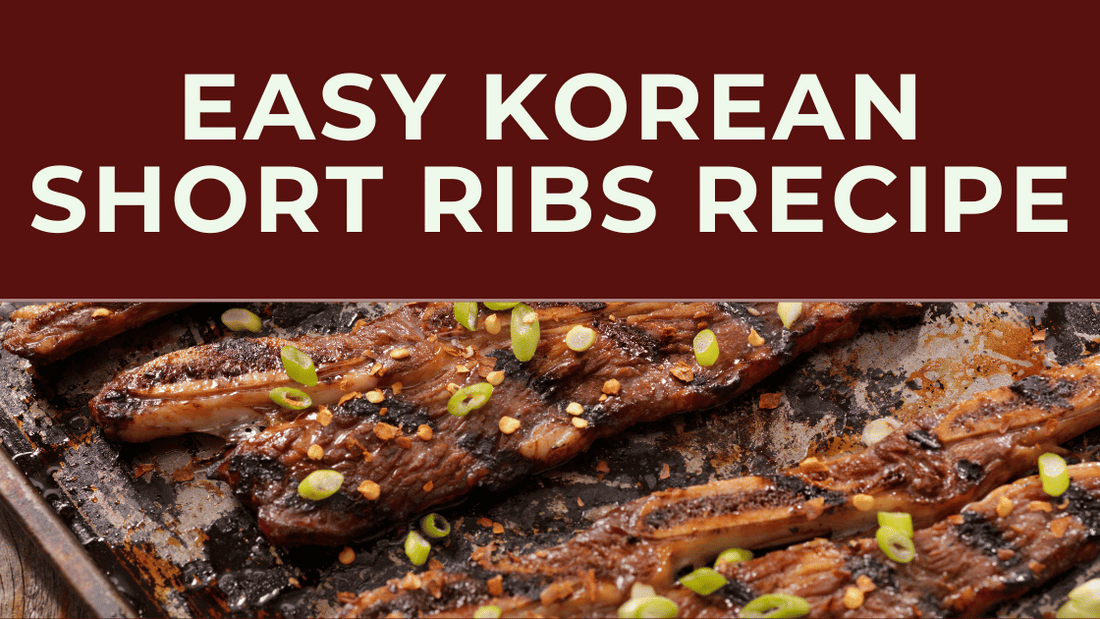
Visual signs also indicate when ribs are done. The meat should pull back slightly from the bone tips. Look for a deep brown color with a crispy outer crust.
Press the ribs gently with tongs or a fork. They should feel tender and yield easily under pressure. Avoid ribs that feel too firm or rubbery. These need more time to cook.
Check for juices as well. Clear or slightly pink juices are good signs. Red or bloody juices mean the ribs need more grilling. Use these cues together with temperature checks for best results.

Credit: www.atbbq.com
Resting And Serving Tips
Resting and serving beef short ribs after grilling is essential. It helps keep the meat juicy and tender. Taking time to rest allows the juices to redistribute. This makes every bite flavorful and moist.
Serving the ribs properly enhances the eating experience. Simple touches can make the dish more enjoyable. Use the right sides and sauces to complement the rich taste.
Resting Time Importance
After grilling, let the ribs rest for 10 to 15 minutes. Cover them loosely with foil to keep warm. Resting stops the juices from running out when cutting. This keeps the meat tender and full of flavor.
Skipping rest time can cause dry and tough ribs. Patience here leads to a much better texture.
Serving Suggestions
- Serve with a side of grilled vegetables for a smoky flavor.
- Add creamy mashed potatoes to balance the rich meat.
- Offer BBQ sauce or chimichurri for extra zest.
- Include a fresh salad to lighten the meal.
- Use sturdy plates and sharp knives for easy cutting.
Arrange ribs nicely on the plate for a great presentation. Garnish with fresh herbs like parsley or cilantro for color.
Common Mistakes To Avoid
Grilling beef short ribs on a gas grill can yield mouthwatering results, but several common mistakes can turn your meal into a disappointment. Knowing what to avoid helps you keep those ribs tender, juicy, and full of flavor. Let’s look at some pitfalls that often sabotage the grilling process and how you can steer clear of them.
Overcooking Issues
Overcooking is a frequent problem that turns beef short ribs tough and dry. Many grillers get impatient and crank up the heat, hoping for a faster cook time, but ribs need slow, steady heat to become tender.
Keep your grill at a medium-low temperature, around 275°F to 300°F, and use indirect heat. This method allows the meat to cook evenly without drying out.
Have you ever bitten into ribs that felt like chewing leather? That’s usually because they were overcooked. Use a meat thermometer and aim for an internal temperature of about 200°F for perfectly tender short ribs.
Underseasoning Pitfalls
Underseasoning is an easy mistake but can leave your ribs bland. Many skip seasoning or add too little, thinking the meat’s flavor will shine through on its own.
Don’t hesitate to be generous with your rub or marinade. Salt, pepper, garlic powder, and smoked paprika are great basics that enhance the natural beef flavor.
Try seasoning your ribs at least an hour before grilling or even overnight. This gives the flavors time to penetrate and improves the taste significantly.
Frequently Asked Questions
How Long Should I Grill Beef Short Ribs On A Gas Grill?
Grill beef short ribs for 45 to 60 minutes on medium heat. Turn every 10 minutes for even cooking and charred flavor.
What Temperature Is Best For Grilling Beef Short Ribs?
Set your gas grill to medium heat, around 350°F to 400°F. This temperature ensures tender ribs without burning.
How Do I Know When Beef Short Ribs Are Done?
Ribs are done when internal temperature reaches 200°F. Meat should be tender and pull away from the bone easily.
Should I Marinate Beef Short Ribs Before Grilling?
Yes, marinate ribs for at least 2 hours or overnight. It enhances flavor and helps tenderize the meat.
Conclusion
Grilling beef short ribs on a gas grill takes time and care. Aim for about 1. 5 to 2 hours at low heat. Watch the ribs closely to avoid burning. Turning them often helps cook evenly. Use a meat thermometer to check for doneness.
The ribs should be tender and juicy when ready. Enjoy the rich flavor that grilling brings. Keep practicing to find the perfect timing for your grill. Simple steps lead to great meals every time.