Are you wondering how long it takes to safely defrost your frozen turkey in the refrigerator? Getting this timing right is crucial for juicy, delicious results and to keep your family safe from foodborne illnesses.
If you start too late, you might end up rushing or even cooking a partially frozen bird. But don’t worry—this guide will give you clear, simple answers so you can plan perfectly and enjoy your meal without stress. Keep reading to find out exactly how long you need to defrost your turkey and some helpful tips to make the process smooth and easy.

Credit: racinecountyeye.com
Safe Thawing Times
Safe thawing times are essential to keep your turkey fresh and prevent bacteria growth. Thawing a turkey in the refrigerator is the safest method. It keeps the bird at a consistent, safe temperature. Planning ahead helps avoid last-minute issues. Knowing how long to thaw your turkey ensures it is ready to cook and safe to eat.
Thawing Duration Per Pound
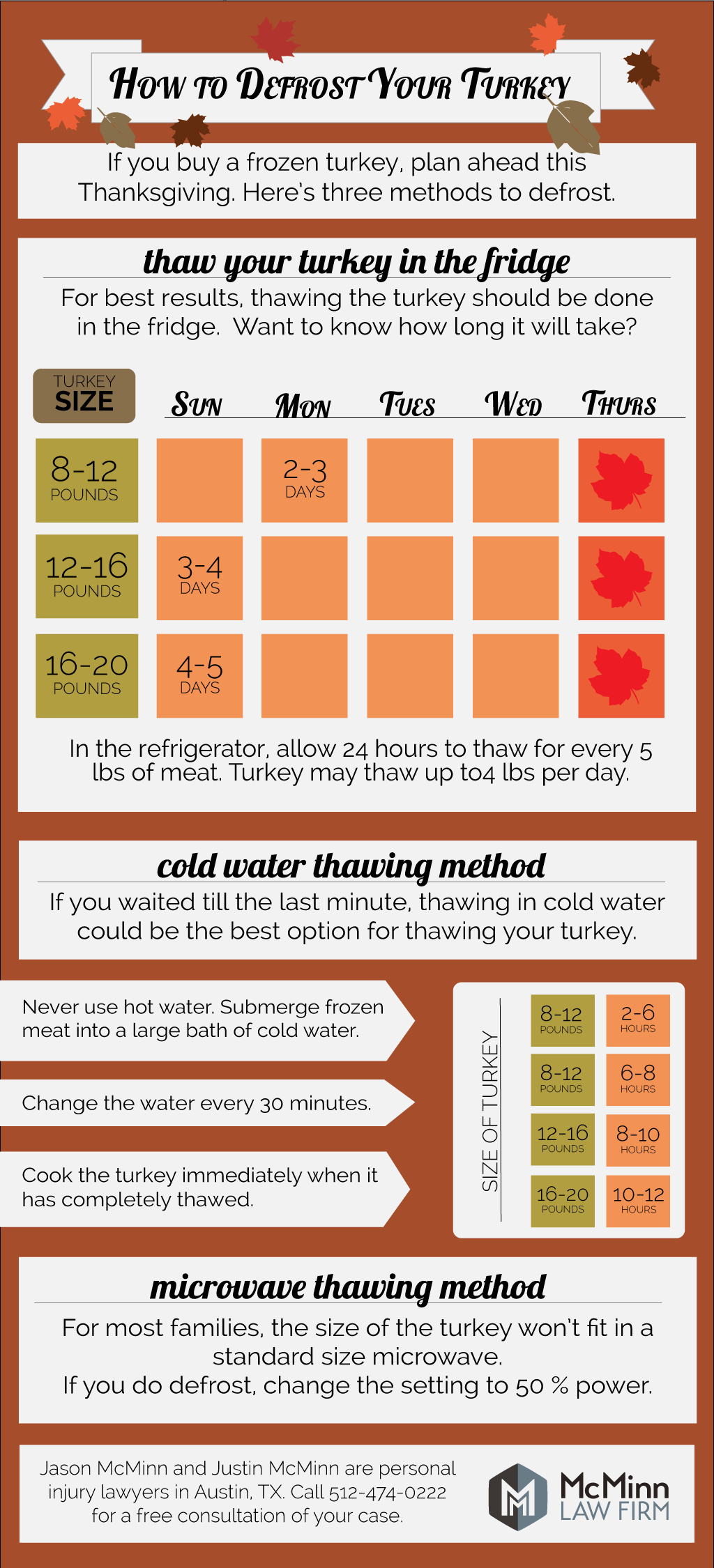
Allow about 24 hours of thawing time for every 4 to 5 pounds of turkey. For example:
| Turkey Weight | Thawing Time (Days) |
|---|---|
| 4 to 8 pounds | 1 to 2 days |
| 8 to 12 pounds | 2 to 3 days |
| 12 to 16 pounds | 3 to 4 days |
| 16 to 20 pounds | 4 to 5 days |
| 20 to 24 pounds | 5 to 6 days |
Keep the turkey in its original packaging. Place it on a tray to catch any drips.
Factors Affecting Thawing Speed
- Refrigerator temperature – Keep it at or below 40°F (4°C).
- Turkey size – Larger birds take longer to thaw.
- Packaging – Vacuum-sealed turkeys thaw more slowly.
- Placement – Store turkey on the bottom shelf to avoid cross-contamination.
- Fridge load – A full fridge keeps temperature steady, aiding thawing.
Step-by-step Thawing Process
Defrosting a frozen turkey in the refrigerator is the safest way to prepare for your feast. It requires patience and attention, but knowing the right steps can make the process smooth and stress-free. Let’s walk through the thawing journey together.
Preparing The Turkey
Start by removing the turkey from its packaging. Check for any additional items inside the cavity, like the giblets or neck, and take them out to thaw separately if needed.
Place the turkey in a leak-proof plastic bag or tray to catch any juices. This prevents cross-contamination and keeps your fridge clean.
Setting Up The Refrigerator
Clear enough space on the bottom shelf of your refrigerator. This area stays coldest and avoids dripping onto other foods.
Set your fridge temperature to 40°F (4°C) or below. Use a fridge thermometer if you’re unsure—temperature control is crucial for safe thawing.
Place the turkey on the prepared surface, ensuring it’s stable and won’t tip over during thawing.
Checking The Turkey’s Progress
Plan for about 24 hours of thawing for every 4 to 5 pounds of turkey weight. For example, a 16-pound bird needs roughly 4 days in the fridge.
Check on the turkey daily to ensure it’s thawing evenly. If the fridge temperature fluctuates or the turkey feels warm, adjust your settings immediately.
Feel the thickest parts of the bird—the breast and inner cavity—to confirm when it’s fully thawed. A fully thawed turkey should be soft to the touch with no ice crystals.
Tips For Even Thawing
Thawing a frozen turkey evenly is essential to ensure it cooks properly and stays safe to eat. Uneven thawing can leave some parts still frozen while others start to spoil. Paying attention to how you position the bird and what you place underneath can make a big difference in how smoothly your turkey thaws in the fridge.
Positioning The Turkey
Place your turkey breast-side down or on its side rather than laying it flat on its back. This helps thaw the thickest parts more evenly and prevents the cavity from staying frozen too long.
Ensure there’s enough space around the bird for cold air to circulate. Crowding your fridge can slow down the thawing process and cause uneven results.
Have you ever noticed parts of your turkey still icy after days in the fridge? Changing its position during thawing can help avoid that problem.
Using A Tray Or Pan
Always put your turkey on a tray or pan to catch any juices that drip as it thaws. This keeps your fridge clean and prevents cross-contamination with other foods.
Using a tray also helps you move the bird easily if you need to adjust its position. A sturdy pan with raised edges is best to handle any liquid runoff safely.
Think about how much mess a thawing turkey can create—using a tray is a simple step that saves a lot of cleanup time later.

Credit: www.yahoo.com
Safety Precautions
Defrosting a frozen turkey in the refrigerator takes about 24 hours per 4-5 pounds. Keep the bird in its original packaging and place it on a tray to catch drips. Always ensure the fridge stays at 40°F or below for safe thawing.
Defrosting a frozen turkey in the refrigerator is the safest way to ensure your holiday meal is both delicious and safe to eat. However, it's crucial to follow specific safety precautions during this process to prevent any risk of foodborne illnesses. By being diligent, you can keep your kitchen safe and your turkey as the centerpiece of your feast.
Avoiding Bacteria Growth
Thawing a turkey in the refrigerator minimizes the risk of harmful bacteria growth. The key is maintaining a consistent temperature below 40°F. Ensure your refrigerator's temperature is set correctly. Use a thermometer to verify it, especially during the holiday season when your fridge might be fuller than usual. Place the turkey on a tray to catch any drippings, preventing cross-contamination with other foods. Have you ever found an unexpected puddle in your fridge? A simple tray can save you from a lot of cleanup hassle.
Handling After Thawing
Once thawed, the turkey should be cooked within two days. This timeline prevents bacteria from multiplying. Keep your turkey in its original packaging while thawing, but once it's ready, handle it with clean hands and utensils. Consider this: your turkey is like a blank canvas waiting for spices and herbs, but only after it's safely thawed and ready to cook. If you decide to brine or marinate, ensure your turkey stays chilled. Are you ready for the big day? Following these precautions ensures your turkey is not only tasty but also safe for everyone to enjoy.
Alternative Thawing Methods
Defrosting a turkey in the refrigerator takes time, but some alternative methods can speed up the process. These options work well when you need to thaw your bird faster. They require careful attention to keep the turkey safe and tasty.
Cold Water Thawing
Cold water thawing is faster than refrigerator thawing. Place the turkey in a leak-proof plastic bag to stop water from touching the meat. Submerge the bag in cold tap water. Change the water every 30 minutes to keep it cold.
Allow about 30 minutes of thawing time per pound. A 12-pound turkey takes about 6 hours. Cook the turkey immediately after thawing to avoid bacteria growth.
Microwave Thawing
Microwave thawing is the quickest method but needs caution. Check your microwave’s size and power to fit the turkey. Remove packaging and place the turkey on a microwave-safe dish. Use the defrost setting based on the turkey’s weight.
Rotate and turn the turkey often for even thawing. Some parts may start cooking during this method. Cook the turkey right after thawing to prevent bacteria buildup.
Planning Your Cooking Schedule
Planning your cooking schedule is essential when defrosting a frozen turkey in the refrigerator. It helps you avoid last-minute rushes and ensures your bird is safely thawed for a perfect meal. Proper timing means you can focus on cooking rather than stressing about whether your turkey is ready.
Calculating Total Time
To defrost a turkey in the fridge, allow about 24 hours for every 4 to 5 pounds of bird weight. For example, a 16-pound turkey will need roughly 4 days to thaw completely. You can plan backward from your dinner time to set the start of your defrosting.
Keep in mind that the turkey should stay in its original packaging and be placed on a tray to catch any drips. This prevents contamination and keeps your fridge clean. Also, avoid overcrowding your fridge as proper air circulation is key for even thawing.
Adjusting For Unexpected Delays
Sometimes things don’t go as planned—what if your turkey isn’t thawed in time? You can handle this by having a backup plan, like a quicker thaw in cold water. This method takes about 30 minutes per pound but requires more attention.
Another tip is to start thawing your turkey a day earlier than calculated if possible. This extra day acts as a buffer against any unexpected delays, such as fridge temperature fluctuations. Have you ever had to change your cooking plan because your turkey was still icy? How did you manage?
Being flexible with your schedule helps you stay calm and enjoy the cooking process. It’s better to have a little extra thawing time than to rush and risk uneven cooking or food safety issues.
Credit: medium.com
Frequently Asked Questions
How Long Does It Take To Defrost A Turkey In The Fridge?
It takes about 24 hours for every 4-5 pounds of turkey to defrost in the fridge. A 12-pound bird needs roughly 3 days. Always place the turkey on a tray to catch drips and keep the fridge at or below 40°F (4°C).
Can I Defrost A Turkey Faster In The Refrigerator?
No, the refrigerator is the safest method but not the fastest. It ensures even thawing and prevents bacteria growth. For quicker methods, use cold water or microwave defrosting, but these require more attention and immediate cooking after thawing.
What Temperature Should My Fridge Be For Defrosting Turkey?
Keep your fridge at or below 40°F (4°C) during defrosting. This temperature slows bacterial growth and keeps the turkey safe. Use a fridge thermometer to monitor it, ensuring the turkey stays in a safe environment while thawing.
Is It Safe To Refreeze A Turkey After Defrosting?
Yes, if the turkey was thawed in the refrigerator and hasn’t been out over two hours, refreezing is safe. However, refreezing may reduce quality. If thawed by other methods, cook immediately and avoid refreezing raw turkey.
Conclusion
Defrosting a turkey in the refrigerator takes time and patience. Plan ahead to allow about 24 hours for every 4 to 5 pounds. This method keeps the turkey safe and fresh. Avoid rushing with warm water or room temperature defrosting.
Keep your fridge at the right cold setting. Always check the turkey’s center to ensure it is fully thawed. Proper thawing means a juicier, tastier turkey on your table. Follow these simple steps for a smooth cooking experience. Your efforts will pay off with a delicious meal.