Are you wondering how long to cook turkey tenderloin in your slow cooker to get juicy, tender results every time? Cooking turkey tenderloin can be tricky if you don’t know the right timing.
Too short, and it might be dry or undercooked. Too long, and it could turn tough. But don’t worry—this guide will help you nail the perfect slow cooker timing so your turkey tenderloin comes out flavorful and melt-in-your-mouth tender. Keep reading to discover the simple tips and exact cooking times you need to make your next meal a delicious success.
Credit: glendaembree.com
Choosing The Right Turkey Tenderloin
Choosing the right turkey tenderloin is key to a tasty slow cooker meal. The quality and size of the tenderloin affect cooking time and flavor. Understanding your options helps you get the best results from your slow cooker.
Fresh Vs Frozen Tenderloin
Fresh turkey tenderloin cooks more evenly and faster. It has a better texture and taste. Frozen tenderloin needs to thaw completely before cooking. Thawing prevents uneven cooking and ensures food safety.
Fresh tenderloin is easier to season. Frozen ones may lose some moisture during freezing. Choose fresh for the best slow cooker experience. Frozen can work but plan extra time to thaw.
Size And Weight Considerations
Turkey tenderloins vary in size and weight. Larger tenderloins take longer to cook fully. Smaller pieces cook faster and stay juicy. Check the weight before cooking to estimate time.
Use a meat thermometer for accuracy. The tenderloin should reach 165°F (74°C) inside. Adjust slow cooker time based on size to avoid overcooking or undercooking.
Credit: www.nelliebellie.com
Preparing Turkey Tenderloin For Slow Cooking
Getting your turkey tenderloin ready for the slow cooker is more than just placing it in the pot. Proper preparation sets the stage for juicy, flavorful meat that will impress everyone at the table. Paying attention to trimming and seasoning, as well as marinating, can make a noticeable difference in your final dish.
Trimming And Seasoning
Start by checking your turkey tenderloin for any excess fat or silver skin. Removing these parts helps the seasoning penetrate better and prevents chewy bites. Use a sharp knife to carefully trim off any unwanted bits.
Next, season your tenderloin generously. Salt and pepper are basics that bring out the natural flavor, but adding garlic powder, paprika, or herbs like rosemary can elevate the taste. Don’t be shy—rub the seasoning all over the meat for even flavor distribution.
Marinating Tips
Marinating your turkey tenderloin adds another layer of taste and tenderness. Use a simple mixture of olive oil, lemon juice, garlic, and herbs, or try a store-bought marinade to save time. Let it soak for at least 30 minutes, or up to overnight in the fridge for deeper flavor.
Wondering if you can skip marinating? While it’s not mandatory, marinating improves moisture retention during slow cooking. If you’re short on time, even a quick 15-minute soak can make a difference.
Slow Cooker Settings And Timing
Understanding the right slow cooker settings and timing can make a huge difference in how your turkey tenderloin turns out. Too high, and you risk drying it out. Too low, and you might end up waiting forever or getting uneven cooking. Let’s break down the best approach to heat settings and how long you should cook your turkey tenderloin for the juiciest results.
Low Vs High Heat
Using low heat in a slow cooker allows the turkey tenderloin to cook gently and evenly. This slow cooking process helps retain moisture, making the meat tender and juicy. If you have the time, low heat is usually the safest bet for consistent results.
High heat cooks the turkey faster but can sometimes dry out the meat if left too long. It’s a great option when you’re short on time, but you’ll need to watch the clock closely. High heat also means the flavors meld quickly, which can be a plus if you’re adding sauces or seasonings.
Recommended Cooking Times
| Heat Setting | Cooking Time | Notes |
|---|---|---|
| Low | 4 to 6 hours | Best for tender, juicy meat; check at 4 hours |
| High | 2 to 3 hours | Good for quick meals; avoid overcooking |
If you’re unsure about timing, start checking the tenderloin a bit earlier than suggested. Use a meat thermometer to confirm it reaches an internal temperature of 165°F (74°C). Have you ever tried switching between low and high settings during cooking? It’s an experiment worth trying to balance speed and moisture retention.
Checking For Doneness
Checking for doneness is essential when cooking turkey tenderloin in a slow cooker. It ensures the meat is safe to eat and perfectly tender. Undercooked turkey can be unsafe, while overcooked meat may become dry. Knowing how to check helps achieve the best results every time.
Using A Meat Thermometer
A meat thermometer is the most reliable way to check turkey doneness. Insert the thermometer into the thickest part of the tenderloin. The safe internal temperature for turkey is 165°F (74°C). Remove the meat from the slow cooker once it reaches this temperature. Clean the thermometer after each use for safety.
Visual And Texture Cues
Visual and texture cues help confirm doneness without tools. The turkey should be white or light tan inside, with no pink spots. Juices running clear also indicate the meat is cooked. The texture should be firm but still tender and juicy. Avoid a rubbery or dry feel, which means overcooking.
Avoiding Common Cooking Mistakes
Cooking turkey tenderloin too long in a slow cooker can make it dry and tough. Aim for 2 to 3 hours on low for juicy, tender meat. Avoid rushing the process for the best taste and texture.
Cooking turkey tenderloin in a slow cooker promises a deliciously tender meal, but it's easy to stumble upon common mistakes that can affect the final taste and texture. You might think you're following the recipe to the letter, yet the results can sometimes surprise you. Let's explore how to avoid these pitfalls and ensure your turkey tenderloin is a culinary triumph.
Overcooking Risks
Overcooking is a frequent misstep that can turn your tenderloin into a dry, chewy disappointment. The slow cooker can be deceiving, as it often requires less attention during cooking. However, turkey tenderloin is lean, and overcooking can swiftly lead to moisture loss. To prevent this, use a meat thermometer. Check the internal temperature an hour before the suggested cooking time ends. The USDA recommends turkey to reach an internal temperature of 165°F (74°C). Once it hits this mark, your tenderloin is ready.
Underseasoning Issues
Seasoning can make or break your dish, yet many overlook its importance. A bland tenderloin won't do justice to the time you invest in cooking. You might think a sprinkle of salt and pepper is enough, but turkey requires a bit more love. Consider marinating your turkey overnight with herbs, garlic, and a splash of lemon juice. This not only infuses flavor but also helps retain moisture. Taste as you go and adjust as needed; a well-seasoned tenderloin is a joy to the taste buds. By being mindful of these common mistakes, you can elevate your turkey tenderloin from ordinary to extraordinary. Have you ever experienced these issues in your own kitchen? How did you tackle them?
Serving And Storing Tips
Proper serving and storing enhance your turkey tenderloin experience. Knowing how to rest and store the meat keeps it juicy and safe. These tips help maintain flavor and texture after slow cooking.
Resting The Meat
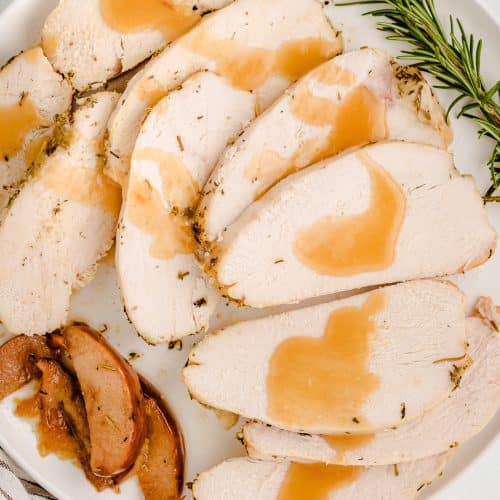
Rest the turkey tenderloin for 5 to 10 minutes after cooking. This lets the juices spread evenly inside. Cut the meat against the grain for a tender bite. Resting prevents dry and tough slices.
Leftover Storage
Store leftovers in an airtight container. Keep the turkey tenderloin in the fridge for up to 3 days. For longer storage, freeze it for up to 2 months. Label containers with the date for easy tracking.
- Cool the meat before refrigerating or freezing
- Reheat gently to avoid drying out
- Use within safe time frames for best taste
Credit: butterwithasideofbread.com
Frequently Asked Questions
How Long Does Turkey Tenderloin Take In A Slow Cooker?
Turkey tenderloin typically takes 3 to 4 hours on low heat. Cooking on high reduces time to about 2 to 3 hours. Always check for an internal temperature of 165°F to ensure safety and doneness.
Can I Cook Frozen Turkey Tenderloin In A Slow Cooker?
Yes, you can cook frozen turkey tenderloin in a slow cooker. It will take approximately 1. 5 times longer than thawed meat. Use a food thermometer to ensure it reaches 165°F internally for safe consumption.
What Slow Cooker Setting Is Best For Turkey Tenderloin?
The low setting is best for tender, juicy turkey tenderloin. It allows even cooking and prevents dryness. High setting cooks faster but risks tougher meat. Aim for 3-4 hours on low for optimal results.
Should I Add Liquid When Cooking Turkey Tenderloin Slow Cooker?
Yes, adding liquid like broth or water keeps the turkey moist. It prevents drying out and enhances flavor. About ½ cup of liquid is sufficient for slow cooker turkey tenderloin recipes.
Conclusion
Cooking turkey tenderloin in a slow cooker takes patience. Usually, it needs about 4 to 6 hours on low heat. This method keeps the meat juicy and tender. Check the internal temperature to make sure it reaches 165°F. Avoid rushing the process for best results.
Enjoy a simple, tasty meal with little effort. Slow cooking saves time and brings great flavors. Try this easy method for your next dinner. You will love how soft and flavorful the turkey turns out.