You want the perfect steak—juicy, flavorful, and cooked just right. But how long should you cook your steak on a cast iron grill pan to get that ideal sear without overcooking it?
Timing is everything, and knowing exactly how long to cook your steak can make all the difference between a great meal and a missed opportunity. You’ll discover simple, clear guidelines that will help you master your cast iron grill pan and enjoy steakhouse-quality results at home every time.
Keep reading to unlock the secrets to cooking your steak to perfection.
Choosing The Right Steak Cut
Choosing the right steak cut makes a big difference in taste and cooking time. Different cuts have unique textures and fat content. These factors affect how the steak cooks on a cast iron grill pan. Picking the right cut helps you get the perfect steak every time. It also ensures a better grilling experience.
Popular Cuts For Cast Iron
- Ribeye:Known for its marbling and tenderness. Cooks quickly and stays juicy.
- New York Strip:Leaner than ribeye but still flavorful. Great for even cooking.
- Filet Mignon:Very tender with little fat. Requires careful timing to avoid drying out.
- Sirloin:Affordable and lean. Benefits from marinating before grilling.
- Flank Steak:Thin and flavorful. Cooks fast and needs slicing against the grain.
Thickness And Its Impact On Cooking Time
Steak thickness changes how long it needs on the pan. Thicker cuts take more time to cook inside. Thinner cuts cook quickly and need close attention to avoid overcooking.
| Thickness | Cooking Time (per side) | Best For |
|---|---|---|
| 1 inch | 3-4 minutes | Medium rare to medium |
| 1.5 inches | 4-5 minutes | Medium to medium well |
| 2 inches or more | 5-7 minutes | Medium well to well done |
Adjust time based on steak cut and personal preference. Always let steak rest after cooking to keep juices inside.
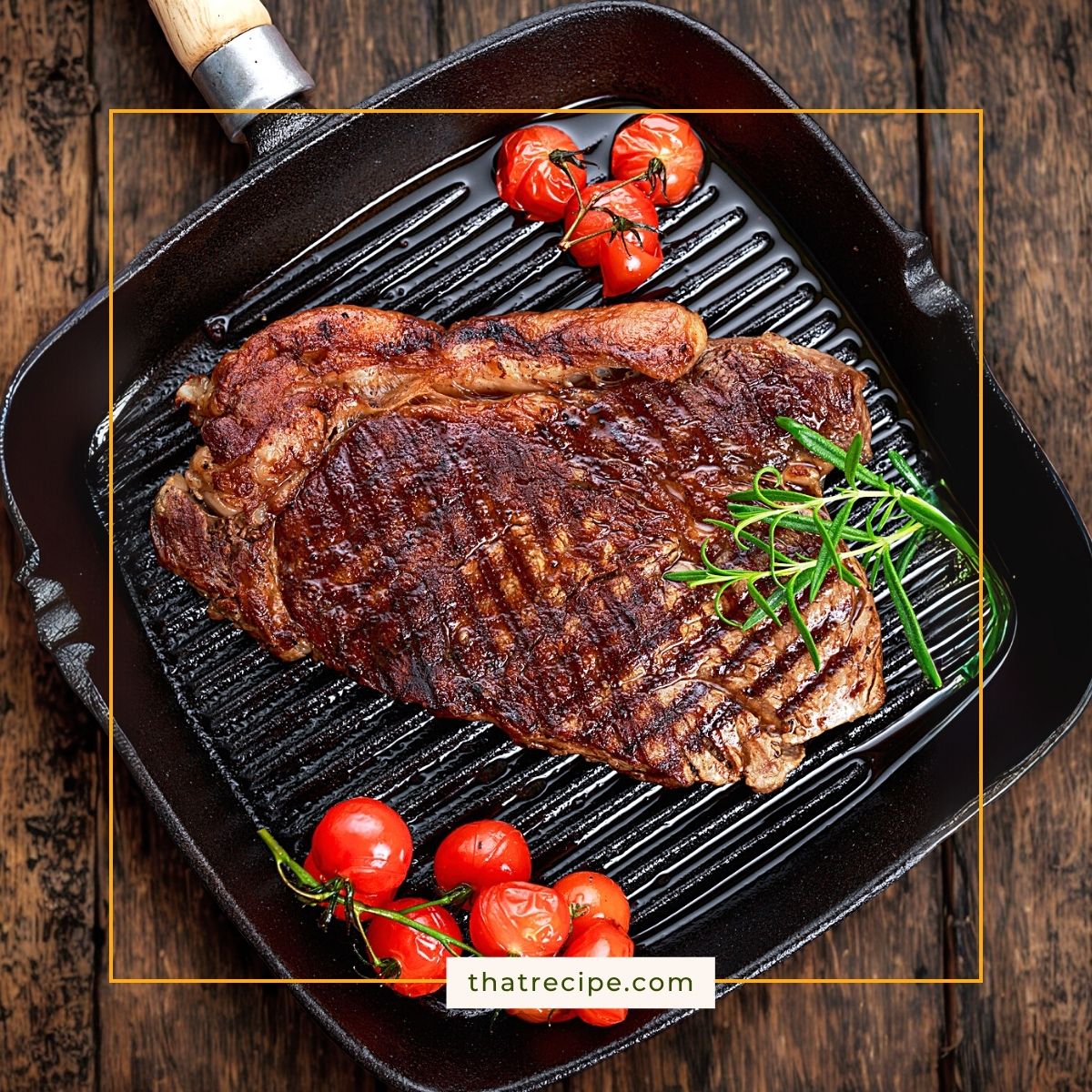
Credit: thatrecipe.com
Preparing The Steak
Preparing your steak properly sets the stage for a perfect sear and juicy bite when cooking on a cast iron grill pan. Every detail counts, from how you season it to the temperature of the meat before it hits the pan. These simple but crucial steps can make a noticeable difference in flavor and texture.
Seasoning Techniques
Seasoning is more than just sprinkling salt and pepper. Start with a generous amount of coarse salt to draw out moisture and enhance the steak’s natural flavors.
Add freshly ground black pepper right before cooking to prevent it from burning and turning bitter. You can also experiment with garlic powder, smoked paprika, or a pinch of cayenne for a subtle kick.
For deeper flavor, rub the steak with a bit of olive oil before seasoning. This helps the spices stick and promotes a beautiful crust on the cast iron surface.
Bringing Steak To Room Temperature
Cold steak straight from the fridge won’t cook evenly on your grill pan. Let your steak sit out for about 30 to 45 minutes to reach room temperature.
This simple step ensures the inside cooks at the same rate as the outside, avoiding a burnt crust with a raw center. Have you noticed steaks cooking unevenly in your pan? This could be why.
While waiting, pat the steak dry with paper towels. Removing excess moisture helps achieve that perfect sear and prevents steaming.
Setting Up The Cast Iron Grill Pan
Setting up your cast iron grill pan correctly is key to cooking a perfect steak. It’s not just about heating the pan; it’s about preparing it to create the ideal sear and flavor. How you handle this initial step can make or break your steak experience.
Preheating The Pan
Start by placing your cast iron grill pan on medium-high heat. Give it enough time—usually 5 to 7 minutes—to reach the right temperature. A properly preheated pan will make your steak sizzle immediately, locking in juices and creating those beautiful grill marks.
Have you ever noticed steak sticking to the pan? That often means the pan wasn’t hot enough. Patience here pays off. You can test the heat by flicking a few drops of water onto the surface; if they dance and evaporate quickly, you’re ready.
Oil And Fat Choices
Choosing the right fat affects both flavor and cooking performance. Use oils with a high smoke point like avocado oil, grapeseed oil, or clarified butter. These handle the high heat without burning, ensuring your steak doesn’t taste bitter or smoky.
Adding oil before heating can cause it to burn, so it’s best to add it right after the pan is hot. Alternatively, brushing the steak itself with oil works well too. This simple step can transform your cooking results.

Credit: grillinfools.com
Cooking Times For Different Doneness
Cooking steak on a cast iron grill pan depends greatly on the desired doneness. Each level of doneness requires a different cooking time to achieve the perfect texture and flavor. Precise timing helps avoid overcooking or undercooking your steak. Below are guidelines for cooking times based on the steak’s thickness and doneness level.
Rare And Medium Rare
For rare steak, cook about 2 to 3 minutes per side on high heat. The inside stays red and cool. Medium rare requires slightly longer—about 3 to 4 minutes per side. The center is warm and pink with a hint of red. These times suit steaks about 1-inch thick. Use a meat thermometer for accuracy: 120-130°F for rare, 130-135°F for medium rare.
Medium And Medium Well
Medium steaks need 4 to 5 minutes per side. The center is light pink with firm texture. Medium well takes 5 to 6 minutes per side. The steak is mostly brown with just a slight pink center. For medium, aim for 135-145°F internal temperature. Medium well is 145-155°F. Thicker steaks need a little more time or lower heat after searing.
Well Done Tips
Well done steaks require 6 to 7 minutes per side. The steak is brown throughout with no pink inside. Cook on medium heat to avoid burning the outside. Check internal temperature; it should reach 160°F or higher. Rest the steak after cooking for a few minutes. This allows juices to redistribute and keeps the meat tender.
Flipping And Handling The Steak
Flip the steak only once to keep it juicy. Cook each side for 3-5 minutes, depending on thickness and desired doneness. Use tongs to handle the steak gently, avoiding piercing the meat.
Cooking steak on a cast iron grill pan is a culinary art. Mastering the technique of flipping and handling your steak can elevate your cooking from good to spectacular. The way you handle your steak can significantly affect its juiciness and flavor. Ever wondered how the perfect steakhouse achieves that mouthwatering sear and tenderness? The secret lies in the flip and the care with which the steak is treated.
When To Flip
Timing is everything when it comes to flipping your steak. Waiting too long or flipping too soon can ruin the texture. A good rule of thumb is to flip your steak once it easily releases from the pan. This usually happens after about 3-4 minutes per side, depending on thickness and desired doneness. Using a timer can help maintain consistency. However, trust your senses—sight, smell, and touch—more than the clock. Are you seeing that beautiful crust forming? Can you hear the sizzle quiet down? Those are your cues to flip.
Avoiding Common Mistakes
One common mistake is pressing the steak with a spatula. It might feel tempting to do so, thinking it speeds up cooking, but it actually squeezes out the juices, leading to a dry steak. Resist the urge and let the heat do the work. Another pitfall is overcrowding the pan. Ensure there’s enough space between steaks for the heat to circulate properly. If the pan is overloaded, the steaks will steam instead of sear, compromising the crispy exterior you’re aiming for. Lastly, avoid flipping multiple times. Each flip cools the steak down and disrupts the even cooking process. Stick to one good flip for that perfect steakhouse quality. Are you ready to transform your steak-cooking routine? Remember, every steak is a new opportunity to perfect your craft and impress at the dinner table.
Using A Meat Thermometer
Using a meat thermometer takes the guesswork out of cooking steak on your cast iron grill pan. It helps you achieve the perfect doneness every time without cutting into the meat and losing precious juices. This tool is especially helpful if you want consistent results for different thicknesses and cuts.
Ideal Internal Temperatures
Knowing the right internal temperature for your steak is key. Here’s a quick guide:
- Rare:120-125°F (49-52°C)
- Medium Rare:130-135°F (54-57°C)
- Medium:140-145°F (60-63°C)
- Medium Well:150-155°F (65-68°C)
- Well Done:160°F and above (71°C+)
Remember, the steak will continue to cook a bit after you take it off the pan. So, pulling it off just a few degrees before your target temperature gives you that perfect finish.
Checking Without Piercing
One challenge is checking the temperature without piercing the steak and losing juices. You can gently insert the meat thermometer into the thickest part of the steak at an angle. This way, you minimize the hole size and keep the meat juicy.
Some digital thermometers have thin probes designed specifically for this. If you don’t have one, try to avoid multiple checks and rely on timing combined with temperature readings. Have you ever ended up with dry steak because you checked too often? Using the thermometer wisely prevents that.
Resting The Steak
Resting the steak is a key step after cooking on a cast iron grill pan. This pause lets the meat finish cooking evenly. It also helps keep the juices inside the steak. Skipping this step causes the juices to spill out. The result is a drier, less tasty steak. Resting improves flavor and texture. It makes the steak more tender and enjoyable.
Why Resting Matters
Cooking pushes juices toward the steak’s center. Resting lets those juices spread back out. This process makes each bite juicy and soft. The meat fibers relax during resting. This relaxation stops the juices from leaking out. A well-rested steak holds more flavor. It also feels smoother when you chew.
How Long To Rest
Rest time depends on the steak’s size. Small steaks need about 5 minutes. Larger or thicker steaks need 10 to 15 minutes. Use a warm plate to cover the steak. Covering keeps the heat in without steaming. Avoid resting too long. The steak cools down and loses flavor. A timer helps you rest the steak just right.
Enhancing Flavor After Cooking
Resting steak after cooking lets juices spread evenly, boosting flavor. Sprinkling a pinch of salt or a pat of butter enhances taste instantly. Simple steps make a big difference in every bite.
Enhancing the flavor of your steak after cooking is a game changer. It's the secret that elevates your dish from good to unforgettable. After achieving that perfect sear on your cast iron grill pan, there are subtle additions that can make your steak sing with flavor.
Adding Butter And Herbs
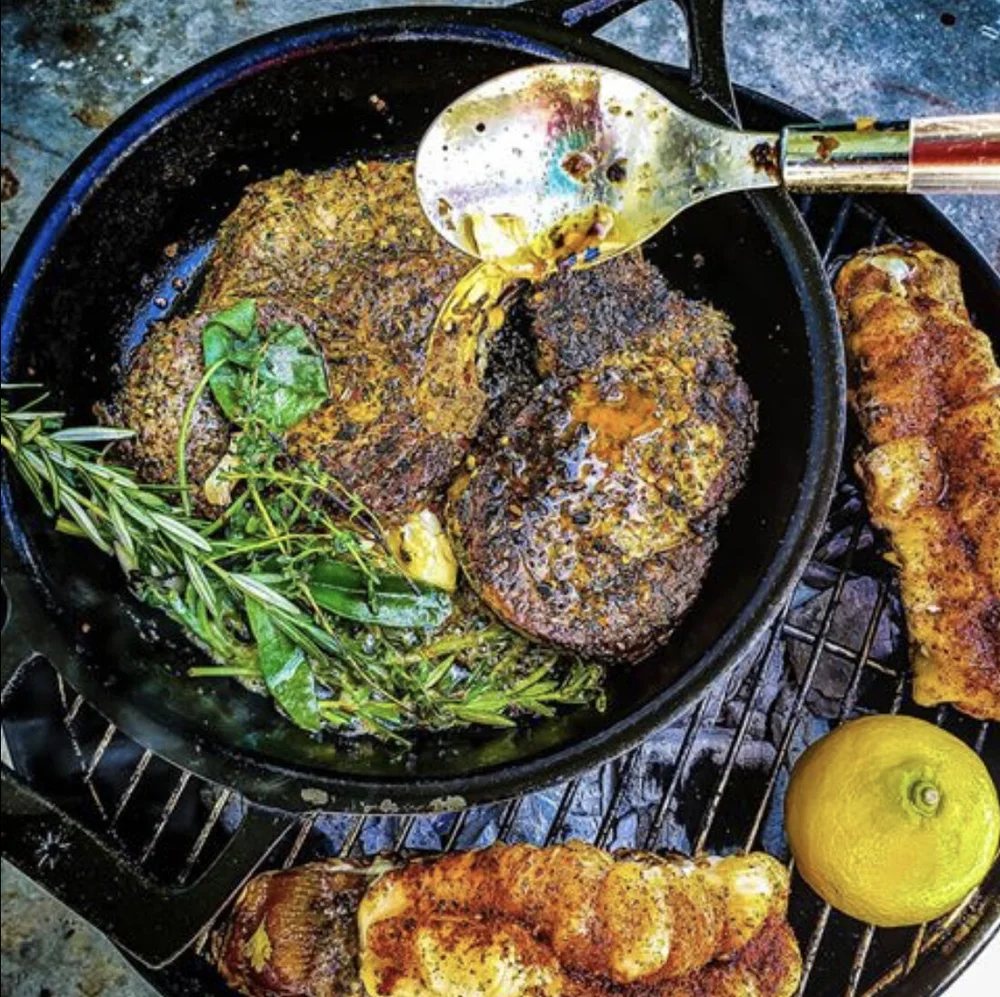
Adding butter and herbs post-cooking can transform your steak. Melt a pat of butter over the hot steak, allowing it to seep into the meat. Sprinkle fresh herbs like rosemary or thyme, which release their aromatic oils onto the sizzling surface. The combination of butter and herbs creates a rich, savory glaze that enhances every bite. Have you ever wondered why restaurant steaks taste so good? This is often their secret.
Slicing Tips For Maximum Juiciness
Slicing your steak correctly is crucial to maintaining its juiciness. Always slice against the grain, which shortens the muscle fibers and makes each bite tender. Use a sharp knife for clean cuts, as a dull blade can tear the meat and release its juices prematurely. Have you noticed how some steak slices seem to melt in your mouth while others feel chewy? The direction you cut can make all the difference. Proper slicing is an art worth mastering. These simple enhancements can elevate your steak to a new level of deliciousness. Do you have a favorite post-cooking ritual that adds flavor to your dishes?
Troubleshooting Common Issues
Cooking steak on a cast iron grill pan can sometimes bring challenges. Small mistakes can affect taste and texture. Troubleshooting common issues helps improve your cooking. It makes your steak juicier and more flavorful.
Avoiding Overcooking
Overcooked steak becomes tough and dry. To prevent this, watch the cooking time closely. Use a timer and check the steak's color and texture often.
- Preheat the pan well before adding the steak.
- Cook steak on high heat for a short time.
- Flip the steak only once to keep juices inside.
- Use a meat thermometer to check doneness: 130°F for medium-rare.
- Rest the steak for 5 minutes before cutting to keep it juicy.
Handling Uneven Cooking
Uneven cooking causes some parts to be raw while others overdone. This happens due to hot spots on the pan or thick steak sections.
- Move the steak around the pan to cook evenly.
- Press the steak gently to touch the pan fully.
- Use a pan with a flat surface for better heat distribution.
- Lower the heat if edges cook faster than the center.
- Cut thick steaks into thinner slices for uniform cooking.
Credit: www.eatingwithcheferic.com
Frequently Asked Questions
How Long To Cook Medium-rare Steak On Cast Iron?
Cook a medium-rare steak for about 3-4 minutes per side on a hot cast iron pan. Use a meat thermometer to check for 130°F internal temperature for perfect doneness.
What Is The Best Temperature For Cast Iron Steak Cooking?
Preheat your cast iron grill pan to medium-high heat, around 400°F. This temperature sears the steak well, locking in juices and flavor.
How To Tell When Steak Is Done On Cast Iron?
Use a meat thermometer to check internal temperature or perform the finger test. For medium steak, aim for 140°F internal temperature for accurate doneness.
Should I Let Steak Rest After Cooking On Cast Iron?
Yes, let the steak rest for 5-10 minutes after cooking. This helps juices redistribute, making the steak tender and flavorful.
Conclusion
Cooking steak on a cast iron grill pan takes just minutes. Thickness and heat affect the time needed. Use a meat thermometer to check doneness. Rest the steak briefly before serving for juicier results. Practice helps you cook the perfect steak every time.
Enjoy the rich flavor and easy cleanup of cast iron. Simple steps lead to a delicious, tender meal. Try different cooking times to find what suits you best. Cooking steak can be quick, easy, and tasty with a cast iron pan.