Are you ready to make a tender, juicy sirloin tip roast without spending hours watching the oven? Using a slow cooker is the perfect way to get mouthwatering results with minimal effort.
But how long exactly should you cook your sirloin tip roast to achieve that perfect, fall-apart texture? Getting the timing right is key to unlocking the full flavor and tenderness you want. Keep reading, and you’ll discover the ideal cooking times and tips to make your next roast a delicious success every time.
Choosing The Right Sirloin Tip Roast
Choosing the right sirloin tip roast is a key step before you even start cooking. The roast you pick will affect how long it takes to cook and how tender and flavorful it turns out. Paying attention to size and quality will help you get the best result from your slow cooker.
Size And Weight Considerations
The size and weight of your sirloin tip roast directly impact the cooking time. Smaller roasts, around 2 to 3 pounds, usually need about 4 to 5 hours on low heat in the slow cooker. Larger roasts, closer to 4 or 5 pounds, can take 6 to 8 hours to become tender.
Think about your schedule too—do you want a roast ready by dinner time, or do you have the whole day to let it cook slowly? If you pick a very large roast but only have a few hours, it might end up tough and chewy. Adjust the weight based on how much time you have and how many people you plan to serve.
Quality And Marbling Tips
Look for sirloin tip roasts with good marbling—the thin streaks of fat running through the meat. Marbling is crucial because it melts during cooking, keeping the roast juicy and adding rich flavor. A roast with little marbling can turn out dry, even in a slow cooker.
Don’t just grab the cheapest cut you see. Sometimes spending a bit more on a well-marbled roast saves you from a disappointing meal. If you’re shopping at a local butcher, ask them about the best sirloin tip roast available and whether it’s suitable for slow cooking.
Preparing The Roast For Slow Cooking
Preparing the sirloin tip roast properly sets the stage for a tender and flavorful slow-cooked meal. Taking time to trim and season the meat ensures even cooking and a rich taste. Searing the roast before slow cooking locks in juices and adds a deep, savory crust. These steps make a noticeable difference in the final dish.
Trimming And Seasoning
Start by trimming excess fat and silver skin from the roast. This helps prevent greasy texture and uneven cooking. Pat the meat dry with paper towels. Dry meat sears better and develops a nice crust.
Season the roast generously with salt and pepper. Add garlic powder, onion powder, or your favorite herbs for extra flavor. Press the seasoning into the meat to help it stick during cooking.
Searing For Enhanced Flavor
Heat a skillet over medium-high heat and add a small amount of oil. Place the roast in the hot pan and sear each side for 2-3 minutes. A golden-brown crust forms, adding rich flavor.
Searing also seals in the juices, keeping the roast moist during slow cooking. Avoid overcrowding the pan to maintain high heat. Once seared, transfer the roast to the slow cooker and continue with your recipe.
Slow Cooker Settings And Timing
Choosing the right slow cooker setting and timing is crucial for perfectly cooking a sirloin tip roast. The heat level you select directly affects how tender and juicy your roast will be. Understanding the difference between low and high heat settings can help you plan your cooking schedule better and achieve mouthwatering results every time.
Low Vs High Heat Options
Slow cookers usually have two main heat settings: low and high. Low heat cooks the roast gently over a longer time, allowing the meat to break down slowly and become tender. High heat speeds up the process but can sometimes make the roast less juicy if not timed carefully.
Many find that cooking on low heat yields a better texture and flavor. However, if you need dinner in a hurry, high heat can save the day. Have you ever rushed a roast on high heat only to find it a bit tough? Adjusting your timing can fix that.
General Cooking Time Guidelines
| Slow Cooker Setting | Cooking Time for Sirloin Tip Roast (3-4 lbs) | Texture Result |
|---|---|---|
| Low Heat | 8 to 10 hours | Very tender and juicy |
| High Heat | 4 to 6 hours | Good, but risk of dryness if overcooked |
Keep in mind that the exact time can vary depending on the size of your roast and your slow cooker model. It's a smart idea to check the roast towards the end of cooking to avoid overcooking. What’s your experience with timing slow-cooked roasts? Adjusting times based on your equipment makes a big difference.
Factors Affecting Cooking Time
Cooking a sirloin tip roast in a slow cooker requires attention to several key factors. These influence how long the roast will take to become tender and flavorful. Understanding these elements helps ensure the roast cooks evenly and turns out delicious every time.
Cooking times can vary widely based on the size and shape of the roast, the type of slow cooker used, and what ingredients accompany the meat. These factors can change the heat distribution and moisture inside the cooker. Knowing their impact helps you plan your cooking schedule better.
Roast Thickness And Size
The thickness and weight of the sirloin tip roast greatly affect cooking time. Larger, thicker roasts take longer to heat through and become tender. A small roast may cook in 4 to 6 hours on low, while a bigger one could need 8 to 10 hours. Cutting the roast into smaller pieces shortens cooking time but may affect texture.
Slow Cooker Model Variations
Slow cookers vary in size, heat settings, and efficiency. Some models run hotter or cooler than others, which changes cooking speed. Newer or high-end slow cookers may cook faster due to better heat control. Older or basic models might require extra time. Check your slow cooker’s manual for guidance on cooking times.
Adding Vegetables And Liquids
Vegetables and liquids in the slow cooker also change cooking time. Root vegetables like carrots and potatoes need more time to soften. Adding them at the start increases total cooking time. Liquids such as broth or wine help conduct heat evenly but can dilute flavors if too much is used. Balance the amount of liquid to keep the roast moist without extending cooking time unnecessarily.
Checking For Doneness
Cooking a sirloin tip roast in a slow cooker takes about 6 to 8 hours on low. Check for doneness by ensuring the internal temperature reaches 145°F for medium-rare. Use a meat thermometer for accuracy.
Checking the doneness of your sirloin tip roast in a slow cooker is crucial to achieving that perfect tenderness and flavor. While slow cooking generally results in juicy, tender meat, knowing when your roast is perfectly done can elevate your dish from good to great. There are a couple of reliable methods to ensure your roast is cooked to perfection. Let's explore them.
Using A Meat Thermometer
A meat thermometer is your best friend in the kitchen. It provides an accurate reading of your roast's internal temperature. Insert the thermometer into the thickest part of the roast, avoiding bones or fat for an accurate reading. The ideal temperature for medium-rare is around 135°F (57°C), while 145°F (63°C) is suitable for medium. Always let your roast rest for about 10-15 minutes before slicing. This allows the juices to redistribute, giving you a succulent bite every time.
Visual And Texture Cues
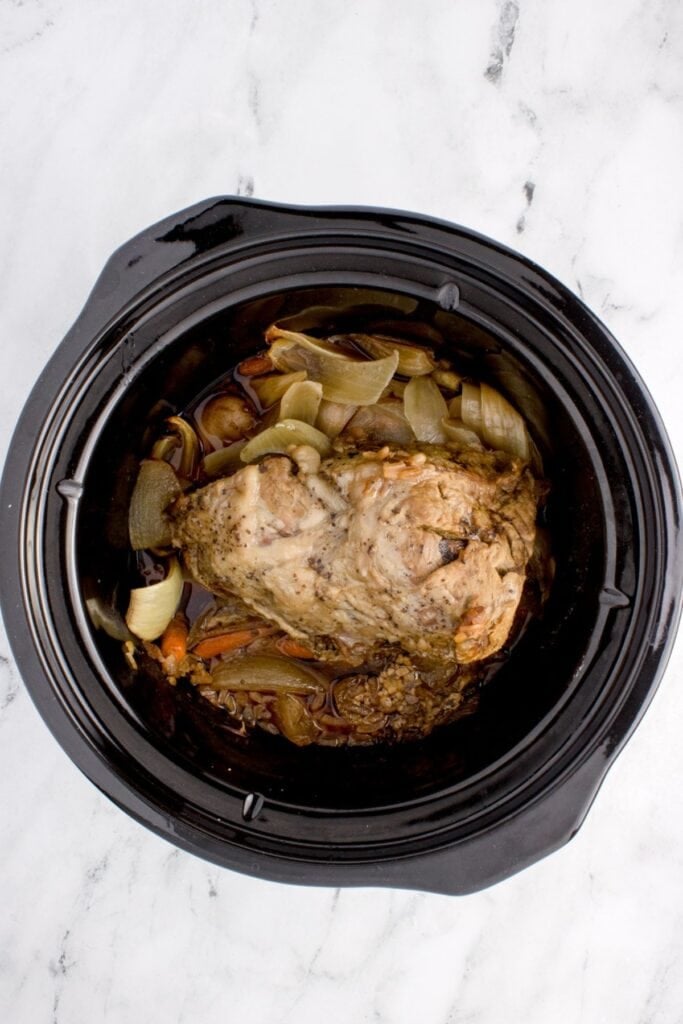
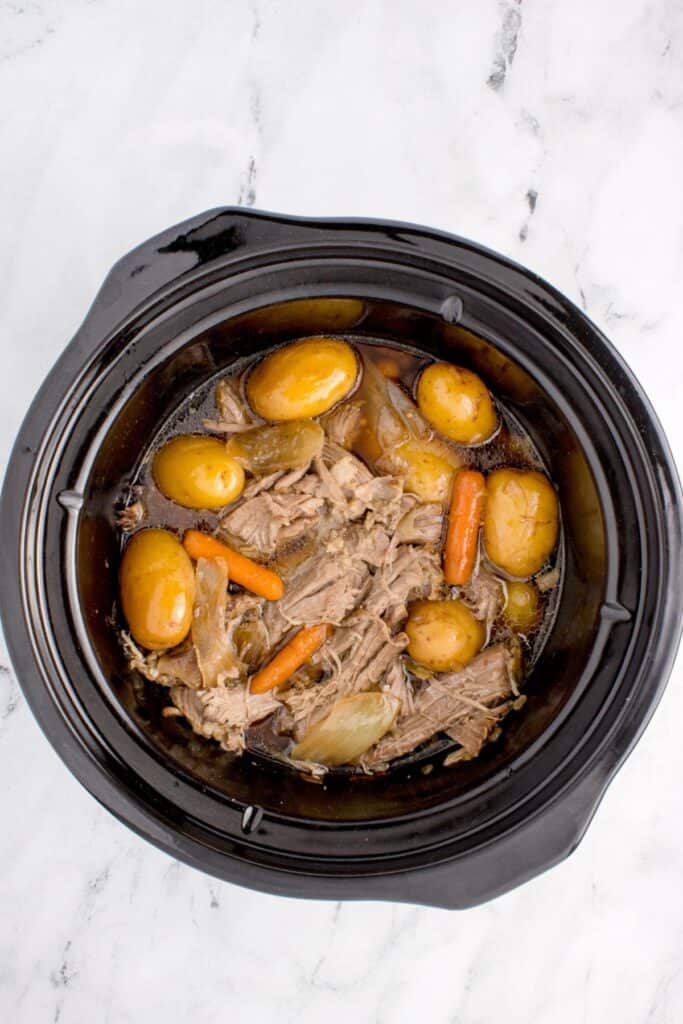
Visual cues can also guide you. A well-cooked roast will have a rich, browned exterior while maintaining a moist interior. Pay attention to the roast's texture. A fork should easily penetrate the meat, and it should pull apart with minimal resistance. If it feels tough or chewy, it likely needs more time in the slow cooker. Do you have a personal trick for checking roast doneness? Sometimes, the simplest checks can make a world of difference in your cooking adventures.
Credit: www.everydayfamilycooking.com
Resting And Serving Tips
Resting and serving a sirloin tip roast cooked in a slow cooker improves its texture and flavor. After slow cooking, the meat holds a lot of juices inside. Resting lets these juices settle, making the roast tender and juicy. Serving it right enhances the eating experience.
Optimal Resting Time
Rest the roast for 10 to 15 minutes. This pause allows the meat fibers to relax. The juices redistribute evenly inside the roast. Cutting the meat too soon causes the juices to spill out. Resting ensures every bite is moist and flavorful.
Slicing For Best Results
Slice the roast against the grain. This means cutting across the muscle fibers. Slicing this way makes the meat easier to chew. Use a sharp knife for clean, even slices. Cut thin slices to maximize tenderness. Arrange the slices neatly on a serving plate.
Troubleshooting Common Issues
Cooking a sirloin tip roast in a slow cooker can be incredibly rewarding, but sometimes things don’t go exactly as planned. You might find yourself facing a roast that's too dry or meat that’s tough and hard to chew. Understanding the common issues and how to fix them can help you get the perfect roast every time.
Overcooked Or Dry Roast
If your roast turns out dry, it usually means it cooked for too long or at too high a temperature. Slow cookers vary, so your "low" setting might be hotter than expected. Try reducing the cooking time by 30 to 60 minutes next time, and always use a meat thermometer to check for an internal temperature around 135°F for medium-rare.
Adding moisture during cooking also helps. You can add broth, water, or even a splash of wine to keep the roast juicy. Cover the roast tightly with the slow cooker lid to prevent steam from escaping, which dries out the meat.
Undercooked Or Tough Meat
If your roast is undercooked, it might need more time in the slow cooker. Be patient—slow cooking relies on low heat over several hours to break down tough fibers. Check the roast’s temperature and texture after the recommended time and add 30-minute increments as needed.
Tough meat can also mean the roast didn’t cook long enough for the connective tissues to soften. Adding acidic ingredients like a bit of vinegar or tomato sauce can help tenderize the meat during cooking. Have you noticed that certain cuts cook better with a marinade or slow cooker sauce? Experimenting with these can make a big difference.

Credit: farmhouseharvest.net
Credit: www.everydayfamilycooking.com
Frequently Asked Questions
How Long Does Sirloin Tip Roast Take In Slow Cooker?
A sirloin tip roast takes about 6 to 8 hours on low heat in a slow cooker. Cooking on high heat reduces the time to 3 to 4 hours. Always check for an internal temperature of 145°F for medium-rare doneness.
What Temperature Should Slow Cooker Be For Sirloin Roast?
Set the slow cooker to low for tender, evenly cooked sirloin tip roast. Low heat allows the meat to cook slowly, breaking down fibers. High heat may cook faster but can dry out the roast. Low is best for juicy results.
Can I Cook Frozen Sirloin Tip Roast In Slow Cooker?
Yes, but it’s not recommended. Cooking frozen roast in a slow cooker increases the risk of uneven cooking. It’s best to thaw the roast fully before slow cooking. This ensures even heat distribution and food safety.
How To Know When Sirloin Roast Is Done In Slow Cooker?
Use a meat thermometer to check doneness. For medium-rare, the internal temperature should be 145°F. For medium, aim for 160°F. The roast should feel tender and juices run clear when properly cooked.
Conclusion
Cooking sirloin tip roast in a slow cooker takes time, but it’s simple. Plan for about 6 to 8 hours on low for tender, juicy meat. Check the roast for doneness near the end to avoid overcooking. Add your favorite spices and vegetables for extra flavor.
Slow cooking lets the roast become soft and full of taste. Enjoy a delicious meal with little effort. Slow cookers make busy days easier and meals better. Try this method for a tasty, easy dinner option.