Are you wondering how long to cook rump roast in your slow cooker to get that perfect, tender bite? You’re not alone.
Cooking a rump roast can be tricky—too short, and it’s tough; too long, and it dries out. But don’t worry, we’ve got you covered. In this post, you’ll discover the ideal cooking times and tips to make your slow cooker rump roast juicy and full of flavor every single time.
Keep reading, and you’ll never guess how easy it is to master this classic meal.
Choosing The Right Rump Roast
Choosing the right rump roast is key to getting the best results from your slow cooker. Not all cuts behave the same way, and the right choice can make your meal tender, juicy, and full of flavor. Knowing what to look for before you start will save you time and frustration.
Best Cuts For Slow Cooking
Not every rump roast is created equal. Look for cuts that have good marbling and connective tissue. These parts break down slowly and add richness to your dish.
- Top Rump Roast:Leaner and slightly tougher, but still works well if cooked low and slow.
- Bottom Rump Roast:More marbled and ideal for slow cooking, offering a tender and flavorful result.
- Eye of Round:Very lean and best if cooked carefully to avoid dryness.
I once chose a top rump roast without enough marbling, and the roast turned out dry. Switching to a bottom rump roast next time made a noticeable difference in tenderness.
Size And Weight Considerations
The size of your rump roast affects cooking time and texture. Slow cookers work best with roasts between 3 to 5 pounds.
- Smaller roasts may cook too quickly, risking dryness.
- Larger roasts need more time but can be tricky to fit in your slow cooker.
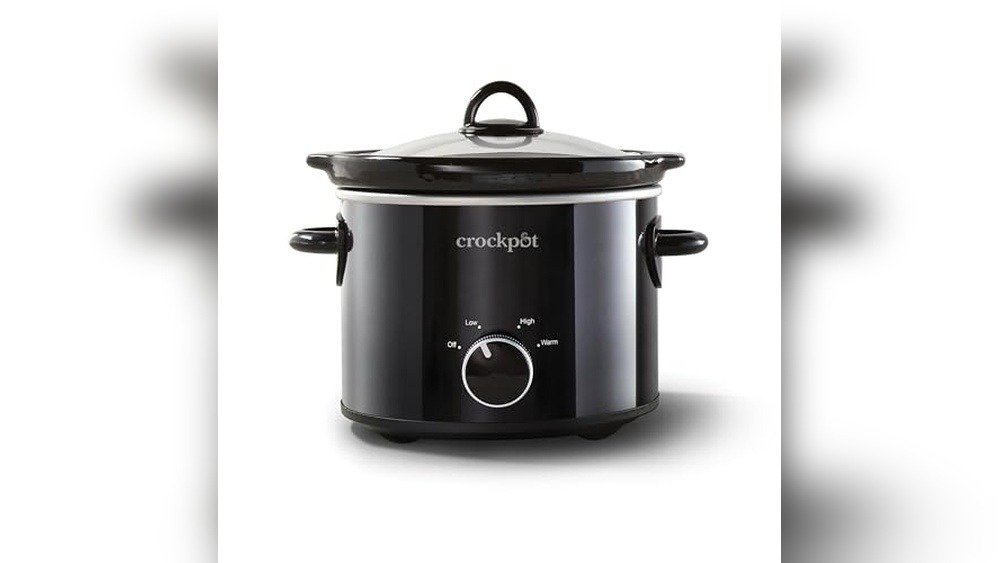
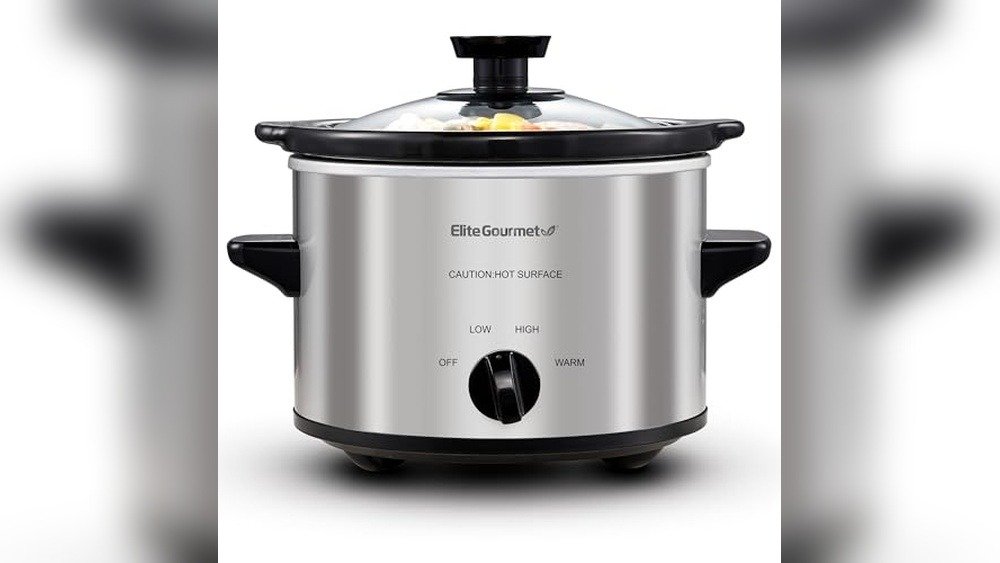
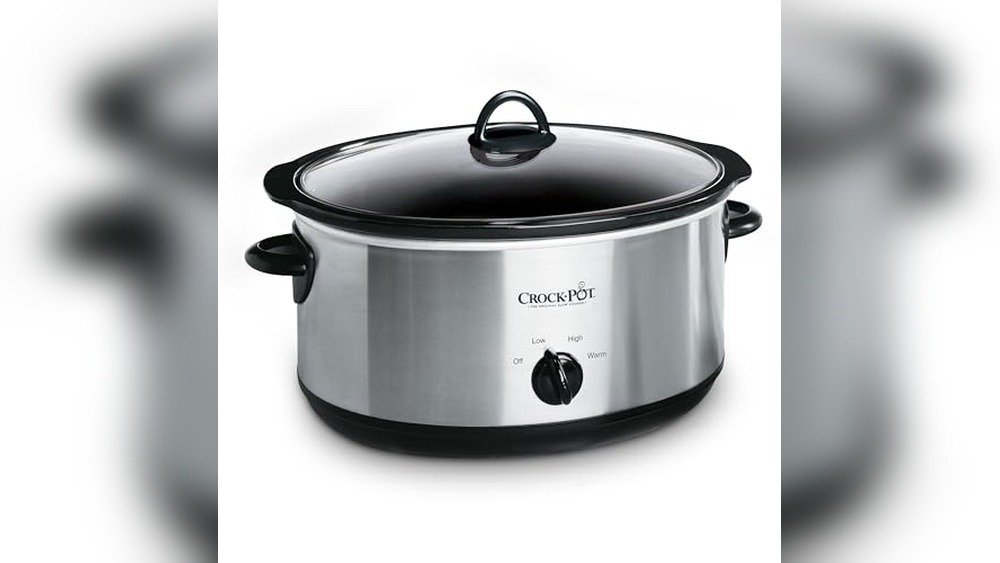
Think about your slow cooker’s capacity before buying. Are you cooking for two or a crowd? Adjust the size accordingly to avoid under or overcooking.
What’s your slow cooker size, and how do you decide on the roast size? Matching these two can transform your rump roast experience.
Preparing The Roast
Preparing your rump roast properly sets the stage for a tender, flavorful meal. Taking the time to trim and season the meat, along with adding the right vegetables and aromatics, can transform your slow cooker roast from ordinary to exceptional. Let’s look at how to get your roast ready for the slow cooker.
Trimming And Seasoning Tips
Start by trimming excess fat from the rump roast. Leaving a thin layer is good—it keeps the meat moist—but too much fat can make your dish greasy. Use a sharp knife to carefully remove large chunks of fat and any silver skin.
Next, season your roast generously. Salt and pepper are basics, but adding garlic powder, onion powder, or smoked paprika can enhance the flavor. Rub the seasoning all over the meat, pressing it in so it sticks well.
Have you tried searing the roast before placing it in the slow cooker? It adds a rich, caramelized crust that boosts taste. This step is optional but can make a noticeable difference.
Adding Vegetables And Aromatics
Vegetables do more than fill the pot—they add moisture and depth to the roast’s flavor. Classic choices include carrots, potatoes, and onions, which soften beautifully during slow cooking.
Don’t forget aromatics like garlic cloves, bay leaves, and fresh herbs such as rosemary or thyme. These subtle flavors infuse the meat and cooking liquid, giving your roast a complex, inviting aroma.
Consider layering the vegetables at the bottom of the slow cooker. This lifts the roast slightly and allows the meat juices to drip down, creating a delicious base for gravy or sauce.
Slow Cooker Settings
Choosing the right slow cooker setting is key to cooking rump roast perfectly. Settings control how fast heat builds inside the cooker. This affects tenderness and flavor. Understanding low and high heat, plus timers and warm settings, helps get the best results.
Low Vs. High Heat
Low heat cooks rump roast slowly over several hours. It breaks down tough fibers and keeps meat juicy. High heat cooks faster but can dry the roast if not timed well. For a tender roast, low heat is often best. High heat suits shorter cooking times or when in a hurry.
- Low heat: 8 to 10 hours, tender and juicy
- High heat: 4 to 6 hours, faster but needs attention
Using Timers And Warm Settings
Timers help manage cooking time without worry. Set the cooker to switch from cooking to warm automatically. The warm setting keeps roast hot without overcooking. It prevents dryness and lets you serve anytime. Use timers to match your schedule and keep the roast fresh and tasty.

Credit: bestcleaneating.com
Cooking Times For Rump Roast
Knowing how long to cook a rump roast in your slow cooker can make all the difference between a tough meal and a tender, flavorful feast. Timing isn’t just about hours on the clock; it’s about understanding your roast’s size, the heat setting, and the signs that tell you it’s perfectly done. Let’s break down these factors so you can serve a rump roast that impresses every time.
General Time Guidelines
For a typical 3 to 4-pound rump roast, cooking on low heat usually takes about 8 to 10 hours. If you’re short on time, cooking on high heat reduces it to around 4 to 6 hours.
Slow and steady is often better for tougher cuts like rump roast, as it allows the meat to break down and become tender. But keep in mind, these times can vary depending on your slow cooker’s model and how full it is.
Adjusting For Roast Size
Smaller roasts (around 2 pounds) may be ready in 6 to 7 hours on low, while larger ones (5 pounds or more) could need 10 to 12 hours. It’s important not to rush the process; undercooked rump roast tends to be chewy.
Think of your slow cooker as a gentle heat source. The bigger the roast, the longer the heat needs to penetrate to the center. If you cut the roast into smaller chunks, the cooking time can be reduced significantly.
Signs Of Doneness
How do you know when your rump roast is done? The meat should be fork-tender and easy to pull apart. If you can’t shred it with a fork, it needs more time.
Also, check the internal temperature with a meat thermometer. Aim for about 190°F (88°C) for tender, slow-cooked roast. Don’t rely solely on time; the roast’s texture and temperature are your best guides.
Achieving Tender Results
Getting a rump roast perfectly tender in a slow cooker is all about patience and technique. The slow, steady heat breaks down tough fibers, transforming the meat into a juicy, melt-in-your-mouth dish. But tenderness doesn’t stop when you turn off the cooker—how you rest and slice the meat plays a huge role in the final texture and flavor.
Resting The Meat
After the slow cooker timer goes off, let your rump roast rest for at least 15 minutes. This pause allows the juices to redistribute throughout the meat instead of spilling out when you cut it.
Skipping this step often leads to dry slices, even if the roast was cooked properly. Cover the roast loosely with foil to keep it warm during this crucial resting period. You’ll notice the difference when each bite stays juicy and flavorful.
Slicing Techniques
How you slice the rump roast can make or break that tender texture. Always cut against the grain—the direction of the muscle fibers—to shorten them and make chewing easier.
Use a sharp knife and slice thinly for the best results. Thick slices can feel chewy, even if the roast is tender. Try to observe the grain direction before you start cutting; it might not be as obvious as you think.
Have you ever had a roast that was cooked perfectly but still felt tough? Pay attention to these small details next time, and you’ll notice a huge improvement in tenderness.
Common Mistakes To Avoid
Cooking a rump roast in a slow cooker can be tricky if not done right. Avoid lifting the lid often, as it releases heat and increases cooking time. Ensure the roast is fully thawed to cook evenly and prevent bacterial growth.
Cooking a rump roast in a slow cooker can be a delightful experience, but it’s easy to slip up. Common mistakes can lead to a meal that’s less than perfect. Knowing these pitfalls helps ensure your roast is tender, juicy, and bursting with flavor.
Overcooking Or Undercooking
Timing is crucial when slow cooking a rump roast. Overcooking can turn your meat into a dry, tough disappointment, while undercooking leaves it chewy and unpleasant. To avoid these issues, use a meat thermometer. Aim for an internal temperature of around 145°F for medium rare. If your slow cooker doesn't have a timer, set an alarm to check the meat periodically.
Not Using Enough Liquid
A common mistake is skimping on the liquid. The liquid doesn’t just prevent the roast from drying out; it also infuses it with flavor. Consider using beef broth, wine, or a mix of both. Be generous but not excessive—about 1 to 1.5 cups should suffice. Have you ever wondered why your roast lacks flavor even after hours of cooking? It might be due to insufficient liquid, which fails to carry the seasonings into the meat.
Enhancing Flavor
Enhancing the flavor of a rump roast in a slow cooker transforms a simple meal into a delicious experience. The slow cooking process tenderizes the meat and allows flavors to blend deeply. Adding the right ingredients before cooking can create rich, savory taste that fills your kitchen. Small touches make a big difference in the final dish.
Using Marinades And Rubs
Marinades and rubs add layers of flavor to the rump roast. Marinades use liquids like vinegar, wine, or citrus juice to tenderize and flavor the meat. Let the roast soak in the marinade for several hours or overnight for best results. Rubs are dry mixtures of herbs and spices. Apply the rub generously all over the meat. Common spices include garlic powder, paprika, salt, and pepper. Both methods create a tasty crust and deepen the roast’s flavor.
Incorporating Broths And Sauces
Broths and sauces enhance moisture and add a savory base to the roast. Use beef, chicken, or vegetable broth to keep the meat juicy. Pour enough liquid to cover the bottom of the slow cooker. Sauces like tomato, barbecue, or mushroom bring extra taste and richness. They mix with the meat juices during cooking, forming a delicious gravy. This moist environment helps the roast stay tender and flavorful throughout the slow cooking process.

Credit: dinnerthendessert.com

Credit: bestcleaneating.com
Frequently Asked Questions
How Long Does Rump Roast Take In A Slow Cooker?
Rump roast typically takes 7-8 hours on low or 4-5 hours on high in a slow cooker. Cooking times may vary based on roast size and slow cooker model.
What Temperature Is Best For Slow Cooking Rump Roast?
Low heat is best for slow cooking rump roast. It ensures tender, juicy meat by cooking evenly over several hours.
Can I Cook Rump Roast Overnight In A Slow Cooker?
Yes, cooking rump roast overnight on low heat is ideal. It allows the meat to become tender without overcooking.
Should I Sear Rump Roast Before Slow Cooking?
Searing rump roast before slow cooking enhances flavor and texture. It seals in juices and adds a rich, brown crust.
Conclusion
Cooking rump roast in a slow cooker takes time but is easy. Plan for about 7 to 8 hours on low heat or 4 to 5 hours on high. This helps the meat become tender and full of flavor. Check the roast often to avoid overcooking.
Use a meat thermometer to ensure it reaches a safe temperature. Slow cooking lets you enjoy a juicy, tasty meal with little effort. Try it soon and enjoy a delicious, home-cooked dinner. Simple steps. Great results.