If you want perfectly tender, juicy ribs, cooking them low and slow on your gas grill is the way to go. But how long should you keep them at 250°F to get that fall-off-the-bone goodness?
You might be wondering if there’s a magic number or secret timing that makes all the difference. In this post, you’ll discover exactly how long to cook ribs on your gas grill at 250 degrees, along with tips to keep them flavorful and moist every time.
Keep reading—you’re just a few steps away from mastering ribs that will impress everyone at your next cookout.
Choosing The Right Ribs
Choosing the right ribs is a crucial step before you start cooking on your gas grill at 250°F. The type of ribs you pick affects not only the cooking time but also the flavor and tenderness. Knowing what to look for will help you get the most out of your grilling experience.
Baby Back Vs Spare Ribs
Baby back ribs come from the upper part of the rib cage, near the spine. They are smaller, leaner, and cook faster, usually taking about 3 to 4 hours at 250°F. Spare ribs are larger and meatier, from the lower rib section, and require a longer cook time, often 4 to 5 hours or more.
Your choice depends on how much time you have and the texture you prefer. Want tender ribs with less fat? Baby backs are your best bet. Craving richer, more flavorful meat? Spare ribs deliver that hearty satisfaction.
Checking Freshness And Quality
Fresh ribs should have a pinkish-red color and moist surface without any sliminess. Avoid ribs with a strong odor or dry, discolored patches. Look for even marbling of fat, which helps keep the meat juicy during slow cooking.
When I first started grilling, I learned that fresh ribs make all the difference. Even the best cooking technique can’t fix ribs that aren’t fresh. Take a moment to inspect your ribs closely—it pays off in tenderness and taste.
Preparing Ribs For The Grill
Preparing ribs for the grill is where the magic begins. Taking the time to properly prep your ribs can make a huge difference in flavor and texture. It’s not just about seasoning; it’s about setting the stage for tender, juicy ribs that your guests will rave about.
Removing The Membrane
The membrane is a thin, silver skin on the back of the ribs that can block flavors and cause the ribs to be tough. Removing it allows smoke and rubs to penetrate better, giving you more tender meat.
Use a knife to gently lift one corner of the membrane. Then, grab it with a paper towel for a better grip and pull it off in one piece. If it tears, just lift and pull again until it’s fully removed.
Applying Dry Rubs And Marinades
Once the membrane is gone, it’s time to add flavor. Dry rubs are a blend of spices that create a delicious crust while grilling. Marinades, on the other hand, add moisture and infuse flavor deep into the meat.
Pat your ribs dry with paper towels before applying the rub or marinade. Massage the rub evenly over all surfaces, making sure every inch is covered. If using a marinade, let the ribs soak for at least an hour, or overnight if possible, to get the best flavor.
Setting Up Your Gas Grill
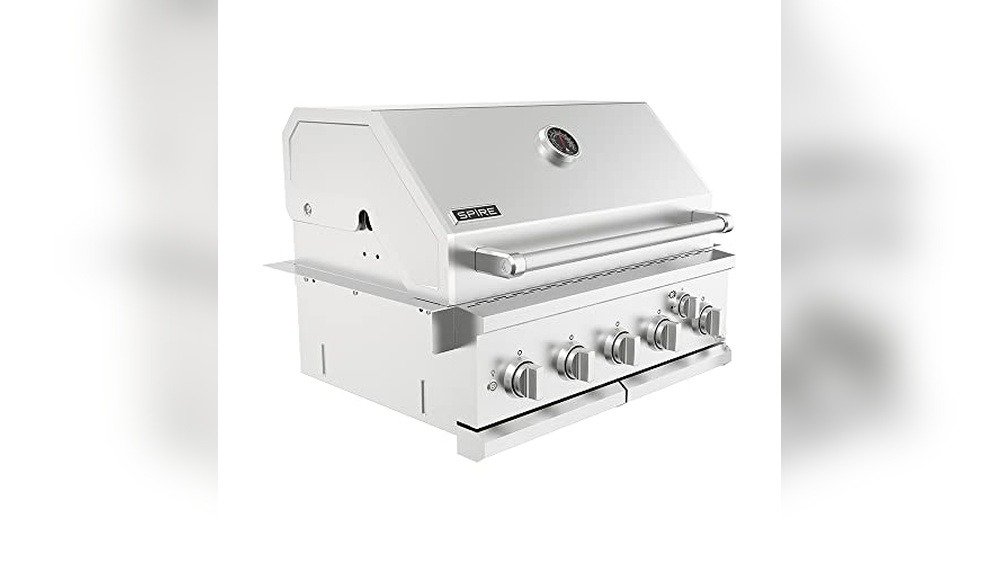
Setting up your gas grill correctly is key to cooking ribs low and slow at 250°F. Getting the temperature right and using the right heat placement can make all the difference between dry ribs and tender, juicy perfection. Let’s break down how to prepare your grill for the best results.
Achieving And Maintaining 250°f
Start by preheating your gas grill with all burners on high for about 10-15 minutes to clean and warm the grates. Then, turn off one or more burners to lower the temperature to around 250°F. Use a grill thermometer to monitor the heat; built-in gauges often aren’t accurate enough.
Adjust the burner knobs slowly and watch the temperature closely until it stabilizes. Keep the lid closed as much as possible—every time you open it, heat escapes and temperature drops. Have you noticed how small changes in flame can shift the grill's temperature quickly? That’s why constant attention at this stage pays off.
Using Indirect Heat Method
For ribs, direct heat will cook too fast and dry out the meat. Instead, turn off the burner directly under the ribs and leave the burners on either side on medium-low. This indirect heat cooks the ribs evenly and gently.
Place a drip pan filled with water beneath the ribs to catch drippings and add moisture to the cooking environment. This simple trick helps prevent flare-ups and keeps your ribs tender. Have you tried this before? It really makes a difference in how the ribs finish.
Cooking Time Guidelines
Cooking ribs on a gas grill at 250°F requires patience and attention. The right cooking time ensures tender, juicy ribs with a smoky flavor. Follow these guidelines to get perfect results every time.
General Cooking Duration
At 250°F, ribs usually take between 3 to 5 hours to cook fully. This low and slow method breaks down the connective tissue, making ribs tender. Check ribs regularly to avoid overcooking or drying out.
- Baby back ribs: 3 to 4 hours
- Spare ribs: 4 to 5 hours
Use a meat thermometer to check for an internal temperature around 190°F to 203°F. This range indicates ribs are tender and ready to eat.
Adjusting For Rib Type And Size
Different ribs need different cooking times due to their size and thickness. Thicker ribs take longer to cook evenly.
- Baby back ribs are smaller and leaner, so they cook faster.
- Spare ribs have more fat and bone, requiring extra time.
- St. Louis-style ribs fall between baby back and spare ribs in size and cooking time.
Bone-in ribs may need a little longer than boneless. Adjust time by 30 to 45 minutes if ribs are very thick or extra meaty.
Checking For Tenderness
Press the ribs gently to check for tenderness. They should feel soft and pull away easily from the bone. This ensures they are cooked perfectly at 250°F.
Cooking ribs on a gas grill at 250°F requires patience. Achieving tenderness is key to perfect ribs. It's important to know when the ribs are done. This ensures a juicy and flavorful bite every time.
Visual And Texture Cues
Look at the ribs' color. They should have a deep, rich hue. The meat pulls back from the bone slightly. This indicates they are near ready. Touch the ribs gently. They should feel firm but not hard. A slight bounce back means tenderness is achieved.
Using A Meat Thermometer
Insert a meat thermometer into the thickest part of the ribs. Avoid touching the bone. Look for a reading of 190°F to 203°F. This range indicates tender ribs. Check multiple spots for accuracy. The thermometer is a reliable tool for ensuring doneness.
Wrapping And Resting Techniques
Wrapping and resting ribs on a gas grill at 250°F plays a big role in flavor and tenderness. Wrapping helps keep moisture inside the ribs. Resting allows the juices to settle and spread evenly. These techniques improve the texture and taste of your ribs. They also make the meat easier to cut and serve.
The Texas Crutch Method
The Texas Crutch Method uses foil to wrap the ribs tightly. This traps steam and heat around the meat. The ribs cook faster and stay moist inside. Wrap ribs after they develop a nice bark, usually after 2-3 hours.
- Place ribs on a large sheet of aluminum foil.
- Add a splash of apple juice or broth for extra moisture.
- Seal the foil tightly to trap steam.
- Return ribs to the grill and cook for 1-2 hours more.
This method softens the ribs and speeds up cooking. It also helps the meat stay juicy and tender.
Resting For Juiciness
Resting ribs after cooking is essential. Remove ribs from the grill and keep them wrapped. Let them rest for 20-30 minutes before cutting. This allows the juices to redistribute inside the meat.
- Keep ribs wrapped in foil or butcher paper.
- Place them in a warm spot or cooler with a towel.
- Do not skip resting or juices will run out when sliced.
Rested ribs are more flavorful and easier to enjoy. Juices stay locked in, making every bite tender and moist.
Adding Sauce And Finishing Touches
Adding sauce and finishing touches to your ribs on a gas grill set at 250°F can make all the difference between good ribs and unforgettable ribs. Knowing exactly when to apply your sauce and how to give your ribs that perfect final sear will elevate your grilling game. These steps ensure your ribs stay juicy while developing a beautiful glaze and a mouthwatering crust.
When To Apply Sauce
Applying sauce too early can cause it to burn, turning bitter instead of sweet. It's best to wait until the ribs have about 20-30 minutes left in the cooking process before brushing on your sauce. This timing allows the sauce to caramelize gently without drying out the meat.
Use a basting brush to apply a thin, even layer of sauce. You can repeat this a couple of times during those last 20-30 minutes to build up flavor and shine. Have you noticed how some ribs get sticky and delicious without being charred? That’s the magic of timing your sauce application just right.
Final Sear Tips
Once the sauce is set, crank your grill heat up for a quick sear. This step creates that slightly crispy, smoky crust everyone loves. Keep the ribs over direct heat for just 2-3 minutes per side to avoid burning the sauce.
Watch closely and turn frequently. A quick sear locks in flavor and adds texture without drying out your ribs. If you want an extra smoky hint, consider adding wood chips to your gas grill just before the final sear. How do you like your ribs—tender and saucy or with a bold crust? Experiment with the sear time to find your perfect balance.

Common Mistakes To Avoid
Cooking ribs on a gas grill at 250 degrees can be tricky. Many home cooks make common mistakes that affect the final result. Knowing these pitfalls helps ensure your ribs are tender and flavorful.
Overcooking And Drying Out
One common error is overcooking the ribs. Ribs cooked too long become dry and tough. Always monitor cooking time closely. Use a timer and check the ribs regularly. A meat thermometer is useful. It ensures the ribs are cooked to the right temperature without overcooking.
Temperature Fluctuations
Temperature fluctuations can ruin ribs. A consistent 250 degrees is key for even cooking. Keep the grill lid closed as much as possible. Opening the lid lets heat escape, causing temperature drops. Use a grill thermometer to monitor the heat level. This ensures a steady cooking temperature throughout the process.
Tips For Consistent Results
Getting consistent results when cooking ribs on a gas grill at 250°F takes more than just setting the timer. Small adjustments and careful attention can make a huge difference in texture and flavor. Here are practical tips to help you nail that perfect rib cook every time.
Monitoring Grill Temperature
Keeping your grill steady at 250°F is crucial. Fluctuations can cause uneven cooking, leaving some parts dry while others remain undercooked.
Invest in a reliable grill thermometer if your grill’s built-in one isn’t accurate. Place it near the ribs, not just hanging on the lid, to get a true reading of the cooking zone.
Check the temperature often, especially during the first hour. Adjust the burners in small increments rather than big changes to avoid temperature spikes.
Using Quality Wood Chips
Wood chips add that smoky flavor that turns ribs from good to unforgettable. But not all wood chips are created equal.
Choose hardwood chips like hickory, apple, or cherry for a balanced smoke without bitterness. Soak the chips in water for at least 30 minutes before adding them to your smoker box or foil pouch.
Adding dry chips can cause a quick burst of smoke and then nothing, so keep your chips moist to maintain steady smoke throughout the cook. Have you experimented with different wood types to find your signature rib taste?


Frequently Asked Questions
How Long To Cook Ribs On Gas Grill At 250 Degrees?
Cook ribs on a gas grill at 250°F for 3 to 4 hours. Use indirect heat and maintain steady temperature. Wrap ribs in foil after 2 hours for tenderness. Check internal temperature; it should be about 190°F for perfect doneness.
Should Ribs Be Wrapped When Grilling At 250 Degrees?
Yes, wrapping ribs after 2 hours at 250°F helps retain moisture. Use foil with a splash of apple juice or sauce. This method makes ribs tender while preserving flavor. Unwrap ribs during the last 30 minutes to firm the bark.
What Is The Ideal Internal Temperature For Ribs On Grill?
The ideal internal temperature for ribs is around 190°F. This temperature ensures the collagen breaks down, making ribs tender. Use a meat thermometer to check. Avoid cooking ribs beyond 205°F to prevent dryness.
Can I Cook Ribs Faster Than 4 Hours At 250 Degrees?
Cooking ribs faster than 4 hours at 250°F is not recommended. Low and slow cooking breaks down connective tissue. Higher temperatures risk drying out the meat. For best flavor and texture, stick to 3 to 4 hours at 250°F.
Conclusion
Cooking ribs at 250°F on a gas grill takes patience and care. Expect to grill ribs for about 3 to 4 hours. Check for tenderness and a nice smoky flavor. Keep the heat steady and avoid opening the lid too often.
Use a meat thermometer to ensure ribs reach safe temperatures. The slow cooking makes ribs juicy and flavorful. Enjoy the process and the tasty results. Perfect ribs need time, but the wait is worth it.