You’re ready to fire up your charcoal grill and cook the perfect ribs. But how long should you actually cook them to get that tender, juicy bite everyone loves?
Cooking ribs on a charcoal grill can be tricky if you don’t know the right timing. Too short, and they’ll be tough; too long, and they’ll dry out. You’ll discover the ideal cooking times and simple tips to master ribs on your grill every single time.
Keep reading to turn your next cookout into a mouthwatering success!

Credit: www.reddit.com
Choosing The Right Ribs
Choosing the right ribs sets the foundation for great grilled ribs. Different types of ribs offer unique flavors and textures. Picking fresh ribs ensures tenderness and juiciness. Proper prepping helps ribs cook evenly and absorb smoky flavors. Each step impacts the final taste and eating experience.
Baby Back Vs Spare Ribs
Baby back ribs come from the upper part of the ribcage. They are smaller, leaner, and cook faster. Spare ribs are larger and meatier. They contain more fat, which keeps them moist during grilling. Baby backs suit quicker cooks and tender bites. Spare ribs need longer cooking for soft meat.
Selecting Fresh Ribs
Choose ribs with bright pink color and firm texture. Avoid ribs with a grayish or dull look. Fresh ribs should have a clean smell, not sour or strong. Check for even meat thickness across the rack. Look for ribs with some fat marbling for flavor and moisture.
Prepping Ribs For Grilling
Remove the silver skin membrane on the bone side. This tough layer blocks seasoning and smoke. Rinse ribs under cold water and pat dry with paper towels. Apply a dry rub or marinade to add flavor. Let ribs rest at room temperature before grilling to cook evenly.
Setting Up Your Charcoal Grill
Getting your charcoal grill ready is the first step to cooking ribs that are tender and flavorful. Proper setup controls the heat and ensures even cooking, so your ribs don’t dry out or burn. It’s not just about lighting the coals; how you arrange and manage them shapes the entire grilling experience.
Arranging The Charcoal
Start by piling your charcoal in a way that creates a hot zone and a cooler zone. You can mound the coals on one side of the grill, leaving the other side empty or with fewer coals. This setup lets you sear the ribs over direct heat and then move them to indirect heat to cook slowly.
Think about the size of your ribs. Bigger racks need more coals for longer cooking times. I once tried grilling ribs with an even layer of coals, and they burned quickly on the outside while staying undercooked inside. Adjust your charcoal pile to fit the size and thickness of your ribs.
Creating Indirect Heat Zones
Indirect heat is key for ribs because it cooks them gently, breaking down connective tissue without drying the meat. Once your charcoal is arranged, place a drip pan under the grill grate on the cooler side. This catches fat drippings and prevents flare-ups.
Place your ribs on the cooler side of the grill, away from the direct flame. Cover the grill to trap heat and smoke, creating a mini oven effect. Have you noticed how ribs cooked over indirect heat develop a better bark and stay juicy? That’s the magic of this setup.
Managing Grill Temperature
Keeping the grill temperature steady between 225°F and 275°F is crucial for perfectly cooked ribs. Use the vents on your charcoal grill to control airflow—open them to raise the temperature, close them slightly to lower it.
Keep a grill thermometer handy. I recommend checking it every 20-30 minutes because charcoal temperatures can fluctuate. If the heat spikes, move the ribs further from the coals or add a few unlit coals to extend cooking without burning.
Cooking Times For Ribs
Knowing the right cooking time for ribs on a charcoal grill is key to achieving that perfect balance of tenderness and flavor. Ribs need enough time to break down the connective tissues, but too long can dry them out. Understanding different approaches to timing helps you tailor the process to your grill and taste preferences.
Low And Slow Method
Cooking ribs low and slow means maintaining a grill temperature around 225°F to 250°F for several hours. This slow heat gently melts the fat and collagen, making the meat tender and juicy. Typically, this method takes about 4 to 6 hours depending on your grill setup and rib type.
I've found that using a water pan inside the grill helps keep the environment moist, which prevents the ribs from drying out during this long cook. How do you monitor your grill’s temperature to stay consistent? Using a good quality thermometer can make all the difference here.
Using The 3-2-1 Technique
The 3-2-1 technique breaks down rib cooking into three stages: 3 hours smoking, 2 hours wrapped in foil, and 1 hour unwrapped with sauce. This method works best for pork spare ribs and produces tender ribs with a nice bark on the outside.
- 3 hours:Smoke the ribs over indirect heat to infuse smoky flavor.
- 2 hours:Wrap ribs tightly in foil with a little liquid to steam them tender.
- 1 hour:Unwrap and cook with sauce to set a sticky glaze.
This approach helped me get consistently tender ribs without guessing the timing. Have you tried wrapping ribs in foil during cooking? It’s a game changer for moisture retention.
Adjusting Time Based On Rib Size
The size and type of ribs you grill affect cooking time significantly. Baby back ribs usually cook faster—around 4 hours—while larger spare ribs may need closer to 6 hours. Thick, meaty ribs require more time to become tender.
Keep an eye on the ribs rather than just relying on the clock. You want the meat to pull back from the bones slightly and feel tender when you press it. Have you noticed how smaller racks can dry out quickly if left too long?
Adjusting your cooking time based on rib size and thickness ensures you get perfect results every time. What’s the biggest rib challenge you’ve faced on your charcoal grill?
Maintaining Moisture And Flavor
Maintaining moisture and flavor is key to perfect ribs on a charcoal grill. Ribs can dry out easily during cooking. Keeping them juicy and tasty requires simple techniques. These methods help lock in juices and enhance the natural flavors.
Applying Rubs And Marinades
Rubs and marinades add flavor and help keep ribs moist. A dry rub made of spices creates a tasty crust. Marinades soak into the meat, adding moisture and taste. Apply rubs before grilling. Let the ribs rest for at least an hour. Marinades work best when soaked for several hours or overnight. Both methods improve tenderness and flavor depth.
Using A Water Pan
Placing a water pan inside the grill adds humidity. The steam from the water helps keep ribs moist. It prevents the meat from drying out during long cooking times. Use a shallow pan filled with water. Position it near the charcoal but not directly over heat. Refill the water as needed to maintain steam. This simple trick creates a better cooking environment for ribs.
Basting Tips
Basting ribs with sauce or liquids keeps the surface moist. Use a mop or brush to apply basting liquids. Baste every 20-30 minutes during cooking. Avoid basting too often, which can cause heat loss. Choose thin sauces or diluted marinades for basting. This helps the flavors soak in without burning. Basting adds a glossy finish and rich taste to ribs.
Checking For Doneness
Grilling ribs to perfection involves more than just timing. Checking for doneness ensures that your ribs are tender and juicy. Each method reveals different aspects of readiness. Let's explore these techniques.
Visual Cues
Look for a rich, caramelized crust on the ribs. The meat should pull back slightly from the bone ends. A deep color indicates a well-cooked exterior. These signs show that the ribs are nearing doneness.
Internal Temperature Guide
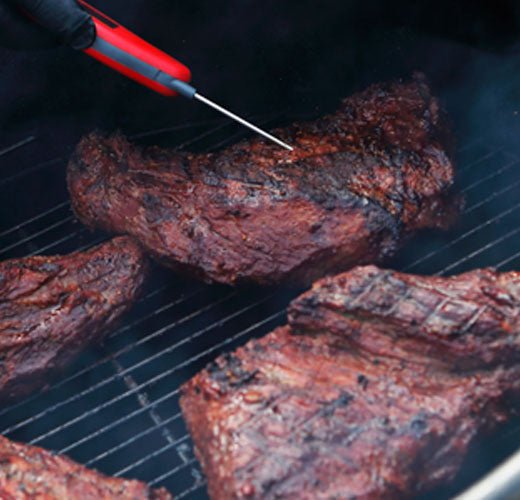
Use a meat thermometer to check the temperature. Insert it into the thickest part of the meat. The ideal internal temperature for ribs is 190°F to 203°F. This range ensures the collagen has melted, making the ribs tender.
The Bend Test
Pick up the ribs with tongs. Hold them from the center. The ribs should bend easily and the meat should crack slightly. This is a reliable sign that they are ready to enjoy.
Finishing Touches
Finishing touches can make or break your ribs after the long cooking process on a charcoal grill. These final steps enhance flavor, texture, and presentation, turning good ribs into unforgettable ones. Paying attention to details like when to add sauce or how long to rest can elevate your grilling game significantly.
Adding Sauce At The Right Time
Applying sauce too early causes it to burn and turn bitter, ruining your ribs' flavor. Wait until the last 10-15 minutes of cooking to brush on your barbecue sauce. This brief caramelizing time adds a glossy, sticky finish without scorching the sugars in the sauce.
If you prefer a saucier rib, add multiple thin layers during those final minutes rather than one thick coat. This builds flavor without risking flare-ups or burnt spots. Have you ever tasted ribs with that perfect balance of smoky meat and sweet sauce? Timing is the secret.
Resting Your Ribs
After the grill, let your ribs rest for at least 10-15 minutes before cutting. Resting allows the juices to redistribute, keeping the meat moist and tender. Skipping this step often leads to dry, less flavorful ribs.
Wrap your ribs loosely in foil or place them on a warm plate during this rest period. This also helps maintain warmth without continuing to cook them. Think of resting as the pause that lets your hard work pay off on the first bite.
Serving Suggestions
How you serve your ribs can enhance the entire meal experience. Pair them with simple sides like coleslaw, grilled corn, or baked beans to complement the smoky flavors. Don’t forget to provide plenty of napkins—ribs can get messy but that’s part of the fun!
For a touch of freshness, add a squeeze of lemon or sprinkle chopped herbs like cilantro or parsley just before serving. This contrast brightens the rich, smoky taste and adds a pop of color. What sides or garnishes do you find bring out the best in your grilled ribs?
Common Mistakes To Avoid
Cooking ribs on a charcoal grill can be tricky. Many beginners make mistakes that affect taste and texture. Avoiding common errors helps you get tender, juicy ribs every time. Focus on these key areas for better grilling results.
Overcooking Or Undercooking
Ribs need the right cooking time to stay tender. Overcooking makes them dry and tough. Undercooking leaves them chewy and hard to eat. Check ribs often and watch for meat pulling away from bones. Use a meat thermometer to get perfect doneness.
Ignoring Temperature Fluctuations
Charcoal grills can change temperature quickly. Too hot, and ribs burn outside but stay raw inside. Too low, and ribs take too long to cook. Adjust vents and add charcoal carefully to keep a steady heat. Consistent temperature ensures even cooking.
Skipping Rest Time
Resting ribs after grilling is crucial. It lets juices redistribute inside the meat. Cutting ribs too soon causes juices to run out. Wrap ribs in foil and rest for 10 to 15 minutes. This step makes ribs juicy and flavorful.

Credit: cheflolaskitchen.com

Credit: www.reddit.com
Frequently Asked Questions
How Long Does It Take To Cook Ribs On Charcoal?
Cooking ribs on a charcoal grill usually takes 3 to 4 hours. Maintain a low heat of about 225°F. Slow cooking ensures tender, flavorful ribs with a smoky taste.
What Is The Best Temperature For Grilling Ribs?
The ideal temperature for grilling ribs is around 225°F to 250°F. This low and slow heat breaks down connective tissues, making ribs tender and juicy without burning.
Should Ribs Be Wrapped While Grilling On Charcoal?
Wrapping ribs in foil during grilling helps retain moisture and speeds up cooking. Wrap after 2 hours, then grill unwrapped for a smoky crust in the last hour.
How Can I Tell When Ribs Are Done?
Ribs are done when the meat pulls away from the bones easily. Internal temperature should reach 190°F to 203°F. A gentle bend test also indicates tenderness.
Conclusion
Cooking ribs on a charcoal grill takes time and patience. Plan for about 3 to 5 hours, depending on the heat and rib size. Keep the grill temperature steady and use indirect heat. Check ribs often to avoid burning. The meat should be tender and juicy when done.
Follow these tips for tasty, well-cooked ribs every time. Enjoy your grilling experience and share great meals with friends. Practice makes perfect. Keep trying, and you will improve!