Grilling the perfect ribeye steak can feel like a challenge, especially when you want it just right—juicy, tender, and full of flavor. You might be wondering, how long should you cook ribeyes on a gas grill to get that ideal sear without overcooking?
Getting the timing right is key to turning your steak from good to unforgettable. In this guide, you’ll discover simple tips and exact cooking times that make your ribeye the star of every barbecue. Ready to impress your friends and satisfy your taste buds?
Let’s dive in.
Choosing The Right Ribeye
Choosing the right ribeye sets the foundation for a perfect grilled steak. The cut you pick influences the cooking time and flavor more than you might expect. Understanding what makes a ribeye great helps you get the best results on your gas grill.
Thickness Matters
Thickness is one of the first things to check. A thicker ribeye takes longer to cook but offers a juicy, tender bite. Thin steaks cook quickly but can dry out if you’re not careful.
Think about your grill time and how you like your steak cooked. If you want a medium-rare center, a 1.5 to 2-inch thick ribeye is a good choice. It gives you enough room to develop a crispy crust without overcooking the inside.
Have you noticed how a thinner steak cooks faster but leaves less margin for error? That’s why many grill masters prefer a thicker cut—it’s more forgiving.
Marbling And Quality
Marbling means the streaks of fat within the meat. This fat melts during cooking and adds flavor and tenderness. Look for ribeyes with even, fine marbling for the best taste.
Higher quality grades like USDA Prime or Choice usually have better marbling. This can make a big difference when grilling because the fat helps keep the steak moist.
Next time you pick a ribeye, don’t just grab any steak. Check the marbling closely. It’s the hidden secret to a juicy, flavorful ribeye that will impress at your next barbecue.
Preparing The Grill
Preparing your gas grill properly sets the stage for perfectly cooked ribeye steaks. It’s about more than just turning the knobs—attention to detail here can make a big difference in flavor and texture. Taking the time to preheat and set heat zones correctly ensures your ribeyes get the right sear and cook evenly.
Preheating Tips
Start by opening your grill lid and turning all burners to high. Let the grill heat up for at least 10 to 15 minutes until it reaches around 450°F to 500°F. This high temperature creates the perfect environment for a nice crust on your ribeyes.
Don’t rush this step—grilling on a cold surface can cause your steak to stick and cook unevenly. I once skipped proper preheating and ended up with tough, unevenly cooked meat. Preheating prevents that and locks in juices for a tender bite.
Setting Up Heat Zones
Creating heat zones means dividing your grill into at least two areas: a direct high-heat zone and an indirect lower-heat zone. Turn one or two burners on high for searing, and leave the other burners off or on low for finishing the steaks.
This setup gives you control. Sear your ribeye quickly over the hot side, then move it to the cooler zone to cook through without burning. Have you tried flipping your steak between heat zones yet? It’s a game-changer for achieving the perfect medium-rare.
- High-heat zone:For searing and caramelizing the meat’s surface.
- Low-heat zone:For gently cooking the inside to desired doneness.
Seasoning Your Steak
Seasoning your ribeye steak is key to boosting its natural flavor. A good seasoning method highlights the beef's richness and adds a tasty crust during grilling.
Simple seasonings work best for ribeyes. They let the meat shine without overpowering it. Whether using just salt and pepper or adding extra herbs and spices, seasoning transforms each bite.
Simple Salt And Pepper
Salt and pepper are classic choices for ribeye steaks. Coarse salt draws out the meat's juices and enhances flavor. Freshly ground black pepper adds a mild heat and aroma.
Sprinkle salt and pepper evenly on both sides. Let the steak rest for 30 minutes at room temperature. This helps the seasoning soak in and the steak cook evenly.
Using Marinades And Rubs
Marinades add moisture and infuse extra flavors into the steak. Common ingredients include olive oil, garlic, soy sauce, and herbs. Soak the ribeye for 30 minutes to 2 hours.
Dry rubs combine spices and herbs in a powder form. They create a flavorful crust when grilled. Popular rub ingredients are paprika, garlic powder, onion powder, and cayenne pepper.
Apply rubs generously and press into the meat. Let the steak rest for at least 30 minutes before grilling.

Credit: www.thekitchn.com
Cooking Times By Thickness
Cooking ribeye steaks on a gas grill requires attention to thickness. The thicker the steak, the longer it takes to reach the perfect doneness. Knowing the right cooking time helps you avoid undercooked or overdone meat, ensuring every bite is juicy and flavorful.
1-inch Ribeye
A 1-inch ribeye cooks quickly and is ideal for those who prefer a fast grilling session. Grill over medium-high heat for about 4-5 minutes per side for medium-rare. If you like it more done, add a minute or two per side, but watch closely to avoid drying out the steak.
Remember to let the steak rest for 5 minutes after grilling. This helps the juices redistribute, keeping the meat tender. Ever noticed how a rested steak tastes richer? That’s why this step is key.
1.5-inch Ribeye
Thicker steaks like the 1.5-inch ribeye need a bit more time and care. Start with 5-6 minutes per side on medium-high heat for medium-rare doneness. Using a meat thermometer is a smart move here—aim for an internal temperature of 130-135°F.
Don’t be afraid to use indirect heat after searing if the steak is browning too fast. This method lets the center cook evenly without burning the outside. Have you tried this technique? It can save your steak from becoming a charcoal casualty.
2-inch Ribeye
For a 2-inch thick ribeye, patience is your best friend. Sear each side for 4-5 minutes over direct heat, then move the steak to indirect heat to finish cooking. Expect about 10-15 minutes on indirect heat to reach medium-rare.
Investing in a reliable instant-read thermometer pays off here. Check frequently to prevent overshooting your desired doneness. Do you prefer your steak rare or medium? Adjust the times accordingly but keep the resting period consistent to lock in juices.
Grill Techniques For Juicy Steaks
Ribeye steaks cook best on a gas grill at medium-high heat for about 4-5 minutes per side. Rest the steak for a few minutes after grilling to keep it juicy and tender. Adjust cooking time based on thickness and desired doneness.
Grilling ribeye steaks on a gas grill can feel like an art form. To achieve that mouthwatering juiciness and flavor, mastering a few key techniques is essential. The difference between a good steak and a great one often lies in how you handle the grill.
Searing For Flavor
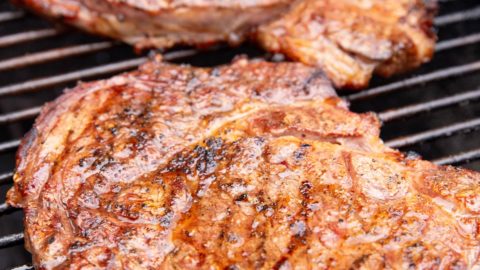
Searing locks in the juices and creates a delicious crust on your ribeye. Start by preheating your gas grill to a high temperature. Place the steaks directly over the flame for about 2 to 3 minutes per side. Don't be afraid to let the grill marks form; these are indicators of a good sear. Listen for that sizzle when the steak hits the grill—it’s the sound of flavor being created. Just remember to flip only once to maintain the juices.
Using Indirect Heat
After searing, move your ribeyes to a cooler part of the grill to finish cooking. This indirect heat allows the steak to cook evenly without burning the exterior. Close the lid and let the steaks reach your desired doneness, usually another 6 to 8 minutes depending on thickness. Use a meat thermometer to ensure precision—medium-rare is typically around 135°F. If you’re unsure, trust the thermometer over your instincts. Letting the steak rest for a few minutes before serving will further enhance its juiciness. What grilling techniques do you find most effective for achieving juicy steaks? Try these methods and take your ribeyes to the next level.
Checking Steak Doneness
Knowing when your ribeye is perfectly cooked can be tricky. The right doneness brings out the best flavors and texture, making your grilling efforts worthwhile. Checking steak doneness ensures you serve a juicy, tender steak every time without cutting into it too early or overcooking it.
Using A Meat Thermometer
A meat thermometer is the most accurate way to check your ribeye’s doneness. Insert the probe into the thickest part of the steak, avoiding bone or fat for a true reading.
Here are the temperature targets for ribeye doneness:
- Rare:120-125°F (49-52°C)
- Medium Rare:130-135°F (54-57°C)
- Medium:140-145°F (60-63°C)
- Medium Well:150-155°F (65-68°C)
- Well Done:160°F+ (71°C+)
I once trusted only timing, but after checking with a thermometer, I realized my steaks were overdone. Using a thermometer saves guesswork and guarantees consistency, especially when grilling multiple steaks at once.
Touch Test Method
If you don’t have a meat thermometer handy, the touch test is a useful skill. It involves comparing the firmness of your steak to different parts of your hand.
Try this:
- Touch your thumb to your index finger and feel the fleshy area below your thumb — this is how a rare steak feels.
- Touch your thumb to your middle finger for medium-rare firmness.
- Touch your thumb to your ring finger for medium doneness.
- Touch your thumb to your pinky for well done.
Practice this method alongside a thermometer to train your fingers. It’s perfect for quick checks when you’re busy flipping steaks and want to avoid poking holes repeatedly.
How often do you rely on touch versus temperature to judge your steak? Mastering both can give you confidence and control on the grill.
Resting Your Ribeye
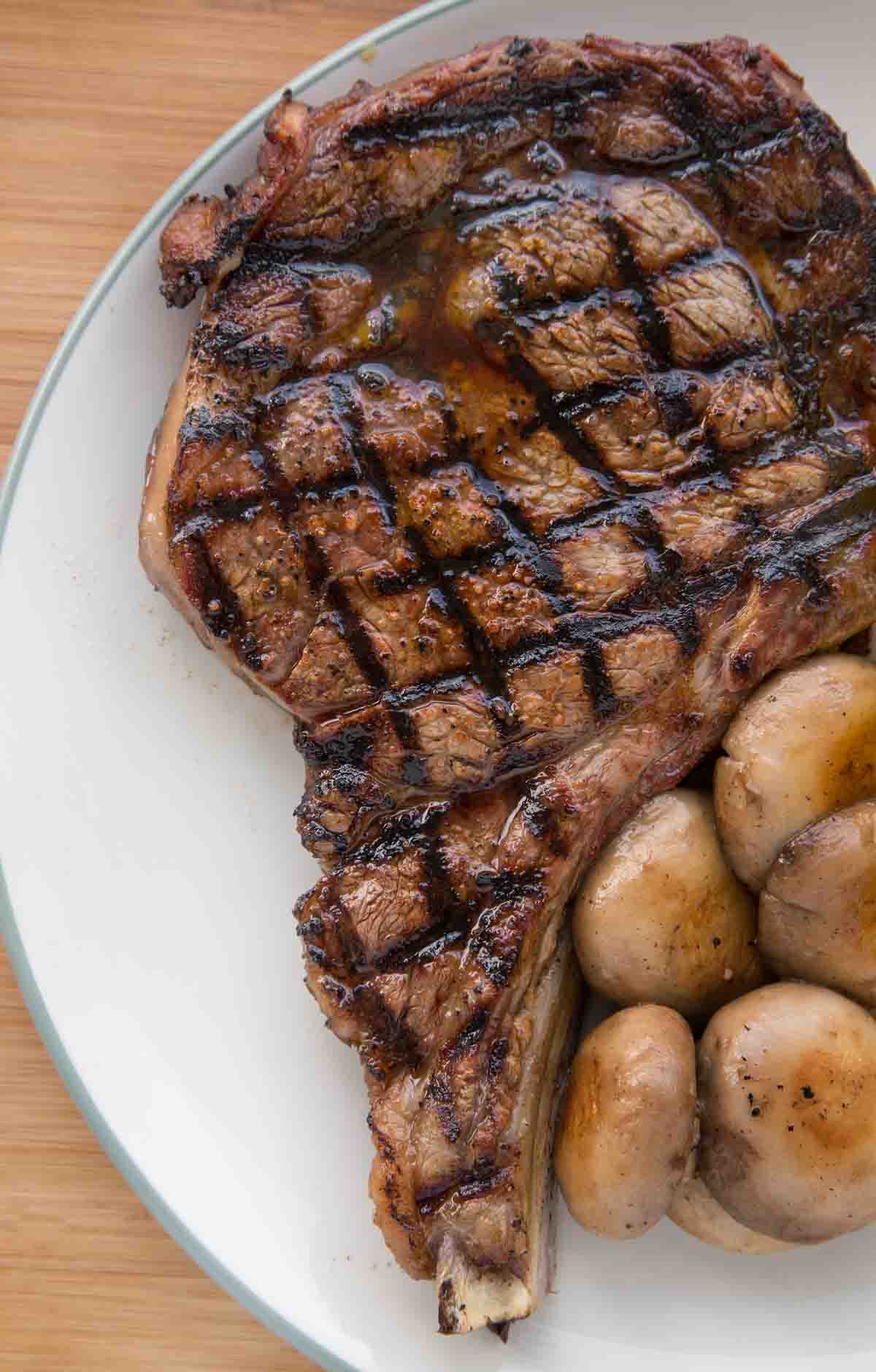
Resting your ribeye steak after grilling is a key step for juicy results. It lets the meat relax and the juices spread evenly. Skipping this step can cause all the flavorful juices to spill out when you cut the steak.
Why Resting Matters
Resting allows the muscle fibers to soften. This process keeps the steak tender and juicy. Without resting, the juices rush out and leave the meat dry. Resting also helps the temperature even out inside the steak. This creates a better taste and texture.
How Long To Rest
Rest your ribeye for about 5 to 10 minutes. This time is enough for the juices to settle. Cover the steak loosely with foil to keep it warm. Avoid wrapping tightly, which can make the crust soggy. Letting it rest too long can cool the steak down.
Credit: www.askchefdennis.com
Serving Suggestions
Serve ribeye steaks hot off the gas grill for the best taste. Let them rest a few minutes before slicing to keep juices inside. Pair with simple sides like grilled vegetables or a fresh salad.
Cooking ribeyes on a gas grill can bring out their rich flavors. After grilling, the right sides and toppings can elevate your meal. Offering a variety of accompaniments can enhance the steak's taste and presentation. Here are some serving suggestions to consider.
Simple Sides
Pair ribeyes with classic sides. Grilled vegetables work well. Try asparagus or bell peppers for color. A fresh salad can add crunch. Mixed greens with a light vinaigrette offer balance. Roasted potatoes are another favorite. They soak up steak juices beautifully. Consider corn on the cob for a sweet touch.
Sauces And Toppings
Enhance your ribeye with sauces. A simple garlic butter can be delightful. It melts over the steak, adding richness. Chimichurri offers a fresh, herby kick. Made with parsley, garlic, and olive oil, it brightens flavors. For a creamy option, try a blue cheese sauce. Its boldness pairs nicely with the meat's depth. Sautéed mushrooms also make a great topping. They bring an earthy flavor to the dish.
Common Mistakes To Avoid
Grilling the perfect ribeye requires more than just placing the steak on the grill. Avoiding common mistakes can make the difference between a juicy, flavorful steak and a dry, tough one. Let’s explore some pitfalls that often catch grillers off guard and how you can steer clear of them.
Overcooking
One of the biggest mistakes is overcooking your ribeye. It’s easy to get distracted or assume that longer cooking equals better results. But ribeyes cooked past medium rare often lose their juiciness and tender texture.
Use a meat thermometer to check the internal temperature. Aim for around 130°F for medium rare and pull the steak off the grill a few degrees before it hits your target, as it will continue to cook while resting.
Ask yourself: Are you really giving your steak enough rest time? Cutting into it too soon lets all those flavorful juices escape.
Not Preheating Properly
Skipping or rushing the preheating process is another common error. A gas grill needs to reach a high, steady temperature before you add the steak.
If you place the ribeye on a cool or unevenly heated grill, it won’t sear properly, which means you miss out on that delicious crust. This also increases the chance of sticking and uneven cooking.
Give your grill at least 10-15 minutes to heat up, and always clean the grates before placing your steak. You want a hot surface that cooks quickly and seals in the flavors.
Credit: www.theroastedroot.net
Frequently Asked Questions
How Long To Grill Ribeye For Medium Rare?
Grill ribeye for 4-5 minutes per side on high heat. Aim for an internal temperature of 130°F. Let it rest 5 minutes before serving for juicy, tender results.
What Is The Ideal Grill Temperature For Ribeyes?
Preheat your gas grill to high, around 450°F to 500°F. This ensures a good sear and locks in flavors while cooking the ribeye evenly.
How To Tell When Ribeye Is Perfectly Cooked?
Use a meat thermometer to check internal temperature. Medium rare is 130°F, medium is 140°F. Also, the steak should feel firm but springy.
Should Ribeye Steaks Rest After Grilling?
Yes, rest ribeye for 5-10 minutes after grilling. This allows juices to redistribute, making the steak more flavorful and tender.
Conclusion
Grilling ribeyes on a gas grill takes attention and timing. Cook times depend on thickness and heat level. Aim for a nice sear and juicy inside. Turn steaks carefully to avoid burning. Use a meat thermometer for best results. Rest the meat a few minutes before serving.
This helps juices stay inside. Enjoy your flavorful, tender ribeye every time. Simple steps lead to great grilled steaks. Keep practicing to find your perfect cook time.