Grilling the perfect ribeye steak can feel like a challenge, especially when you’re using a gas grill. You want that juicy, tender bite with just the right amount of char.
But how long should you really cook your ribeye steak on a gas grill to get it just right? If you’ve ever guessed and ended up with steak that’s too rare or too tough, you’re not alone. You’ll discover simple timing tips and tricks that make your ribeye turn out mouthwateringly delicious every time.
Keep reading, and you’ll never worry about overcooking or undercooking your steak again.

Choosing The Right Ribeye Steak
Choosing the right ribeye steak sets the foundation for a delicious grilled meal. The cut you select affects taste, texture, and cooking time. Knowing what to check helps pick the best steak for your gas grill.
Thickness And Weight
Thickness impacts how long the steak cooks. Thicker steaks need more time over the grill. Thin cuts cook quickly but can dry out easily. Weight often relates to thickness and size. Aim for steaks about 1 to 1.5 inches thick for even grilling.
Marbling And Quality
Marbling means the white fat streaks inside the meat. More marbling adds flavor and juiciness. Look for steaks with fine, evenly spread marbling. Higher quality grades, like USDA Choice or Prime, usually have better marbling. These steaks stay tender after grilling.
Room Temperature Prep
Let the steak sit at room temperature before grilling. This step helps it cook evenly. Take the steak out of the fridge about 30 minutes before cooking. Pat it dry with paper towels to remove moisture. Dry steaks sear better and form a nice crust.
Preparing Your Gas Grill
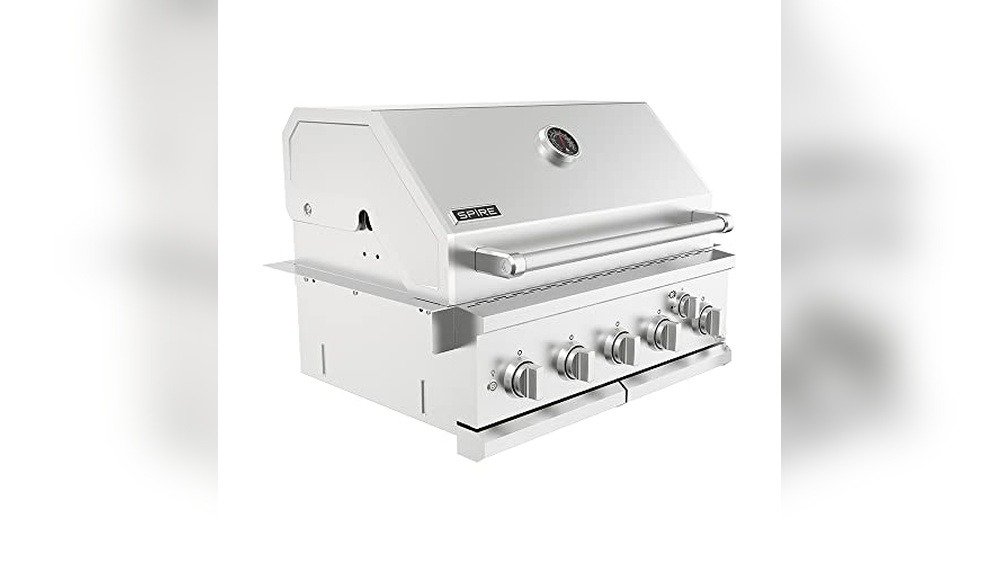
Preparing your gas grill properly is key to cooking a perfect ribeye steak. A well-prepared grill ensures even cooking and rich, smoky flavor. Take time to set up your grill before placing the steak on it. This process includes preheating, setting different heat zones, and cleaning the grill grates. Each step impacts the final taste and texture of your ribeye.
Preheating The Grill
Preheating warms the grill to the right temperature for cooking. Turn on all burners and close the lid. Let the grill heat for 10 to 15 minutes. Aim for a temperature between 450°F and 500°F. This high heat sears the steak, locking in juices and flavor.
Setting Temperature Zones
Create two temperature zones on the grill. One side should be hot for searing. The other side should have medium heat for slower cooking. This setup helps control how fast your steak cooks. Move the steak between zones to avoid burning or undercooking.
Cleaning And Oiling The Grates
Clean grates prevent sticking and flare-ups. Use a grill brush to scrape off old food and residue. After cleaning, oil the grates with a paper towel dipped in cooking oil. Use tongs to rub the oil on the grates. This step helps the steak release easily and adds grill marks.
Cooking Times For Ribeye Steak
Cooking ribeye steak on a gas grill requires attention to timing. The thickness of the steak and grill heat affect the cooking time. Knowing how long to cook ribeye helps achieve the perfect doneness. Here is a simple guide to cooking times for various levels of doneness.
Rare To Medium-rare
For rare ribeye, grill the steak for about 4 minutes per side. The internal temperature should reach 120-125°F (49-52°C). Medium-rare takes a bit longer, around 5 minutes per side. Aim for 130-135°F (54-57°C) inside. These times give a juicy, tender steak with a warm, red center.
Medium To Medium-well
Medium steaks cook for roughly 6 minutes on each side. The inside temperature should be 140-145°F (60-63°C). Medium-well requires 7 minutes per side or until the temperature hits 150-155°F (65-68°C). The steak will be firmer with a light pink center in these ranges.
Well-done Options
Well-done ribeye needs the most time on the grill. Cook for about 8 minutes or more per side. The internal temperature should reach 160°F (71°C) or higher. The steak will be brown throughout and have little to no pink inside.

Grilling Techniques For Best Results
Grilling a ribeye steak on a gas grill takes more than just placing it on the heat. The right techniques ensure a juicy, flavorful steak. This section covers key grilling tips to get the best taste and texture. Understanding heat zones, flipping timing, and using a thermometer will improve every cook.
Direct Vs Indirect Heat
Direct heat means placing the steak right over the flame. This cooks the outside fast and creates a nice crust. Indirect heat means cooking the steak next to the flame, not directly above it. This method cooks the steak gently and evenly.
Start with direct heat to sear the steak for 2-3 minutes per side. Then move it to indirect heat to finish cooking. This combination gives a crispy outside and a tender inside.
Flipping And Timing
Flip the ribeye only once or twice during grilling. Too many flips stop the steak from browning properly. Cook each side for 4-5 minutes for medium-rare. Adjust time for thicker or thinner steaks.
Let the steak rest after grilling for 5 minutes. This helps the juices spread inside and keeps the meat moist.
Using A Meat Thermometer
A meat thermometer helps cook the steak to the right doneness. Insert it into the thickest part of the steak. For medium-rare, aim for 130°F (54°C). Medium is 140°F (60°C), and well-done is 160°F (71°C).
Checking the temperature avoids overcooking. It guarantees a perfect steak every time.
Resting And Serving
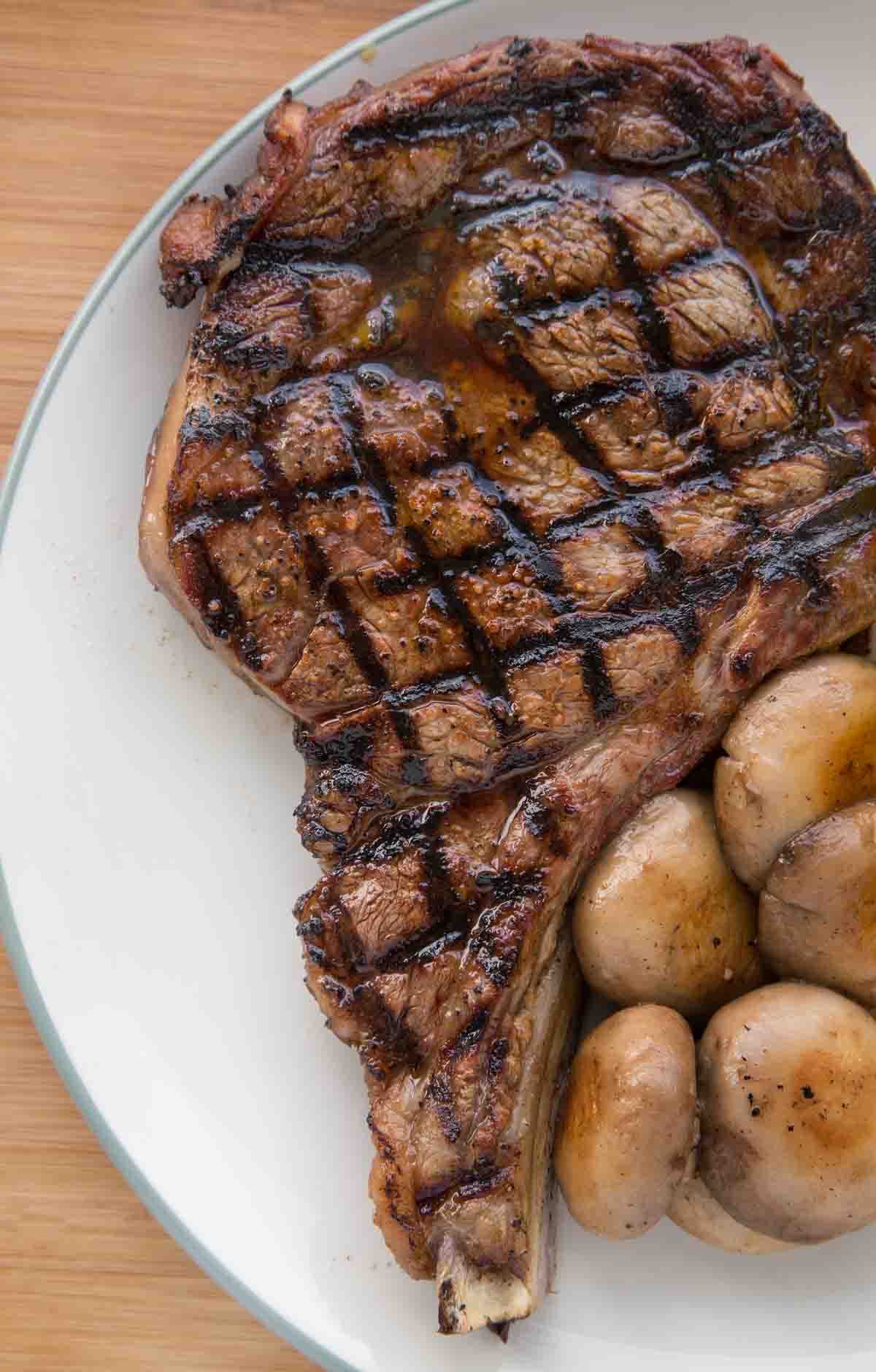
Resting ribeye steak for a few minutes after grilling lets juices settle inside. Serving right after resting keeps the steak juicy and tender. This simple step improves flavor and texture.
Resting a ribeye steak is crucial after grilling. This step ensures a juicy and flavorful bite. The resting period allows juices to redistribute. It enhances tenderness and taste.
Rest Time Importance
Allow the steak to rest for 5-10 minutes. This short wait makes a big difference. Cutting too early leads to dry meat. The juices will run out. Resting keeps them inside the steak.
Carving Tips
Use a sharp knife for clean cuts. Slice against the grain. This makes the meat tender. Avoid sawing back and forth. A smooth, single motion works best. Keep slices even for uniform cooking.
Serving Suggestions
Serve the ribeye with simple sides. Grilled vegetables complement well. A fresh salad adds a crisp texture. Consider a light garlic butter sauce. It enhances the steak's rich flavor. Offer a variety of dipping sauces for extra taste.
Common Mistakes To Avoid
Cooking a ribeye steak on a gas grill can be incredibly satisfying, but there are some common mistakes that can easily ruin your results. Avoiding these pitfalls will help you achieve a perfectly cooked steak that’s juicy and flavorful every time. Let’s look at the key errors you should watch out for to make your grilling experience a success.
Overcooking
One of the biggest mistakes is overcooking your ribeye. A thick steak can go from perfectly pink to dry and tough in just a minute or two. Have you ever pulled your steak off the grill only to find it’s more well-done than you wanted? Using a meat thermometer can save you from this by ensuring you hit the ideal internal temperature.
Keep in mind that the steak will continue to cook slightly after you remove it from the grill. So, taking it off just before it reaches your target temperature is key. This small timing adjustment can make all the difference.
Underseasoning
It’s easy to underestimate how much seasoning a ribeye needs. The steak’s rich flavor stands up well to bold seasoning, so don’t be shy. A simple mix of salt and pepper applied generously before grilling can enhance the natural taste beautifully.
Have you ever tasted a steak that felt bland despite looking perfectly cooked? That’s often because it was underseasoned. Try seasoning your ribeye at least 40 minutes before grilling, or even overnight in the fridge, to allow the flavors to penetrate deeply.
Skipping Rest Period
Patience is crucial after grilling your ribeye. Many rush to cut into the steak immediately, which causes the juices to spill out and results in a dry bite. Letting the steak rest for about 5 to 10 minutes allows the juices to redistribute evenly.
Think about it this way: Would you slice a roast right after taking it out of the oven? Probably not. The same rule applies here. Resting your ribeye ensures each bite is juicy and tender, making the wait well worth it.
Frequently Asked Questions
How Long To Grill Ribeye For Medium Rare?
Grill ribeye steak for 4-5 minutes per side over high heat. Use a meat thermometer; 130°F indicates medium rare. Rest steak 5 minutes before serving for juicy results.
What Is The Ideal Gas Grill Temperature For Ribeye?
Preheat your gas grill to 450°F-500°F. High heat sears the steak, locking in juices. Maintain this temperature for perfect crust and tender inside.
Should Ribeye Steak Be Cooked With Lid Open Or Closed?
Cook ribeye with the grill lid closed. This traps heat evenly and cooks the steak faster. It also helps achieve consistent doneness throughout the meat.
How Thick Should Ribeye Steak Be For Grilling?
Choose ribeye steaks around 1 to 1. 5 inches thick. This thickness allows proper searing and even cooking without drying out the steak.
Conclusion
Grilling ribeye steak on a gas grill takes patience and care. Cook times vary by steak thickness and heat level. Use a meat thermometer for best results. Aim for 4-6 minutes per side for medium-rare. Let the steak rest before cutting to keep it juicy.
Enjoying a perfectly grilled ribeye is simple with these tips. Your next meal will be tender, flavorful, and just right. Keep practicing to find your ideal cooking time and taste.