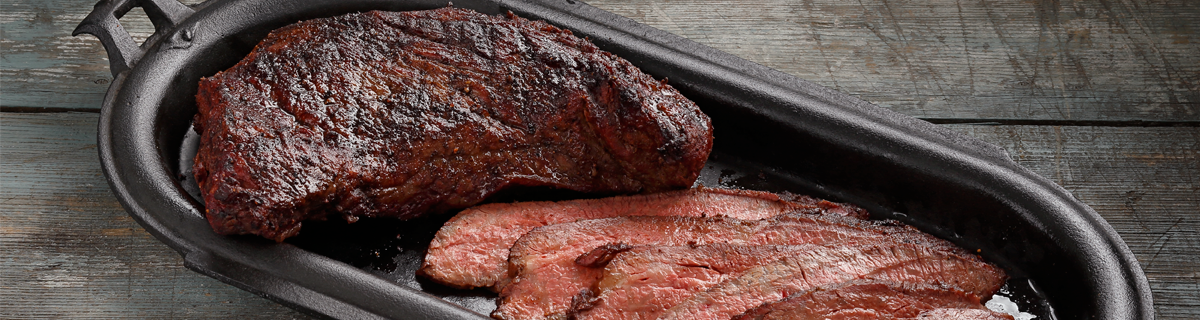
You’re about to fire up your charcoal grill, ready to cook the perfect ribeye steak. But how long should you actually cook it to get that juicy, tender bite you crave?
Cooking steak on charcoal isn’t just about throwing it on the grill—it’s about timing it just right. Too short, and it’s undercooked; too long, and you risk drying it out. You’ll discover exactly how long to cook your ribeye steak on a charcoal grill to achieve mouthwatering results every time.
Keep reading, and soon you’ll impress yourself—and your guests—with a steak that’s grilled to perfection.
Choosing The Right Ribeye Cut
Choosing the right ribeye cut sets the foundation for a perfect steak on your charcoal grill. The quality of the meat influences not only the cooking time but also the flavor and tenderness. Knowing what to look for helps you get the best results every time you fire up the grill.
Thickness And Marbling
Thickness affects how long you’ll need to cook your ribeye. Thicker cuts, around 1.5 to 2 inches, require more time over the coals to reach your desired doneness without burning the outside.
Marbling refers to the white streaks of fat running through the meat. More marbling means more flavor and juiciness. When you pick a ribeye with good marbling, you’re choosing a steak that stays tender and rich during grilling.
Think about your grill setup. Do you have steady, even heat? This impacts how you manage cooking thicker or thinner cuts. Have you noticed how a well-marbled steak behaves differently on the grill compared to a leaner one?
Fresh Vs. Aged Ribeye
Fresh ribeye is vibrant and has a firmer texture. It cooks quickly and delivers a clean, beefy flavor. You’ll want to monitor it closely to avoid overcooking.
Aged ribeye, either dry-aged or wet-aged, offers a deeper, more complex flavor. Dry-aged steaks develop a nutty, almost cheesy aroma that enhances the grilling experience. Wet-aged steaks stay juicy and tender but with a milder flavor boost.
Consider how the aging process affects cooking time. Aged steaks often cook a bit faster due to moisture loss. Have you tried both types and noticed a difference in how they respond to charcoal grilling?
Preparing Your Charcoal Grill
Preparing your charcoal grill properly is essential for cooking the perfect ribeye steak. The right setup ensures even heat distribution and helps you control the cooking process with precision. Before you place your steak on the grill, take time to get your charcoal ready and the temperature just right.
Setting Up For Direct Heat
Direct heat is key for searing a ribeye steak, creating that delicious crust while locking in juices. Arrange your charcoal in a single, even layer at the bottom of the grill. Avoid piling the coals too high; you want steady, intense heat, not flare-ups.
Use a chimney starter to light your charcoal—it’s faster and more reliable than lighter fluid. Once the coals are glowing red with a thin layer of gray ash, spread them out evenly. This setup puts your steak right over the heat source for that perfect sear.
Achieving Optimal Temperature
Temperature control can make or break your steak. Aim for a grilling surface temperature of around 450°F to 500°F. You can check this by holding your hand about 5 inches above the grill grate—if you can only keep it there for 2-3 seconds, you’re in the right range.
Adjust the airflow using the grill’s vents to maintain this heat. Opening the vents increases oxygen flow, making the coals hotter. Closing them slows the burn, lowering the temperature. Don’t forget to keep the grill lid closed as much as possible to hold the heat steady.
Have you noticed how small adjustments to airflow change the grill’s heat? Practice with your setup until you feel confident controlling the temperature without guessing.
Seasoning Tips For Ribeye
Seasoning a ribeye steak is key to bringing out its rich, beefy flavor. The right seasoning enhances the meat without overpowering it. Simple ingredients often work best, letting the steak shine on the charcoal grill.
Freshly ground spices and herbs can create layers of taste. Experiment with different combinations to suit your palate. Keep the seasoning balanced and avoid heavy sauces that mask the natural flavor.
Simple Salt And Pepper
Salt and pepper remain the classic choice for ribeye. Coarse salt helps form a delicious crust on the grill. Freshly ground black pepper adds a mild heat and depth.
- Use kosher or sea salt for better texture.
- Season generously on both sides before grilling.
- Let the steak rest with salt for 30 minutes to absorb flavors.
This minimal approach respects the steak's natural taste and juices. It also creates a perfect base for any additional toppings or sauces after grilling.
Marinades And Rubs
Marinades add moisture and subtle flavors to ribeye. Use ingredients like olive oil, garlic, and herbs for a simple blend. Avoid acidic marinades for too long to protect the meat's texture.
- Mix olive oil, crushed garlic, rosemary, and thyme.
- Marinate for 30 minutes to 2 hours in the fridge.
- Pat dry before grilling to get a good sear.
Dry rubs offer a bold, crusty coating that locks in juices. Combine spices like paprika, cumin, and brown sugar for a smoky taste. Apply rubs just before grilling to keep them fresh and vibrant.
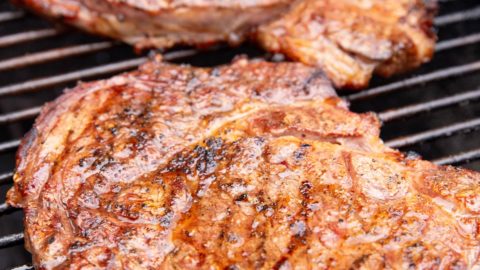
Credit: www.theroastedroot.net
Cooking Times For Ribeye Steak
Knowing the right cooking time for your ribeye steak on a charcoal grill is key to getting the perfect bite every time. Cooking times vary depending on how you like your steak done and the thickness of the cut. Understanding these factors helps you avoid undercooking or overcooking, which can ruin the flavor and texture.
Rare To Well-done Guide
Here’s a simple guide to grilling ribeye to your preferred doneness. Keep in mind that these times are for steaks about 1-inch thick over medium-high heat.
| Doneness | Internal Temperature (°F) | Grill Time (Minutes) |
|---|---|---|
| Rare | 120-125 | 4-5 (total, flipping halfway) |
| Medium Rare | 130-135 | 5-6 |
| Medium | 140-145 | 6-7 |
| Medium Well | 150-155 | 8-9 |
| Well Done | 160+ | 10+ |
Do you check the temperature with a meat thermometer or just go by the grill time? Using a thermometer can save you from guessing and ensures accuracy.
Adjusting For Steak Thickness
Thicker or thinner ribeye steaks need adjustments in cooking time. A 1.5-inch thick steak can take 1.5 times longer than a 1-inch steak to reach the same doneness.
For thinner cuts (around ¾ inch), reduce the time by about 25%. This prevents drying out the meat while still achieving your preferred doneness.
- Thicker than 1 inch:Increase grill time and check internal temperature more frequently.
- Thinner than 1 inch:Use shorter cooking periods and watch closely to avoid overcooking.
Have you ever ended up with a steak that was perfect on the outside but raw inside? Adjusting for thickness can fix that problem fast.
Grilling Techniques For Best Results
Cooking a ribeye steak on a charcoal grill is an art. Mastering the right techniques ensures juicy, flavorful results. Get ready to impress with perfectly grilled steak every time. Let's explore the best grilling techniques.
Searing And Flipping
Searing locks in the steak's flavors and juices. Place the steak directly over the hot coals. Allow it to sear for about 2-3 minutes. This creates a crispy, caramelized crust. Flip the steak with tongs, not a fork. Puncturing the meat can release juices. Sear the other side for another 2-3 minutes. Move the steak to a cooler part of the grill for even cooking.
Using A Meat Thermometer
A meat thermometer ensures perfect doneness. Insert it into the thickest part of the steak. For rare, aim for 125°F. Medium rare should reach 135°F. Medium requires about 145°F. Avoid overcooking for the best texture. Rest the steak for 5 minutes before serving. This allows juices to redistribute for a tender bite.

Credit: girlscangrill.com
Resting And Serving Your Steak
Resting and serving your ribeye steak are crucial steps after grilling. Proper resting lets the juices settle, making the steak tender and juicy. Serving it correctly enhances the flavors and the overall eating experience.
Importance Of Resting
Resting a ribeye steak after grilling stops the cooking process. The steak’s juices spread evenly inside. This keeps the meat moist and flavorful. Rest the steak for about 5 to 10 minutes. Cover it loosely with foil to keep it warm. Cutting the steak too soon causes juices to run out. This makes the meat dry and less tasty.
Serving Suggestions
Serve the ribeye steak sliced against the grain. This makes the meat easier to chew. Add simple sides like grilled vegetables or a fresh salad. A pat of butter or a drizzle of olive oil boosts flavor. Consider serving with classic sauces such as chimichurri or peppercorn sauce. Use warm plates to keep the steak hot longer. Fresh herbs like rosemary or thyme add aroma and color.
Common Grilling Mistakes To Avoid
Grilling a ribeye steak over charcoal can bring great flavor. Yet, certain errors often ruin the experience. Avoiding common grilling mistakes helps you cook the steak just right. This saves time and prevents frustration.
Overcooking
Overcooking dries out the ribeye and makes it tough. Keep an eye on the grill time. Use a meat thermometer to check the temperature. Aim for medium-rare to medium for the best texture. Let the steak rest after cooking to keep juices inside.
Insufficient Heat
Low heat causes the steak to cook unevenly. It may become dry or rubbery. Charcoal must be hot enough before placing the steak. A hot grill sears the meat quickly, locking in flavor. Wait until the coals are covered with white ash.
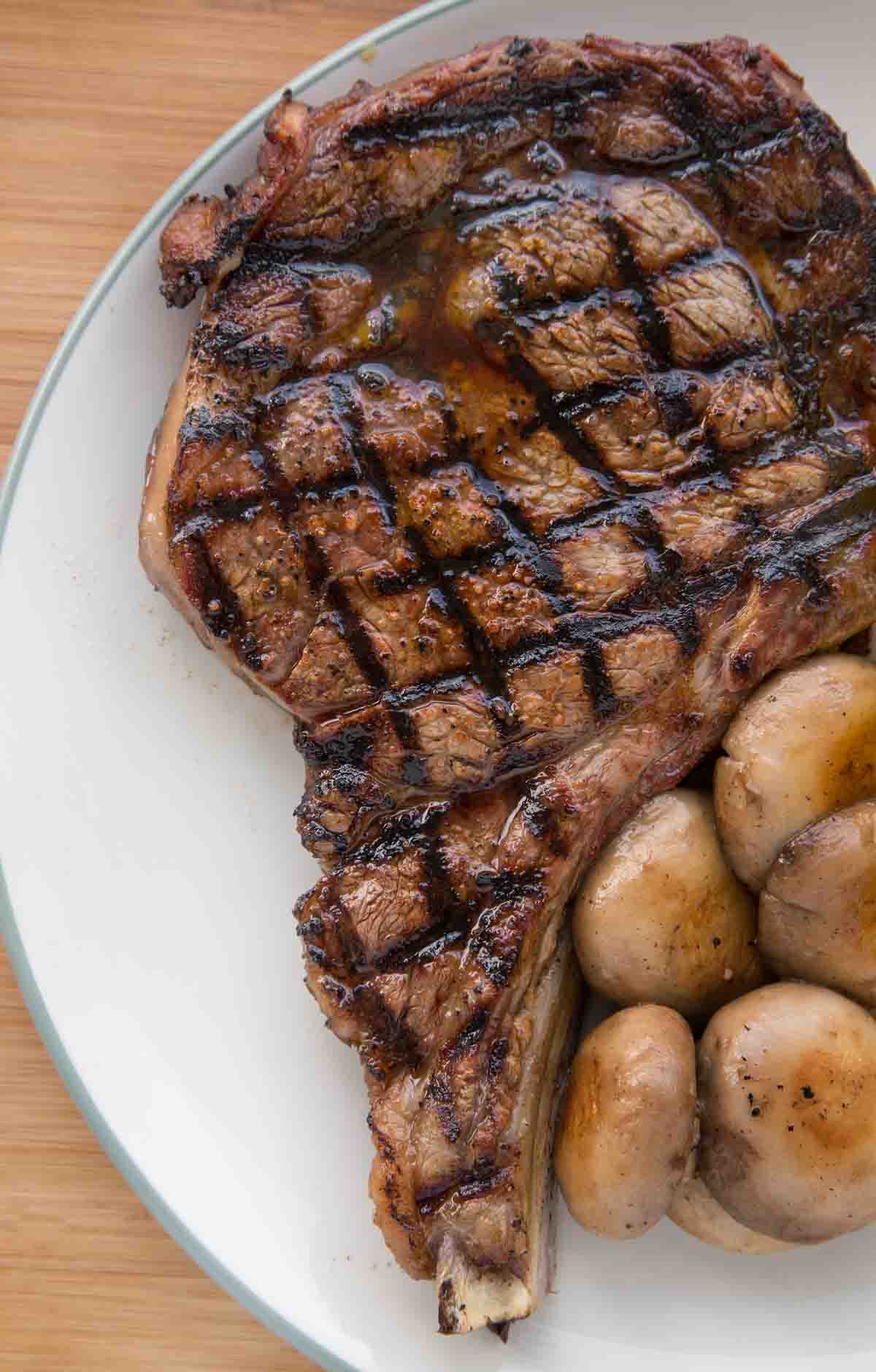
Credit: www.askchefdennis.com
Frequently Asked Questions
How Long To Cook Ribeye Steak On Charcoal Grill?
Cook ribeye steak 4-5 minutes per side for medium-rare. Adjust time by thickness and heat intensity. Use a meat thermometer for accuracy.
What Is The Ideal Internal Temperature For Ribeye Steak?
Aim for 130°F (54°C) for medium-rare ribeye. For medium, cook until 140°F (60°C). Rest steak 5 minutes before serving.
Should I Sear Ribeye Steak On Charcoal Grill First?
Yes, sear ribeye steak 2-3 minutes per side over high heat. This locks juices and creates a flavorful crust.
How To Prevent Ribeye Steak From Sticking To Grill?
Oil the grill grates and steak lightly. Preheat grill well. Flip steak only once to avoid sticking.
Conclusion
Grilling the perfect ribeye steak takes time and attention. Aim for 4-5 minutes per side over hot charcoal for medium-rare. Use a meat thermometer to check doneness. Let the steak rest before cutting to keep juices inside. Adjust cooking time based on thickness and heat.
Practice helps you get better every time. Enjoy the smoky flavor and tender texture of your ribeye. A simple method leads to great results on the grill. Keep these tips in mind for your next cookout.