If you’re planning to cook prime rib on your gas grill, you probably wonder: how long should you cook it to get that perfect, juicy flavor? Cooking prime rib can feel tricky, but with the right timing, you can impress your guests and enjoy a mouthwatering meal.
In this guide, you’ll discover exactly how long to cook your prime rib on a gas grill, plus tips to make it tender and delicious every time. Keep reading—you’re just a few steps away from grilling prime rib like a pro.
Choosing The Right Prime Rib
Choosing the right prime rib is key for a perfect grilled roast. The cut and size affect cooking time and flavor. Picking the best piece ensures juicy, tender results every time.
Selecting The Cut
Prime rib comes from the rib section of the cow. Look for a cut with good marbling. Fat within the meat adds flavor and keeps it moist during grilling. Choose a cut labeled "prime" or "choice" grade for better quality.
A bone-in prime rib roast offers more flavor. The bone helps keep the meat juicy and adds richness. Boneless roasts cook faster but may lose some taste and moisture.
Size And Weight Considerations
Prime rib size affects grilling time and serving portions. Typical roasts range from 3 to 7 pounds. Plan about one pound per person for a hearty meal.
Smaller roasts cook faster and suit small gatherings. Larger roasts take longer but serve more guests. Know your grill size to choose a roast that fits well.
Thicker roasts need more time on the grill at lower heat. Thinner cuts cook quickly but can dry out if overcooked. Balance size with cooking method for best results.
Preparing The Prime Rib
Preparing prime rib properly sets the stage for a delicious grilled meal. Taking time to trim and season the meat enhances flavor and texture, while bringing it to room temperature helps it cook evenly. These steps require attention but reward you with a perfectly cooked prime rib that impresses every time.
Trimming And Seasoning
Start by trimming excess fat from the prime rib, but leave a thin layer to keep the meat juicy during grilling. Removing thick fat caps ensures better smoke and seasoning penetration, which improves the overall taste.
Next, season generously with salt and pepper. You can add garlic powder, rosemary, or your favorite herbs for extra flavor. Press the seasoning into the meat so it sticks well.
Bringing To Room Temperature
Take the prime rib out of the refrigerator at least one hour before grilling. Allowing it to reach room temperature helps the meat cook more evenly and prevents the outside from overcooking while the inside warms up.
Have you noticed how cold meat can toughen when grilled? Warming it slightly avoids that problem and improves tenderness. Place the prime rib on a plate and keep it covered to avoid contamination.
Setting Up The Gas Grill
Setting up your gas grill correctly is key to cooking prime rib perfectly. It affects how evenly the meat cooks and how juicy it stays. Taking a few extra minutes to prepare your grill can make all the difference in the final result.
Preheating Techniques
Start by turning on your gas grill to high heat and close the lid. Let it preheat for about 15 minutes. This ensures the grill grates are hot enough to sear the meat and lock in flavor.
Make sure to clean the grates before preheating. A clean surface prevents sticking and flare-ups. You might be surprised how a quick brush can improve the sear and keep your prime rib intact.
Creating Indirect Heat Zones
Prime rib needs slow, even cooking, so set up indirect heat zones on your grill. Turn on burners on one side of the grill only, leaving the other side off. This creates a cooler area where the meat can roast without burning.
Place your prime rib on the side without direct flames. This way, the meat cooks gently, and the fat renders slowly, giving you a tender, juicy roast. Have you tried this before? You’ll notice the difference in texture right away.
Cooking Time Guidelines
Getting the cooking time right for prime rib on a gas grill can make all the difference between a juicy, tender roast and a dry, overcooked one. The key lies in understanding the right temperature to aim for and estimating the time based on your roast’s weight. Let’s break down these crucial guidelines to help you master grilling prime rib like a pro.
Temperature Targets
Setting the right internal temperature is essential. Here’s what you should look for based on your preferred doneness:
- Rare:120°F to 125°F (49°C to 52°C)
- Medium Rare:130°F to 135°F (54°C to 57°C)
- Medium:140°F to 145°F (60°C to 63°C)
- Medium Well:150°F to 155°F (65°C to 68°C)
- Well Done:160°F and above (71°C+)
Keep in mind, the prime rib will continue to cook slightly after you take it off the grill. So, pulling it off a few degrees below your target temperature is a smart move.
Time Per Pound Estimates
How long should you grill your prime rib? A good rule of thumb is about 15 to 20 minutes per pound at a medium heat setting (around 350°F). However, this can vary depending on the grill’s heat consistency and the size of your roast.
| Weight of Prime Rib | Approximate Cooking Time | Doneness Level |
|---|---|---|
| 4 pounds | 60 to 80 minutes | Medium Rare |
| 6 pounds | 90 to 120 minutes | Medium Rare |
| 8 pounds | 120 to 160 minutes | Medium Rare |
Have you ever timed your roast only to find it either undercooked or overdone? Using a meat thermometer is your best bet to avoid guessing. It’s worth investing in one if you want consistent, delicious results every time.
Monitoring Doneness
Monitoring Doneness Use a meat thermometer to check prime rib. Aim for 130°F for medium-rare, grilling about 12-14 minutes per pound. Adjust time based on grill temperature and rib size.
Monitoring the doneness of your prime rib on a gas grill is both an art and a science. It's crucial to ensure you achieve that perfect balance of juicy tenderness and robust flavor. This task can be daunting, but with the right tools and keen observation, you can master it.
Using A Meat Thermometer
A meat thermometer is your best friend when grilling prime rib. It gives you an accurate reading of the internal temperature, ensuring your meat is cooked to perfection. Insert the thermometer into the thickest part of the rib, avoiding bone and fat, to get an accurate reading. Aim for an internal temperature of 130°F for medium-rare, which is often the sweet spot for prime rib. Keep in mind that the temperature will rise slightly as the meat rests. This tool removes the guesswork and gives you confidence in your cooking.
Visual And Tactile Cues
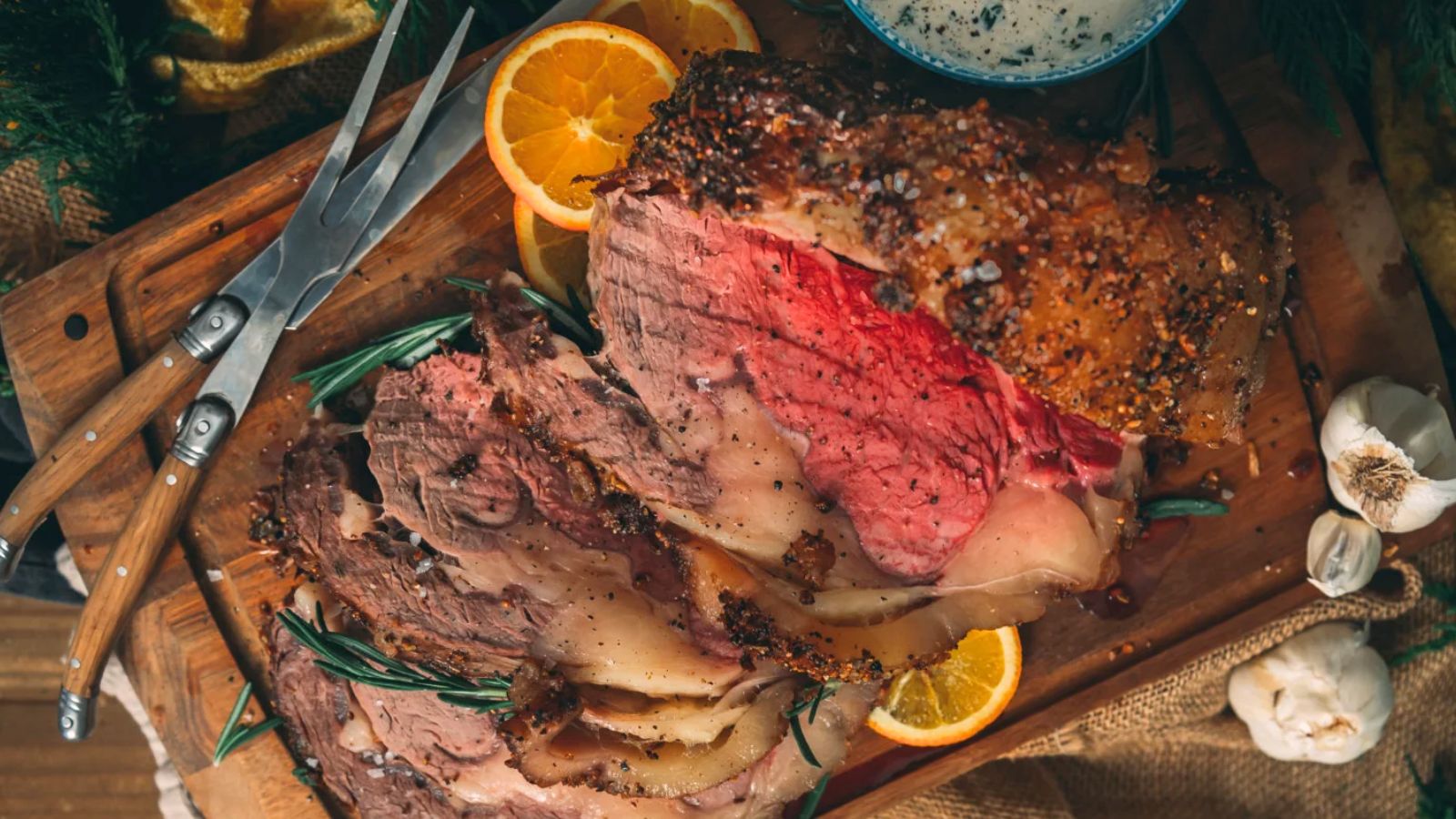
Beyond the thermometer, your senses can guide you. Observe the color of the meat; a beautiful, crusty brown exterior often indicates it's nearing readiness. The juices should run slightly pink for medium-rare. Touch can also be a reliable indicator. A prime rib that's medium-rare should feel tender but not too soft when pressed. It might sound unconventional, but getting hands-on with your grilling can be surprisingly effective. Does the idea of using senses and tools to gauge doneness resonate with you? Share your thoughts or experiences in the comments below.

Credit: www.americastestkitchen.com
Resting And Carving
After grilling your prime rib to perfection, the next crucial phase is resting and carving. This step can make or break the juicy texture and rich flavor you've worked hard to achieve. Taking the time to rest and carve properly ensures every bite is tender and satisfying.
Importance Of Resting
Resting allows the meat's juices to redistribute evenly. Cutting into your prime rib immediately causes these flavorful juices to spill out, leaving the meat dry.
Let your prime rib rest for at least 20 minutes, loosely covered with foil. This short wait improves moisture retention and enhances the overall taste.
Think about how often you've been disappointed by dry steak. Resting is a simple step that prevents that.
Best Carving Practices
Use a sharp carving knife to make clean, precise slices. A dull knife can tear the meat, affecting texture and presentation.
- Start by cutting along the bone to separate the rib.
- Slice against the grain to keep the meat tender.
- Cut portions about 1/2 inch thick, adjusting based on your preference.
Carving with care shows respect for the effort you put into grilling. Have you ever noticed how much more enjoyable a meal is when the slices are perfect?
Tips For Juicy Results
Getting juicy prime rib on a gas grill isn’t just about timing—it’s about technique. The right approach can make your roast tender and bursting with flavor every time. Let’s dive into some practical tips that will help you avoid common pitfalls and boost taste with simple marinades and rubs.
Avoiding Common Mistakes
One of the biggest mistakes is grilling prime rib at too high a temperature. This causes the outside to burn while the inside stays undercooked. Instead, use indirect heat and keep the grill around 250-275°F to cook evenly.
Don’t skip resting your meat after grilling. Cutting into it immediately lets all those precious juices run out. Let your prime rib rest for at least 20 minutes, covered loosely with foil, to lock in moisture.
Avoid poking or flipping the roast too often. Each time you open the lid, heat escapes, and the meat loses temperature. Trust the process, and turn only when necessary.
Enhancing Flavor With Marinades And Rubs
Marinades add moisture and flavor but keep them simple. A mix of olive oil, garlic, rosemary, and a splash of balsamic vinegar works wonders. Marinate for at least 4 hours, or overnight if you can.
Dry rubs are another fantastic way to boost flavor and create a crust. Use salt, black pepper, garlic powder, and smoked paprika for a classic taste. Rub generously and let the meat sit at room temperature for 30 minutes before grilling.
Wondering if you should baste the prime rib? Instead of sugary sauces, try brushing with melted butter infused with herbs during the last 15 minutes. This keeps the crust moist without burning.
Credit: girlcarnivore.com

Credit: www.youtube.com
Frequently Asked Questions
How Long Does Prime Rib Take On A Gas Grill?
Cooking prime rib on a gas grill takes about 15-20 minutes per pound. Use medium heat (350°F) and monitor internal temperature. Aim for 120°F for rare and 130°F for medium-rare. Rest the meat for 15 minutes before slicing to retain juices.
What Temperature Should Gas Grill Be For Prime Rib?
Set your gas grill to medium heat, around 350°F. This temperature allows even cooking and a crispy crust. Avoid high heat to prevent burning. Use a grill thermometer for accuracy and maintain consistent heat throughout the cooking process.
How Do I Check Prime Rib Doneness On A Grill?
Use a meat thermometer to check doneness. Insert it into the thickest part of the roast. For medium-rare, aim for 130°F internal temperature. Remove the prime rib when 5°F below target, as it will continue to cook while resting.
Should I Sear Prime Rib On A Gas Grill First?
Yes, sear prime rib on high heat for 5-7 minutes per side. This locks in juices and creates a flavorful crust. After searing, lower the heat to medium and continue cooking until desired doneness is reached.
Conclusion
Cooking prime rib on a gas grill takes time and care. Aim for steady heat and watch the meat closely. Use a meat thermometer to check the temperature. Rest the prime rib after cooking for juicier results. This method gives you tender, flavorful meat every time.
Enjoy your grilled prime rib with simple sides. Try it yourself and taste the difference. Cooking outdoors can be easy and fun. Keep practicing to find your perfect timing.