If you’ve ever wondered how long to cook prime rib in a rotisserie, you’re in the right place. Getting that perfect, juicy prime rib with a crispy crust can feel tricky.
But once you know the right timing and technique, you’ll impress everyone at your next meal. You’ll discover the exact cooking times and tips to make your prime rib turn out tender, flavorful, and cooked just the way you like it.
Keep reading, and you’ll soon master the art of rotisserie prime rib like a pro.
Choosing The Right Prime Rib
Choosing the right prime rib is the foundation of a successful rotisserie cooking experience. The quality and size of the meat directly affect cooking time and the final flavor. Spending time selecting the perfect cut will save you from common cooking frustrations.
Selecting Quality Meat
Look for prime rib that has a bright red color and fine marbling throughout the meat. Marbling means the fat is evenly distributed, which keeps the meat juicy and tender during cooking. Avoid cuts with dark spots or a dry surface; these can indicate older or lower-quality meat.
Ask your butcher about the grade of the prime rib. USDA Prime is the highest quality, but Choice can also work well if it has good marbling. Don’t hesitate to smell the meat—fresh prime rib should have a clean, slightly sweet aroma, not sour or off.
Size And Weight Considerations
Prime rib roasts come in various sizes, usually ranging from 4 to 10 pounds. The size you choose should match your rotisserie capacity and the number of people you plan to serve. A 6-pound roast is a great middle ground for most home cooks.
Keep in mind that larger roasts take longer to cook evenly on the rotisserie, so plan your cooking time accordingly. Do you have enough time for a slow, steady cook? If not, a smaller roast might be a better choice to avoid undercooking or overcooking.
Also, consider the bone-in versus boneless option. Bone-in prime rib often cooks more evenly and adds flavor but requires a bit more attention on the rotisserie. If you prefer ease of carving and quicker cook times, boneless might be your pick.
Preparing The Prime Rib
Preparing prime rib for the rotisserie is key to a delicious roast. Proper preparation ensures even cooking and enhances flavor. Take time to season and secure the meat well. These steps help achieve that tender, juicy prime rib everyone loves.
Seasoning Techniques
Start by patting the prime rib dry with paper towels. This helps the seasoning stick better. Use a mix of salt, pepper, and garlic powder for a simple, tasty rub.
- Apply salt evenly over the entire surface.
- Sprinkle pepper generously for a good crust.
- Rub in garlic powder for added aroma.
For deeper flavor, let the seasoned meat sit in the fridge for a few hours or overnight. This allows the spices to soak in fully.
Trussing For Rotisserie
Trussing keeps the prime rib compact and cooks it evenly on the rotisserie. Use kitchen twine to tie the roast securely.
- Start by tying one end of the roast tightly.
- Wrap the twine around the roast in even intervals.
- Tie the other end firmly to hold the shape.
Make sure the roast is balanced on the spit rod. This prevents wobbling and ensures smooth rotation. Proper trussing results in a beautiful, evenly cooked prime rib.
Rotisserie Setup Tips
Cooking prime rib on a rotisserie takes about 15 minutes per pound at 325°F. Use a meat thermometer to check for your desired doneness. Rest the meat before slicing to keep it juicy and tender.
Cooking prime rib in a rotisserie can be a culinary adventure that results in a mouthwatering, evenly cooked masterpiece. However, to achieve this perfection, setting up your rotisserie correctly is crucial. Whether you’re a seasoned chef or a kitchen novice, these setup tips will ensure that your prime rib is cooked to perfection every time.
Equipment Requirements
Before you start, ensure you have the necessary equipment for a seamless rotisserie experience. A sturdy rotisserie with adjustable settings is essential. The spit and forks should be robust enough to hold your prime rib securely in place. Invest in a reliable meat thermometer to monitor the internal temperature without having to remove the meat. A drip pan is also useful to catch any drippings and prevent flare-ups, making your cleanup much easier.
Heat Source And Temperature
Choosing the right heat source and maintaining the correct temperature is vital for cooking prime rib. Whether you're using a gas, electric, or charcoal rotisserie, the goal is to maintain a consistent medium heat, around 325°F (163°C). Gas rotisseries offer easy temperature control, while charcoal can impart a smoky flavor if that's what you're after. Be sure to preheat your rotisserie before placing the prime rib, ensuring an even cook from start to finish. Balancing the heat and knowing when to adjust is an art that comes with practice. Have you ever considered using wood chips for an added flavor twist? This small addition can transform your prime rib into a gourmet delight. By setting up your rotisserie with these tips, you're not just cooking a meal; you're crafting an experience that brings out the best in your prime rib. Enjoy the process and savor every moment of your cooking journey.
Cooking Times And Temperatures
Getting the cooking time and temperature right is key to perfect prime rib on a rotisserie. These factors control how tender, juicy, and flavorful your roast will be. Understanding the basics helps you avoid overcooking or ending up with a dry center.
General Time Guidelines
Prime rib usually takes about 15 to 20 minutes per pound at a medium heat setting. If your rotisserie runs around 325°F (163°C), aim for this timing as a starting point. Keep in mind that constant heat circulation in a rotisserie cooks the meat evenly, so you don't have to flip or check it as often.
I once cooked a 6-pound prime rib for about 1 hour and 45 minutes at 325°F, and it came out perfectly medium rare without any guesswork. That steady rotation makes a big difference in even cooking.
Adjusting For Meat Size
Smaller prime ribs, say under 4 pounds, will need less time—closer to 12 to 15 minutes per pound. Larger cuts over 8 pounds require more patience, often extending to 20 to 25 minutes per pound. Always consider the thickness as well; thicker roasts take longer to reach your desired doneness.
If your roast is unusually thick but not very heavy, lean toward longer cooking time rather than higher heat. This helps avoid burning the outside while the inside stays undercooked. Have you checked your roast’s dimensions before setting the timer?
Target Internal Temperatures
Using a meat thermometer is the best way to know when your prime rib is done. Here are the internal temperatures to aim for based on doneness:
| Doneness | Internal Temperature (°F) | Internal Temperature (°C) |
|---|---|---|
| Rare | 120-125°F | 49-52°C |
| Medium Rare | 130-135°F | 54-57°C |
| Medium | 140-145°F | 60-63°C |
| Medium Well | 150-155°F | 66-68°C |
| Well Done | 160°F and above | 71°C and above |
Remember that the roast will continue to cook a bit after you take it off the heat, so pull it a few degrees below your target temperature. This resting period locks in juices and gives you that melt-in-your-mouth texture you’re aiming for.
Monitoring The Cooking Process
Monitoring the cooking process is essential to get prime rib just right. The rotisserie method cooks meat evenly, but checking doneness ensures perfect results. Rely on tools and your senses to avoid overcooking or undercooking. This keeps the meat juicy and tender.
Using A Meat Thermometer
A meat thermometer gives the most accurate reading of internal temperature. Insert it into the thickest part of the prime rib. Avoid touching bone or fat to get a true measurement. Aim for these temperatures:
- Rare: 120°F to 125°F (49°C to 52°C)
- Medium Rare: 130°F to 135°F (54°C to 57°C)
- Medium: 140°F to 145°F (60°C to 63°C)
- Well Done: 150°F and above (65°C+)
Check the temperature near the end of cooking to prevent overcooking. Remove the meat from heat a few degrees before your target temperature. The prime rib will continue to cook slightly after resting.
Visual Cues For Doneness
Visual checks complement thermometer readings. Look for these signs:
- Surface color changes from red to brown as it cooks.
- Juices run clear, not pink, especially for medium or well done.
- The meat feels firm but still springs back when pressed.
- Crust forms evenly around the roast, indicating good caramelization.
Use these clues along with temperature readings. This helps ensure your prime rib is cooked perfectly every time.

Credit: www.chefworks.com
Resting And Carving
Resting and carving prime rib cooked on a rotisserie is crucial for the best flavor and texture. Resting allows juices to redistribute throughout the meat. This step keeps the prime rib juicy and tender. Carving requires the right technique to get perfect slices. Proper carving shows the beautiful layers of the prime rib.
Resting Duration
After cooking, let the prime rib rest for 15 to 20 minutes. Cover it loosely with foil to keep warm. This resting time helps the juices settle inside the meat. Cutting too soon causes the juices to spill out. The result will be dry meat. A good rest makes every bite flavorful and moist.
Carving Techniques
- Use a sharp carving knife for clean cuts.
- Cut against the grain for tender slices.
- Slice about ½ inch thick for balanced portions.
- Hold the roast steady with a carving fork.
- Remove the bones first if the prime rib is bone-in.
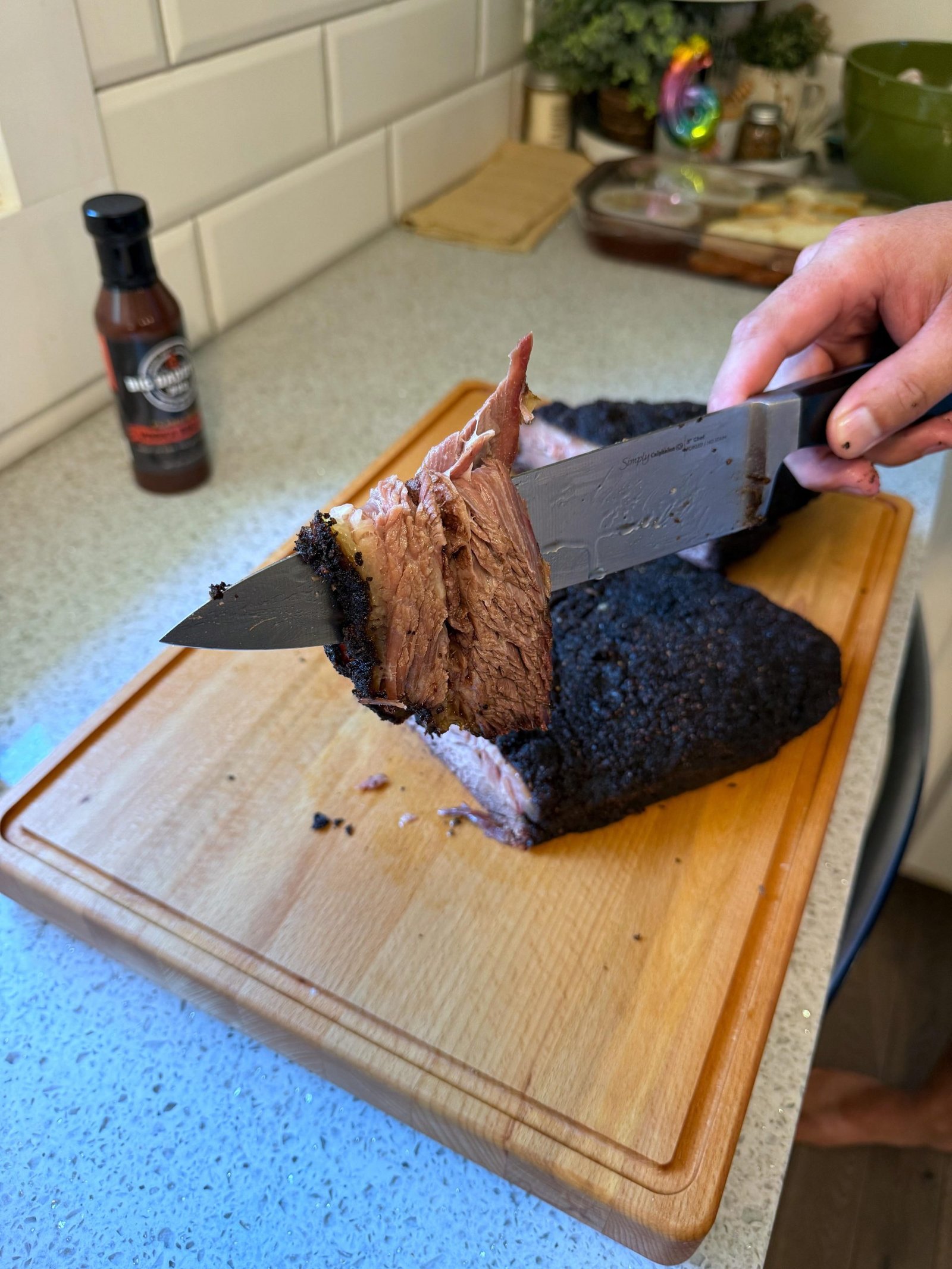
Carving carefully reveals the prime rib’s juicy interior. Serve the slices immediately for the best taste and texture.
Common Mistakes To Avoid
Cooking prime rib on a rotisserie can deliver fantastic results. Avoiding common mistakes ensures juicy, tender meat. These errors often lead to poor texture and flavor. Watch out for overcooking and uneven heat distribution. Understanding these pitfalls helps you cook prime rib perfectly every time.
Overcooking Risks
Overcooking prime rib dries out the meat quickly. The rotisserie’s constant rotation can cause heat to build up fast. This makes the outer layer tough and chewy. Check the internal temperature often to prevent overcooking. Remove the meat from heat a few degrees before the target temperature. Resting the meat afterward lets juices redistribute and keeps it moist.
Uneven Cooking Issues
Uneven cooking is common on rotisserie grills. Hot spots on the grill can burn some areas while leaving others raw. Meat size and shape affect how evenly it cooks. Secure the prime rib tightly on the spit to avoid wobbling. Turn the rotisserie at a steady, consistent speed. Use a meat thermometer in several spots to check doneness evenly.

Credit: www.youtube.com
Serving Suggestions
Serve prime rib hot and rest it for 15 minutes before slicing. Pair with roasted vegetables or creamy horseradish sauce for best taste.
Serving Suggestions When you've cooked your prime rib to perfection in a rotisserie, the next step is to serve it in a way that enhances its rich, juicy flavors. Pairing it with the right sides and sauces can elevate your dining experience to new heights. Let's explore some delectable combinations that can transform your meal into a feast.
Side Dishes Pairings
Choosing the right side dishes is crucial to complement the robust taste of prime rib.
- Garlic Mashed Potatoes:Creamy and flavorful, they absorb the juices from the prime rib beautifully.
- Roasted Vegetables:A mix of carrots, Brussels sprouts, and parsnips roasted to a caramelized perfection adds both color and texture to your plate.
- Yorkshire Pudding:This traditional accompaniment is perfect for soaking up the delicious meat drippings.
Do you have a favorite side dish that never fails to impress? Sharing a beloved recipe with family can create lasting memories.
Sauce Options
A good sauce can be the secret weapon in your culinary arsenal.
- Horseradish Cream:This classic pairing provides a spicy kick that cuts through the richness of the meat.
- Red Wine Jus:Crafted from the pan drippings and red wine, this sauce adds depth and sophistication.
- Au Jus:Simple yet effective, it keeps the meat juicy and enhances its natural flavors.
Do you prefer a bold sauce or something more subtle? Experimenting with different flavors can lead to delightful discoveries.

Credit: maryshappybelly.com
Frequently Asked Questions
How Long Does Prime Rib Take In A Rotisserie?
Prime rib typically takes 15-20 minutes per pound in a rotisserie. Cooking time varies by size and desired doneness. Always use a meat thermometer to ensure internal temperature reaches 130°F for medium-rare.
What Is The Ideal Rotisserie Temperature For Prime Rib?
Maintain a rotisserie temperature of 325°F to 350°F. This range ensures even cooking and a juicy, tender prime rib. Avoid high heat to prevent drying out the meat.
How To Check Prime Rib Doneness On A Rotisserie?
Use a meat thermometer inserted into the thickest part of the prime rib. Remove when it reaches 130°F for medium-rare or 140°F for medium. Let it rest before carving to lock in juices.
Should I Season Prime Rib Before Rotisserie Cooking?
Yes, season prime rib generously with salt, pepper, and herbs. Proper seasoning enhances flavor and crust formation during rotisserie cooking. Apply seasoning at least 30 minutes before cooking.
Conclusion
Cooking prime rib in a rotisserie takes time and care. Start with the right temperature and weight. Keep an eye on the meat as it cooks. Use a meat thermometer to check doneness. Rest the roast before slicing for best flavor.
This way, you get juicy and tender prime rib every time. Enjoy your meal with confidence and ease. Simple steps lead to great results.