Are you wondering how long to cook your porketta roast in a slow cooker to get that perfect, juicy flavor? You’re not alone.
Cooking porketta can be tricky—too little time means tough meat, and too long can dry it out. But don’t worry, this guide will help you unlock the secret to tender, mouthwatering porketta every time. Keep reading, and you’ll discover the ideal cooking time and tips that will make your slow cooker roast a delicious success.
Choosing The Right Porketta Cut
Choosing the right porketta cut is key for a tender, flavorful roast. The cut affects cooking time and taste. It also changes how the meat holds up in a slow cooker. Picking the proper cut ensures juicy results with rich flavor.
Best Cuts For Slow Cooking
Look for cuts that stay moist over long cooking. Shoulder or butt cuts work best. They have enough fat and connective tissue to break down slowly.
- Pork shoulder: well-marbled, perfect for slow cookers
- Pork butt: flavorful and tender when cooked low and slow
- Boston butt: a common choice for porketta
Lean cuts can dry out or become tough. Stick to cuts with fat and some muscle.
Fat Content And Flavor
Fat adds flavor and keeps the meat juicy. It melts during cooking and infuses the roast.
Fat also helps the slow cooker maintain moisture. Cuts with more fat produce a richer taste.
- Look for a good layer of fat on the porketta
- Fat marbling inside the muscle enhances tenderness
- Too little fat means dry meat and less flavor
Choose cuts with balanced fat to enjoy a moist, tasty porketta roast.
Credit: melissaraecarr.com
Preparing Porketta For The Slow Cooker
Preparing porketta for the slow cooker sets the foundation for a tender, flavorful roast. How you season, trim, and tie the meat can make a big difference in the final taste and texture. Taking a little extra time upfront will reward you with a melt-in-your-mouth porketta that keeps your family asking for seconds.
Seasoning And Marinades
Seasoning porketta is all about layering flavors. A classic mix includes garlic, fennel seeds, rosemary, salt, and black pepper. These ingredients bring out the traditional Italian taste that porketta is known for.
Marinating the porketta overnight allows the spices to deeply penetrate the meat. If you prefer, you can add lemon zest or red pepper flakes to give it a fresh or spicy kick. Don’t forget to rub the seasoning evenly over every surface to avoid bland spots.
Have you ever tasted porketta that felt flat? It’s often because the seasoning was rushed or uneven. Take your time here; it’s worth it.
Trimming And Tying Techniques
Trimming excess fat from the porketta helps prevent the roast from becoming greasy. However, leave a thin layer of fat intact to keep the meat moist during slow cooking.
Tying the porketta is crucial to maintain its shape and ensure even cooking. Use kitchen twine to bind the roast tightly but not so tight that it squeezes out the seasoning. You can tie it in sections or create a continuous loop around the roast.
Don’t have experience tying roasts? Try watching a short video or practicing with a small piece of twine. It makes a noticeable difference in presentation and texture.
Slow Cooker Settings And Timing
Choosing the right slow cooker setting and timing is essential to get a perfectly tender and flavorful porketta roast. The heat level you select affects not only the cooking duration but also the texture and moisture of your roast. Understanding how low and high settings work helps you plan your meal around your schedule and taste preferences.
Low Vs High Heat
Cooking porketta on low heat allows the meat to cook slowly and evenly, breaking down tough fibers for a melt-in-your-mouth texture. This setting is best if you have time to let the roast cook gently over several hours.
High heat speeds up the cooking process but can sometimes lead to drier meat if not monitored closely. Use this setting only when you're short on time, and check the roast earlier to prevent overcooking.
Think about your day: Are you home all afternoon or just around in the evening? Your answer can guide whether to choose low or high heat for your slow cooker.
Recommended Cooking Times
| Slow Cooker Setting | Cooking Time for 3-4 lb Porketta Roast | Tips |
|---|---|---|
| Low Heat | 7-9 hours | Ideal for tender, juicy meat. Start in the morning for dinner. |
| High Heat | 4-5 hours | Good for quicker meals. Check for doneness to avoid dryness. |
Keep in mind, these times can vary based on your slow cooker model and roast size. Using a meat thermometer to check for an internal temperature of 145°F ensures your porketta is safely cooked without losing juiciness.
Have you ever tried switching between low and high settings mid-cook? Some cooks start on high to sear and then switch to low for slow cooking. It’s a technique worth experimenting with to see what suits your taste and schedule.
Checking For Perfect Tenderness
Checking for perfect tenderness is key to enjoying a porketta roast cooked in a slow cooker. It’s not just about time but knowing exactly when the meat reaches that melt-in-your-mouth stage. You want to avoid dry or tough pork, so paying attention to tenderness will save your dinner.
Internal Temperature Guide
Temperature is your best friend when cooking porketta. Aim for an internal temperature of 195°F to 205°F (90°C to 96°C). This range ensures the collagen in the meat breaks down fully, making the pork tender and juicy.
Use a reliable meat thermometer and insert it into the thickest part of the roast. Avoid touching the bone, as it can give a false reading. Remember, even if the meat hits 160°F, it might still be tough—higher temps are needed for slow-cooked tenderness.
Texture And Juiciness Tips
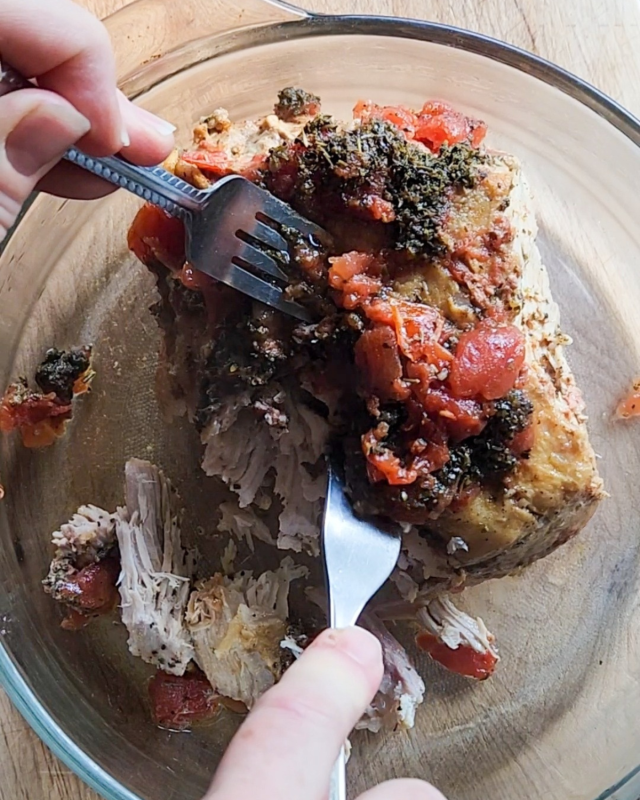
- Check the texture by gently pulling the roast apart with two forks. If the meat separates easily, it’s ready.
- Look for moisture on the surface; a dry roast means you should add a bit of broth or liquid next time.
- Rest the roast for 10-15 minutes after cooking to let the juices redistribute. This step keeps the pork juicy when sliced.
Have you ever ended up with a porketta that’s cooked but not tender enough? Trying these tips changed my slow cooker results dramatically. What’s your go-to way to test if your roast is perfectly tender?
Resting And Serving Porketta
Rest porketta roast for 15 minutes after slow cooking to let juices settle. Slice thinly for serving to enjoy its rich, tender flavor.
Cooking a perfect Porketta roast in a slow cooker takes time and patience. But the reward is a tender, flavorful meal. Once cooked, the process doesn't end. Resting and serving are crucial steps. These ensure the roast retains its juices and flavor.
Resting Time Importance
Let the Porketta roast rest for 15 minutes. This waiting time allows the juices to redistribute. Cutting too soon causes juices to escape. The result? Dry meat. So, be patient. A well-rested roast tastes better and is more succulent.
Serving Suggestions
There are many ways to serve a Porketta roast. Slice it thinly for sandwiches. Pair it with crusty bread. Or, serve with mashed potatoes and gravy. Add roasted vegetables as a side. Carrots, potatoes, and parsnips work well. A fresh green salad complements the rich flavors. Choose what fits your taste. Enjoy your meal with family and friends.

Credit: www.midwexican.com
Troubleshooting Common Issues
Cooking porketta roast in a slow cooker is simple, but sometimes things don’t go as planned. You might end up with meat that's either too dry or not cooked enough. Understanding what causes these issues can help you fix them and enjoy a perfect roast every time.
Dry Or Overcooked Meat
If your porketta turns out dry, it’s often because it cooked too long or at too high a temperature. Slow cookers vary, so your "low" setting might be hotter than you think. Try reducing the cooking time by 30 minutes or switch to the "warm" setting once the roast is done to keep it moist.
Another tip is to add a bit of liquid like broth or apple juice to the slow cooker. This creates steam that keeps the meat juicy. I once forgot to add liquid, and the roast was tough—adding a cup of broth next time made a huge difference.
Undercooked Or Tough Porketta
If the porketta is undercooked, it likely didn’t spend enough time in the slow cooker. Thick roasts need longer cooking, especially on low heat. Use a meat thermometer to check for an internal temperature of at least 145°F (63°C).
Tough porketta can also result from uneven cooking or insufficient fat. Make sure the roast is evenly placed in the cooker and avoid trimming all the fat—it helps break down the meat fibers. Have you ever rushed the cooking time only to get a chewy roast? Patience pays off here.

Credit: beatcancer2010.wordpress.com
Frequently Asked Questions
How Long Does Porketta Roast Take In A Slow Cooker?
Porketta roast takes about 6 to 8 hours on low heat in a slow cooker. Cooking slowly ensures tender, flavorful meat.
What Temperature Should Slow Cooker Be For Porketta?
Set the slow cooker to low, around 190°F to 200°F. This temperature cooks porketta evenly without drying it out.
Can I Cook Porketta On High In Slow Cooker?
Yes, but cooking on high takes 3 to 4 hours. Low heat is preferred for juicier and more tender porketta.
How To Know When Porketta Is Fully Cooked?
Porketta is done when it reaches an internal temperature of 145°F. Use a meat thermometer for accurate results.
Conclusion
Cooking porketta roast in a slow cooker takes time but is worth it. Set the cooker on low for about 6 to 8 hours. This allows the meat to become tender and full of flavor. Check the roast near the end to avoid overcooking.
Rest the meat before slicing to keep it juicy. Enjoy a delicious, easy meal with minimal effort. Slow cooking brings out the best taste in porketta roast every time. Simple and satisfying.