Are you wondering how long to cook pork tenderloin in a Dutch oven to get it perfectly juicy and tender every time? Cooking pork tenderloin can be tricky—you want it cooked through but never dry.
Using a Dutch oven is a great way to lock in flavor and moisture, but the key is knowing exactly how much time it needs. In this guide, you’ll discover the ideal cooking time and simple tips to make your pork tenderloin turn out deliciously tender and full of flavor.
Keep reading to master this easy, impressive dish that will wow your family and friends.
Choosing The Right Pork Tenderloin
Choosing the right pork tenderloin is key for a perfect dish. It affects cooking time, taste, and texture. Picking tenderloin with good quality ensures a juicy, flavorful meal. Understanding the differences between fresh and frozen options helps in planning your cooking process. Size and thickness of the tenderloin also change how long it should cook in a Dutch oven.
Fresh Vs. Frozen Options
Fresh pork tenderloin usually cooks faster. It retains more moisture and flavor. Frozen tenderloin needs to be fully thawed before cooking. Thawing can take several hours or overnight. Cooking frozen meat directly can lead to uneven cooking. Fresh tenderloin offers a better texture. Frozen options are convenient for storage. Choose based on your time and availability.
Size And Thickness Impact
Thicker pork tenderloins take longer to cook. Thin tenderloins cook quickly but can dry out easily. The size affects the heat distribution inside the Dutch oven. Larger tenderloins need lower heat for longer times. Smaller ones require shorter cooking times at higher heat. Measure the thickness before cooking. Adjust cooking time to keep the meat juicy and tender. Use a meat thermometer for best results.
Credit: mamasonabudget.com
Preparing The Dutch Oven
Preparing your Dutch oven properly sets the stage for cooking pork tenderloin perfectly every time. This process affects how evenly your meat cooks and how flavors develop. Paying attention to your tools before adding ingredients can make all the difference in your final dish.
Selecting The Best Dutch Oven
Not all Dutch ovens are created equal. Choose one with thick, heavy walls to hold and distribute heat evenly, which is crucial for cooking pork tenderloin without drying it out.
Enamel-coated cast iron is a popular choice because it’s easy to clean and doesn’t react with acidic ingredients. If you have a seasoned cast iron Dutch oven, that works well too, but be sure it’s well-maintained to prevent sticking.
Consider size carefully. A 5 to 7-quart Dutch oven offers enough space to sear the pork and add vegetables or broth without crowding, which helps with even cooking.
Preheating Techniques
Preheating your Dutch oven before adding the pork tenderloin helps develop a nice crust on the meat. Place the pot on medium heat and let it warm up gradually for about 5 to 10 minutes.
Test the heat by sprinkling a few drops of water inside; if they sizzle and evaporate quickly, your Dutch oven is ready. Avoid overheating, as this can burn the oil and create off-flavors.
Adding oil right after preheating ensures it heats evenly, creating the perfect surface for searing. Remember, patience here pays off in flavor and texture.
Seasoning And Marinating
Seasoning and marinating pork tenderloin before cooking it in a Dutch oven can make a big difference in the final taste and texture. These steps add layers of flavor and help keep the meat juicy. You don’t need fancy ingredients to create a delicious dish; sometimes, simple touches work best.
Simple Seasoning Ideas
Start with basic seasonings you probably have in your kitchen. Salt and pepper are essential to bring out the natural flavor of the pork. Adding garlic powder or smoked paprika can give your tenderloin a nice kick without overpowering it.
Try rubbing the pork with a bit of olive oil before seasoning to help the spices stick better. Fresh herbs like rosemary or thyme can be tucked under the meat’s surface for an aromatic boost. Have you ever noticed how a pinch of brown sugar adds a subtle sweetness that caramelizes during cooking?
Marinade Tips For Flavor
Marinating is a simple way to infuse your pork tenderloin with extra taste and tenderness. Use an acidic base like vinegar, citrus juice, or yogurt to break down the meat fibers gently. Balance that acidity with something sweet, such as honey or maple syrup, to keep the flavors harmonious.
Keep your marinade ingredients easy to find: soy sauce, garlic, mustard, and a splash of olive oil work wonders. Aim for at least 30 minutes of marinating time, but don’t leave it longer than 4 hours; the meat can become mushy. Have you tried marinating overnight and noticed how much juicier the pork stays during slow cooking?
Credit: mamasonabudget.com
Cooking Times For Pork Tenderloin
Understanding the right cooking times for pork tenderloin in a Dutch oven is key to getting juicy, flavorful results every time. The tenderloin's size and the oven temperature both play crucial roles. If you’ve ever overcooked a tenderloin and ended up with dry meat, you know how important timing can be.
Oven Temperature Guidelines
Cooking pork tenderloin at the right oven temperature ensures even cooking without drying out the meat.
- Low and Slow (275°F - 300°F):This range gently cooks the tenderloin, resulting in tender, juicy meat. It usually takes about 25-30 minutes per pound.
- Moderate Heat (325°F - 350°F):This temperature is the most common for Dutch oven cooking, balancing speed and tenderness. Expect around 20-25 minutes per pound.
- High Heat (375°F - 400°F):Use this if you want a quicker roast with a nice crust. The tenderloin will cook in about 15-20 minutes per pound, but watch carefully to avoid overcooking.
Do you prefer a crispy outside or a melt-in-your-mouth texture? Adjust the temperature to suit your taste.
Timing Based On Tenderloin Size
Not all pork tenderloins are the same size, so cooking time varies. A smaller tenderloin needs less time, while larger ones require more attention.
| Tenderloin Weight | Cooking Time at 350°F | Internal Temperature Goal |
|---|---|---|
| 1 to 1.5 pounds | 20-25 minutes | 145°F (rest to 150°F) |
| 1.5 to 2 pounds | 25-30 minutes | 145°F (rest to 150°F) |
| 2 to 2.5 pounds | 30-35 minutes | 145°F (rest to 150°F) |
Have you ever guessed the time only to find your tenderloin under or overdone? Using a meat thermometer helps nail the perfect timing every time.
Checking For Doneness
Cook pork tenderloin in a Dutch oven until it reaches 145°F. This usually takes about 25-30 minutes. Use a meat thermometer to ensure doneness.
Checking for doneness is crucial when cooking pork tenderloin in a Dutch oven. Properly cooked pork tenderloin is juicy and tender. Undercooked, it can be unsafe; overcooked, it becomes tough. Let's explore how to ensure your pork tenderloin is perfectly cooked.
Using A Meat Thermometer
A meat thermometer provides accuracy. Insert it into the thickest part of the tenderloin. The internal temperature should reach 145°F (63°C). This ensures the pork is safe to eat. Let the meat rest for a few minutes before slicing. Resting helps retain juices, enhancing flavor and tenderness.
Visual And Texture Cues
Observe the tenderloin's color and texture. Cooked pork should be a light pink inside. The outside should be golden brown. Press the meat gently. It should feel firm yet spring back slightly. These signs indicate the pork is properly cooked. Always pair these cues with a thermometer check for best results.
Resting And Serving Tips
Resting and serving pork tenderloin cooked in a Dutch oven is a key part of the process. Resting lets the juices settle, making the meat tender and juicy. Serving the pork with the right sides and sauces enhances the meal experience.
Importance Of Resting
Resting pork tenderloin helps keep it moist and flavorful. After cooking, let the meat sit for 5 to 10 minutes. This pause allows the juices to redistribute inside the meat. Cutting the pork too soon causes the juices to run out. Resting also makes the meat easier to slice. A well-rested pork tenderloin is more enjoyable to eat.
Best Serving Suggestions
Serve pork tenderloin with simple, tasty sides. Roasted vegetables like carrots and potatoes pair well. A fresh green salad adds crunch and color. Applesauce or a light mustard sauce complements the pork's flavor. For a hearty meal, serve with mashed potatoes or rice. Garnish with fresh herbs like parsley or thyme for extra aroma.
Common Mistakes To Avoid
Cooking pork tenderloin in a Dutch oven can yield juicy and flavorful results, but it’s easy to slip up if you’re not careful. Avoiding common mistakes ensures your meal turns out perfectly tender and safe to eat. Let’s look at some pitfalls that often catch cooks off guard and how you can steer clear of them.
Overcooking Risks
Overcooking pork tenderloin turns it dry and tough, ruining its natural tenderness. The meat cooks quickly, so leaving it too long in the Dutch oven can sap all the moisture out.
One time, I left the tenderloin simmering a bit too long, thinking slow meant better flavor. Instead, I got a chewy, bland roast that no amount of sauce could fix.
To avoid this, monitor the internal temperature closely. Aim for 145°F (63°C) and then let it rest. This step locks in juices and keeps your tenderloin moist and delicious.
Undercooking Dangers
Undercooking pork can be dangerous due to the risk of harmful bacteria like Trichinella. Serving pork that’s pink inside might seem tempting, but it’s important to ensure it’s fully cooked.
I’ve seen first-hand how guessing doneness without a thermometer can lead to risky meals. A quick poke or cut isn’t reliable enough to judge safety.
Always use a meat thermometer to confirm the right temperature. This small tool protects your health and guarantees your pork is safe and tasty.
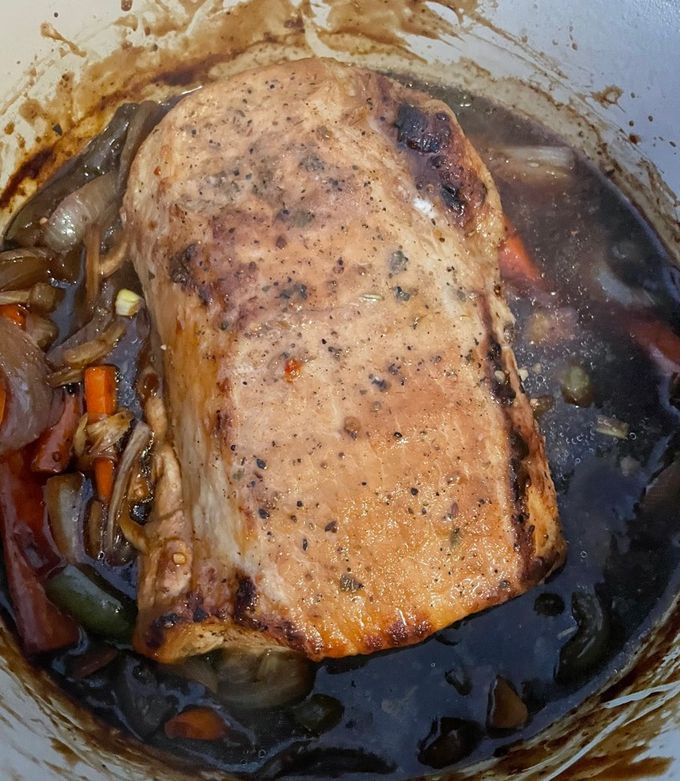
Credit: cookpad.com
Enhancing Flavor With Add-ins
Enhancing the flavor of pork tenderloin in a Dutch oven elevates the entire meal. Adding the right ingredients creates a rich, delicious taste. These add-ins also help keep the pork moist and tender during cooking. Small touches make a big difference in the final dish.
Vegetables To Include
Vegetables add natural sweetness and depth to pork tenderloin. They also create a flavorful base for the cooking liquid. Consider these options:
- Carrots – add sweetness and texture
- Onions – provide a savory, aromatic flavor
- Garlic – intensifies the taste with a mild punch
- Celery – adds earthiness and crunch
- Bell peppers – bring a subtle, fresh sweetness
Place the vegetables around the pork in the Dutch oven. They will cook slowly and release juices that blend with the meat.
Herbs And Spices
Herbs and spices bring warmth and complexity to pork tenderloin. Fresh herbs work well but dried ones also add great flavor. Use these to enhance your dish:
- Rosemary – pairs perfectly with pork
- Thyme – adds a light, earthy note
- Sage – offers a slightly peppery taste
- Bay leaves – provide subtle bitterness and aroma
- Black pepper – adds mild heat and sharpness
Sprinkle herbs and spices directly on the pork or mix them into the vegetables. This spreads flavor evenly as the pork cooks.
Frequently Asked Questions
How Long Does Pork Tenderloin Take In A Dutch Oven?
Pork tenderloin typically takes 25-30 minutes to cook in a Dutch oven. Use medium heat and check for an internal temperature of 145°F for safety.
What Temperature Should Pork Tenderloin Be Cooked To?
Cook pork tenderloin to an internal temperature of 145°F (63°C). This ensures the meat is juicy, tender, and safe to eat.
Can I Cook Pork Tenderloin Without Searing First?
Yes, but searing adds flavor and texture. Searing for 3-4 minutes per side enhances taste before slow cooking in the Dutch oven.
Should I Cover The Dutch Oven While Cooking Pork Tenderloin?
Always cover the Dutch oven while cooking pork tenderloin. Covering traps heat and moisture, ensuring even cooking and tender meat.
Conclusion
Cooking pork tenderloin in a Dutch oven takes about 25 to 35 minutes. Keep the heat medium to avoid drying the meat. Check the internal temperature for safety; it should reach 145°F (63°C). Let the meat rest before slicing to keep it juicy.
This method gives tender, flavorful pork every time. Enjoy your meal with simple sides for a great dinner. Dutch oven cooking is easy and perfect for busy days. Give it a try and taste the difference.