If you’re planning to cook a pork shoulder on your gas grill, you probably wonder, “How long should I cook it to get that perfect, tender bite?” Cooking pork shoulder isn’t just about time—it’s about getting the right texture and flavor that will make your meal unforgettable. You want juicy, fall-apart meat without spending all day watching the grill.
You’ll discover the ideal cooking times, tips to keep your pork juicy, and tricks to make your gas grill work like a pro smoker. Keep reading, and you’ll master the art of grilling pork shoulder every time.
:max_bytes(150000):strip_icc()/2026080120260722-SEA-St.LouisPorkSteak-Twobites-HERO-405d59a847eb4af880865bbbec24f312.jpg)
Credit: www.seriouseats.com
Choosing The Right Pork Shoulder
Choosing the right pork shoulder is key to great results on your gas grill. The cut you pick affects cooking time and flavor. It also impacts how tender and juicy your pork will be. Understanding the differences helps you make the best choice for your meal.
Consider the bone, size, and fat content. These factors influence the cooking process and final taste. A well-chosen pork shoulder sets the stage for a perfect grilled dish.
Bone-in Vs. Boneless
Bone-in pork shoulders have the bone left inside. The bone adds flavor and helps keep meat moist. It also slows cooking a bit, making the pork more tender.
Boneless pork shoulders cook faster and are easier to carve. They may lose some flavor without the bone. Choose bone-in for rich taste and juiciness. Pick boneless for quicker cooking and simpler serving.
Selecting The Perfect Size
Pick a pork shoulder size that fits your grill and group size. Smaller shoulders (4-6 pounds) cook faster and suit small gatherings. Larger shoulders (8-10 pounds) take longer but serve more people.
Remember, larger cuts need low, slow heat to become tender. Plan cooking time based on size to avoid undercooked or dry meat.
Credit: amazingribs.com
Preparing The Pork Shoulder
Preparing the pork shoulder correctly sets the stage for a delicious meal. It involves trimming excess fat and applying the right seasoning. Proper preparation enhances flavor and helps the meat cook evenly on a gas grill. Taking time here makes a big difference in the final taste and texture.
Trimming And Seasoning
Start by trimming large fat pieces from the pork shoulder. Leave some fat to keep the meat moist during cooking. Pat the meat dry with paper towels to help seasonings stick better.
Use a simple rub made of salt, pepper, garlic powder, and paprika. Rub the mixture evenly over the entire surface. This adds flavor and creates a tasty crust when grilled.
Marinating Tips
Marinating the pork shoulder adds extra flavor and tenderness. Use a marinade with acid, such as vinegar or citrus juice, to break down tough fibers.
- Mix oil, acid, herbs, and spices for the marinade.
- Place the pork in a resealable bag or container.
- Pour the marinade over the meat, covering all sides.
- Marinate in the refrigerator for 4 to 12 hours.
Remove the pork from the marinade and let it reach room temperature before grilling. This step ensures even cooking and better results.
Setting Up The Gas Grill
Setting up your gas grill properly is key to cooking pork shoulder perfectly. This cut needs low and slow heat to become tender. Preparing the grill creates the right environment for even cooking. Focus on temperature control and heat zones to avoid burning or undercooking the meat.
Temperature Control
Set your gas grill to a low temperature, around 225°F to 250°F. Use the built-in thermometer to monitor heat. Adjust the knobs to keep the temperature steady. Avoid opening the lid too often, as this lets heat escape. Consistent heat helps the pork shoulder cook evenly and become tender.
Creating Indirect Heat Zones
Indirect heat is essential for slow cooking pork shoulder. Turn on burners only on one side of the grill. Place the pork shoulder on the cooler side, away from direct flames. This setup prevents burning and allows the meat to cook slowly. Use a drip pan under the pork to catch fat and keep the grill clean.
Cooking Times For Pork Shoulder
Cooking pork shoulder on a gas grill takes time and care. The cooking time depends on the heat level and the size of the meat. Choosing the right cooking approach affects the taste and texture. Pork shoulder needs to be cooked until it is tender and juicy. Understanding different cooking times helps achieve the best results.
Low And Slow Method
Cooking pork shoulder low and slow means using low heat for a long time. Set the grill temperature between 225°F and 250°F. This method takes about 1.5 to 2 hours per pound of meat. For example, a 5-pound pork shoulder needs 7 to 10 hours to cook.
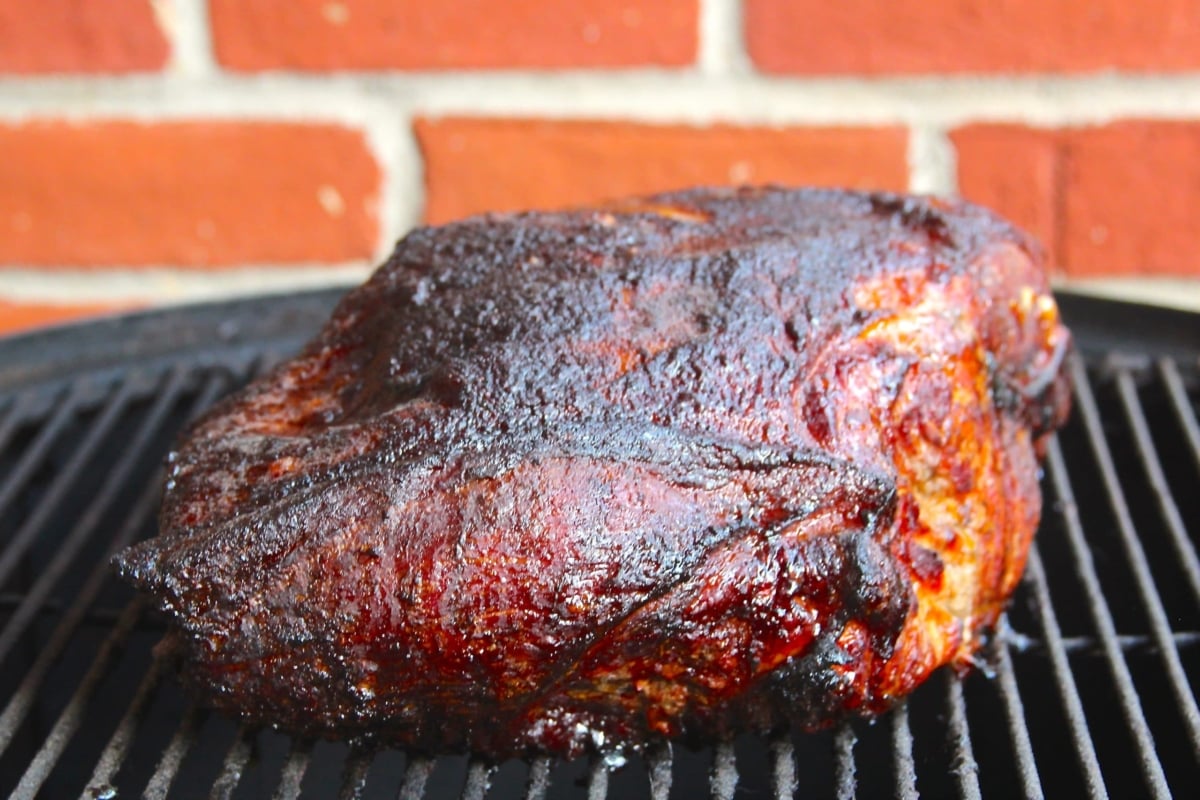
Low heat breaks down the fat and connective tissue. The meat becomes tender and easy to pull apart. This method gives a smoky flavor and moist texture. Keep the grill closed to keep the heat steady. Use a meat thermometer to check when the internal temperature reaches 195°F to 205°F.
Fast And Hot Method
This method cooks pork shoulder quickly using high heat. Set the grill temperature around 350°F to 400°F. Cooking time is about 20 to 30 minutes per pound. For a 5-pound pork shoulder, expect about 1.5 to 2.5 hours.
High heat cooks the outside faster, creating a nice crust. The inside cooks faster but can dry out if overcooked. Turn the meat often to avoid burning. Check the internal temperature to reach at least 190°F for tenderness. This method is good for quicker meals but needs close attention.
Monitoring Internal Temperature
Monitoring the internal temperature is key to cooking pork shoulder perfectly on a gas grill. It ensures the meat is safe to eat and tender. Cooking by time alone can lead to undercooked or dry meat. Checking the temperature helps you know exactly when to take the pork off the grill.
Proper temperature control also affects the flavor and texture. The pork shoulder needs to reach the right heat inside to break down tough fibers. This process makes the meat juicy and easy to pull apart. A steady temperature read is your best guide to delicious results.
Using A Meat Thermometer
A meat thermometer is a must-have tool for grilling pork shoulder. Insert it into the thickest part of the meat, avoiding bones. Digital instant-read thermometers give quick and accurate readings. Leave the thermometer in the meat if it is designed for grilling.
Check the temperature regularly without opening the grill too often. Each time you open the lid, heat escapes, slowing the cooking. Use the thermometer to track progress and prevent overcooking. This simple step keeps your pork juicy and flavorful.
Ideal Temperature Targets
For safe and tender pork shoulder, the internal temperature should reach 195°F to 205°F (90°C to 96°C). This range allows the collagen in the meat to melt, making it soft. Cooking to this temperature ensures the pork pulls apart easily.
Some prefer to start checking at 180°F (82°C) for firmness. But reaching 195°F to 205°F is best for the classic pulled pork texture. Rest the meat after grilling to let the juices settle. This final step keeps the pork moist and tasty.

Credit: www.youtube.com
Resting And Carving
After grilling your pork shoulder on a gas grill, the way you rest and carve it can make a huge difference in taste and texture. This final stage lets the meat settle and juices redistribute, which enhances every bite. Let’s dive into why resting matters and how to carve your pork shoulder like a pro.
Importance Of Resting
Resting your pork shoulder for at least 20 to 30 minutes after grilling is crucial. During this time, the juices that have been pushed to the center by the heat move back throughout the meat. This prevents your pork from drying out the moment you cut into it.
Think about the last time you rushed to slice a hot steak—you probably noticed the juices running all over the plate. Resting stops that from happening. It’s a simple step that keeps your pork moist and flavorful.
Carving Techniques
Carving pork shoulder properly is about cutting with the grain to keep the meat tender. First, identify the direction of the muscle fibers—this might take a moment, but it’s worth the effort.
- Use a sharp carving knife for clean slices.
- Cut perpendicular to the grain to maximize tenderness.
- Start by removing any large fat cap if you prefer less fat in each bite.
Have you ever tried pulling pork into chunks instead of slicing? It’s a different approach that can change the eating experience and works well for sandwiches or tacos. Experiment with both slicing and pulling to find what fits your meal best.
Troubleshooting Common Issues
Cooking pork shoulder on a gas grill can sometimes lead to unexpected issues. Troubleshooting these problems quickly helps you save your meal and enjoy the best flavors. Let’s look at how to handle common challenges like undercooked meat and dryness.
Dealing With Undercooked Meat
Undercooked pork shoulder is a safety risk and can ruin your BBQ experience. If you find your meat is still pink or tough inside, don’t panic. Close the grill lid and lower the heat to cook it slowly until the internal temperature reaches at least 195°F (90°C) for tender, pull-apart pork.
Use a reliable meat thermometer to check the temperature regularly. Avoid cutting into the meat too early, as this lets out juices and slows cooking. If you notice uneven cooking, try rotating the pork shoulder every 30 minutes to ensure heat distributes evenly.
Preventing Dryness
Dry pork shoulder is a common frustration, especially on a gas grill where heat can be intense. Keep your grill temperature steady around 225°F to 275°F to avoid drying out the meat. High heat speeds up cooking but can make the pork tough and dry.
Another tip is to marinate or brine your pork shoulder before grilling. This adds moisture and flavor inside the meat. While grilling, consider placing a water pan under the pork to keep the environment humid and reduce dryness.
Have you tried wrapping the pork in foil during the final cooking stage? This traps moisture and helps the meat stay juicy. Experiment with these techniques to find what works best for your grill and taste.
Serving Suggestions
Serving pork shoulder from a gas grill offers many tasty options. The rich, smoky flavor pairs well with a variety of sides and sauces. Choosing the right accompaniments can enhance the meal and satisfy all tastes. Simple choices make the dish feel special and complete.
Pairing With Sides
Classic sides bring balance to the rich pork shoulder. Consider these easy options:
- Coleslaw for a crunchy, fresh contrast
- Baked beans for a sweet and smoky touch
- Grilled corn on the cob adds a smoky crunch
- Roasted vegetables for a healthy, warm option
- Potato salad for creamy and cool texture
Each side adds flavor and texture that complements the meat well.
Sauces And Garnishes
Good sauces bring extra flavor and moisture. Popular choices include:
- Barbecue sauce, smoky or sweet
- Mustard-based sauce for a tangy kick
- Chimichurri for a fresh, herb taste
- Hot sauce for those who like heat
- Fresh herbs like parsley or cilantro for brightness
Garnishes add color and a fresh finish. Thinly sliced onions or pickles work well.
Frequently Asked Questions
How Long Does Pork Shoulder Take On A Gas Grill?
Pork shoulder typically takes 4 to 6 hours on a gas grill. Cook it low and slow at 225°F to 250°F for tender results.
What Temperature Should I Grill Pork Shoulder At?
Maintain a gas grill temperature between 225°F and 250°F. This low heat ensures even cooking and juicy, tender pork shoulder.
How Do I Know When Pork Shoulder Is Done?
Pork shoulder is done when it reaches an internal temperature of 195°F to 205°F. Use a meat thermometer for accuracy.
Can I Cook Pork Shoulder Faster On A Gas Grill?
Cooking pork shoulder faster is possible but not recommended. High heat can dry out the meat and reduce tenderness.
Conclusion
Cooking pork shoulder on a gas grill takes time and patience. Aim for low heat and slow cooking to get tender meat. Usually, it takes about 4 to 6 hours, depending on the size. Keep the grill temperature steady around 225-250°F.
Check the meat often to avoid overcooking. Rest the pork for a while before slicing. This helps keep the juices inside. Enjoy your juicy, flavorful pork shoulder with your favorite sides. Simple steps lead to great results every time.