Are you ready to make the most tender, flavorful pork shoulder without any guesswork? Knowing exactly how long to cook pork shoulder in your slow cooker can be the difference between juicy perfection and a tough, dry meal.
Whether you’re preparing a family dinner or meal prepping for the week, getting the timing right ensures every bite melts in your mouth. In this guide, you’ll discover the perfect cooking times and tips that will help you master your slow cooker and impress everyone at your table.
Keep reading to unlock the secrets to slow-cooked pork shoulder that’s bursting with taste and tenderness.
Choosing The Right Pork Shoulder
Choosing the right pork shoulder is key to achieving tender, flavorful results in your slow cooker. Not all pork shoulders are created equal, so understanding the differences can save you time and frustration. Let’s look closely at what to pick and why it matters.
Types Of Pork Shoulder Cuts
Pork shoulder comes mainly in two cuts: the Boston butt and the picnic shoulder. The Boston butt is the upper part, well-marbled with fat, making it perfect for slow cooking. It breaks down beautifully, giving you juicy and tender meat.
The picnic shoulder, from the lower part of the shoulder, has more connective tissue and sometimes skin. It’s a bit tougher but adds great flavor if cooked long enough. Knowing the difference can help you decide which cut suits your recipe and cooking time better.
Size And Weight Considerations
The size of your pork shoulder affects cooking time a lot. A smaller piece, around 3 to 4 pounds, usually cooks in 6 to 8 hours on low. Larger cuts, say 6 pounds or more, need 10 to 12 hours to become tender without drying out.
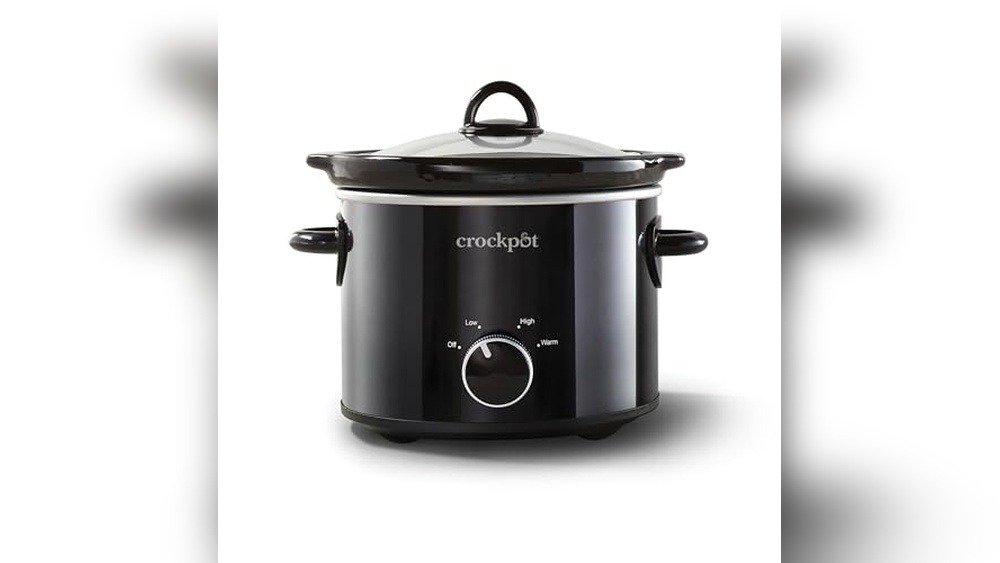
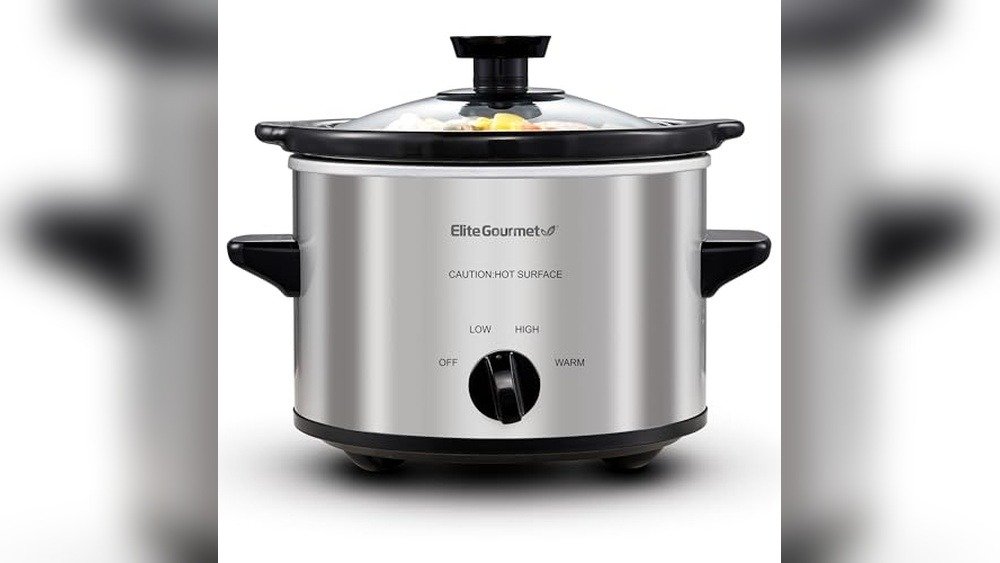
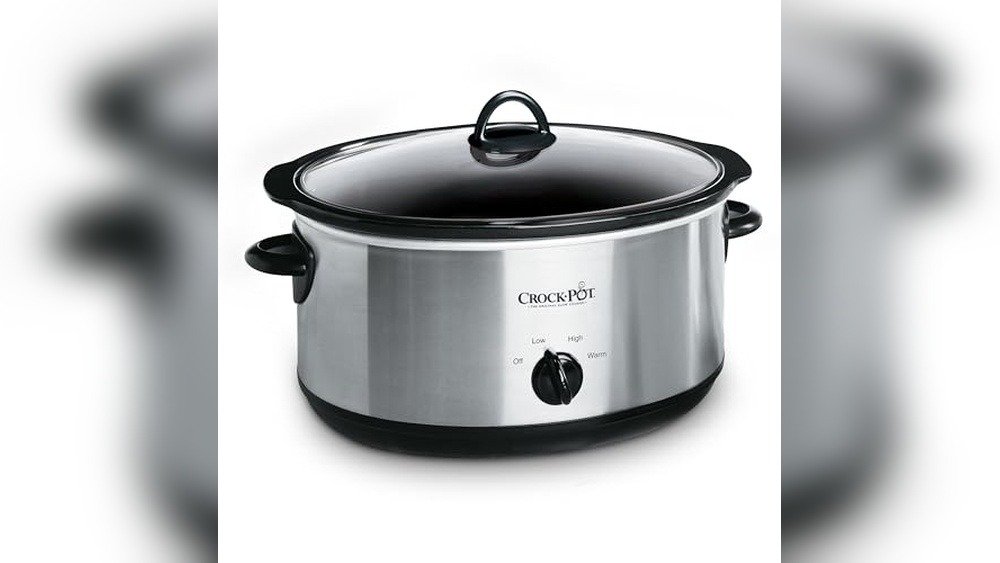
Think about your slow cooker’s capacity too. Overcrowding can cause uneven cooking. If your shoulder is too big, consider cutting it into smaller chunks or choose a smaller roast to fit comfortably.
Have you ever rushed the cooking process and ended up with tough pork? Picking the right size helps you avoid that. It also means you can plan your meal better, whether for a quick weeknight dinner or a slow weekend feast.
Credit: hopewellheightsblog.com
Preparing Pork Shoulder For Slow Cooking
Preparing pork shoulder for slow cooking sets the stage for tender, flavorful meat. Proper preparation helps the pork absorb spices and cook evenly. This process involves trimming excess fat and adding seasoning or marinades.
Trimming And Seasoning Tips
Trim large chunks of fat from the pork shoulder. Leave a thin layer to keep the meat moist during cooking. Pat the pork dry with paper towels before seasoning.
Use simple spices to enhance the natural flavor. Salt and black pepper are essential. Garlic powder, paprika, and onion powder add depth. Rub the spices evenly over the entire surface.
Marinating For Extra Flavor
Marinating adds moisture and infuses the pork with taste. Use a mixture of oil, acid, and herbs or spices. Common acids include vinegar, lemon juice, or citrus.
Place the pork and marinade in a sealed bag or container. Refrigerate for at least 2 hours or overnight. This step helps the pork become tender and rich in flavor.
Slow Cooker Settings And Time
Understanding the slow cooker settings and timing is key to perfecting your pork shoulder. Different heat settings affect how long the meat takes to become tender and juicy. Knowing the right time for your pork's weight ensures it cooks evenly without drying out.
Low Vs High Heat Settings
Slow cookers typically have two main settings: low and high. Low heat cooks the pork shoulder gently over a longer period, usually between 8 to 10 hours. This slow process breaks down the connective tissues, resulting in tender, fall-apart meat.
High heat cooks faster, usually in about 4 to 6 hours, but it requires more attention. The risk with high heat is that the pork might dry out if left too long. If you're short on time but want juicy results, consider using the high setting but check the meat’s tenderness a little early.
Cooking Time Based On Weight
The weight of your pork shoulder directly affects cooking time. A general rule is to cook it for about 1.5 to 2 hours per pound on low heat. For example, a 4-pound pork shoulder needs roughly 6 to 8 hours on low.
| Weight of Pork Shoulder | Low Heat Cooking Time | High Heat Cooking Time |
|---|---|---|
| 3-4 pounds | 6-8 hours | 4-5 hours |
| 5-6 pounds | 8-10 hours | 6-7 hours |
| 7-8 pounds | 10-12 hours | 7-8 hours |
Have you ever felt unsure if your pork shoulder is done just by looking? Using a meat thermometer can help here. Aim for an internal temperature of around 195°F (90°C) for that perfect shreddable texture.
Checking For Perfect Tenderness
Checking for Perfect Tenderness Cook pork shoulder in a slow cooker for 8-10 hours on low. Check tenderness with a fork. It should easily pull apart.
Cooking pork shoulder in a slow cooker requires patience. Achieving perfect tenderness is key. The long cooking time allows flavors to develop fully. But, how do you know when it's done? Checking for tenderness ensures a delicious result.
Visual And Texture Indicators
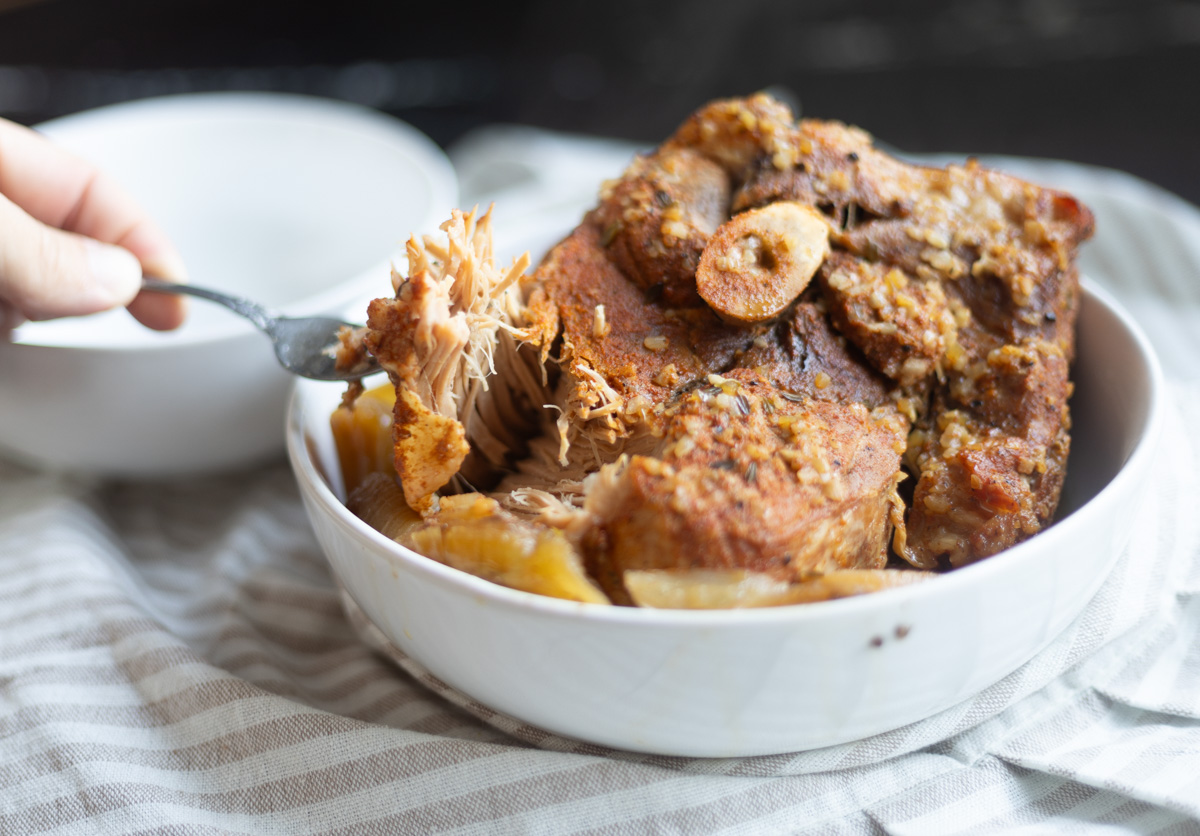
Look for the meat pulling away from the bone. It should shred easily with a fork. The surface will appear slightly caramelized. The pork should be moist, not dry. If it's tough, it needs more time. Check every hour after the initial cooking period.
Using A Meat Thermometer
Insert the meat thermometer into the thickest part. The temperature should read at least 195°F (90°C). This ensures the pork is tender and safe to eat. Avoid touching the bone with the thermometer. Wait a few seconds for an accurate reading. If it's below the desired temperature, cook longer. Adjust time based on the thermometer reading.
Common Mistakes To Avoid
Cooking pork shoulder in a slow cooker seems simple, but there are key mistakes that can ruin your dish. Avoiding these errors will help you achieve tender, flavorful meat every time. Let’s look at two common pitfalls you should watch out for.
Overcooking And Undercooking Risks
Overcooking pork shoulder leads to dry, stringy meat that’s tough to enjoy. On the other hand, undercooking means your pork won’t be safe to eat and will feel chewy.
Slow cookers vary in temperature, so relying solely on time can be risky. Use a meat thermometer to check for the safe internal temperature of 195°F to 205°F for pulled pork texture.
Think about the last time you guessed cooking time and ended up with tough pork—was it worth the risk? Don’t let impatience spoil your meal.
Lifting The Lid Too Often
It’s tempting to peek inside your slow cooker, but every time you lift the lid, heat escapes. This extends cooking time and can lead to uneven cooking.
Instead, trust the process and resist the urge to check constantly. If you must check, do it quickly and minimize how long the lid stays off.
Ask yourself: is that quick glance worth the added cooking time and potential loss of moisture? Letting the slow cooker do its job uninterrupted will reward you with juicier pork.
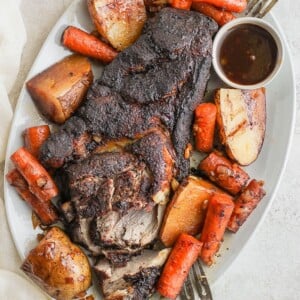
Credit: fitfoodiefinds.com
Enhancing Flavor During Cooking
Enhancing the flavor of pork shoulder in a slow cooker makes a big difference. The slow cooking process allows the meat to absorb flavors deeply. Using simple ingredients boosts the taste without extra effort. Aromatics and liquids add moisture and richness to the pork. Vegetables add texture and layers of flavor that blend well during cooking.
Adding Broth And Aromatics
Broth creates a moist cooking environment, helping pork stay tender. Use chicken, beef, or vegetable broth for different flavor profiles. Aromatics like garlic, onion, and herbs add depth to the dish. Fresh herbs such as rosemary or thyme work well. Add a few whole cloves of garlic or sliced onions. These ingredients slowly infuse the pork with savory notes. Avoid adding too much liquid; just enough to cover the meat’s base.
Incorporating Vegetables
Vegetables add natural sweetness and complexity to pork shoulder. Carrots, celery, and potatoes are classic choices. They release juices that blend with the broth and meat. Cut vegetables into large chunks to prevent overcooking. Place them under or around the pork in the slow cooker. This arrangement allows the meat to rest on the vegetables, absorbing flavors better. The vegetables become a tasty side dish after cooking.
Serving And Storing Slow Cooked Pork Shoulder
Serving and storing slow cooked pork shoulder properly can elevate your meal experience and keep your leftovers delicious. Knowing how to rest and shred the meat ensures every bite is tender and flavorful. Meanwhile, smart storage techniques help maintain freshness and prevent waste, so you can enjoy your pork shoulder beyond the first meal.
Resting And Shredding Techniques
After slow cooking, let the pork shoulder rest for at least 15 minutes before shredding. This pause allows the juices to redistribute, making the meat juicier and easier to pull apart. If you try to shred it immediately, you might lose those flavorful juices and end up with dry meat.
To shred, use two forks or your hands if it’s cool enough. Pull the meat gently along the grain for tender strands. For extra flavor, mix some of the cooking juices back into the shredded pork. Have you noticed how simple resting can transform the texture and taste of your meat?
Storage Tips For Leftovers
Cool your leftover pork shoulder quickly to avoid bacterial growth. Store it in airtight containers to lock in moisture and prevent it from absorbing fridge odors. Label the containers with the date so you know when to use them.
In the fridge, pork shoulder stays good for 3 to 4 days. For longer storage, freeze it in portions. Thaw frozen pork overnight in the fridge, never at room temperature, to keep it safe and tasty. Keeping your leftovers well stored means less food waste and more ready-to-eat meals.

Credit: food52.com
Frequently Asked Questions
How Long Does Pork Shoulder Take In A Slow Cooker?
Pork shoulder typically takes 8 to 10 hours on low heat in a slow cooker. Cooking on high usually requires 4 to 6 hours. Time varies based on the size of the meat and slow cooker model.
What Is The Best Temperature For Slow Cooking Pork Shoulder?
The best temperature setting for pork shoulder in a slow cooker is low heat. Low heat allows the meat to become tender and juicy. High heat cooks faster but may reduce tenderness.
Can I Cook Frozen Pork Shoulder In A Slow Cooker?
It is not recommended to cook frozen pork shoulder in a slow cooker. Starting from frozen increases risk of uneven cooking and bacterial growth. Thaw the meat fully before slow cooking for safety and best results.
How Do I Know When Pork Shoulder Is Done In Slow Cooker?
Pork shoulder is done when it reaches an internal temperature of 195°F to 205°F. The meat should be tender and easily pull apart with a fork. Use a meat thermometer for accurate results.
Conclusion
Cooking pork shoulder in a slow cooker takes time, but it is worth it. Set the cooker to low for 8 to 10 hours for tender meat. On high, it usually takes 4 to 6 hours. Check the pork for softness before serving.
Slow cooking helps flavors blend well. Remember, patience brings the best results. Enjoy your delicious, easy-to-make pork shoulder meal.